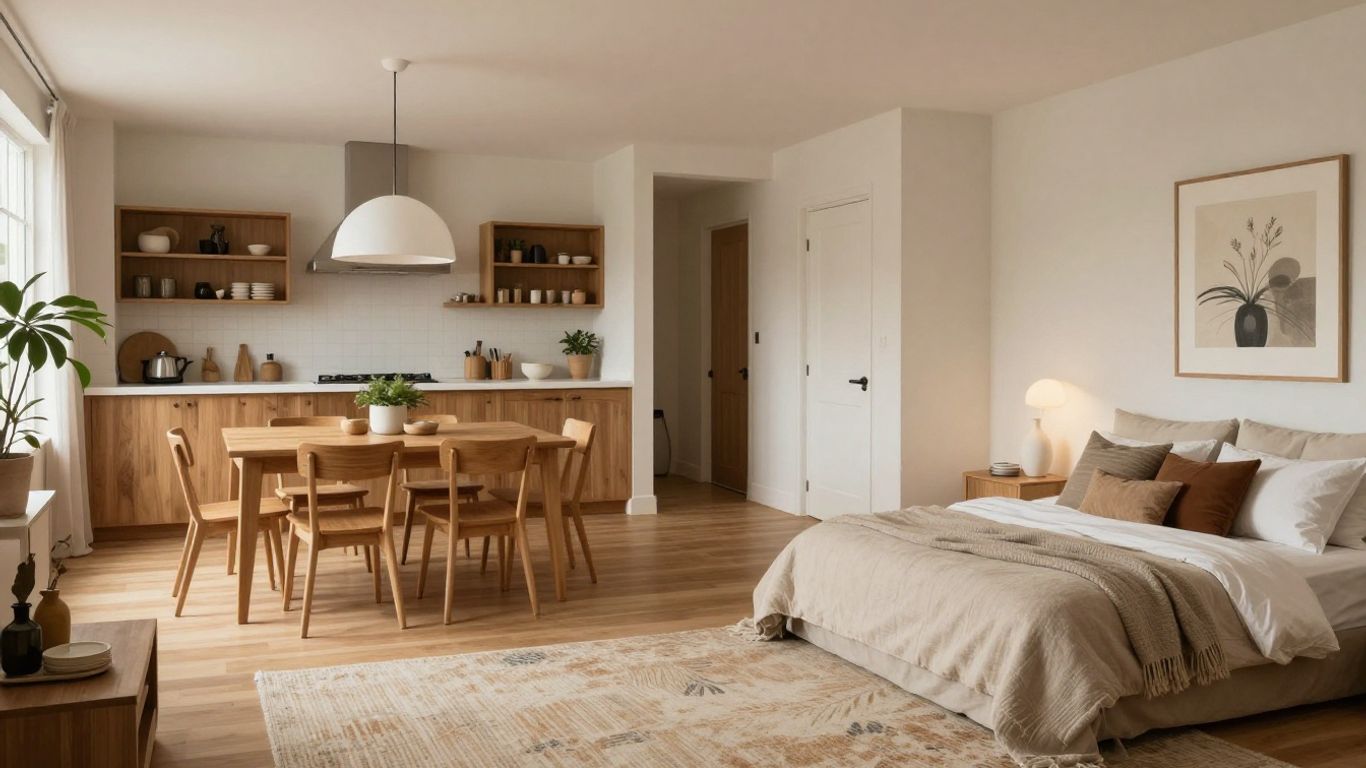
Key Takeaways
Good decorating starts with noticing what you already love and making practical choices around it. These ideas for home decor can help you build rooms that feel collected, comfortable, and genuinely yours.
- Define a loose style direction before buying anything.
- Plan furniture around how people move and gather.
- Layer color, texture, lighting, and personal objects.
- Use small, high-impact updates when the budget is limited.
- Keep rooms flexible so they can change with daily life.
Define your decorating direction before you shop
A beautiful home does not need one strict decorating label. It needs a point of view that makes separate rooms feel as though they belong to the same household. Before shopping, pay attention to the colors, materials, and proportions that repeatedly catch your eye. A little preparation also prevents expensive pieces from becoming isolated experiments.
Identify the colors, textures, and shapes you naturally prefer
Start with what you are drawn to rather than what you think you should like. Save rooms, fabrics, furniture, and artwork that make you pause, then look for patterns: perhaps warm woods, chalky colors, rounded forms, crisp linen, or aged metal keep appearing. The personal style guide offers a useful starting point for thinking about color, texture, architecture, and practical furniture together.
Do not worry if your references come from several different styles. Your preferences may be more consistent in mood than in label. A preference for quiet colors can connect a traditional chair to a simple modern lamp, while repeated natural textures can make an eclectic room feel settled.
Combine inspiration into a cohesive style
Once you have gathered inspiration, reduce it to three or four working words, such as relaxed, earthy, tailored, and playful. These words become a filter when you are choosing between two attractive pieces. A mood board can include paint colors, flooring, fabric samples, lighting, and a few architectural details rather than only finished rooms.
A cohesive home also benefits from repetition. Repeat one wood tone, one metal finish, or a small family of colors in different rooms, but vary the shapes and scale so the result does not feel copied. If you want a more polished direction, this elegant interior approach is a helpful reminder to balance statement pieces with comfort and restraint.
Create a practical budget and priority list
A decorating budget works better when it reflects the order in which decisions must be made. Separate essential repairs and functional pieces from optional styling, then decide which room will make the biggest difference to everyday life. Leave a small reserve for delivery, installation, paint supplies, and the inevitable detail you did not anticipate.
Write down your priorities before browsing. A comfortable sofa, proper window coverage, or useful storage may matter more than several small accessories. When a project becomes larger than a refresh, these remodeling planning ideas can help you think through scope, budgeting, permits, and long-term value before work begins.
Measure rooms and plan furniture placement
Measure walls, doorways, windows, radiators, and the path from the entrance to each room. Mark the footprint of major furniture on the floor with painter’s tape, then walk around it at different times of day. This simple test reveals whether a coffee table blocks circulation or whether a dining chair can actually pull out comfortably.
A plan does not need to be architectural. A rough drawing with dimensions, outlets, and openings is enough to guide shopping. Keep a record of those measurements on your phone so an appealing chair or cabinet can be judged against the room rather than against impulse.
Refresh the living room with layered comfort
The living room usually has to do several jobs: conversation, reading, relaxing, entertaining, and sometimes working. Comfort comes from more than a soft sofa; it depends on clear movement, varied seating, and light that can change throughout the day. Begin with the largest pieces, then add softness and character in layers.

Arrange seating around conversation and natural focal points
Place seating so people can speak without turning their bodies awkwardly or shouting across the room. A sofa and two chairs can make a more sociable arrangement than a sofa pushed against one wall and a television treated as the only destination. If the room has a fireplace, view, or interesting architectural feature, let it guide the arrangement without allowing it to dictate every angle.
Keep enough space for walking between the seating group and doors. Side tables should be close enough for a drink or book, and the coffee table should be reachable without making knees collide. A room feels calmer when its arrangement is obvious as soon as someone enters.
Use rugs, curtains, and cushions to add warmth
A rug visually gathers furniture and softens the acoustics of a hard-floored room. Ideally, the front legs of the main seating sit on it, though a smaller room can use a rug that simply connects the central pieces. Curtains usually look more generous when mounted above the window frame and allowed to fall close to the floor.
Cushions and throws are where you can introduce pattern without committing to a whole wall or large chair. Combine a plain weave, a subtle pattern, and a more tactile fabric rather than buying every item in the same set. These quick decorating updates are especially useful when the room needs a lift but the main furniture is staying put.
Balance statement furniture with flexible accent pieces
One memorable chair, cabinet, or coffee table can give a room its identity. Let that piece breathe by surrounding it with quieter forms, and avoid filling every open surface with another focal point. Flexible stools, nesting tables, and lightweight chairs make it easier to adapt the room when guests arrive.
Scale matters as much as style. A delicate lamp can disappear beside a deep sectional, while a massive side table can make a compact sofa feel cramped. Use a mix of heights so the room has rhythm from floor to ceiling.
Improve the room with intentional lighting
A single ceiling fixture often leaves a living room flat at night. Build a mix of ambient, task, and accent light: a central fixture for general brightness, a floor or table lamp for reading, and a smaller light aimed at artwork or a textured wall. Warm bulbs and shaded fixtures tend to make evening spaces feel more relaxed.
Plan the lighting around activities rather than decoration alone. A lamp near a chair should illuminate the page, while a low lamp on a console can create a gentle pool of light beyond the seating area. For a quick review, ask whether each corner has a useful or atmospheric reason to be lit.
Create a restful and personal bedroom
A bedroom should support sleep first, but it can still have a clear aesthetic personality. Quiet colors, pleasant textures, and concealed storage reduce visual noise without making the room bland. Choose pieces that feel good at close range, since this is a room experienced slowly and privately.
Choose a calming color palette for walls and bedding
Begin with the quality of light in the room. Soft blue, warm white, muted green, clay, and gentle gray can all be restful, but their effect changes with daylight and surrounding materials. Test paint on more than one wall and view it in the morning, afternoon, and evening before committing.
Bedding does not need to match the walls exactly. A tonal palette with two or three related shades often feels more settled than a collection of unrelated colors. If the walls are pale, a darker coverlet or wood headboard can provide the visual weight the room needs.
Layer textiles for comfort and visual depth
Use the bed as a composition of practical layers: breathable sheets, a coverlet or quilt, a duvet for warmth, and a folded throw for texture. Two or three pillow sizes create a finished appearance without requiring a mountain of cushions. Natural fibers are often pleasant against the skin, while a small amount of contrast keeps the arrangement from looking too uniform.
Repeat one textile elsewhere in the room, perhaps in a bench cushion or window treatment. This makes the bed feel connected to the room rather than dressed as a separate display. Keep the pieces easy to wash and store so the arrangement remains realistic on ordinary mornings.
Design storage that keeps clutter out of sight
Open storage can be attractive, but a bedroom usually benefits from a balance of display and concealment. Choose under-bed drawers, a dresser with divided interiors, or a wardrobe configured around the clothes you actually wear. A basket for blankets and a small tray for daily items can prevent surfaces from becoming accidental catchalls.
Make the storage routine visible in the layout. If laundry has to cross the room to reach its basket, the system will be abandoned; if frequently used items sit at hand height, resetting the room takes less effort. Good storage is quiet design because it supports the room without demanding attention.
Add meaningful artwork and bedside details
Artwork above the bed should relate to the scale of the headboard and leave enough breathing room around it. A pair of smaller works can feel balanced on a wide wall, while one larger piece may be calmer in a narrow room. Choose something you enjoy seeing at the beginning and end of the day rather than something selected only to fill a blank space.
Keep bedside surfaces edited. A lamp, water glass, book, and one personal object may be all that is needed. The details can be modest—a ceramic dish, a framed photograph, or a small vase—but they should make the room feel inhabited rather than staged.
Make the kitchen and dining area feel inviting
Kitchens and dining areas are hardworking spaces, so decoration has to coexist with spills, heat, and constant movement. The best choices add warmth while leaving preparation surfaces usable. Think in terms of small compositions that can be cleared or adjusted without a major reshuffle.
Style open shelves and countertops without overcrowding them
Open shelves look most appealing when they hold a practical mix of dishes and a few decorative pieces. Group objects by function, leave visible gaps, and vary height with a bowl, a stack of plates, and a small plant or vessel. Countertops need even more restraint: keep daily tools nearby, but store duplicates and rarely used appliances elsewhere.
The space above kitchen cabinets can be useful if it is visible and easy enough to clean. These ideas above kitchen cabinets include greenery, baskets, grouped objects, and the option of leaving the area empty when negative space better suits the room. The right choice depends on clearance, scale, and how much dusting you are willing to do.
Use lighting to define food preparation and dining zones
Task lighting should fall directly on counters and sinks without creating shadows from your head or upper cabinets. In a dining area, a pendant or chandelier can establish the table as a destination, provided it is hung high enough for clear sightlines. Dimmers make both zones more adaptable, shifting from practical preparation to a softer meal.
If hardwired changes are not possible, use plug-in sconces, rechargeable lamps, or a small lamp on a nearby sideboard. A warm glow at eye level can make a dining corner feel welcoming even when the overhead light is off. The goal is not more fixtures, but better control of the atmosphere.
Add color through backsplashes, textiles, and accessories
A backsplash is a durable place to introduce color or pattern, especially when cabinets and counters are restrained. Large format tile can create a continuous look with fewer grout lines and is worth considering when its scale suits the kitchen. For a lower-commitment change, try a runner, woven seat cushions, colorful dishware, or a painted stool.
Repeat the chosen color in two or three locations rather than scattering many unrelated accents. A blue tile might connect to a fabric stripe and a glazed bowl, while natural wood can soften a sharper palette. Small echoes make the kitchen feel intentional without turning it into a themed room.
Create a welcoming table setting for everyday meals
An everyday table can be attractive without becoming precious. Start with useful plates and glasses, then add one simple layer such as a runner, cloth napkins, or a low bowl of fruit. Keep the centerpiece low enough for conversation and easy to move when the table becomes a work surface.
A vase can provide height on a sideboard or dining table when it is proportionate to the furniture. Consider this guide to choosing vases when you are comparing materials, shapes, and colors. One vessel with a few branches often has more presence than a crowded collection of small objects.
Maximize style in small or awkward spaces
Small rooms do not have to feel like unfinished versions of larger ones. They need deliberate scale, clear circulation, and storage that works harder. Awkward corners can become useful once you stop asking them to behave like standard walls and start designing around their particular angles.

Select furniture that fits the room’s scale
Measure the furniture as carefully as the room. A deep sofa may technically fit but still consume the passage around it, while a slim-legged chair can provide seating without visually closing a corner. Look for pieces with the right width, depth, and height rather than relying on a label such as apartment size.
Leave some visible floor around major furniture whenever possible. That breathing room makes the room feel less crowded and helps cleaning. In a narrow space, a round table or armless chair may also make movement easier than a rectangular piece with sharp corners.
Use mirrors and light colors to increase the sense of space
A mirror can reflect daylight, extend a sightline, or add brightness opposite a window. Its placement matters: reflecting a bright wall or attractive view is more useful than simply filling the largest empty area. Choose a frame that relates to the room so the mirror feels like furniture rather than an optical trick.
Light colors can make boundaries recede, but an all-white room is not required. Pale warm neutrals, low-contrast patterns, and translucent window treatments can create a similar ease while adding personality. Use darker tones selectively on a small cabinet or lamp base to keep the room from feeling washed out.
Turn unused corners into functional areas
A leftover corner can become a reading spot, a compact desk, a bar cabinet, or a place for plants. First identify the nearest useful outlet and the amount of light available. Then give the area a clear purpose with one anchoring piece, rather than filling it with miscellaneous items.
A narrow ledge, wall-mounted sconce, or small stool may be enough. When the function is modest, the furniture should be modest too. The result will feel intentional because it answers a real need instead of merely occupying an awkward gap.
Choose vertical storage and multipurpose pieces
Use wall height for shelves, peg rails, tall cabinets, and hooks, while keeping the floor as open as possible. Furniture that performs two jobs is particularly valuable: an ottoman can store blankets, a console can double as a desk, and a bench can hold shoes while providing seating. Choose pieces that are easy to use, not just clever on paper.
Keep the heaviest storage visually grounded. A tall cabinet in a similar color to the wall can recede, while open shelves should be edited so they do not create a new source of clutter. In a small room, every storage decision affects the feeling of space.
Decorate on a budget without sacrificing character
A limited budget can produce a more personal home because it encourages patience and invention. You do not need to replace everything at once; you need to decide which change will be noticed and enjoyed most. Paint, arrangement, lighting, and textiles can often shift a room before any major purchase is made.
Repurpose furniture with paint, hardware, or new finishes
A tired dresser or plain side table may have good proportions beneath an unappealing finish. Clean it thoroughly, repair loose joints, and test paint or stain on a hidden area before changing the whole piece. New knobs, feet, or a carefully chosen color can make familiar furniture feel considered again.
Do not disguise every sign of age. A little wear on wood or metal can add depth, especially when paired with clean textiles and simple surroundings. The strongest updates preserve useful character while solving the feature that bothered you.
Mix affordable finds with a few lasting investments
Spend more selectively on items that receive daily use or are difficult to replace, such as a supportive mattress, a well-made sofa, or a durable dining table. Save on easily changed details like cushions, small lamps, and seasonal objects. This approach keeps the room from feeling temporary while leaving room for experimentation.
A simple way to decide is to compare an item’s cost with how often you will touch, sit on, or rely on it. The table below can help make that conversation concrete.
| Item type | Where to spend | Where to save |
|---|---|---|
| Seating | Comfort, frame, and durable upholstery | Occasional accent chairs |
| Lighting | Good construction and useful placement | Decorative shades and portable lamps |
| Textiles | Sheets, rugs, and high-use fabrics | Seasonal cushions and throws |
| Storage | Strong structure and adaptable interiors | Baskets, labels, and small organizers |
Use the table as a guide rather than a rule. A vintage lamp may be a better investment for you than a new sofa if it solves a daily problem and gives the room its character.
Shop secondhand for distinctive pieces
Secondhand shopping rewards a flexible eye. Look for solid construction, useful dimensions, and materials that can be cleaned or repaired; surface imperfections are easier to address than a poor shape. Measure before you buy, and ask how the item was used when that information is available.
Distinctive objects often appear when you are not searching for a complete matching set. One old frame, stool, or ceramic piece can keep a room from looking overly predictable. Give yourself time to live with a find before deciding where it belongs.
Prioritize changes that make the biggest visual difference
When funds are tight, start with what occupies the most visual area or affects the room every day. A new rug, a pair of curtains, a fresh wall color, or better lighting can alter the entire mood. Small decorative purchases matter more after the basic composition is working.
For exterior changes, a carefully selected residential awning can add shade and curb appeal while relating to the architecture. For an entrance refresh, doors with sidelights can bring natural light and a more welcoming appearance; choose these larger changes only when they fit the broader project and budget.
Add personality through art, plants, and collected details
Personal objects turn a well-arranged home into a home with a history. They do not need to be expensive or rare. What matters is that the collection reflects places, people, interests, and small memories that would not appear in a showroom.
Build a balanced gallery wall
Lay the artwork on the floor before putting holes in the wall. Begin with the largest piece, then arrange smaller works around it with consistent but not identical spacing. Mix frames carefully: different finishes can add interest, while a shared mat color or visual theme keeps the arrangement together.
A gallery wall does not have to be symmetrical. It does need an outer shape that feels intentional and a center line that relates to the furniture below it. Leave enough space around the grouping so it reads as one composition rather than scattered decoration.
Choose plants based on light and maintenance needs
Match each plant to the actual light in its location, not to the light you wish the room had. Notice whether the window provides direct sun, bright indirect light, or a dim corner, then choose a plant with compatible watering needs. A healthy modest plant is more attractive than an ambitious one that is struggling.
Vary height with a floor plant, a tabletop specimen, and a trailing plant on a shelf, but avoid blocking doors or useful work surfaces. Simple pots in related colors can connect greenery to the rest of the room. If maintenance is limited, start with one forgiving plant and build slowly.
Display books, travel finds, and sentimental objects
Display collections in small groups rather than spreading every keepsake across the room. Stack a few books horizontally, place a small object on top, and leave space beside the arrangement. This gives each item room to be seen and makes dusting less frustrating.
Sentimental objects can be mixed with ordinary functional pieces. A bowl from a trip, a framed recipe, or a child’s drawing may carry more meaning than a fashionable accessory. Rotate the display occasionally so overlooked pieces can have their turn.
Repeat colors and materials to connect the home
Repetition creates continuity without requiring identical rooms. Echo a warm terracotta tone in a cushion, a piece of art, and a small ceramic object, or carry a wood finish from the living room into a bedroom frame. Keep the repetitions loose so they feel like a thread rather than a formula.
Vases are particularly useful for this kind of connection because they can be moved from a console to a dining table as the room changes. A sculptural form may stand alone, while a simpler vessel can hold branches or flowers. The vase styling guide offers more ways to think about scale, texture, light, and placement.
Keep your decor flexible and easy to maintain
A home should be attractive on its best day but workable on an ordinary one. Flexible decor lets you change a room for guests, weather, or a new routine without starting from scratch. Maintenance becomes easier when the room is designed around how you actually live rather than how a photograph is arranged.
Make seasonal updates with small interchangeable accents
Change a few portable elements instead of redecorating an entire room. Swap cushion covers, throws, table linens, artwork, or a bowl of seasonal branches while leaving the foundational furniture in place. Store the off-season pieces together so the change feels manageable.
Seasonal decoration works best when it follows the existing palette. A deeper version of a current color or a new natural texture will usually integrate more gracefully than a completely unrelated theme. Small changes can still make a familiar room feel refreshed.
Organize accessories so rooms can be reset quickly
Give frequently moved items a home: remotes in a tray, blankets in a basket, and charging cables in a small box. Keep a little empty space in cabinets and drawers so objects can be put away without a wrestling match. The reset should take minutes, not become another household project.
Use trays to group small objects on open surfaces. This makes a collection look deliberate and allows the entire group to be moved when the table is needed. A room is easier to maintain when tidying has a clear endpoint.
Choose durable materials for high-traffic areas
In busy spaces, prioritize washable covers, resilient flooring, and finishes that age gracefully. Performance should not mean visual dullness; woven textures, natural variation, and well-made simple forms can be both practical and attractive. Ask how a material will handle spills, pets, sunlight, and repeated cleaning before buying it.
Protect vulnerable surfaces with runners, coasters, and washable mats where they make sense. Avoid covering every surface, though, since too many protective layers can make a home feel less relaxed. Durability is most useful when it supports normal use rather than policing it.
Review each room and remove items that no longer serve a purpose
Every few months, walk through the house with a practical eye. Notice objects that are broken, never used, difficult to clean, or visually disconnected from everything around them. Removing one unhelpful item can improve a room more than adding three new ones.
Keep only what earns its place through use, beauty, or meaning. If you are unsure, move an object to a temporary box and see whether you miss it. A lighter room gives your favorite pieces more room to speak.
Conclusion
The most successful home decor grows from a clear sense of how you want to live, followed by patient choices that support that life. Start with measurements and priorities, layer in comfort and light, then let art, plants, and collected objects bring the rooms into focus. The result does not need to be perfect; it needs to feel useful, welcoming, and unmistakably yours.
Frequently Asked Questions
How do I choose a decorating style?
Collect images and objects you genuinely like, then look for repeated colors, textures, shapes, and moods. Use a few descriptive words as a flexible guide rather than trying to fit your home into one strict category.
What should I decorate first in a room?
Begin with the largest functional decisions, such as furniture placement, lighting, rugs, and storage. Once those are working, smaller accessories will have more impact and will be easier to choose.
How can I make a home feel cohesive?
Repeat a few colors, materials, or finishes across rooms while varying the furniture and accessories. Consistent undertones and similar levels of visual contrast usually create connection without making every room identical.
How do I decorate on a small budget?
Prioritize changes that affect a large area or daily comfort, including paint, lighting, window treatments, rugs, and rearrangement. Mix inexpensive updates with carefully chosen durable pieces, and consider secondhand furniture.
How can I make a small room look larger?
Choose furniture that leaves clear walking paths, use mirrors thoughtfully, and keep colors and patterns relatively low contrast. Vertical storage and furniture with more than one function can also preserve valuable floor space.
How many decorative items should a room have?
There is no fixed number. Use enough objects to add character and rhythm, then leave breathing room between groups so surfaces remain useful and the room does not feel crowded.
How often should I refresh my home decor?
Make small changes whenever your needs or routines change, and consider a more deliberate review once or twice a year. Portable textiles, artwork, plants, and accessories can refresh a room without replacing its foundation.


Leave a Reply