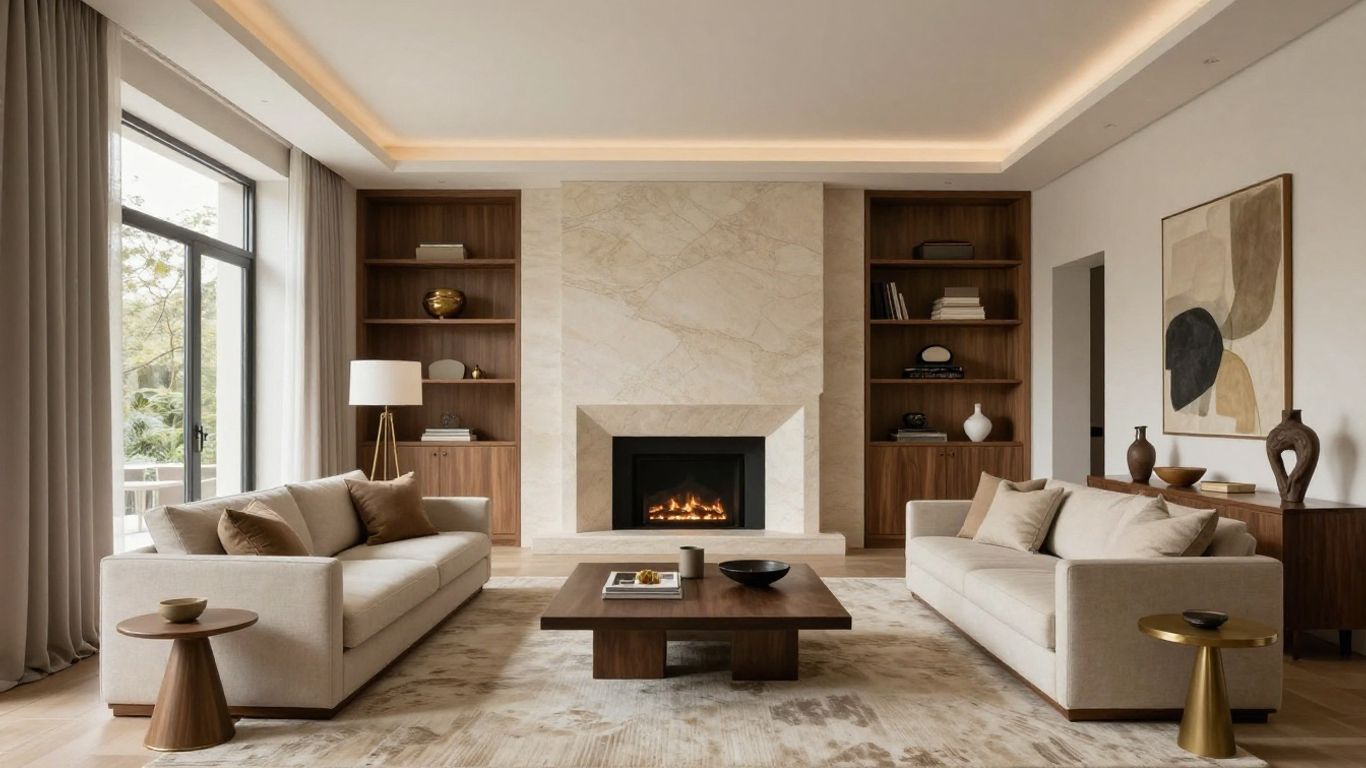
Key Takeaways
Luxury home decor is less about price and more about intention, proportion, and lasting materials. A polished home feels collected, comfortable, and unmistakably personal.
- Define a decorating style that suits both your architecture and daily life.
- Build a restrained palette with layered neutrals and considered accents.
- Prioritize craftsmanship, comfort, durable materials, and balanced proportions.
- Combine several lighting types to create warmth and depth.
- Edit accessories carefully so every object has room to matter.
Define your luxury home decor style
A successful room usually begins with a clear point of view rather than a shopping list. Luxury home decor can feel formal, relaxed, contemporary, or highly individual, but it should never seem accidental. Start by considering the building, the people who use it, and the atmosphere you want to create. The most elegant interiors leave space for life while maintaining a strong visual thread.
Distinguish classic, modern, transitional, and eclectic luxury
Classic luxury often relies on symmetry, tailored upholstery, traditional silhouettes, and enduring materials. Modern luxury tends toward cleaner lines, sculptural forms, and a quieter arrangement, while transitional rooms soften contemporary shapes with familiar details. Eclectic luxury can bring together periods and cultures, provided the mix is united by color, scale, or material. The distinction matters because it helps you edit choices before they compete.
Build a mood board around colors, textures, and materials
A mood board is useful when it captures feeling as well as appearance. Collect images of rooms, stone, wood grain, fabric, art, and architectural details that hold your attention, then look for patterns among them. You may discover a preference for chalky plaster, dark timber, brushed metal, or richly woven textiles. A room-by-room decorating direction guide can also help turn scattered inspiration into a coherent plan.
Balance statement pieces with understated details
Every room benefits from a focal point, but a focal point loses power when surrounded by other competing gestures. Choose one memorable chandelier, artwork, sofa, or stone surface, then support it with quieter forms. Understated details—well-made handles, neat seams, a restrained trim—often make the larger piece feel more considered. Contrast creates hierarchy when it is used sparingly.
Choose a style that suits your lifestyle and architecture
A grand period home may welcome paneling, antiques, and generous symmetry, while a compact apartment may look better with fewer, more sculptural pieces. Consider how you host, relax, work, and move through the rooms before committing to delicate finishes or rigid layouts. The goal is not to imitate a showroom; it is to make the architecture and your habits feel naturally aligned.
Create a refined color palette
Color sets the emotional temperature of a home, and an elevated palette usually develops gradually rather than arriving in a single dramatic decision. Begin with a foundation that can carry several rooms, then introduce variation through tone, sheen, and texture. This approach creates continuity without making every space identical. Keep samples visible in both daylight and evening light before finalizing paint, upholstery, or stone.

Start with a sophisticated neutral foundation
Warm white, mushroom, sand, taupe, soft gray, and muted brown can create a calm backdrop for stronger details. The right neutral should relate to the flooring, natural light, and fixed finishes rather than being chosen in isolation. Test large samples because a color that looks gentle on a card may feel cool or heavy across an entire wall. A quiet foundation also gives art and furniture room to speak.
Add depth through tonal layering
Tonal layering means using several nearby shades instead of relying on one flat neutral. A cream wall can sit beside oatmeal upholstery, pale limestone, walnut, and a smoky bronze accent. Differences in weave and surface keep the arrangement from feeling bland, even when the colors remain close. This is particularly effective in bedrooms and sitting rooms where visual calm is part of the brief.
Use accent colors with intention
Accent colors work best when they appear in a few deliberate places. A deep green might connect a cushion, a painted cabinet, and a small piece of art, while rust or blue could recur through ceramics and textiles. Keep the strongest color away from every surface; repetition should feel like a quiet rhythm, not a theme. A single unexpected note can be more luxurious than a crowded spectrum.
Coordinate finishes across adjoining rooms
Open-plan homes need relationships between spaces, not identical decoration. Repeat one or two elements—perhaps warm oak, aged brass, or a particular stone—while allowing each room its own dominant color and mood. The following simple framework helps keep those transitions controlled:
| Area | Foundation | Supporting finish | Accent approach |
|---|---|---|---|
| Living room | Warm ivory | Walnut and bronze | Art or cushions |
| Dining room | Soft taupe | Stone and dark wood | Tabletop objects |
| Primary bedroom | Pale sand | Linen and oak | Muted textiles |
| Kitchen | Creamy white | Marble and brass | Greenery or ceramics |
After choosing the recurring finishes, view the rooms from their connecting sightlines. Small shifts in tone will feel intentional when the materials provide a consistent thread.
Invest in high-quality furniture and materials
The sense of quality in a room is often tactile before it is visual. A comfortable chair, a smoothly operating drawer, and a natural textile can make a stronger impression than a conspicuous label. Spend where an item is used constantly or difficult to replace, and be more flexible with decorative pieces. When sourcing at scale, a practical luxury furniture sourcing guide can help you assess material authenticity, craftsmanship, customization, and export readiness.
Prioritize craftsmanship, comfort, and proportion
Look closely at joinery, stitching, weight, finish, and the way a piece meets the floor. Then sit down, open the drawers, and imagine using it on an ordinary day. Proportion is just as important: an oversized sofa can overwhelm a narrow room, while a small table may make a generous room feel unfinished. Refined interiors are comfortable enough to live in and measured enough to feel composed.
Select durable upholstery and natural textiles
Wool, linen, cotton, mohair, and leather each bring a different hand and performance profile. Choose based on traffic, sunlight, pets, and cleaning needs rather than appearance alone. A durable fabric in a beautiful, useful color will age more gracefully than a fragile textile that is constantly protected. Layering a few natural textiles also adds richness without relying on excessive ornament.
Combine wood, stone, metal, glass, and leather
A room becomes more dimensional when materials are allowed to contrast. Matte stone can temper polished metal; ribbed glass can lighten dark wood; leather can add structure beside soft linen. Aim for variation in both texture and reflectivity, since too many glossy surfaces can feel cold and too many porous surfaces can look visually heavy. Repeating a material in small doses helps the mix feel deliberate.
Decide where premium materials deliver the most impact
Put the strongest investment into elements that anchor the room or receive daily contact. That may mean a well-built sofa, a quality mattress, a substantial dining table, or durable flooring. Decorative hardware and a beautiful natural stone backsplash can also transform modest cabinetry. A useful test is whether the material will still look and feel good after years of ordinary use, not just on installation day.
Layer lighting for an elegant atmosphere
Lighting shapes how color, texture, and proportion are experienced after sunset. A single ceiling fixture tends to flatten a room, while several modest sources create pools of warmth and make the space easier to use. Plan lighting with furniture placement in mind, not as an afterthought. Dimmers are especially valuable because an elegant room should shift easily from morning tasks to evening conversation.

Combine ambient, task, and accent lighting
Ambient lighting provides the general glow, task lighting supports activities such as reading or cooking, and accent lighting draws attention to art or architectural features. Use all three at different heights so the eye travels around the room. A floor lamp beside a chair, pendants above an island, and discreet picture lights can work together without competing. The result should feel natural rather than visibly engineered.
Use decorative fixtures as architectural focal points
A chandelier or pair of pendants can establish scale and character before any furniture is placed. Select a fixture that relates to the room’s geometry: a long linear form suits a rectangular table, while a rounded fixture can soften a boxier arrangement. Let the fixture have breathing room, and check sightlines from doorways and seated positions. Decorative lighting is most successful when it belongs to the architecture.
Choose warm bulbs and suitable color temperatures
Warm light generally supports the relaxed, flattering atmosphere associated with a comfortable home. The exact choice depends on the room, finishes, and personal preference, so compare samples rather than relying on a number alone. Keep lamps in the same visual family where possible, and avoid harsh contrasts between adjoining spaces. Good color rendering is also valuable because it lets fabrics, artwork, and skin tones appear more natural.
Highlight artwork, furniture, and architectural details
Accent light should guide attention without creating glare. Aim adjustable fixtures carefully at artwork, wash a textured wall softly, or place a low lamp near a sculptural table. Concealed illumination can reveal shelving and millwork without adding another visible object. For outdoor areas, a resort-style alfresco lighting guide offers ideas such as illuminated steps, glowing handrails, tree uplighting, and submersible pool lights, along with practical attention to IP ratings and smart RGBW systems.
Style luxury accessories without creating clutter
Accessories give a home its personality, but abundance is not the same as refinement. Begin with the room’s architecture and furniture, then add objects that introduce memory, craftsmanship, or useful texture. Leave some surfaces quiet so the chosen pieces can be seen clearly. Editing is not about making a room bare; it is about making each placement feel purposeful.
Arrange art and mirrors for visual balance
Hang art at a comfortable viewing height and relate its width to the furniture beneath it. A mirror can reflect light, extend a sightline, or add depth, but it should not bounce an unattractive view around the room. Consider a mirror placement guide when deciding between a single substantial frame, a gallery arrangement, or a mirror above a console. Balance is usually more convincing than perfect symmetry.
Use sculptures, trays, books, and objects intentionally
Group objects by a shared quality such as color, material, origin, or shape. A tray can gather small pieces on a coffee table, books can create height, and a sculpture can supply a strong vertical note. Avoid filling every shelf edge; a pause around an object is part of its presentation. For further inspiration, browse this modern home accents collection for examples of trays, sculptural vases, boxes, and tabletop accessories used as finishing details.
Add softness with rugs, curtains, and cushions
Soft furnishings temper hard surfaces and improve the way a room sounds and feels. Choose a rug large enough to connect the principal furniture, then use curtains to frame windows rather than stopping them abruptly at the glass. Cushions should vary slightly in scale and texture while staying within the palette. Linen, wool, velvet, and woven fibers can make a restrained scheme feel generous.
Create contrast with scale, shape, and negative space
A small round object beside a tall rectangular frame creates more interest than a shelf of similarly sized items. Mix low and high pieces, smooth and irregular silhouettes, and dense arrangements with open areas. Negative space gives the eye somewhere to rest and prevents a carefully chosen collection from reading as visual noise. The final pass should involve removing at least one object from each crowded surface.
Design each room with purpose
An elevated home works because its rooms support real routines. Before choosing decorative details, decide whether each space should encourage conversation, rest, celebration, concentration, or easy maintenance. The same level of polish can look very different in a family room and a formal dining area. Thinking room by room makes the overall design more practical and personal.
Establish a welcoming luxury living room
Arrange seating to encourage conversation rather than pointing everything toward a television. A substantial rug, a central table, and lighting at several levels can give the room a settled structure. Add art, plants, and textiles gradually, checking that pathways remain clear. This living room design guide is useful for planning mood, layout, lighting, materials, and fabrics before buying major pieces.
Create a calm and functional primary bedroom
The bedroom should feel quieter than the rooms used for entertaining. Prioritize a supportive bed, generous bedside lighting, blackout or light-filtering window treatments, and fabrics that feel good against the skin. Keep storage accessible but visually calm, using a bench or small chair only when it serves the room. A restrained palette and limited artwork can make the space feel restorative without becoming bland.
Elevate the dining room with memorable details
Dining rooms invite a little more drama, whether through a pendant, a richly colored wall, or a table with visible grain. Make sure chairs remain comfortable for long meals and that the lighting flatters both the food and the people around it. A low centerpiece preserves conversation, while considered glassware, linens, and ceramics add character. The best details support hospitality rather than turning dinner into a display.
Add sophistication to kitchens and bathrooms
Kitchens and bathrooms benefit from the same attention to proportion and materials as living spaces. In a kitchen, connect cabinetry, hardware, counters, and lighting so the functional elements feel intentional. In a bathroom, a well-chosen mirror, tactile hardware, and layered lighting can elevate even a compact footprint. Keep counters edited and choose finishes that tolerate moisture, cleaning, and everyday handling.
Maintain a cohesive and timeless home
Timeless design is not frozen design. It is a home with enough consistency to feel whole and enough flexibility to change as your life changes. Repetition, restraint, and quality create the foundation, while personal objects keep the result from feeling anonymous. Review the rooms together every so often, especially after a renovation or major purchase.
Repeat materials and finishes throughout the space
Repeating a material does not mean using it everywhere. A warm wood tone might appear in flooring, a frame, and one piece of furniture; aged metal might return in lighting and cabinet hardware. These echoes help the eye move through the home. Keep the repetitions slightly varied in shape or finish so they feel collected rather than matched.
Mix investment pieces with affordable accents
A home can feel luxurious without every object being expensive. Put the larger budget toward pieces with strong construction and daily use, then bring in affordable accents through cushions, small ceramics, seasonal flowers, or framed prints. The contrast can make the important pieces feel even more distinctive. A meaningful gift and experience guide is a reminder that personal significance often matters more than material cost when selecting objects for a home.
Avoid trends that quickly date the design
Trends can be enjoyable in small, reversible doses, but they should not dictate the bones of the house. Be cautious with permanent finishes, highly specific silhouettes, and colors that only work beside one current style. Instead, let proportion, natural materials, and thoughtful craftsmanship carry the long-term design. Clear naming and organization can even help when recording decisions for a renovation; this guide to effective titles explains why precise labels improve discoverability and communication.
Refresh the decor through seasonal, flexible updates
Refresh a room by rotating art, changing a few textiles, moving lamps, or introducing branches and flowers rather than replacing its foundation. Repairing and reusing pieces can deepen a home’s character, especially when an object carries a story. Store seasonal accents carefully and keep the core palette steady. Small, deliberate changes will preserve the home’s identity while preventing it from feeling static.
Conclusion
Luxury home decor comes together through a series of thoughtful decisions: a style that fits the architecture, a palette with depth, materials that reward daily use, and lighting that changes with the hour. Keep editing as the rooms evolve, and let comfort, proportion, and personal meaning guide the final layer.
Frequently Asked Questions
What makes a home look luxurious?
A luxurious home typically combines good proportion, quality materials, comfortable furniture, layered lighting, and intentional editing. The impression comes from how well those elements work together, not from displaying the highest possible number of expensive items.
Which colors work best for an elegant interior?
Sophisticated neutrals such as warm white, taupe, sand, mushroom, and soft gray provide a flexible foundation. Add depth through nearby tones and introduce accent colors in a few repeated, carefully chosen places.
How can I make my home feel expensive on a budget?
Prioritize layout, lighting, scale, and cleanliness before buying more decor. Invest selectively in high-use pieces, then use affordable textiles, greenery, art, and well-arranged objects to add warmth and personality.
How many statement pieces should a room have?
Most rooms need one clear focal point and perhaps a few supporting details. If several large or highly decorative pieces compete for attention, simplify the surrounding furniture and accessories so the strongest element remains legible.
What lighting is best for an elegant atmosphere?
A combination of ambient, task, and accent lighting usually creates the most flexible result. Warm, well-rendered bulbs, dimmers, and fixtures placed at different heights can make a room feel both functional and inviting.
How do I keep luxury decor from looking cluttered?
Group objects by a shared quality, vary their height and shape, and leave visible negative space around them. Remove pieces that do not serve a visual, practical, or personal purpose, especially from large horizontal surfaces.
How can I make different rooms feel connected?
Repeat a few materials, finishes, or colors across adjoining spaces while allowing each room its own mood. Consistent details create continuity, whereas identical furniture and decoration can make the home feel overly staged.


Leave a Reply