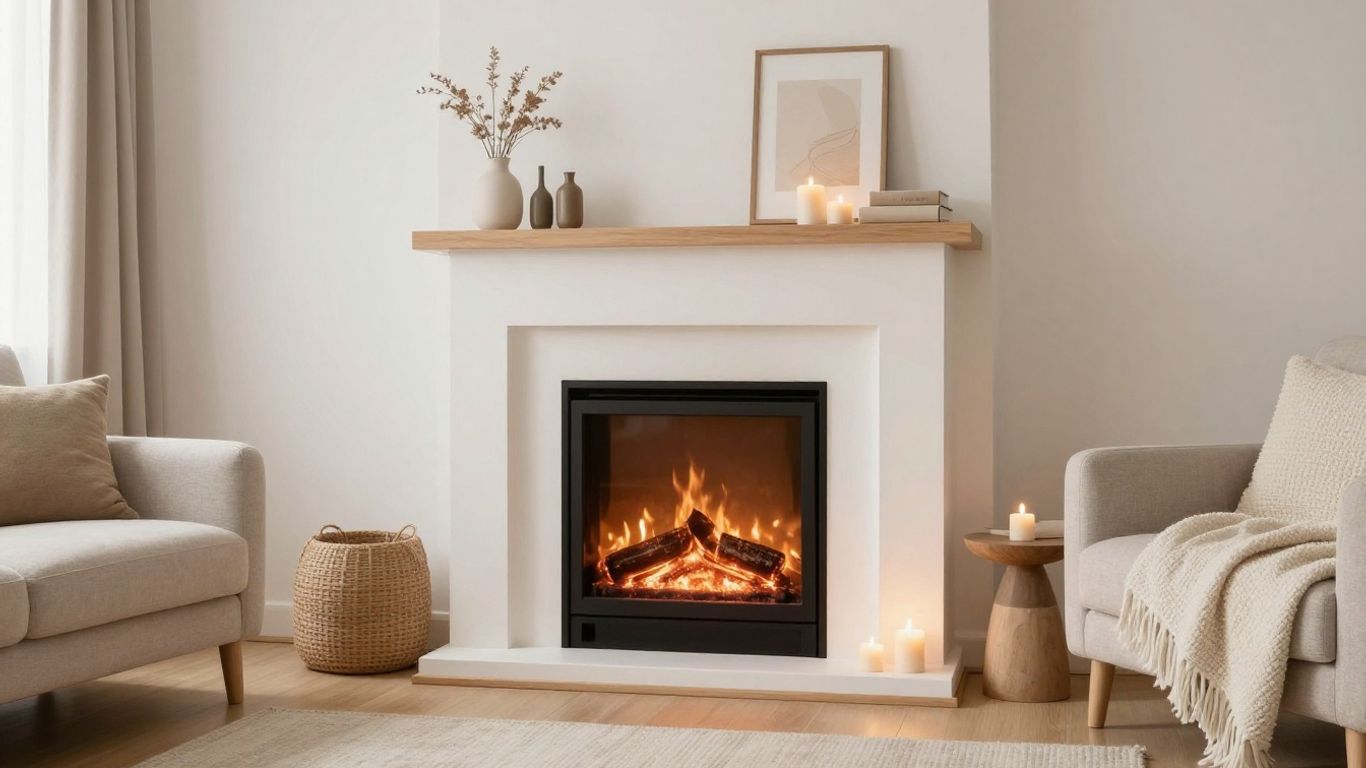
To truly embrace the spirit of hygge in your home, focus on these core principles of Scandinavian design. They’re simple but make a big difference in creating a cozy and inviting atmosphere.
Key Takeaways
- Hygge is all about creating a feeling of coziness, comfort, and contentment in your home.
- Soft, layered lighting, especially from candles and warm lamps, is key to a hygge ambiance.
- Incorporate natural materials like wood, wool, and plants to bring warmth and life indoors.
- A neutral color palette, focusing on soft whites, grays, and earthy tones, promotes tranquility.
- Functional, comfortable furniture and personal touches make a space feel truly lived-in and loved.
Understanding the Essence of Hygge in Scandinavian Home Decor Design

So, what exactly is this "hygge" thing we keep hearing about? Pronounced "hoo-ga," it’s a Danish concept that’s really about creating a feeling of coziness and contentment. It’s not just about how your home looks, but more about how it feels – a place where you can truly relax and enjoy the simple things. Think of it as a lifestyle choice, a way to bring more warmth and happiness into your everyday life, especially when the weather outside isn’t cooperating.
Defining Hygge: Coziness and Contentment
At its heart, hygge is about embracing comfort and well-being. It’s that feeling you get when you’re curled up with a good book and a warm drink on a chilly evening, or when you’re sharing laughter with loved ones around a dinner table. It’s about appreciating the present moment and finding joy in the ordinary. This focus on simple pleasures is what makes hygge so appealing. It’s less about grand gestures and more about creating an atmosphere that feels welcoming and safe.
The Philosophy Behind Hygge Decor
Hygge decor isn’t about following strict rules; it’s more of a philosophy. It encourages us to create spaces that are inviting and peaceful. This often means using soft lighting, natural materials, and comfortable textures. The goal is to make your home a sanctuary, a place where you can truly unwind and recharge. It’s about surrounding yourself with things that bring you joy and comfort, and keeping clutter to a minimum so you can focus on what truly matters. This approach aligns well with the broader principles of Nordic style.
Hygge as a Lifestyle Choice
Ultimately, hygge is more than just interior design; it’s a way of living. It’s about intentionally creating moments of connection and comfort in your daily routine. This could mean anything from lighting a few candles in the evening to making time for a quiet cup of tea. It’s about slowing down and appreciating the small joys. Embracing hygge means cultivating a sense of peace and happiness within your own home, making it a true haven from the outside world. It’s a conscious effort to find contentment in the everyday.
Creating a Cozy Ambiance with Lighting
Lighting is probably one of the most important parts of making a home feel cozy. It’s not just about seeing, it’s about how the light makes you feel. Think soft, warm, and inviting.
The Role of Candles and Fireplaces
Candles and fireplaces are the kings of hygge lighting. There’s just something about the flicker of a flame that instantly makes a space feel more intimate and warm. Gathering around a fireplace with loved ones is a classic hygge scene, creating a sense of togetherness and comfort. Even just a few strategically placed candles can transform a room, casting a gentle glow that chases away the harshness of overhead lights.
Layering Light Sources for Warmth
Don’t rely on just one light source. Layering different types of lighting creates depth and warmth. Think about having a main overhead light, but then adding table lamps, floor lamps, and maybe even some string lights. This way, you can adjust the lighting depending on the mood or activity. For example, you might want brighter light for reading but a softer, dimmer light for relaxing in the evening.
Choosing the Right Bulb Temperature
This is a detail that makes a big difference. Bulb temperature is measured in Kelvin (K). For a hygge feel, you want bulbs that are on the warmer side, typically between 2000K and 3000K. Anything too cool or blue can feel sterile and unwelcoming.
Here’s a quick guide:
- Warm White (2000K-3000K): Ideal for living rooms, bedrooms, and any space where you want to relax. This is your go-to for hygge.
- Cool White (3100K-4500K): Better suited for task lighting in kitchens or bathrooms where you need clear visibility.
- Daylight (5000K-6500K): Mimics natural daylight, good for workspaces but can feel too bright and stark for a cozy atmosphere.
The goal is to create a soft, inviting glow that makes you want to curl up with a good book or enjoy a quiet moment. It’s about making your home a sanctuary from the outside world, and lighting plays a huge part in that.
When you’re thinking about lighting, consider how you use each room. A bedroom might benefit from dimmable lamps on either side of the bed for a relaxing escape, while a living room could have a mix of floor lamps and accent lighting to create a welcoming vibe for guests. It’s all about creating different zones of light to suit your needs throughout the day and evening.
Embracing Natural Elements and Textures
Scandinavian design really leans into the beauty of the natural world, and that’s a big part of what makes it feel so calming. It’s about bringing the outside in, using materials that feel good to touch and look at. This connection to nature is key to creating that cozy, hygge vibe.
Incorporating Natural Textiles
Think about fabrics that feel soft and inviting. Linen, cotton, and wool are your best friends here. They’re not just comfortable; they add a lovely depth and visual interest to a room. You can use them in so many ways:
- Throws and blankets: Drape a chunky knit throw over your sofa or a soft wool blanket at the foot of your bed. It’s an instant invitation to get comfortable.
- Cushions: Mix and match textured cushions on your seating. Different weaves and materials add layers of coziness.
- Curtains and upholstery: Opt for natural fiber curtains that let in soft light, or choose upholstery in materials like linen or textured cotton for your furniture.
These textiles help soften the clean lines often found in Scandinavian furniture and add a much-needed sense of warmth. It’s all about creating a tactile experience that makes your home feel more lived-in and welcoming. You can find some great examples of hygge furniture that incorporate these materials beautifully.
The Beauty of Wood and Stone
Wood is practically a cornerstone of Scandinavian style. It brings an organic warmth that’s hard to replicate. Light-toned woods are popular, but don’t shy away from richer tones either. You’ll see wood used in flooring, furniture, and even decorative accents. Think about wooden bowls, cutting boards, or picture frames.
Stone is another fantastic material. It adds a grounding, earthy feel. This could be a stone feature wall, a slate hearth, or even just small decorative items like stone coasters. The contrast between the smooth, cool feel of stone and the warmth of wood is really appealing. It’s a way to add texture without overwhelming the space.
Using natural materials like wood and stone connects your home to the outdoors, creating a sense of peace and stability. It’s a simple yet powerful way to make your living space feel more grounded and authentic.
Bringing the Outdoors In with Plants
Adding plants is such an easy way to inject life and color into a neutral space. Greenery provides a vibrant contrast and makes a room feel fresh and alive. You don’t need a huge jungle; even a few well-placed plants can make a big difference. Consider:
- A statement plant: A larger potted plant in a corner can really anchor a room.
- Window sill collection: A few smaller plants on a windowsill add charm and bring in natural light.
- Hanging plants: These can add vertical interest and a touch of whimsy.
Plants not only look good, but they also contribute to a healthier indoor environment. They are a simple, natural way to add personality and a touch of the outdoors to your Scandinavian home design.
The Power of a Neutral Color Palette
When we talk about hygge and Scandinavian design, the first thing that often comes to mind is a calm, soothing color scheme. And for good reason! Neutral colors are the backbone of this cozy aesthetic, creating a peaceful backdrop that lets other elements shine. Think of it as a blank canvas for comfort. It’s not about being boring; it’s about creating a serene environment where you can truly relax and feel at home. This approach helps streamline your space, making it feel more cohesive and less cluttered, which is a big part of the hygge vibe.
Achieving Tranquility with Neutrals
Using neutrals is all about building a sense of calm. They don’t shout for attention; instead, they create a quiet foundation. This makes it easier to layer in textures and personal touches without the space feeling overwhelming. It’s a simple way to make your home feel more like a sanctuary. This design philosophy is adaptable to many living situations, whether you’re in a small apartment or a larger house.
Shades Beyond White and Beige
Don’t get stuck thinking neutrals only mean plain white or beige. There’s a whole spectrum to play with! Consider soft grays, warm taupes, muted creams, and even gentle earthy tones. These shades add depth and character without introducing harshness. Mixing different neutral tones can create a sophisticated and inviting look. For example, a room with a creamy white wall, a light gray sofa, and some tan accents can feel incredibly rich and welcoming. It’s about finding the right balance for your personal taste.
Warm Woods and Stone Accents
To really bring the hygge feel to life within a neutral palette, incorporating natural materials is key. Warm woods, like oak or ash, bring an organic warmth that pairs beautifully with soft colors. Think about wooden furniture, flooring, or even decorative accents. Stone elements, whether it’s a stone feature wall or smaller decorative pieces, add a grounding, natural texture. These materials not only look good but also add a tactile quality that enhances the cozy atmosphere. They are a great way to bring the outdoors in, complementing the Scandinavian interior design principles.
The goal with a neutral palette is to create a space that feels both grounded and airy. It’s about finding that sweet spot where simplicity meets warmth, allowing your home to be a true haven.
Functional and Sentimental Furnishings
When we talk about hygge in home decor, it’s not just about looking pretty; it’s about how things feel and how they work for you. This means choosing furniture that’s both practical for everyday life and holds a special place in your heart. Think about pieces that can do double duty, like a sofa that easily converts into a guest bed, or a coffee table with hidden storage. It’s about making your space work harder without feeling cluttered.
Multipurpose Furniture for Versatility
In smaller homes, or even just in busy households, furniture that serves more than one purpose is a lifesaver. It helps keep things tidy and makes rooms feel bigger. A good example is a storage ottoman; it’s a footrest, extra seating, and a place to stash blankets or magazines. Or consider a sleek daybed that works as a sofa during the day and a bed at night. This kind of smart design is a hallmark of Scandinavian furniture style, where every piece is meant to be useful and beautiful.
Integrating Personal and Heirloom Items
Hygge is deeply personal. While Scandinavian design often leans towards minimalism, it doesn’t mean your home has to feel sterile. It’s actually the opposite! It’s about surrounding yourself with things you love. This could be a collection of books that tell a story about your interests, or perhaps a piece of art passed down from your grandparents. These items add warmth and character, making your space uniquely yours. Don’t be afraid to display that quirky vase your aunt gave you or that handmade quilt from your grandmother; these are the things that truly make a house a home.
The Appeal of Curved Furniture Shapes
While clean lines are a staple, don’t shy away from furniture with softer, curved edges. These shapes can add a gentle flow to a room, breaking up the sometimes stark geometry of straight lines. Think about a sofa with rounded arms, a circular coffee table, or even mirrors with organic shapes. These elements introduce a sense of comfort and visual interest, making the space feel more inviting and less rigid. It’s a subtle way to add a touch of modern elegance that complements the overall functional design principles.
Hygge is about creating a feeling of comfort and contentment. It’s about making your home a sanctuary where you can relax and recharge. This means choosing furniture that is not only beautiful but also comfortable and practical for your lifestyle. It’s about creating a space that feels lived-in and loved, filled with items that bring you joy and peace.
Designing Hygge Spaces Throughout Your Home

So, you’ve got the general idea of hygge down – think cozy, comfortable, and content. But how do you actually bring that feeling into different rooms? It’s not just about one perfect corner; it’s about weaving that hygge vibe throughout your entire living space. Let’s break down how to make each area feel like a warm hug.
Creating a Hygge Bedroom Retreat
Your bedroom should be your ultimate sanctuary, right? For a hygge bedroom, the focus is on making it a place where you can truly unwind. Think soft, layered bedding – maybe a chunky knit throw over your duvet, and plenty of plush pillows. Lighting is key here too. Instead of harsh overhead lights, opt for bedside lamps with warm bulbs or even some gentle string lights draped around the headboard. A small rug by the bed adds instant warmth underfoot. The goal is to create an environment that encourages rest and peaceful mornings.
Transforming Bathrooms into Spas
Who says bathrooms can’t be hygge? We can definitely make them feel more like a personal spa. Start with textures: fluffy towels, a soft bath mat, maybe even a wooden stool. Dimmer switches or wall sconces with warm light bulbs can change the whole mood. Keep clutter to a minimum – a tidy space feels more calming. Consider adding a small plant or a scented candle (safely placed, of course) to bring in a touch of nature and a relaxing aroma. It’s about turning a functional space into a little escape.
Cozy Nooks for Relaxation
Every home can benefit from a dedicated cozy nook. This is your personal spot for reading, sipping tea, or just quiet contemplation. It doesn’t need to be large; a comfortable armchair by a window with a soft blanket and a small side table for your book and mug is perfect. You can even create a floor nook with large cushions and a pile of blankets. The key is to make it feel inviting and separate from the main hustle and bustle of the house. Think of it as your personal hygge haven within your home, a place to recharge and find a moment of peace. It’s amazing how much joy a small, intentional space can bring into your daily life. You can find more ideas on creating these inviting spaces by looking at Scandinavian home decor.
Hygge is about appreciating the simple pleasures and creating a sense of contentment in your everyday surroundings. It’s less about grand gestures and more about cultivating a feeling of warmth and well-being in the spaces you inhabit.
Conclusion
Bringing hygge into your home through Scandinavian decor is more than just a style choice; it’s a way of life. It’s about creating spaces that feel warm, inviting, and deeply personal. By focusing on soft lighting, natural elements, cozy textures, and a calm color palette, you can transform your living areas into havens of comfort and contentment. Remember, hygge is about appreciating the simple joys and making your home a place where you and your loved ones can truly relax and connect. So go ahead, embrace the hygge lifestyle and let its warmth fill your home.
Frequently Asked Questions
What exactly is hygge?
Hygge (pronounced HOO-gah) is a Danish and Norwegian word. It’s not just about things, but more like a feeling. Think of it as a mood of coziness, comfort, and feeling really content and happy, especially when you’re at home with people you care about.
How can I make my home feel more hygge?
You can make your home more hygge by adding soft lighting, like candles or lamps, using comfy textures such as blankets and pillows, and bringing in natural things like plants or wooden items. It’s about making your space feel warm and welcoming.
What colors are best for Scandinavian home decor design?
For a hygge feel, stick with neutral colors. Think soft whites, light grays, muted blues, and warm beige tones. These colors help create a calm and peaceful atmosphere, which is what hygge is all about.
Do I need a fireplace to have hygge?
While a fireplace definitely adds to the cozy vibe, it’s not a must-have. You can create a similar warm and inviting feeling with lots of candles, warm lighting from lamps, and soft blankets. The goal is warmth and comfort, however you get it.
What kind of furniture fits the hygge style?
Look for furniture that is comfortable and functional. Pieces made from natural materials like wood are great. Think soft sofas you can sink into, cozy chairs, and maybe some items that can serve more than one purpose to keep things tidy and practical.
Is Scandinavian decor all about being minimalist?
Scandinavian design does lean towards simplicity and being clutter-free, which fits well with hygge. However, hygge also encourages adding personal touches. So, while keeping things tidy, don’t be afraid to include sentimental items like books, photos, or heirlooms that make your space feel like yours.


Leave a Reply