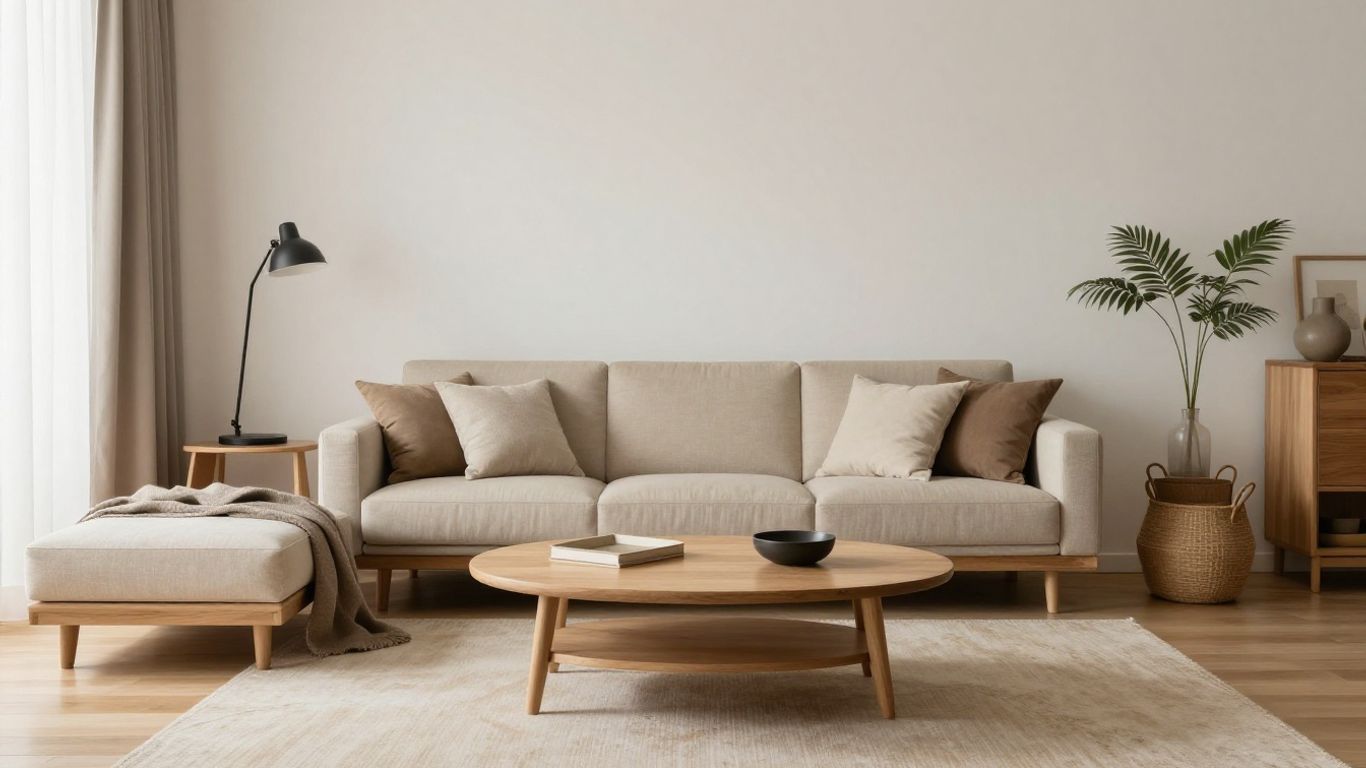
Key Takeaways
Creating a cohesive home environment balances your unique preferences with functional needs. This approach ensures your space feels intentional, welcoming, and built to last.
- Define your aesthetic before purchasing items to maintain visual unity.
- Select multifunctional furniture to maximize small-footprint living areas.
- Use the rule of three to organize decor for a balanced display.
- Prioritize high-quality materials to ensure your investments stand the test of time.
- Mix second-hand finds with new elements to create a grounded, authentic look.
Identifying your personal design aesthetic
Designing a home starts with understanding what truly makes you feel comfortable in a space. Taking the time to curate your vision prevents the cluttered feeling of mismatched trends. By focusing on your core preferences early, you build a foundation that guides every future purchase.
Determining your preferred color palette
Choosing colors is about understanding how light interacts with your rooms throughout the day. Start by collecting samples of paint, fabrics, or wallpaper that resonate with you, observing how they change under morning versus evening light. Developing a consistent theme allows you to repeat tones across different rooms.
Balancing various textures and materials
An inviting room rarely looks flat, and adding depth is often about mixing surfaces. You might incorporate soft rugs, polished stone, or raw timber to generate a tactile experience. For those looking for elevated textures, Surfaces Galore offers premium marble and travertine surfaces that act as a sophisticated anchor for any room design.
Researching different interior design styles
Most people gravitate toward a blend of influences rather than a single pure style. Browse archives of architectural photography to identify which furniture silhouettes or layouts catch your eye. Whether you prefer the clean lines of minimalism or the layers of bohemian design, finding your niche helps you filter out unnecessary home goods & decor that would otherwise clutter your living space.
Selecting essential home goods for functional living
Functionality forms the backbone of a successful home layout. When you select items that serve a clear purpose, you reduce waste and improve your quality of life. Even the most beautiful room feels hollow if it fails to support your daily habits.

Prioritizing multifunctional furniture pieces
When choosing furniture, assess how many roles a single item can play in your life. A sturdy bench might serve as entryway seating while offering hidden storage beneath for bags or shoes. This proactive approach to choosing furniture prevents over-crowding and keeps your floor space free for movement.
Integrating hidden storage solutions
Clutter is the primary enemy of a balanced home, so finding ways to tuck away items is essential. Consider these common solutions for maximizing your room’s utility:
| Storage Type | Best Use Case | Benefit |
|---|---|---|
| Ottoman with lid | Living room | Hides blankets and remotes |
| Bed frame drawers | Bedroom | Manages seasonal clothing storage |
| Floating wall shelves | Office area | Keeps work surfaces clear |
Using these hidden compartments ensures your living areas remain calm and inviting even during busy weeks.
Investing in high-quality kitchen and dining basics
Durability is paramount when selecting items you use multiple times every single day. If you are considering how these renovations influence long-term investment, the Bathroom ROI Guide provides insights into home renovation ROI and how material quality affects property value over time. Focusing on well-made classics ensures you aren’t replacing foundational items after only a few seasons.
Styling decorative accents for visual impact
Decor serves as the finishing layer that communicates your personality to others. By carefully styling these final accents, you turn a house into an organized, cohesive home environment. This step is where comfort meets artistic expression.

Using soft textiles to layer rooms
Textiles act as the visual bridge between your wall paint and your furniture. Whether you drape a throw over a chair or select thick, textured rugs, these elements dampen noise and soften hard edges. Layering fabrics in neutral tones allows you to inject seasonal color through smaller, removable pieces.
Choosing statement lighting fixtures
Lighting dictates the atmosphere of a room more than perhaps any other single element. Aim to source fixtures that serve as a focal point, such as oversized pendants or architectural lamps. Positioning light sources at various heights creates a welcoming and warm ambiance that makes a space feel finished and well-considered.
Applying the rule of three to displays
Grouping objects in odd numbers is a classic technique that creates a sense of natural fluidity. When arranging decor on a mantle or coffee table, vary the height of the items to guide the eye across the display. This simple trick prevents items from looking stagnant or randomly placed.
Navigating budget-friendly decor updates
Updating your home does not require an infinite budget, provided you are willing to get creative. Many effective changes rely more on labor and design sense than on expensive product purchases.
Refreshing spaces with paint and hardware
Small changes often produce the most significant visual impact in a room. Simply replacing standard cupboard knobs with vintage-inspired hardware or applying a fresh coat of low-VOC paint can completely transform your kitchen or hallway. These updates refresh an existing space for a fraction of the cost of new cabinets or furniture.
Shopping vintage and second-hand markets
Scouring local thrift stores or online resale markets can reveal pieces with more character than anything found in a modern catalogue. The goal here is to find timeless shapes that can be revitalized with a minor repair or a new finish. You will find that these older builds often feature superior joinery compared to modern alternatives.
Leveraging seasonal sales events
Strategic shopping saves money on high-end items that you only need occasionally. Subscribe to newsletters from local boutiques to track when they transition their collections, which often triggers significant markdowns. Planning your purchases around these windows ensures you acquire quality home goods & decor without paying retail premiums.
Prioritizing longevity in home goods & decor
Longevity is the ultimate goal of a thoughtful home. When you focus on items that last, you reduce the need for constant updates and contribute to a more sustainable way of living.
Sourcing durable and sustainable materials
Natural materials like linen, wool, and solid wood improve with age rather than degrading. Avoid mass-produced synthetic materials that lose their structure after limited use. Investing in quality from the start is a practice that saves both time and money in the long run.
Evaluating pieces for timeless appeal
Before you buy a new item, ask yourself if it will fit your life five years from now. Trends shift quickly, but classic silhouettes tend to remain stylish across different phases of your life. A simple test is to imagine the item in a completely different room setting to see if it remains versatile.
Supporting local and artisanal makers
Buying from local creators ensures that your decor has a story and often guarantees a higher level of construction. Artisanal makers frequently use locally sourced wood or traditional techniques that ensure their work survives heavy use. You get the benefit of a unique item while directly supporting the craft in your own community.
Conclusion
Curating a cohesive home is an ongoing process of refining your choices to match your evolving lifestyle. By prioritizing high-quality items, choosing multifunctional furniture, and trusting your design radar, you will build a sanctuary that functions as beautifully as it looks. Remember that the goal is not perfection, but rather creating a space that feels deeply personal and perfectly useful for your daily life.
Frequently Asked Questions
How often should I update my home decor?
You do not need to update your decor on a strict schedule. Instead, make changes as your lifestyle needs evolve or when you grow tired of your current arrangement.
Is it okay to mix different furniture styles?
Mixing styles is actually encouraged to create a more dynamic and personalized look. As long as you maintain a consistent color palette, blending modern pieces with vintage items creates a more interesting visual story.
How can I make a small room feel bigger?
Use light-colored walls, oversized mirrors to reflect light, and lift furniture off the floor using legs to create an airy sense of space. Keeping surfaces clear also helps prevent a small room from feeling crowded.
What are the best materials for high-traffic areas?
Prioritize materials that are easy to clean and resist wear, such as wool for rugs, hardwood for floors, and durable performance fabrics for sofa upholstery.
How do I find my own interior design style?
Spend time gathering images of rooms you love into a digital or physical folder. Over time, you will start to see patterns in colors, textures, and furniture shapes that define your personal aesthetic.
Can I afford to decorate my home on a small budget?
Absolutely, as most of the impact comes from curating and arranging rather than buying new. Paint, second-hand furniture finds, and DIY hacks are highly effective ways to change a room’s look without overspending.
Why does every interior designer recommend the rule of three?
The rule of three creates a balanced, asymmetrical triangle that is more visually pleasing to the human eye. It avoids the rigidity of pairs while preventing the chaos of adding too many items to one spot.


Leave a Reply