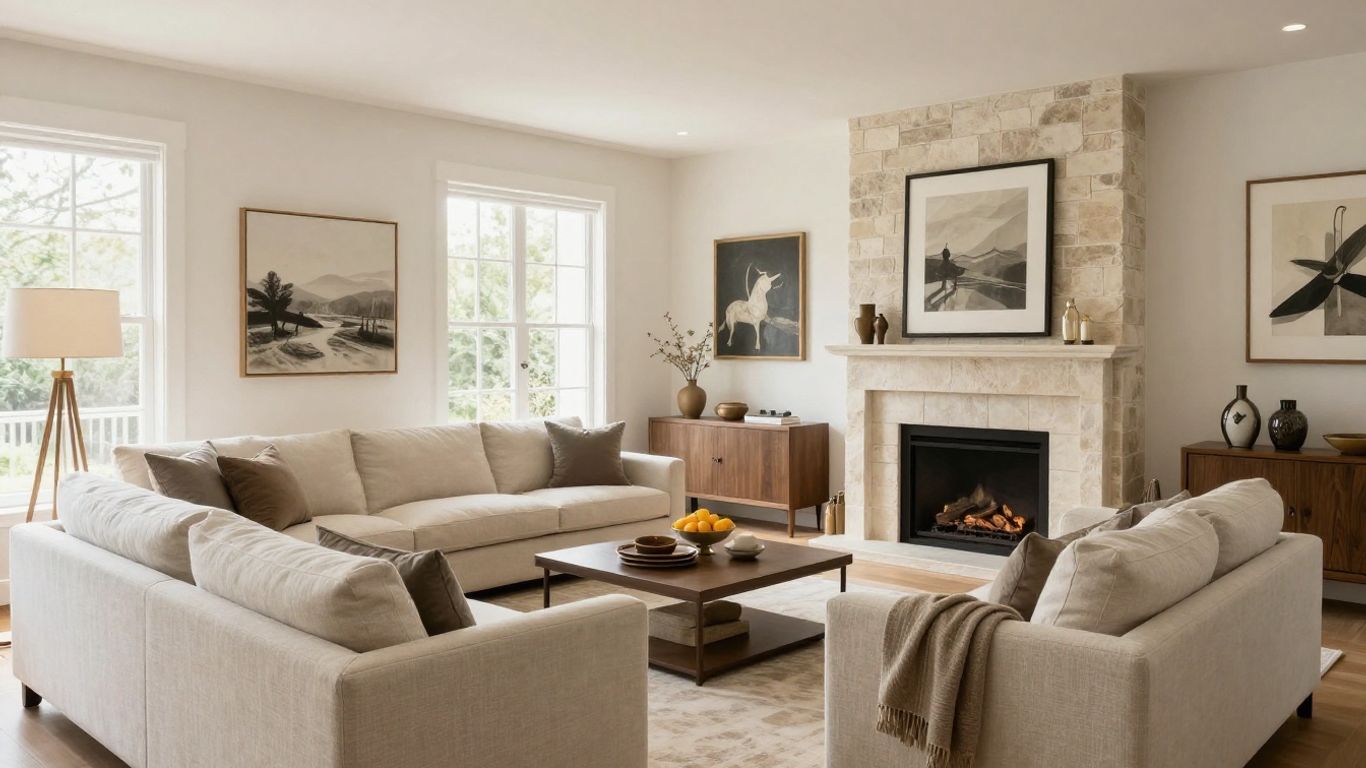
Key Takeaways
Creating a refined home environment relies on deliberate choices rather than expensive clutter. Achieving a sophisticated residence involves balancing texture, light, and high-quality materials to build lasting character.
- Prioritize authentic materials like stone and natural fibers over synthetic alternatives.
- Use tiered lighting to manipulate the mood and function of your living space.
- Integrate unique, large-scale art to establish immediate focal points in any room.
- Balance different textures and monochromatic tones to foster depth and warmth.
- Focus on craftsmanship and provenance when selecting furniture or statement pieces.
Defining the foundation of luxurious home decor
Creating a truly elegant living space begins with a clear vision that rejects disposable trends in favor of intentional living. This shift encourages homeowners to focus on the emotional resonance of their furniture and accents rather than the pure purchase price. By curating a cohesive style through a thoughtful design narrative, you transform a dwelling into a sanctuary that speaks to your personal history.
The shift from opulence to quiet luxury
Modern elegance no longer equates to gilded excess or brand-heavy displays. Instead, it finds expression in subtle details, high-quality finishes, and an absence of visual clutter that allows objects to breathe. This approach emphasizes comfort and the tactile satisfaction of a well-designed home.
Prioritizing craftsmanship over mass production
True value is found in items shaped by human hands or those constructed using traditional techniques that withstand the passage of time. When shoppers seek out unique handcrafted sculptures, they secure pieces that tell a story while supporting sustainable artisanal economies. Investing in lasting quality is a cornerstone of this philosophy, ensuring your home remains timeless rather than dated.
Curating a cohesive interior design narrative
Designing with purpose means that every selection should relate back to a single, harmonizing theme. Whether you lean toward organic contemporary or refined traditionalism, maintain consistency in your silhouettes and color stories. This prevents spatial chaos and ensures each room feels like an intentional chapter in your home’s total story.
Selecting high-end materials for lasting appeal

Selecting materials that age gracefully is the hallmark of sophisticated residential design. High-end textiles and authentic geological elements imbue a space with grounding warmth that synthetic substitutes simply cannot replicate. Approaching your finishes with a discernment for raw, tactile authenticity ensures a foundation that will remain relevant for decades.
Incorporating natural stone and marble accents
Natural stone brings an element of permanence and refined texture to kitchen or bathroom surfaces. When searching for natural stone tiles specifically tailored to high-end projects, focus on the variation in veining and the finish of the slab. Honed marble or brushed travertine provides a grounded feel that feels more organic than high-gloss solutions.
Utilizing noble metals like brass and bronze
The integration of warmer metals introduces a sense of history and depth that bright chrome often lacks. Brass and bronze hardware develop a soft patina over time, which speaks to the lived-in, authentic nature of a thoughtfully considered home. Small updates, like door pulls or light fixtures, can define the entire mood of a space.
The importance of high-quality natural textiles
Textiles represent the final layer of comfort for any seating area or bedroom. Utilizing high-quality wool, linen, and silk adds essential softness that anchors the colder surfaces of stone and metal often used in modern layouts.
Sustainable luxury through ethically sourced wood
Wood selection serves as a bridge between the natural world and modern architecture. Prioritizing certified sustainable timber ensures your furniture choices reflect ethical health choices for the broader environment while providing structural strength.
Designing with sophisticated lighting schemes

Lighting functions as the skeleton of any room, dictating how colors are perceived and where the eye is guided. An effective lighting plan avoids singular, harsh overhead sources in favor of a layered approach that caters specifically to the activity occurring in any given moment. Proper illumination is the invisible hand that makes high-end decor look professional.
Layering ambient, task, and accent lighting
To balance utility with atmosphere, designers often implement a three-tiered lighting setup that addresses varied needs throughout the day. The components are summarized in the table below:
| Lighting Type | Primary Purpose | Example Fixture |
|---|---|---|
| Ambient | General room illumination | Recessed LED arrays |
| Task | Focused work lighting | Adjustable reading wall lamps |
| Accent | Highlighting decor features | Gallery picture lights |
Selecting sculptural light fixtures as focal points
Lighting serves as art when chosen for its unique form and aesthetic presence. A sculptural pendant or a dramatic chandelier can redefine the center of a room as much as a centerpiece table or a fireplace, acting as a visual anchor while providing gentle, directional light.
Using smart controls for dynamic mood adjustment
Modern technology allows for precise manipulation of light intensity and color temperature without human intervention. By integrating automated scene controls, you can shift from a bright, productive workspace during the day to a dim, intimate setting for evening dining with a simple voice or app command.
Incorporating art and statement decor pieces
Art serves as the soul of the home, providing a contrast to the functional lines of architecture and standard furniture. By choosing pieces that evoke genuine emotion, you move away from generic department store aesthetics toward a truly curated collection. Including unique works ensures every corner of the house feels specific to your life.
Sourcing unique works from contemporary artists
Engaging directly with creators allows you to personalize your environment with authentic expressions. This process often yields pieces that are conversation starters, infusing your rooms with a vibrancy that mass-manufactured prints fail to achieve.
Integrating large-scale art for visual impact
One large piece often holds more design authority than several small ones cluttered together on a wall. To maximize impact, focus on size and scale within your floor plan to establish a clear focal point. Common effective wall decor strategies include:
- Installing a floor-to-ceiling modern canvas in a sparse hallway.
- Using oversized gilded mirrors to reflect natural light sources.
- Hanging textile art to dampen sound while adding texture.
- Selecting bold, abstract sculptures that command the room’s energy.
Styling transitional spaces for a curated aesthetic
Corridors, entryways, and landings provide the perfect areas for transition between primary living spaces. These areas should be treated with the same care as the main rooms, utilizing small consoles or curated vignettes to guide guests through your home and connect the narrative thread.
Balancing color palettes and room textures
Creating a cohesive home depends on how you manipulate color and sensation in tandem. A balanced room is rarely just a collection of matching shades; it is a careful composition that recognizes the need for varying depths and weights within the visual field.
Working with monochromatic schemes to create depth
Monochromatic palettes focus the viewer on material variation rather than color contrast. When you use multiple shades of the same base color, the eye begins to notice the difference between woven grasscloth, polished stone, and velvet fabric, which adds a sophisticated visual complexity.
Introducing tactile variety to prevent visual monotony
Mixing surfaces like marble, wood, wool, and brass prevents a room from feeling flat. A space that combines too many identical finishes will feel stale regardless of how high-quality the items are; contrast is the antidote to visual exhaustion.
Blending warm and cool tones for a balanced environment
Effective design often marries the sharpness of cool materials, like white stone, with the softness of warm elements, such as earth-toned upholstery. This delicate dance keeps a space fresh while ensuring it still feels inviting enough to relax in at the end of the day.
Conclusion
Curating a luxurious home is an ongoing process of refining your preferences and investing in items that speak to your personal aesthetic. By prioritizing high-grade materials, tiered illumination, and a sense of visual balance, you create an environment that feels both sophisticated and deeply personal. True luxury is found in the longevity of these choices, ensuring your home remains a thoughtful reflection of your tastes for years to come.
Frequently Asked Questions
How do I define my personal decor style?
Start by collecting images of spaces that resonate with you, looking for common themes in color and furniture shape. Once you have a collection, look for patterns in what you favor, such as minimalism, warm traditionalism, or eclectic layered designs, to form your baseline.
What are the best materials for a durable but elegant home?
Focus on natural materials such as solid wood, stone, wool, and linen. These materials age gracefully, develop character with use, and maintain structural integrity much longer than synthetic plastics or low-grade particle-board alternatives.
Why is lighting so important in home design?
Lighting dictates the perceived mood and usability of every room. Proper light management ensures you have enough visibility for fine tasks while maintaining the ability to lower the light levels for a cozy, intimate atmosphere.
How can I make a small space feel more luxurious?
Increase the feeling of scale by using large-scale art and multi-functional, slim-profile furniture to optimize floor area. Adding a few high-quality, oversized items instead of many small, cluttered decor objects helps the space appear expansive rather than packed.
Where should I look for unique statement art?
Look for pieces from local contemporary artists, art galleries, and curated luxurious home decor boutiques. Using art that is original, rather than mass-produced prints, will immediately give your space a bespoke, high-end feel.
Should I mix different metal finishes in one room?
Mixing metals can look very refined if approached with intention. Stick to two main finishes, such as brass and black iron, to ensure a cohesive look throughout the space, and avoid scattering too many clashing metallic tones in a small area.
How do I manage a budget for home decorating?
Allocate your budget toward high-impact investment pieces, such as a quality sofa or durable rugs, while saving on auxiliary decorative items like throw pillows or minor shelf accents. This allows you to prioritize quality where it matters most for daily comfort.


Leave a Reply