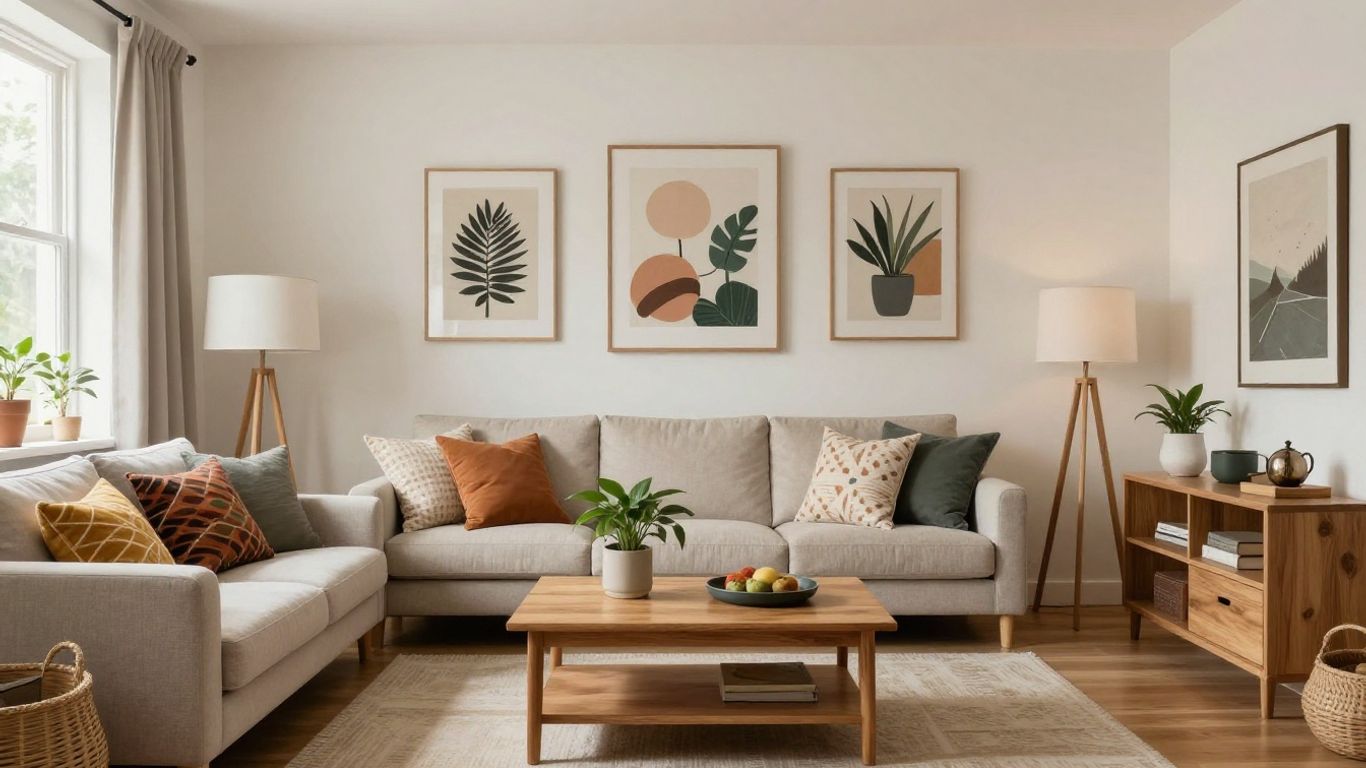
Key Takeaways
A stylish home/decor plan does not require a large budget or a perfectly finished house. Start with what supports your life, buy carefully, and let personality emerge through layers over time.
- Define a style direction before shopping.
- Spend first on comfort, function, and good proportions.
- Use color, lighting, and texture to create warmth.
- Choose accents that feel personal rather than merely decorative.
- Maintain, reuse, and improve pieces instead of chasing every trend.
Define your home/decor style and priorities
Good home/decor begins with observation rather than shopping. Notice what makes you pause in rooms, photographs, hotels, and shops, then look for patterns in those reactions. A clear direction helps you make fewer purchases and makes even an inexpensive room feel considered.
Identify the colors, textures, and materials you love
Start by collecting rooms and objects that appeal to you, without worrying whether they belong to one recognized style. You may find that warm wood, faded blue, linen, and aged metal keep appearing together. Pay attention to how those materials feel as well as how they look; a room should be pleasant to touch and live around.
A useful home decor planning guide can help you narrow down colors, materials, and statement pieces before you buy. Keep the final palette simple enough to repeat, with one or two contrasting materials to stop it from feeling flat.
Balance personal taste with everyday functionality
A room can be beautiful and still fail if it makes ordinary routines awkward. Think about where you drop keys, how you carry laundry, whether guests need somewhere to sit, and which surfaces must be easy to clean. Let your preferences shape the room, but allow real habits to shape the decisions.
For example, a delicate side table may be lovely beside a rarely used chair but frustrating next to the sofa where drinks and books collect. The best choices usually combine visual appeal with a small practical kindness.
Create a mood board from rooms and products you admire
A mood board can be as simple as a phone album or a page of clipped images. Include furniture, paint colors, fabrics, lighting, artwork, and details such as handles or trim. After gathering ten or twenty images, remove anything that feels attractive only in isolation.
When the remaining images share a visual rhythm, write down three descriptive words for it, such as calm, collected, and earthy. These words become a helpful filter when a sale or trend tries to pull you elsewhere.
Set practical goals for each room
Give every room a short purpose statement before making a purchase. A living room might need to support reading, conversation, and occasional movie nights, while a bedroom may need to feel quiet and uncluttered. Specific goals are easier to budget for than the vague wish to make a room “nicer.”
You can also borrow the idea of emotional architecture: a personal sanctuary guide offers a useful way to connect sensory details and personal meaning with design choices. The result should feel like your home, not a showroom assembled from unrelated images.
Build a realistic home/decor budget
A budget is not a restriction on creativity; it is a way to decide where creativity matters most. Separate the items that make a room usable from the pieces that simply add polish. Then leave some room for surprises, since delivery, installation, repairs, and small finishing details can change the total.

Separate essentials from decorative upgrades
Begin with safety, comfort, and function. A supportive mattress, a reliable table, useful storage, and suitable window coverings usually deserve attention before another vase or cushion. Once the basics work, decorative upgrades can make the room feel more complete without having to compensate for an uncomfortable layout.
Write two lists for each room: “needed to use the space” and “would make it more personal.” This simple distinction keeps a decorative purchase from quietly displacing something essential.
Prioritize high-impact purchases
Some purchases change the entire experience of a room. A well-sized rug can connect scattered furniture, good curtains can soften harsh light, and a comfortable chair can make an unused corner valuable. Choose improvements that affect how the room looks and how often you enjoy it.
Consider these questions before spending:
- Will I use this item several times a week?
- Does it solve a visible comfort or storage problem?
- Can it work if the room changes later?
- Does it improve more than one part of the space?
The answers help distinguish a lasting improvement from an impulse that happens to photograph well. Spend where daily life notices first, then save for the smaller details.
Compare quality, durability, and price
The cheapest option is not always the least expensive over time, but a higher price is not automatic proof of better construction. Look at materials, joinery, finish, care requirements, return terms, and the expected amount of use. For frequently handled pieces, durability matters more than a tiny difference in color.
| Purchase type | What to inspect | Budget question |
|---|---|---|
| Seating | Frame, support, fabric, comfort | Will it hold up to daily use? |
| Tables | Stability, surface, edge finish | Does it serve a real routine? |
| Lighting | Replaceable parts, controls, placement | Will it improve the room after dark? |
| Textiles | Fiber, washing, construction | Can it be cleaned and reused? |
This comparison makes price part of a broader decision rather than the only deciding factor. Sometimes a modest, repairable piece is the wiser choice; sometimes paying more for a heavily used item prevents another replacement next year.
Plan for gradual room-by-room improvements
Trying to finish an entire home at once often leads to mismatched compromises. Choose one room or one functional zone, complete the most important work there, and pause before moving on. Living with a space for a few weeks reveals what it is actually missing.
If a move is part of your plan, a Maple Ridge home-buying guide may also prompt useful questions about goals, timing, and the kind of space you need. Whether you rent or own, buying in stages protects your cash flow and gives your taste time to develop.
Choose foundational furniture and layouts
Furniture establishes the structure of a room before color and accessories enter the picture. A beautiful object cannot rescue a sofa that blocks a doorway or a dining table that leaves no space to pull out chairs. Start with measurements, movement, and the ways people naturally gather.
Measure rooms before buying furniture
Measure the room, doorways, stairwells, elevators, and any tight turn between the entrance and final destination. Note windows, radiators, outlets, and doors that need to open fully. Keep those measurements on your phone so browsing never becomes a guessing game.
Use painter’s tape or folded paper to mark a proposed footprint on the floor. Walking around it gives you a better sense of scale than viewing dimensions on a product page.
Create a layout that supports movement and conversation
A practical layout leaves clear paths through the room and gives seats a reason to face one another. In a living room, avoid pushing every piece against the wall simply because the center feels empty. A rug, console, or small table can help define a gathering area while preserving circulation.
Think about the first and last steps of ordinary activities. If a reading chair needs a lamp, or a dining table needs space for serving, include those relationships in the plan rather than adding them later.
Select versatile pieces for changing needs
Versatility is especially valuable in smaller homes and shared spaces. An ottoman can provide seating, a footrest, or a tray-topped table; a narrow cabinet can store office supplies today and linens later. Look for pieces that can move rooms without looking stranded.
Flexibility does not mean every item must be neutral. A distinctive chair or colorful cabinet can remain useful for years if its scale and construction are sound.
Avoid common scale and proportion mistakes
A room often feels wrong because its furniture is too small, not because it lacks decoration. Tiny art above a large sofa, a small rug floating in the middle of a seating group, or a low lamp beside a tall bed can make the whole arrangement feel disconnected.
Group related pieces by visual weight. A large sofa may need a substantial coffee table and artwork with enough presence to balance it, while a compact room benefits from fewer, lighter forms rather than many undersized objects.
Layer color, lighting, and texture
Once the foundations are comfortable, sensory layers give a room its atmosphere. Color establishes a mood, lighting changes how surfaces are read, and texture keeps a restrained palette from becoming dull. These elements work best when added gradually and judged in morning, afternoon, and evening light.

Choose a cohesive color palette
Choose one dominant color family, a secondary supporting tone, and a small accent color. The palette can be quiet or energetic, but repeating colors in different materials makes it feel intentional. A clay-colored cushion, for instance, may connect with a ceramic vase and a warm undertone in the artwork.
Paint samples should be viewed beside flooring, upholstery, and trim rather than alone. Natural and artificial light can shift a color dramatically, so live with samples before committing to a full wall.
Combine ambient, task, and accent lighting
Ambient lighting provides general visibility, task lighting supports activities such as reading or cooking, and accent lighting draws attention to artwork or architectural details. A room feels more flexible when it has more than one layer instead of a single bright ceiling fixture.
Place lights where tasks actually happen, and use warmer, softer sources where you want people to linger. Dimmers and movable lamps are relatively small changes that can make an existing room feel more adaptable.
Add depth with rugs, curtains, and soft furnishings
Textiles bring softness, sound absorption, and visual weight. Curtains can make windows feel taller, a rug can anchor furniture, and throws can introduce a color or pattern without committing to a major replacement. Choose fabrics according to use: washable materials are sensible in busy rooms, while delicate ones may suit quieter areas.
Layering works when each piece contributes a different scale or feel. Several nearly identical textures can look lifeless, while a mix of smooth, nubby, matte, and lightly reflective surfaces creates depth.
Mix materials without making the room feel cluttered
Material variety is most successful when the shapes remain calm. Pair wood with metal, glass with woven fibers, or painted surfaces with stone, but repeat at least one material so the room has continuity. Leave some open space between contrasting objects instead of filling every surface.
A useful test is to remove one item and see whether the room becomes clearer. If it does, the piece may be competing rather than contributing, even if it is attractive on its own.
Select decorative accents with intention
Decorative accents are the layer that makes a room specific to the people living there. They should not all arrive at once or match perfectly. A collected room usually includes a balance of useful objects, visual pauses, and a few pieces with a story behind them.
Use artwork and mirrors to shape the room
Artwork can establish scale, color, and emotional tone, while mirrors can bounce light and make a narrow area feel more open. Hang pieces with the center near eye level, adjusting for furniture and the height of the people who use the room. A small work can feel substantial when grouped with related pieces.
Choose the frame and placement as carefully as the image. A simple print can look deliberate in a substantial frame, and a mirror may be more effective where it reflects light or a pleasing view rather than a blank wall.
Style shelves, tables, and surfaces
Begin with the largest object on a surface, then add a medium piece and one or two smaller details. Vary height without creating a row of unrelated items. Trays, bowls, and boxes can gather everyday necessities so practical objects feel contained rather than scattered.
For inspiration, browse McGee & Co. for examples of decorative objects, baskets, trays, and other pieces arranged with both visual interest and function in mind. Adapt the principle to what you already own instead of copying an entire display.
Add plants and natural elements
Plants add movement, color, and a sense of life, but they should suit the available light and your ability to care for them. A single large plant can define an empty corner more effectively than several tiny pots. Branches, shells, stones, woven fibers, and wood can also introduce natural variation.
Natural elements do not need to look rustic. A polished stone bowl or a sculptural branch can sit comfortably in a modern room when its shape relates to the surrounding furniture.
Display meaningful objects instead of generic clutter
A home feels more personal when its visible objects connect to memory, craft, travel, family, or a genuine interest. Rotate collections rather than displaying everything at once. This gives each piece room to be noticed and keeps shelves easier to dust.
ABC Carpet is one example of a source for distinctive decorative accents and functional design elements, but meaningful objects can come from anywhere. The strongest arrangement may include a thrifted bowl, a child’s drawing, and a well-used book beside a carefully chosen piece of art.
Make home/decor choices more sustainable
Sustainability in home/decor is often less about finding a perfect product and more about extending the useful life of what you already have. Buy fewer things, choose pieces that can adapt, and care for them consistently. A room does not need constant novelty to remain engaging.
Shop secondhand and repurpose existing pieces
Before shopping, walk through your home with fresh eyes. A side table may work as a nightstand, an old frame may become a mirror surround, and a spare curtain may provide fabric for cushions. Secondhand shopping can add character while keeping serviceable objects in use.
Repair, repaint, re-cover, or rearrange before replacing. Even a small change in hardware or placement can make a familiar piece feel newly relevant.
Choose durable materials and timeless designs
Look for construction that can withstand the way you use it, not just materials that sound premium. Solid connections, replaceable components, washable covers, and finishes that can be repaired all support longer ownership. Timeless does not mean plain; it means the piece can live through more than one decorating phase.
For a broader perspective on natural fibers and lower-impact care, explore this natural-fibre wardrobe guide. The same habits—buying useful pieces, understanding materials, and caring for them gently—translate well to household textiles.
Reduce waste from trends and impulse purchases
A trend can be enjoyable without becoming a shopping command. Wait a few days before buying a nonessential piece, and ask where it will go, what it replaces, and whether it works with at least three things you own. If you cannot answer those questions, save the image rather than placing the order.
[||||
|—|—|
|Seasonal decoration|Rotate a small stored collection|
|Small furniture|Choose pieces that serve several rooms|
|Textiles|Buy washable, repairable options|
|Artwork|Support work you will enjoy for years|
||||]
The compact framework above keeps enthusiasm from turning into excess. You can still refresh a room, but the refresh becomes deliberate rather than disposable.
Maintain and refresh decor for long-term use
Dusting, tightening hardware, washing textiles correctly, and protecting surfaces can add years to everyday pieces. Refresh a room by moving furniture, changing artwork, or editing accessories before buying something new. A seasonal reset often reveals that the space needed attention, not more objects.
When a piece truly no longer works, pass it on, donate it, recycle appropriate materials, or find a new use for it. Good home/decor is not finished once the room looks attractive; it continues through care and adjustment.
Conclusion
A comfortable, stylish home grows from clear priorities rather than unlimited spending. Measure carefully, invest in the pieces that support daily life, and add color, light, texture, and personal objects at a pace your budget can handle. Over time, the most convincing room is usually the one that looks lived in, cared for, and unmistakably yours.
Frequently Asked Questions
How can I make my home look stylish on a small budget?
Focus first on layout, cleanliness, lighting, and a cohesive color palette. Rearrange existing furniture, shop secondhand, and add a few high-impact textiles or carefully chosen pieces instead of many inexpensive accessories.
What should I buy first when decorating a room?
Start with the items that make the room usable and comfortable, such as essential seating, a bed, storage, or suitable lighting. Decorative purchases make more sense once the basic arrangement works.
How do I choose a home/decor style?
Collect images and objects you genuinely like, then look for repeated colors, materials, shapes, and moods. Reduce the result to a few descriptive words that can guide future decisions.
How do I know whether furniture is the right size?
Measure the room, access points, and furniture footprint before purchasing. Mark the proposed size on the floor with tape or paper, then check that doors open and people can move comfortably around it.
How many colors should a room have?
There is no fixed rule, but one dominant color family, a supporting tone, and a smaller accent color often create a balanced starting point. Repeat colors in different materials to make the palette feel connected.
How can I decorate without creating clutter?
Display fewer objects with more space between them, vary their heights, and keep everyday necessities grouped in trays, baskets, or boxes. Rotate decorative pieces instead of showing everything at once.
What is the most sustainable way to refresh a room?
Begin by rearranging, repairing, cleaning, or repurposing what you own. When you do buy, choose durable, adaptable pieces and avoid purchases that serve only a short-lived trend.


Leave a Reply