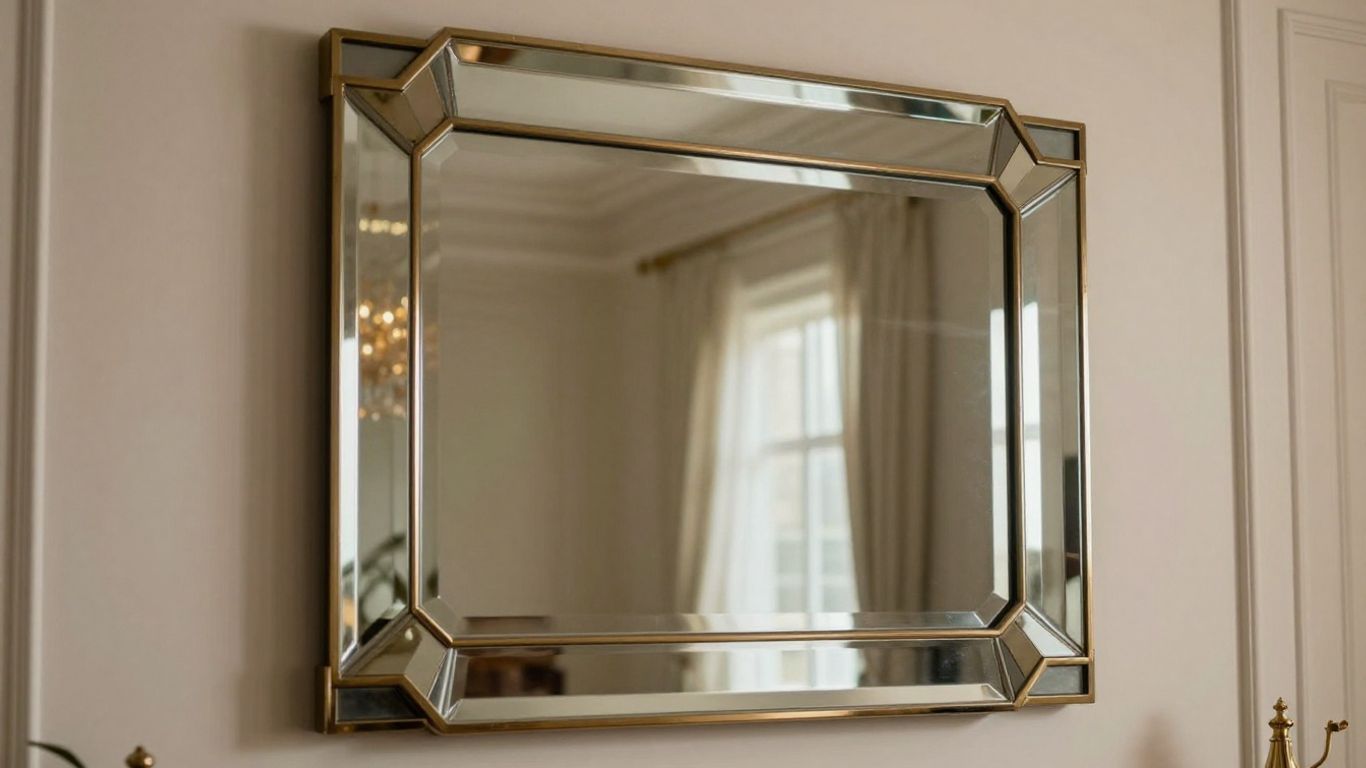
Thinking about adding a little something special to your home decor? Maybe you’ve seen those gorgeous, geometric mirrors and wondered how to pull off that look. Well, you’re in the right place. Art Deco mirrors aren’t just for fancy hotels or old movies; they can totally change the vibe of your living room, bedroom, or even your hallway. They bring this cool mix of old-school glamour and modern style that just works. Let’s talk about how to find the right one and make it shine in your space.
Key Takeaways
- Art Deco mirrors bring a unique blend of vintage glamour and modern design, instantly making any room feel more stylish.
- When picking an art deco mirror, think about its size, shape, and the frame material to match your room’s style.
- Placing your art deco mirror strategically, like opposite a window or above a fireplace, can really make a difference in how a room looks and feels.
- Beyond the classic sunburst, look for mirrors with geometric patterns, fan designs, or metallic accents for a bolder statement.
- Taking care of your art deco mirror involves gentle cleaning and protecting its finish to keep it looking great for years.
The Enduring Allure Of The Art Deco Mirror
Understanding Art Deco’s Timeless Appeal
Art Deco isn’t just a style; it’s a whole vibe. Think of the roaring twenties, jazz music, and a general sense of optimism and glamour. This design movement, which really took off in the 1920s and 30s, pulled inspiration from all sorts of places – from ancient Egyptian discoveries to the sleek lines of modern machinery. It was all about embracing the new while still appreciating fine craftsmanship. This blend of the modern and the luxurious is why Art Deco pieces, especially mirrors, still feel so fresh and exciting today. It’s a style that celebrates beauty and confidence, and you can see that in everything from skyscrapers to furniture. It’s a design that truly has staying power.
Key Characteristics Of Art Deco Mirror Designs
So, what makes an Art Deco mirror stand out? Well, you’ll often see bold geometric shapes, strong lines, and a sense of symmetry. Think sunbursts, zigzags, chevrons, and fan patterns. These aren’t subtle designs; they’re meant to make a statement. Materials are usually rich and luxurious, like polished metals (chrome, brass), dark woods, and of course, the mirror glass itself, sometimes with etched details. The overall effect is one of opulence and sophistication. It’s a style that doesn’t shy away from being noticed.
Here are some common motifs you’ll find:
- Sunbursts: Radiating lines that mimic the sun’s rays.
- Chevrons & Zigzags: Sharp, angular patterns that add dynamism.
- Fans & Feathers: Stylized, often symmetrical, representations.
- Geometric Abstraction: Bold combinations of squares, circles, and triangles.
Why An Art Deco Mirror Elevates Any Space
Adding an Art Deco mirror to your home is like giving it an instant personality boost. These mirrors do more than just reflect; they add a layer of visual interest and a touch of old-world glamour. They can make a room feel larger and brighter by bouncing light around. Plus, their distinctive designs act as a piece of art in themselves. Whether you’re going for a full Art Deco look or just want to add a single striking element, a well-chosen mirror can really tie a room together and make it feel more polished and intentional. It’s a simple way to bring a lot of style into your home. You can find some amazing examples of Art Deco’s timeless appeal that showcase this perfectly.
Choosing The Perfect Art Deco Mirror For Your Home
So, you’ve decided an Art Deco mirror is the way to go. Awesome choice! But with so many options out there, how do you pick the one that’s just right for your place? It’s not just about grabbing the first shiny thing you see. You’ve got to think about a few things to make sure it fits in and actually makes your room look better, not just… different.
Considering Size, Shape, And Frame
First off, let’s talk size. A giant mirror in a tiny entryway can feel overwhelming, and a small one in a big living room might just get lost. Think about the wall space you have. Measure it out! You want a mirror that feels proportional. For example, if you have a console table, the mirror should ideally be about two-thirds the width of the table. Shapes are a big deal too. Art Deco loved geometry, so you’ll see a lot of rectangles, squares, and circles. But don’t forget the more dramatic shapes like sunbursts or those with stepped edges. These can really add some flair.
And the frame? This is where a lot of the Art Deco magic happens. Frames can be simple and sleek, or they can be really ornate. Some have bold, geometric patterns, while others might feature more subtle detailing. The frame material and finish will also change the whole vibe. A dark wood frame might feel more grounded, while a polished chrome or brass frame screams glamour.
Material Matters: Glass, Wood, And Metal
When you’re looking at Art Deco mirrors, the materials used in the frame are super important. You’ll often find frames made from rich, dark woods like walnut or mahogany, which give a sense of luxury and solidity. Then there’s metal – think polished chrome, brass, or even black iron. These metals often have a high shine that really captures that Art Deco spirit of modernity and opulence. Sometimes, you’ll see a mix, like wood with metal inlays, which adds another layer of visual interest.
As for the glass itself, most Art Deco mirrors will have clear, reflective glass. However, some might feature subtle decorative elements like etching or beveling around the edges. These details, while small, contribute to the overall authenticity and charm of the piece. It’s these little touches that really make a difference in how the mirror feels in your space.
Where To Find Authentic Art Deco Mirrors
Finding a genuine Art Deco mirror can feel like a treasure hunt, but it’s totally doable. Your best bet is often antique shops and estate sales. You never know what gems you might uncover when you wander into a local antique store – or how much character it will add to your space! Online marketplaces like Etsy and 1stDibs are also fantastic resources. Just be sure to read descriptions carefully and check seller reviews. Sometimes, you can find reproductions that are pretty good, but if you’re after the real deal, keep an eye out for vintage pieces. For those looking for a specific style or size, exploring specialty vintage dealers can also yield great results. It might take a bit more digging, but the reward of finding that perfect, authentic piece is totally worth it.
Choosing the right mirror involves more than just picking one that looks good. It requires understanding your home’s overall design style, ensuring the mirror’s proportions are balanced with the space, and paying attention to details such as shape, frame material, and finish. These elements work together to create a cohesive and stylish look.
Integrating Art Deco Mirrors Into Your Decor
So, you’ve picked out a fantastic Art Deco mirror – maybe it’s a sunburst, or perhaps something with those cool geometric lines. Now, the big question is, where does it go? And how do you make it look like it belongs, not just plopped there?
Strategic Placement For Maximum Impact
Think about how light bounces around a room. Placing an Art Deco mirror opposite a window is a classic move. It’ll bounce that natural light all over the place, making your room feel bigger and brighter. It’s like a free upgrade for your space. Also, consider what the mirror will reflect. You don’t want it staring at a blank wall or, worse, a messy corner. Aim for something pleasant – a nice view, a piece of art, or even just the general ambiance of the room. A well-placed mirror can completely change the feel of a space.
Here are a few ideas for placement:
- Entryway: A mirror here is super practical for a last-minute check before you head out. Plus, it makes a great first impression for guests.
- Hallway: Long, narrow hallways can feel a bit like a tunnel. A mirror can break up the monotony and add a touch of glamour.
- Above a Console Table: This is a go-to spot. It grounds the table and creates a lovely visual anchor.
- Opposite a Light Source: As mentioned, this is key for maximizing brightness.
Mirrors aren’t just about seeing yourself; they’re about shaping the perception of your home. They play with light and space in ways that few other decor items can.
Art Deco Mirrors In Living Spaces
Your living room is often the heart of the home, so it’s a prime spot for a statement mirror. If you have a fireplace, placing a striking Art Deco mirror above the mantelpiece is a natural fit. It draws the eye and adds a layer of sophistication. You can also hang one on a wall opposite your main seating area. This not only adds visual interest but also makes the room feel more expansive, which is always a plus. If you’re going for a more maximalist vibe, consider a gallery wall where your Art Deco mirror is the star, surrounded by smaller pieces of art or photographs. For a sleeker look, a large, unframed geometric mirror can add a modern edge while still nodding to the Deco era. You might even find vintage-style mirrors that blend perfectly with contemporary furniture.
Adding Glamour To Bedrooms And Bathrooms
Bedrooms and bathrooms are personal sanctuaries, and Art Deco mirrors can add a serious dose of glamour. In the bedroom, a mirror above a dresser or vanity can make the space feel more like a dressing room from a bygone era. Think about the details – the frame material, the glass etching, the overall shape. These elements contribute to the mood. In bathrooms, especially smaller ones, a mirror is almost a necessity. An Art Deco piece can transform a utilitarian space into something quite luxurious. Imagine a sleek, fan-shaped mirror above a pedestal sink. It’s functional, yes, but it’s also a beautiful design element. Just be mindful of moisture in bathrooms; ensure your mirror is suitable for the environment. For those looking to create a cohesive look, consider pairing your mirror with other Art Deco elements in the room, like lighting fixtures or accent pieces.
Beyond The Sunburst: Unique Art Deco Mirror Motifs

Sure, the sunburst mirror is iconic, and you see it everywhere. But Art Deco was so much more than just rays bursting outwards. The style was all about bold geometry, sharp lines, and a sense of modern luxury. When you look at Art Deco mirrors, you’re not just seeing a reflection; you’re seeing a piece of art that captures the spirit of the Roaring Twenties.
Geometric Patterns And Bold Linework
Art Deco designers loved geometry. Think sharp angles, repeating shapes, and strong, clean lines. These weren’t just random shapes; they were carefully arranged to create a sense of order and sophistication. Mirrors featuring these patterns can really make a room feel more structured and visually interesting. They play with light in a way that feels both dynamic and elegant.
- Chevrons: These V-shaped patterns are a classic Art Deco motif, offering a sense of movement and direction.
- Zigzags: Similar to chevrons but often more pronounced, zigzags add a lively, energetic feel.
- Rectangles and Squares: Used in repeating patterns or as framing elements, these simple shapes bring a sense of balance and modernity.
- Circles and Arcs: Often combined with straight lines, these add a softer, more flowing element to the geometric mix.
These bold patterns can transform a simple mirror into a captivating focal point.
Intricate Fan And Chevron Designs
While sunbursts are popular, the fan motif, often seen in stylized, layered forms, is another hallmark of Art Deco. These designs can range from simple, repeating fans to more elaborate, almost peacock-feather-like arrangements. Chevrons, as mentioned, are also huge. They appear in frames, as etched details, or even as the overall shape of the mirror itself. These designs add a touch of glamour and a sense of theatricality to your decor. You can find some really interesting examples of mirrored wall art that play with these classic shapes.
Incorporating Metallic Accents
Art Deco was all about luxury and a bit of sparkle. Many mirrors from this era, or inspired by it, feature metallic accents. Think polished chrome, brushed nickel, or even gold-toned finishes. These metals aren’t just for the frame; they can be incorporated as decorative inlays, etched details, or even as part of the mirrored surface itself, creating a layered, reflective effect. This adds a level of sophistication and catches the light beautifully, making the mirror feel even more special.
When choosing an Art Deco mirror, look beyond the most common designs. The real magic often lies in the subtle details – the sharpness of the linework, the balance of geometric shapes, and the way metallic elements catch the light. These unique motifs are what give an Art Deco mirror its true character and make it a standout piece in any room.
Caring For Your Art Deco Mirror Investment
So, you’ve snagged a gorgeous Art Deco mirror. Awesome! Now, how do you keep it looking its best? It’s not rocket science, but a little care goes a long way, especially with these vintage beauties.
Gentle Cleaning Techniques
First things first, ditch the harsh chemicals and paper towels. They can do more harm than good. For everyday dusting, a soft microfiber cloth is your best friend. It picks up dust without scratching the glass or the frame. When it’s time for a more thorough clean, mix a little bit of mild dish soap with distilled water. Spray this solution onto your cloth, not directly onto the mirror, and wipe gently. For stubborn spots, a bit of rubbing alcohol on a cotton swab can work wonders, but use it sparingly.
- Always use a soft, lint-free cloth. Microfiber is ideal.
- Avoid ammonia-based or abrasive cleaners. They can damage the silvering and painted finishes.
- Spray cleaner onto the cloth, not the mirror. This prevents liquid from seeping into the frame.
- Wipe in a consistent direction (e.g., horizontal or vertical) to avoid streaks.
Remember, these mirrors often have delicate finishes and original glass that needs a gentle touch. Think of it like caring for old photographs – you wouldn’t scrub those, right?
Protecting Painted Finishes
Many Art Deco mirrors feature painted details, and these are particularly sensitive. Direct sunlight is the biggest enemy here, as it can cause the paint to fade over time. Try to position your mirror away from windows that get intense sun. Also, be mindful of moisture, especially in bathrooms. While a little condensation from a shower is usually fine, prolonged dampness can affect the paint and the frame. If your mirror has a particularly intricate painted design, consider it a piece of art in itself and treat it with the same care you would a painting. You might even want to look into custom framing that offers UV-protective glass if you’re concerned about light damage.
Maintaining Reflective Clarity
Over time, mirrors can develop what’s called ‘foxing’ – those little dark spots that appear as the silvering breaks down. This is often a sign of age and can actually add character to an antique piece. However, you can slow down the process. Keep the mirror in a stable environment, avoiding drastic temperature or humidity changes. If you notice any haziness, it might be time for a professional cleaning or restoration, especially if the desilvering is significant. For minor smudges, the gentle cleaning methods mentioned earlier should do the trick. The goal is to keep that beautiful reflection clear and bright for years to come.
The Art Deco Mirror As A Statement Piece

Creating A Focal Point With Mirrors
An Art Deco mirror isn’t just for checking your reflection; it’s a piece of art in itself. Think of it as the star of your room, drawing the eye and setting the whole mood. Unlike a plain mirror that just hangs there, an Art Deco design, with its bold lines and geometric flair, actively contributes to the room’s personality. It can make a small space feel bigger and a plain wall feel suddenly interesting. It’s about making a deliberate design choice that speaks volumes. These mirrors are fantastic for adding that touch of glamour and sophistication that defines the Art Deco era. They really do transform a space from ordinary to extraordinary.
Combining Mirrors With Other Art Deco Elements
To really make your Art Deco mirror shine, pair it with other elements from the period. Imagine a sunburst mirror above a sleek, lacquered console table. Or perhaps a fan-shaped mirror in a bedroom with velvet upholstery and geometric patterned wallpaper. The key is to create a cohesive look without overwhelming the space. You can mix metallic finishes, like gold or chrome, with rich colors such as deep blues or emerald greens. Even small touches, like decorative hardware on furniture or a vintage-inspired lamp, can tie everything together beautifully. It’s about building layers of style that complement each other. For inspiration on how to blend these elements, checking out Art Deco mirror art can give you some great visual ideas.
The Psychological Impact Of Reflective Decor
Mirrors do more than just reflect light; they can actually change how we feel in a space. An Art Deco mirror, with its dynamic design, can add a sense of movement and energy to a room. This visual interest can make a space feel more alive and engaging. Plus, the way light bounces off the reflective surface can brighten up darker corners and make a room feel more open and airy. It’s a clever way to play with perception and create a more dynamic atmosphere. The right mirror can really affect the mood of your home, making it feel more inviting and stylish. It’s amazing how a single piece can have such an impact, much like the striking black and ivory Art Deco mirror seen in many stylish homes.
Ready to Add Some Glamour?
So, there you have it. Art Deco mirrors aren’t just for looking at yourself; they’re statement pieces that can really change how a room feels. They bring in light, add a bit of sparkle, and just have this timeless cool factor. Whether you go for something big and bold or a smaller, more subtle piece, adding an Art Deco mirror is a pretty simple way to give your home a bit of that old-school glamour. It’s a fun way to mix things up and make your space feel a little more special. Why not give it a try and see what a difference it makes?
Frequently Asked Questions
What makes Art Deco mirrors special compared to regular mirrors?
Art Deco mirrors are special because they have unique designs from the 1920s and 1930s. They often feature cool shapes, bold lines, and fancy details that make them more like art pieces than just something to check your reflection in. They add a touch of old-school glamour and style to any room.
How can I choose the right Art Deco mirror for my space?
Think about the size of your room and where you want to put the mirror. A big, fancy mirror can be a great focal point, while a smaller one might fit better above a table or in a hallway. Also, consider the mirror’s frame – does it match the colors and style of your furniture?
Where is the best place to hang an Art Deco mirror?
Art Deco mirrors look great in many places! They can make an entryway feel grand, add sparkle above a fireplace in the living room, or even make a small bathroom feel more spacious and fancy. Placing them where they can catch light can really make them shine.
What are some common Art Deco mirror designs?
You’ll often see mirrors with geometric shapes like fans, sunbursts, zigzags, and strong straight lines. They might also have cool patterns or be made with shiny materials like chrome or gold, giving them a very distinct and stylish look.
How do I take care of an Art Deco mirror?
Treat your Art Deco mirror gently. Use a soft cloth to dust it regularly. When cleaning the glass, use a mild cleaner and avoid anything too harsh that could damage the frame or any painted details. Keeping it out of direct, strong sunlight can also help preserve its look.
Can Art Deco mirrors make a small room look bigger?
Yes, absolutely! Mirrors, in general, are fantastic for making spaces feel larger and brighter because they reflect light and the room itself. An Art Deco mirror, with its often striking design, can do this while also adding a lot of style and visual interest.


Leave a Reply