Key Takeaways
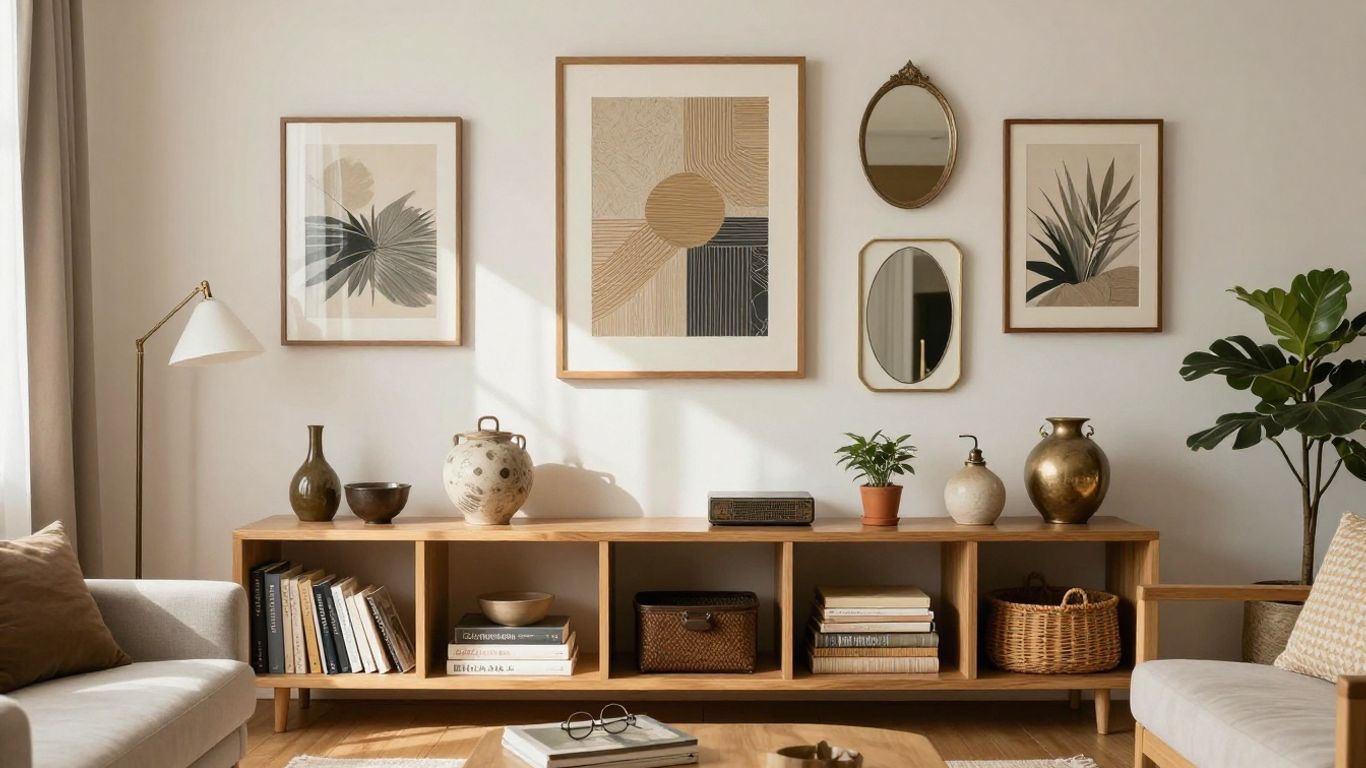
Elevating your home starts with selecting pieces that resonate with your personal style and room dimensions. These unique wall decor strategies help transform any blank surface into a curated expression of your life.
- Scale is crucial for balance when displaying large textile pieces.
- Natural specimens bring an earthy, organic texture to interiors.
- Floating shelves offer functional versatility alongside aesthetic appeal.
- Mixing mediums creates visual interest in smaller, contained zones.
- Antique mirrors can brighten up dim hallways or narrow spaces.
1. Large-scale fabric tapestries
Fabric tapestries provide an immediate sense of warmth and soft texture to any living space. Unlike rigid art formats, these textiles sway slightly, introducing a dynamic element that feels organic and inviting. They serve as an ideal anchor for seating areas or bedrooms where comfort and visual softness are the primary focus.
When hanging these pieces, ensure the rod or mounting system is secure enough to carry the weight of the material without causing sagging over time. Using natural fibers like linen or heavy cotton can add a tactile depth that synthetic alternatives simply lack. You might even consider reaching out to specialized sources like modern wall art and decorative accents from Homary to find textures that complement your existing furniture.
Selecting a design that balances with your room’s color palette creates a cohesive look that feels intentional. Whether you opt for abstract patterns or traditional weaving, the sheer size of these items makes them the undisputed focal point of the wall. Always leave breathing room around the edges to prevent the space from feeling cluttered or overwhelmed.
2. Framed pressed botanical specimens

Bringing the outdoors inside is a timeless approach to home styling that feels fresh in any season. Framed pressed botanicals offer a delicate, scientific aesthetic that works beautifully in formal entryways or quiet home offices. These pieces act as a natural conversation starter by showcasing the intricate veins and structures of pressed leaves and petals.
Because of their small scale, these specimens look professional when clustered together on a large wall. You can arrange them in symmetrical grid patterns for a structured look or scatter them in a loose, casual grouping that mimics how plants spread in the wild. If you need help choosing the best materials for this setup, look at the guidance from organizations like World Market to understand how scale interacts with your overall room theme.
To keep the look clean, choose simple frames that highlight the beauty of the preserved flora rather than competing with it. Light wood tones or thin black metals tend to work best, providing a frame that looks polished without looking heavy. Remember to place them in areas that avoid direct, harsh sunlight to ensure the colors don’t fade prematurely.
3. Macramé and fiber art installations
Macramé brings a bohemian, handcrafted energy to walls that might otherwise feel too sterile or cold. These intricate knot-work designs create tactile patterns that catch light in unique ways. Unlike standard paintings, these installations add vertical dimension and a sense of history, as each knot reflects a slow, deliberate making process.
- Select thick cotton cords for a bold, chunky texture.
- Layer multiple pieces to create a cohesive wall-hanging display.
- Choose neutral dyes to keep the focus on the complex knotting.
- Use wooden dowels to maintain a crisp, horizontal hang line.
Integrating handmade elements creates a space that feels lived-in and deeply personal. It is quite common for homeowners to worry about matching styles, but texture creates a unified, high-end look when kept in a consistent color group. These installations look particularly striking above console tables, where they can drape slightly without touching lower surfaces.
4. Sculptural metal wall panels
Metal panels provide a reflective, contemporary contrast to softer upholstery and wood furniture. These elements catch ambient light throughout the day, shifting their appearance as the sun moves across the room. Their structural nature makes them an ideal choice for modern living rooms that require a sharp, architectural edge.
Working with metal as a medium allows for interesting play with depth and shadow. Because these pieces are often heavy, ensure your mounting hardware is rated specifically for the weight of your chosen sculpture. Installing them on a deep-tone wall can make the metal finish pop, adding a layer of drama that lighter surfaces might miss.
Maintaining these pieces is generally straightforward, requiring only a gentle wipe to keep them clean. Their durability makes them an excellent long-term investment for high-traffic zones like hallways or dining rooms. If you are uncertain about installation, keeping things simple ensures a balanced result that remains sophisticated for many years.
5. Gallery walls with antique mirrors
Antique mirrors bring a sense of history and light into a room, making smaller spaces appear more expansive. When you group these pieces, you create a reflective collage that scatters sunlight through the space. This approach is highly effective for narrow hallways where you want to add character without sacrificing floor area.
| Mirror Style | Frame Material | Suggested Room |
|---|---|---|
| Ornate Gilded | Brass | Living Room |
| Minimalist Round | Stained Wood | Entryway |
| Worn Patina | Forged Iron | Dining Room |
Selecting pieces that share a common visual thread, such as a similar frame finish or mounting style, keeps the gallery from appearing haphazard. It is this cohesive approach that helps transform simple decorative items into a curated exhibition. By varying the sizes of the mirrors, you can control how much of the wall is covered while creating an interesting rhythm.
6. Personalized typographic art displays

Typography adds a layer of intellectual personality to your home by literally spelling out your values or favorite sentiments. Whether you choose framed quotes or three-dimensional wood letters, this decor style feels modern and highly individual. It serves to break up visual space in rooms that otherwise contain only images or patterns.
Personalized displays can be customized to reflect your family’s history or favorite literary passages. With unique wall decor ideas from Contrado, you can produce tailor-made pieces that are uniquely yours. The trick is to keep the font styles complementary, especially if you are mixing different messages within one display.
Placement is paramount, so consider putting these pieces at eye level in high-visibility areas. A well-designed typographic display acts as the voice of the room, grounding it while adding a layer of sophisticated flair. Ensure the colors of the letters contrast well with the wall behind them to maintain readability.
7. Custom-built floating wooden shelves
Floating shelves bridge the gap between heavy storage and open, airy aesthetics. By using reclaimed wood or polished walnut, you introduce warm organic tones that contrast nicely with painted walls. They are essentially a display system that allows you to swap out objects, books, and small plants frequently.
Installing these shelves requires precision to ensure they remain level, which is critical since they lack visible supports. Once secure, they become the ideal spot to group your collection of curiosities. A layered approach helps here; place taller, heavier items on the bottom while lighter, smaller accessories sit on the top shelf to keep the composition feeling light.
Because these shelves are so versatile, they adapt to changing trends easily. You can style them differently for autumn gatherings or spring refreshes without needing to patch or repaint the wall behind them. This adaptability makes them a smart choice for those who enjoy evolving their home aesthetic over time.
8. Hand-painted geometric murals
Geometric murals shift the focus from objects on the wall to the architecture of the wall itself. By using masking tape and precise paint applications, you can create bold shapes that define specific zones, such as a dedicated workspace or a dining nook. This technique is remarkably low-cost but offers a high-impact transformation.
When planning a mural, consider the scale of your furniture in relation to the geometric shapes. Larger rooms can accommodate more complex, sprawling patterns, while smaller spaces benefit from simple, repeating shapes like triangles or diamonds. The key to a clean look is to ensure the edges are perfectly straight, which can be protected by pressing the tape firmly to the wall.
Paint choices play a large role here, as high-contrast colors provide a modern appearance, whereas tonal, monochromatic shades feel more subtle. Since trends evolve, knowing you can easily paint over the mural makes it a low-commitment way to experiment with color. It is a fantastic option for renters or homeowners who move furniture often.
9. Curated ceramic plate arrangements
Ceramic plate displays offer a surprisingly elegant way to introduce color and shape to an interior. Often overlooked, this traditional method of decorating wall space is seeing a resurgence in contemporary design. Plates add a curved, soft element to rectangular walls, breaking up the typical straight lines of a home’s footprint.
To arrange them effectively, aim for a balanced distribution of sizes and patterns. You can mix vintage floral designs with modern, solid-color ceramics to create a bridge between eras. Mounting plates safely requires specialized spring hangers, which remain hidden behind the dish, keeping the display looking clean and professional at all times.
This arrangement is particularly effective in spaces that feel too stiff, such as a formal dining area. The irregularity of the plate sizes adds a sense of quirkiness and life, preventing the room from feeling like a museum. Because plates are fragile, group them away from high-traffic movement where accidental bumps might occur.
10. Mixed-media shadow box displays
Shadow boxes provide a three-dimensional depth that framed flat art cannot achieve. By enclosing items like travel souvenirs, vintage tools, or fabric scraps, you create a miniature scene that feels rich and layered. These containers make even the simplest items look like precious museum artifacts.
Choosing a deep enough box is necessary to ensure the items don’t crowd the glass, which would distract from the details inside. It helps to play with the backdrop of the box, perhaps adding a textured fabric liner to make the objects stand out. This added depth provides an element of mystery that draws the viewer in closer to examine the contents.
For those looking for more inspiration, exploring collections like the 55 stylish wall decor ideas can provide additional context on how to mix shadow boxes within a wider gallery layout. Maintain a cohesive color story across your shadow box collection to keep the display looking tidy instead of messy. Each box can tell a different part of the same story, creating a cohesive visual narrative across your entire home.
Conclusion
Creating a home that feels authentic to your personality requires a mix of textures, histories, and personal curation. By utilizing large-scale tapestries, unique structural panels, and personal heirlooms in shadow boxes, you build a space that feels distinctly yours. These ten methods offer a foundation for refreshing your walls, ensuring that every corner of your home contributes to a cohesive, inviting, and truly inspired atmosphere for years to come.
Frequently Asked Questions
How do I decide where to place wall decor?
Consider the room’s main vantage point and ensure the decor is hung at eye level to establish a natural focal point that anchors your existing furniture.
Should I mix different types of wall decor?
Combining various elements like textiles, mirrors, and framed pieces creates visual variety and prevents a room from looking too uniform or static.
How can I make a small room feel bigger with wall decor?
Utilizing larger mirrors or clear, bright art compositions can create an illusion of depth, effectively making a constrained space feel significantly more open.
How many pieces should I include on one wall?
There is no single rule, but maintaining balance by either using one large piece or an odd number of smaller pieces often yields a more aesthetically pleasing result.
What tools are needed for safe wall hanging?
Basic equipment includes a reliable level, properly rated picture wire, wall anchors suited to your wall material, and a measuring tape for precise spacing.
How often should I rotate my wall art?
Changing pieces seasonally or whenever you feel the room needs a refresh is a great way to keep your home’s aesthetic feeling current and exciting.
Can I use items other than art to decorate my walls?
Absolutely, using functional items like decorative hooks, clocks, or wall-mounted shelving can add both aesthetic appeal and practical storage to your living space.


Leave a Reply