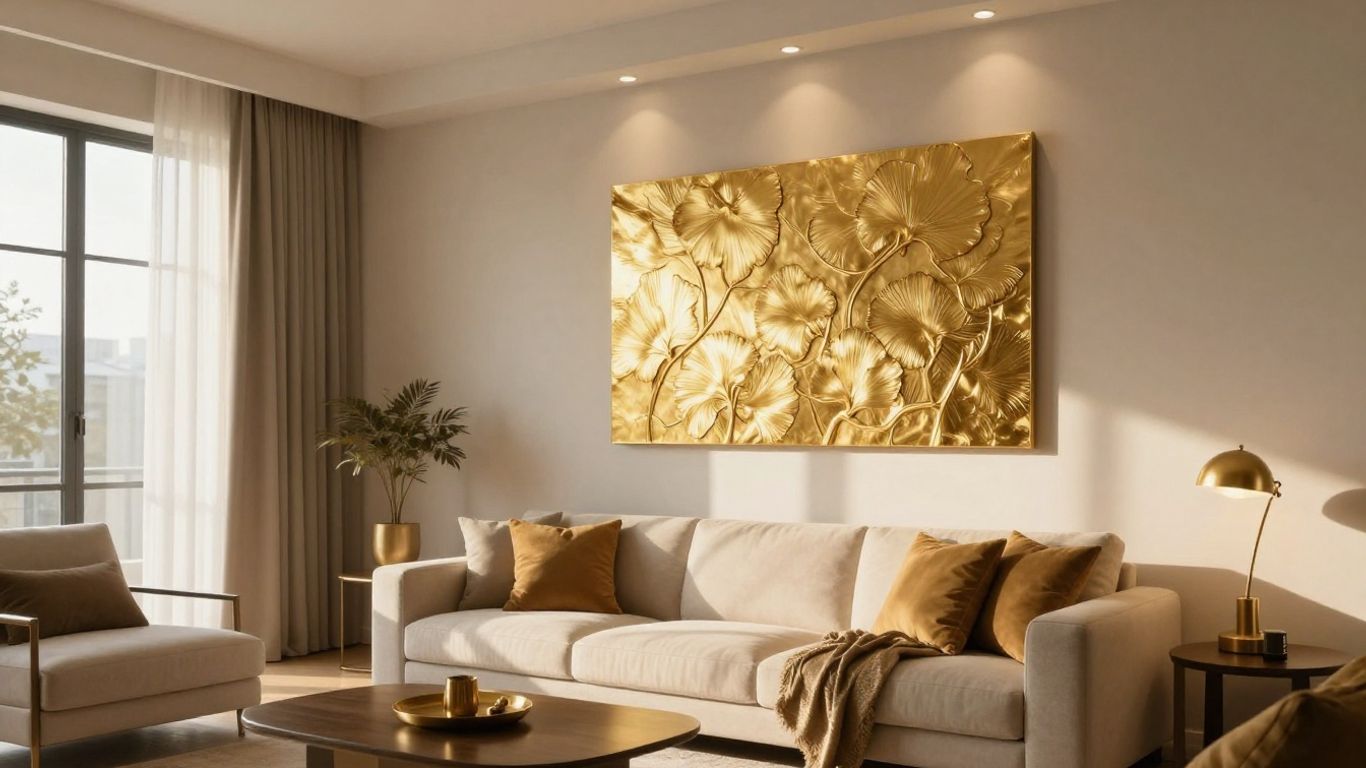
Key Takeaways
Styling your home with metallic accents requires thoughtful consideration of tone, texture, and placement. Incorporating gold wall decor enhances the visual interest of any room, providing a sense of warmth and luxury when balanced correctly.
- Select finishes that harmonize with existing lighting to avoid overwhelming visual clutter.
- Use mirrors in smaller spaces to reflect gold tones and expand the perception of depth.
- Establish a cohesive theme by combining gold with neutral backgrounds rather than competing colors.
- Prioritize maintenance by cleaning metallic surfaces gently to prevent premature tarnishing or damage.
- Create focal points through symmetry or intentional layering to anchor larger walls visually.
Choosing the right gold finish for your space
Selecting the perfect gold accent involves looking closely at how different surfaces interact with ambient light. While some finishes provide extreme shine, others offer a subtle glow that integrates seamlessly into a variety of design palettes.
Matte versus brushed gold textures
Matte gold provides a modern, understated aesthetic that resists showing fingerprints and attracts less harsh glare in sunny rooms. Brushed textures, conversely, introduce visible lines and depth, making them ideal for spaces where you want the character of the metal to be the primary draw. Many collections from Lamps Plus offer these variations to ensure your wall accents feel intentional rather than haphazard.
Identifying warm versus cool gold undertones
Gold finishes are rarely identical, often leaning either yellow or bronze depending on the specific plating process used. Warm golds contain more orange or yellow pigments, which beautifully complement earthy tones and beige walls, while cooler, champagne-toned golds look crisp against grey or navy backgrounds. Assessing your wall color before making a purchase ensures the metallic undertones do not clash with the surrounding environment.
Mixing gold with other hardware metals
Designers often shy away from combining metals, but layering gold with chrome, iron, or black hardware creates a dynamic, collected look. Using gold as a high-contrast accent alongside matte black hardware can ground the space, while layering it with silver keeps the aesthetic bright and airy.
| Metal Finish | Best Pairings | Ideal Room Type |
|---|---|---|
| Polished Gold | Black & White | Living Area |
| Brushed Brass | Navy & Cream | Dining Room |
| Antique Gold | Wood & Leather | Home Office |
By strategically balancing these combinations, you can create a sophisticated environment that feels curated over time rather than purchased in a single set.
Best types of gold wall decor for each room
Finding the right decorative element depends heavily on the functional needs of your room. Whether you are looking to reflect natural light or simply fill a blank wall, selecting pieces that serve a purpose ensures your design remains both beautiful and practical.
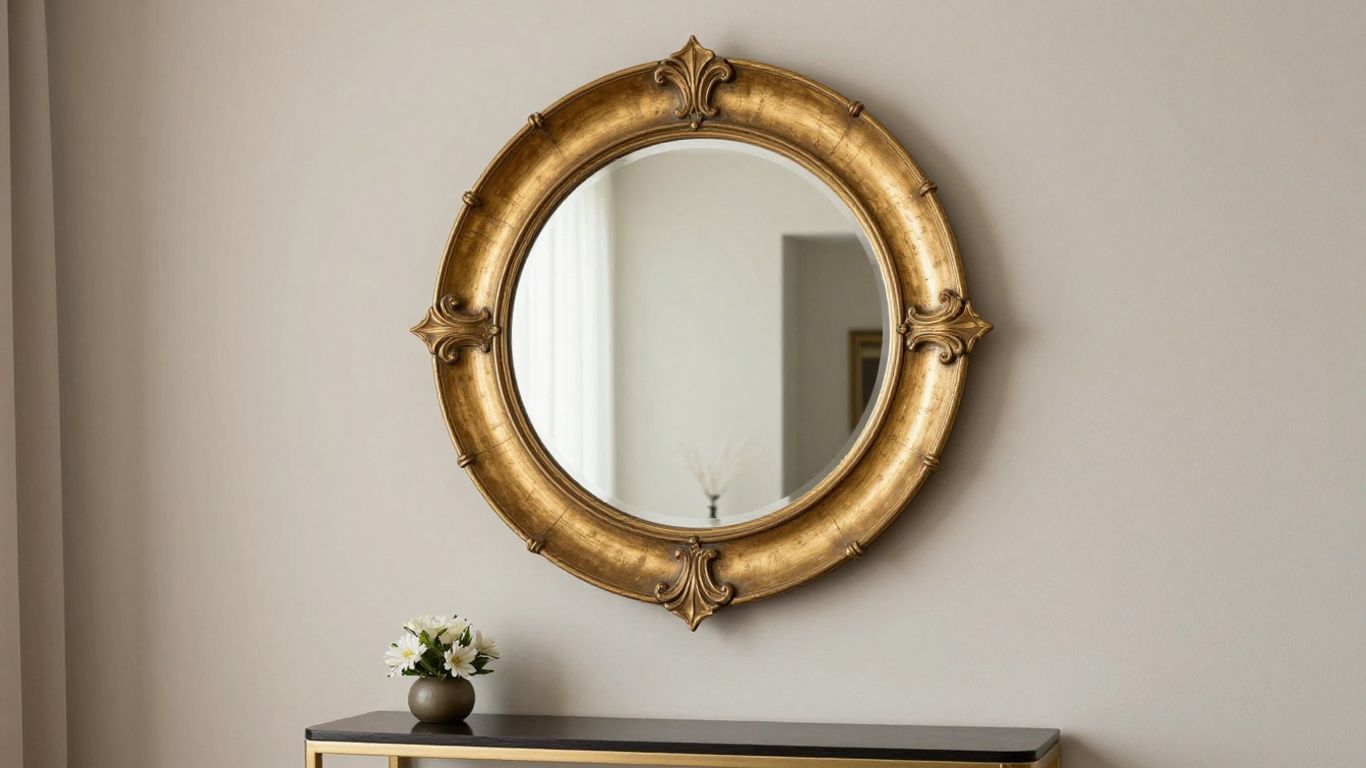
Statement gold mirrors in the entryway
An entryway is the perfect place to maximize visual impact immediately upon entering your home. A large-scale mirror adds depth to tight corridors while providing a convenient spot for last-minute appearance checks. Many shoppers find that the gold wall accents currently available help transition the aesthetic of the front door into the interior seamlessly.
Sophisticated gold wall art for the living room
Living rooms provide the largest canvas for expressive wall art, allowing for larger pieces or complex groupings. Abstract metal sculptures in gold leaf or gilded frames bring a sense of museum-quality luxury to a standard wall. These pieces often serve as conversation starters and can make even a minimalist room feel rich with texture.
Functional gold shelving for kitchens and bathrooms
Gold is often overlooked in utilitarian spaces, but brass or gold-toned shelving can turn storage into an art form. Using shelves with gold brackets to hold toiletries or small decorative items adds a refined edge to spaces that typically focus exclusively on functionality rather than style.
Layout and placement strategies
Arranging wall decor requires more than just picking a spot; it involves understanding eye level and spatial relationships within the room. A well-considered arrangement can make a collection feel intentional and cohesive.

Achieving balance on a feature wall
When hanging heavy pieces, ensure they are centered regarding existing architectural focal points like fireplaces or credenzas. If you are grouping smaller items, try placing them on a Homary display unit to gauge how they handle negative space before drilling into the drywall.
Utilizing symmetry for a formal look
Symmetry is the easiest way to inject order into a room that might otherwise feel busy. By mirroring two identical gold sconces or framed art prints on either side of a larger central piece, you immediately establish a sense of formality and tradition.
Creating curated gallery walls with mixed mediums
Gallery walls are best when they combine varying sizes, shapes, and materials to keep the eye moving. Mixing metal wall plaques with canvas art and glass pieces prevents the display from looking one-dimensional. Adding a small, ornate gold frame into a set of modern sketches provides that necessary hint of traditional warmth to bridge the gap between styles.
Integrating gold decor with different interior styles
Gold works surprising well across various design genres as long as you account for the surrounding proportions. It is not limited to luxury or traditional aesthetics; rather, it is a versatile tool for adding brightness.
Minimalist approaches to metallic accents
In minimalist interiors, a single gold object serves as the focal point without overwhelming the serene environment. Choose a sleek, geometric piece that highlights clean lines and lacks unnecessary ornamentation. This approach allows the quality of the metal to speak for itself.
Adding glamour to maximalist spaces
Maximalism embraces layering, making it the perfect home for bold gold decor. Don’t hesitate to pile on varied textures—think intricate gold frames stacked atop patterned wallpaper. Use gold as the binding element that ties disparate colors and patterns together, giving the chaos a structured, gilded finish.
Incorporating gold into industrial-chic designs
Industrial decor relies on raw materials like brick, concrete, and iron, and a touch of gold can soften those hard edges. Pair warm brass lighting or wall art with worn leather and dark industrial steel to balance the room. The contrast creates a sophisticated atmosphere that avoids feeling too cold.
Maintenance and cleaning of gold wall ornaments
Because metallic coatings can be susceptible to environmental changes, regular care is essential to preserve their luster. Treating these pieces with the same care as fine jewelry keeps them looking fresh for years.
Proper dusting techniques for delicate surfaces
Use a soft, lint-free microfiber cloth or a feather duster to remove surface build-up weekly. Avoid applying heavy pressure, which can scratch delicate plating or delicate leafing found on high-end art pieces. Regular light dusting prevents particles from bonding to the surface.
Preventing oxidation and tarnishing in humid environments
Bathrooms and kitchens introduce high levels of humidity that can cause gold plating to oxidize over time. Ensure proper ventilation in these areas, and if possible, avoid placing delicate gold art directly across from steam sources. Applying a thin coat of specialized metal wax can provide an additional barrier against moisture.
Choosing safe cleaning solutions for metallic plating
Stick to diluted dish soap and lukewarm water for most metal wall pieces; avoid harsh chemical sprays or abrasive sponges. Always test a hidden section of the metal first to ensure the finish does not react poorly to even the mildest cleaner. After cleaning, dry the surface immediately with a soft cloth to avoid water spots.
- Perform monthly inspections of hanging hardware to ensure items are secure.
- Keep gold items away from direct sunlight if they have sensitive finishes.
- Use cotton gloves when handling art to prevent oils from transferred via fingers.
- If tarnishing occurs, professional polishing is safer than household chemical scrubs.
Conclusion
Transforming your home with gold wall decor is a rewarding process that bridges the gap between functional design and personal expression. By paying attention to finishes, balancing your layout for symmetry, and maintaining your pieces with gentle, consistent care, you can ensure your home reflects a timeless elegance that feels both welcoming and sophisticated.
Frequently Asked Questions
Does real gold exist in wall decor?
Most gold-toned wall decor uses metallic plating, gilded finishes, or gold leaf rather than solid gold. These materials are chosen for their durability and affordability while still providing the aesthetic impact of genuine metal.
How high should I hang wall art?
Wall art should generally be hung so the center of the piece is at eye level, which is approximately 57 to 60 inches from the floor. Adjust slightly depending on whether you are hanging decor above a long sofa or in a narrow hallway.
Can gold decor be mixed with silver?
Yes, mixing metals is a popular trend that adds depth and versatility to a space. The key is to select a dominant metal and use the other as an accent while ensuring both finishes share similar undertones.
Is gold decor too flashy for modern homes?
When chosen with the right texture, such as matte or brushed finishes, gold is highly effective for modern spaces. Avoid high-gloss, overly ornate styles if you prefer a subtle, minimalist aesthetic.
How do I stop gold wall art from tarnishing?
Combat tarnish by keeping pieces away from direct heat sources and high-humidity areas like showers. Regularly dusting and dry-wiping pieces ensures moisture—a primary cause of oxidation—does not accumulate on the surface.
Can I use gold decor in a bedroom?
Gold adds a warm, inviting glow that works wonderfully in a bedroom, especially when paired with soft textiles and layered lighting. Smaller accents like gold-framed mirrors or wall sculptures can create a cozy, luxurious retreat.
What is the best way to clean intricate gold carvings?
For pieces with complex carvings, use a soft-bristled brush, such as a clean painting brush or makeup brush, to reach into crevices. Avoid liquid cleaners if possible, as it is difficult to dry those areas completely, which could lead to spots or corrosion.


Leave a Reply