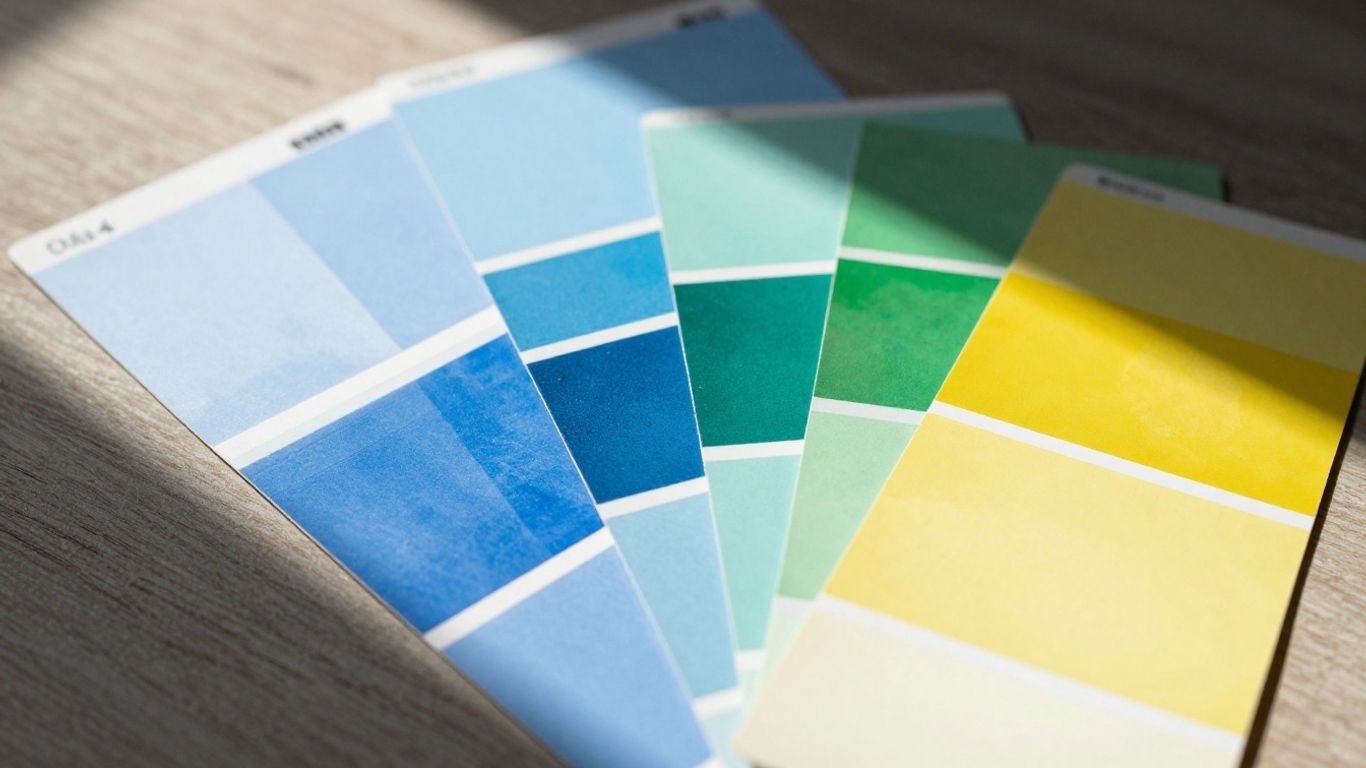
Thinking about freshening up your walls but don’t want to spend a fortune? You’re in luck! Finding the cheapest wall paint doesn’t mean you have to settle for boring colors or poor quality. We’ll show you how to get that designer look without breaking the bank, whether you’re painting for yourself or getting ready to sell your home. Let’s dive into making your space look great on a budget.
Key Takeaways
- You can often get popular, high-end paint colors mixed into more affordable brands at hardware stores, saving a good chunk of money per gallon.
- When selling your home, certain colors like olive green for kitchens or navy blue for bedrooms can actually increase buyer interest and potential offers.
- Neutral, nature-inspired tones are generally safer bets for selling a home, as they allow buyers to imagine their own style more easily.
- Paint finishes, like matte or semi-gloss, affect how light reflects and can hide wall imperfections, so choose wisely based on the room and desired look.
- Repainting before selling is a smart move that makes your home look newer and better maintained, potentially boosting its appeal and value to buyers.
Achieving Designer Looks On A Budget
Who says you need a huge bank account to make your home look like it belongs in a magazine? Turns out, you can get those high-end paint colors without the high-end price tag. It’s all about being a little smart about where you shop and what you choose.
The Secret To Inexpensive Hardware Store Colors
Here’s a little trick that many people don’t realize: you can take a color name and number from a fancy designer paint brand and have it mixed into a more affordable store brand. Yep, you heard that right. You can walk into your local hardware store, ask for a specific Sherwin-Williams or Benjamin Moore color, and have them mix it up in a Valspar or Glidden base. The savings can be pretty significant, often cutting the cost of a gallon by $20 or more. It’s a fantastic way to get that exact shade you’ve been dreaming of without breaking the bank. You’re not limited to the swatches on the wall anymore; you can pick from thousands of colors online and get them mixed affordably. It’s a game-changer for budget-conscious decorating. You can even find some great DIY paint ideas to go along with your new, affordable colors.
Mixing Brands For Maximum Savings
This strategy of getting designer colors mixed into cheaper brands is where the real savings happen. Think about it: you get the exact sophisticated hue you want, but you pay a fraction of the price. It’s not just about the initial cost, either. Sometimes, the more affordable brands still offer decent coverage, especially if you’re careful with your application. A little planning can go a long way. You might even find that a single coat is enough with some of the better budget-friendly options, saving you time and more paint. It’s a smart move that lets you update multiple rooms without feeling the financial pinch.
Popular Budget-Friendly Paint Choices
When you’re on the hunt for affordable paint, certain colors tend to be more budget-friendly, especially in the neutral and off-white families. These shades are often readily available in a wider range of brands and finishes, making them easier to find at a lower price point. Think soft grays, warm beiges, and clean whites. These colors are also timeless and versatile, meaning they won’t go out of style quickly, offering long-term value. Plus, they serve as a great backdrop for any decor style, making them a safe bet for most rooms. You can explore different paint effects to elevate your home’s style using these budget-friendly bases.
Don’t underestimate the power of a good neutral. These colors are not only cost-effective but also provide a versatile canvas that can be adapted to various design trends over time, saving you money on future repaints.
Here are a few popular choices that often come with a lower price tag:
- Soft Grays: Think light, airy grays that can lean slightly blue or green depending on the light. They offer a modern feel without being cold.
- Warm Beiges: These are classic for a reason. They create a cozy and inviting atmosphere and pair well with almost any other color.
- Clean Whites: A crisp white can make a space feel larger and brighter. Look for whites with subtle undertones to avoid a stark look.
- Muted Blues and Greens: Often found at good prices, these nature-inspired tones can bring a sense of calm to a room.
Strategic Color Choices For Home Sales

When you’re getting ready to sell your place, the colors you pick for your walls can really make a difference. It’s not just about making things look pretty; it’s about making potential buyers feel something positive and see themselves living there. Think of it as setting the stage for a sale. The goal is to appeal to the widest range of buyers possible, not necessarily to decorate for your own personal taste.
Colors That Increase Buyer Interest
Buyers often look for homes that feel welcoming and well-cared for. Certain colors can help create that impression. Neutral tones are generally a safe bet because they allow buyers to easily picture their own furniture and decor in the space. Think soft grays, warm beiges, and off-whites. These shades tend to make rooms feel larger and brighter, which is a big plus for most people looking for a new home. For instance, a well-chosen neutral palette can make a small room feel more open and airy.
Nature-Inspired Tones For A Cozy Feel
Lately, there’s been a shift towards colors found in nature. These hues bring a sense of warmth and comfort, making a house feel more like a home. Shades like muted greens, earthy browns, and soft blues are popular. These colors can create a grounding effect and add a touch of sophistication without being overwhelming. For example, an olive green kitchen or a navy blue bedroom has been shown to attract buyer interest and potentially lead to better offers. These colors are timeless and tend to work well in various lighting conditions.
Avoiding Trendy Hues When Selling
While it’s tempting to go with the latest color trends, it’s usually best to steer clear of very bright or highly specific trendy colors when selling. A bright yellow kitchen or a bold red bedroom might be fun for you, but it could turn off potential buyers who have different tastes. They might see these strong colors as something they’ll have to repaint immediately, which can be a deterrent. It’s better to stick with colors that have broad appeal. You want buyers to focus on the house itself, not be distracted or put off by a color choice that’s too personal or extreme. If you’re looking for a way to make your front door pop, consider a deep navy or forest green; these can add visual interest without being too polarizing.
When preparing to sell, it’s wise to put your personal color preferences aside. The aim is to present the house in a way that appeals to the broadest market, making it easier for potential buyers to envision their future in the home. This strategic approach can significantly impact the selling process and the final offer price.
Room-Specific Color Recommendations
Picking the right paint color for each room can make a big difference, especially if you’re thinking about selling your home. It’s not just about making things look pretty; certain colors can actually make a space feel bigger, cozier, or more inviting to potential buyers. Let’s break down some popular and effective choices for key areas in your house.
Kitchen Colors That Attract Buyers
The kitchen is often called the heart of the home, and buyers pay attention to it. While bright, bold colors might be fun for your personal taste, they can sometimes turn off potential buyers. Instead, think about colors that feel grounded and welcoming. Olive green has been noted as a color that really grabs buyer interest for kitchens, potentially adding value to your home. It’s a color that feels natural and calming. Darker grays have also shown promise, though they might attract fewer buyers, they could lead to higher offers. It’s a balancing act!
- Olive Green: A timeless, grounding shade that brings a sense of calm. It can make kitchen cabinets look quite appealing.
- Dark Gray: Offers a sophisticated look and has been linked to higher offer prices, though it might narrow the buyer pool slightly.
- Neutral Tones: Think warm beiges or off-whites. These are always safe bets, making it easy for buyers to picture their own style in the space. A color like Agreeable Gray is a popular choice for its versatility.
When choosing a kitchen color, aim for something that feels clean, inviting, and not too overpowering. It should be a backdrop that makes the kitchen feel functional and pleasant.
Calming Bedroom Hues
Your bedroom should be a sanctuary, a place to relax and recharge. For this reason, calming colors are usually the way to go. Navy blue has emerged as a favorite for bedrooms, adding depth and a touch of elegance that buyers seem to really like. It works well in both modern and traditional settings. Light grays and soft blues or greens can also create a peaceful atmosphere. These softer shades make it easy for buyers to envision themselves unwinding in the space.
- Navy Blue: A classic choice that adds depth and sophistication. It can act as a neutral when styled right.
- Light Gray: Creates a peaceful and airy feel, perfect for a restful environment.
- Soft Blues/Greens: Think muted, nature-inspired tones that promote tranquility.
Appealing Bathroom Shades
Bathrooms, like kitchens, benefit from colors that feel clean and fresh. Mid-tone browns have been found to be quite appealing in bathrooms, adding a touch of warmth and richness. They can work especially well as accent walls. Lighter neutrals, like soft grays or off-whites, are also excellent choices because they make the space feel larger and brighter. If you’re mixing brands, you might find success using a Benjamin Moore color mixed into a Valspar base for a custom shade. A light neutral like Sherwin Williams Pediment can be a great no-brainer choice for bathrooms, balancing warm and cool tones nicely.
Understanding Paint Finishes And Their Impact
So, you’ve picked out your perfect color, but wait – there’s another choice to make: the finish. This is also called the sheen, and it’s a pretty big deal. It changes how the paint looks, how it holds up, and even how easy it is to clean. Don’t underestimate the power of the finish; it can totally change the vibe of a room.
The Role Of Sheen In Light Reflection
Different sheens bounce light around differently. Think of it like wearing a shiny shirt versus a matte one. The shiny one reflects more light, making things look brighter and maybe even a bit bigger. A flatter finish absorbs light more, which can make a space feel cozier. This is why ceilings are often painted with a flat finish – it makes the room feel taller.
Here’s a quick rundown of how sheens affect light:
- Flat/Matte: Absorbs most light. Great for hiding imperfections.
- Eggshell/Satin: A little bit of shine, reflects some light. Good for general walls.
- Semi-Gloss/Gloss: Bounces a lot of light. Very durable and washable.
Matte Finishes For Imperfection Coverage
If your walls have seen better days – maybe some dings, scuffs, or uneven spots – a matte finish is your best friend. It’s like magic for hiding those little flaws. It gives walls a smooth, soft look. This is why it’s often the go-to for ceilings and walls in rooms where you want a really calm, non-reflective surface. It’s also usually the most budget-friendly option, which is a win-win when you’re trying to save money. You can find great deals on matte paints, especially if you’re mixing brands to get the best price Mixing Brands For Maximum Savings.
When you’re looking for the cheapest wall paint, don’t forget to check the finish options. Sometimes, a slightly different sheen can make a big difference in price, even within the same brand.
Semi-Gloss For Trim And Accents
Semi-gloss and gloss finishes are super shiny. They’re tough, durable, and really easy to wipe clean. Because of this, they’re perfect for places that get a lot of wear and tear, like doors, window frames, and baseboards (trim). That shine can make these architectural details pop and give your room a clean, crisp look. It’s also a good choice for kitchens and bathrooms where you might need to scrub away grease or moisture. While they highlight every tiny flaw, making them less ideal for walls with imperfections, their durability is unmatched for high-traffic areas.
Maximizing Your Home’s Appeal With Paint

When you’re getting ready to sell your place, a fresh coat of paint can make a huge difference. It’s one of the most effective ways to make your home look newer, cleaner, and just generally better cared for, without breaking the bank. Think of it as a quick facelift for your house. Buyers often fall in love with how a home feels when they first walk in, and paint color plays a big role in that initial impression. It sets the stage for everything else.
The Value Of A Fresh Coat Before Selling
Putting your home on the market is a big deal, and you want it to look its best. A new paint job is a relatively inexpensive way to boost curb appeal and interior charm. It signals to potential buyers that the home has been maintained and is move-in ready. This can be especially important if your current paint is looking a bit tired, scuffed, or just dated. It’s a way to show you’ve taken good care of the property.
How Paint Affects Buyer Perception
Color is powerful. It can make a room feel bigger, smaller, warmer, or cooler. When selling, the goal is to appeal to as many people as possible, which often means stepping away from highly personal or trendy choices. Think about what kind of vibe you want to create. Do you want buyers to feel relaxed and comfortable, or energized and inspired? The right colors can help evoke those feelings. For instance, nature-inspired tones are really popular right now because they create a cozy, inviting atmosphere that makes it easier for buyers to picture themselves living there. You might want to check out some house color ideas to get a feel for what’s trending.
Testing Colors Before Committing
Choosing the right shade can feel like a big decision, and it is. You don’t want to end up with a color you regret, especially when you’re trying to sell. It’s a good idea to test out a few options before you commit to painting the whole house. You can get paint chips or even small sample pots to see how the colors look in different lights throughout the day. What looks great in the store might appear totally different on your walls.
- Consider the room’s natural light: North-facing rooms get cooler light, so warmer paint tones can help balance that out. South-facing rooms get warmer light and can handle cooler shades.
- Think about the overall flow: Try to pick colors that transition smoothly from one room to the next. This creates a more cohesive feel throughout the house.
- Don’t forget the finish: The sheen of the paint (matte, satin, semi-gloss) also affects how light reflects and can hide imperfections. Matte finishes are great for hiding wall flaws, while semi-gloss is typically best for trim and doors.
When you’re selling, it’s often best to put your personal color preferences aside. The aim is to make the house appealing to the widest range of potential buyers, not to decorate it for yourself. Think neutral, inviting, and move-in ready.
For example, while a bright yellow kitchen might bring you joy, a more neutral or nature-inspired tone like olive green might attract more buyers and potentially lead to a higher offer. Similarly, a deep gray in the living room or navy blue in the bedroom can create a sophisticated and calming atmosphere that many buyers appreciate. These kinds of choices can make a real difference in how buyers perceive your home’s value and appeal. You can find some great examples of saturated neutral exterior colors that offer a sophisticated look.
Finding The Cheapest Wall Paint
So, you want that designer look without the designer price tag? It’s totally doable. You don’t always need to shell out big bucks for fancy brands to get a great color on your walls. Sometimes, the best deals are hiding in plain sight at your local hardware store.
Comparing Paint Brand Prices
It’s easy to get sticker shock when you see the price of some premium paint brands. Benjamin Moore’s Aura Interior paint, for example, can run over $100 a gallon. That’s a lot! On the other hand, brands like Sherwin Williams’ Captivate are much more budget-friendly, often coming in around the $50 mark. Even less expensive brands like Glidden or Valspar can be found for $20-$30 a gallon. The key is knowing that you can often get the exact color you want from a high-end brand mixed into a more affordable base. Don’t be afraid to ask the paint counter staff if they can match a color from a swatch or even a picture you bring in. You might be surprised at how many options you have.
Utilizing Sales And Rebates
Keep an eye out for sales. Big box stores and paint retailers often have promotions, especially around holidays or during spring and fall. A 40% off sale can make a huge difference, especially if you need multiple gallons. Also, look for rebate offers. Sometimes, after you purchase, you can mail in a form and get a portion of your money back. It takes a little extra effort, but it can add up to significant savings over time. Checking out Consumer Reports can sometimes give you an idea of which brands perform well across different price points.
DIY Color Mixing Strategies
This is where you can really save. If you have a specific designer color in mind, but it’s out of your budget, ask if the store can mix that color into a less expensive paint base. For instance, you can get a Benjamin Moore color mixed into a Glidden or Valspar paint. This way, you get the exact shade you want without paying the premium price for the original brand’s formula. It’s a smart way to achieve a high-end look for less. Just remember that coverage can sometimes vary between brands, so you might need an extra coat with a more budget-friendly option.
When you’re trying to save money on paint, remember that the base matters. While you can get almost any color mixed, the quality of the paint itself can affect how well it covers and how long it lasts. Sometimes, spending a little more on a better quality, less expensive brand is wiser than getting a super cheap paint mixed in a color you love.
Here’s a quick look at potential price differences:
| Brand Example | Potential Price Per Gallon | Notes |
|---|---|---|
| Benjamin Moore Aura | $100+ | Premium quality, higher price |
| Sherwin Williams | $40-$60 | Mid-range, good quality |
| Glidden / Valspar | $20-$40 | Budget-friendly, good for color matching |
Always check current prices, as they can change. But this gives you a general idea of where to look for savings. You can often find great deals on Sherwin Williams paints if you catch them during a sale.
Wrapping It Up: Your Wallet-Friendly Walls Await
So, there you have it. Painting your home doesn’t have to mean emptying your bank account. We’ve seen how you can snag those fancy designer looks without the designer price tag, whether it’s by mixing colors or just picking the right budget-friendly brands. Remember, a fresh coat of paint can totally change a space, making it feel new and exciting. Don’t be afraid to experiment a little – you might just surprise yourself with what you can achieve on a budget. Happy painting!
Frequently Asked Questions
Can I mix paint colors from different brands?
Absolutely! You can totally mix a color from one brand, like Benjamin Moore, into another brand, such as Glidden or Valspar. This is a fantastic way to get those high-end designer colors without paying the designer price. You can find tons of colors online, then just ask your local hardware store to mix it for you in a more budget-friendly paint.
What are some popular paint colors that sell houses well?
When you’re selling your home, certain colors can really catch a buyer’s eye. Think nature-inspired tones! Olive green for kitchens, navy blue for bedrooms, and mid-tone browns for bathrooms are often big hits. These colors tend to feel warm, inviting, and sophisticated, making it easier for buyers to imagine themselves living there.
Should I avoid trendy paint colors when selling my home?
Yes, it’s usually best to steer clear of super trendy or bright, bold colors if you’re trying to sell. While you might love a bright yellow kitchen, it might turn off potential buyers who can’t picture their own stuff in that space. Neutral, calming colors that appeal to a wider range of people are generally a safer bet for selling.
How do paint finishes affect a room?
The finish, or sheen, of your paint makes a difference. Matte finishes are great for hiding bumpy or imperfect walls because they don’t reflect much light. Semi-gloss is perfect for trim and doors because it’s durable and looks clean. Eggshell or satin finishes can highlight wall flaws, so they might not be the best choice for older walls.
Is it worth painting my house before selling it?
Definitely! A fresh coat of paint is one of the easiest and most affordable ways to make your home look newer, cleaner, and more appealing to buyers. It shows you’ve taken good care of the place and can significantly impact how buyers feel when they first walk in.
How can I save money on buying wall paint?
To save money, compare prices between different paint brands. Keep an eye out for sales and coupons from hardware stores. Also, remember the trick of getting popular designer colors mixed into less expensive store brands. Sometimes, you can even get rebates that bring the cost down even further.


Leave a Reply