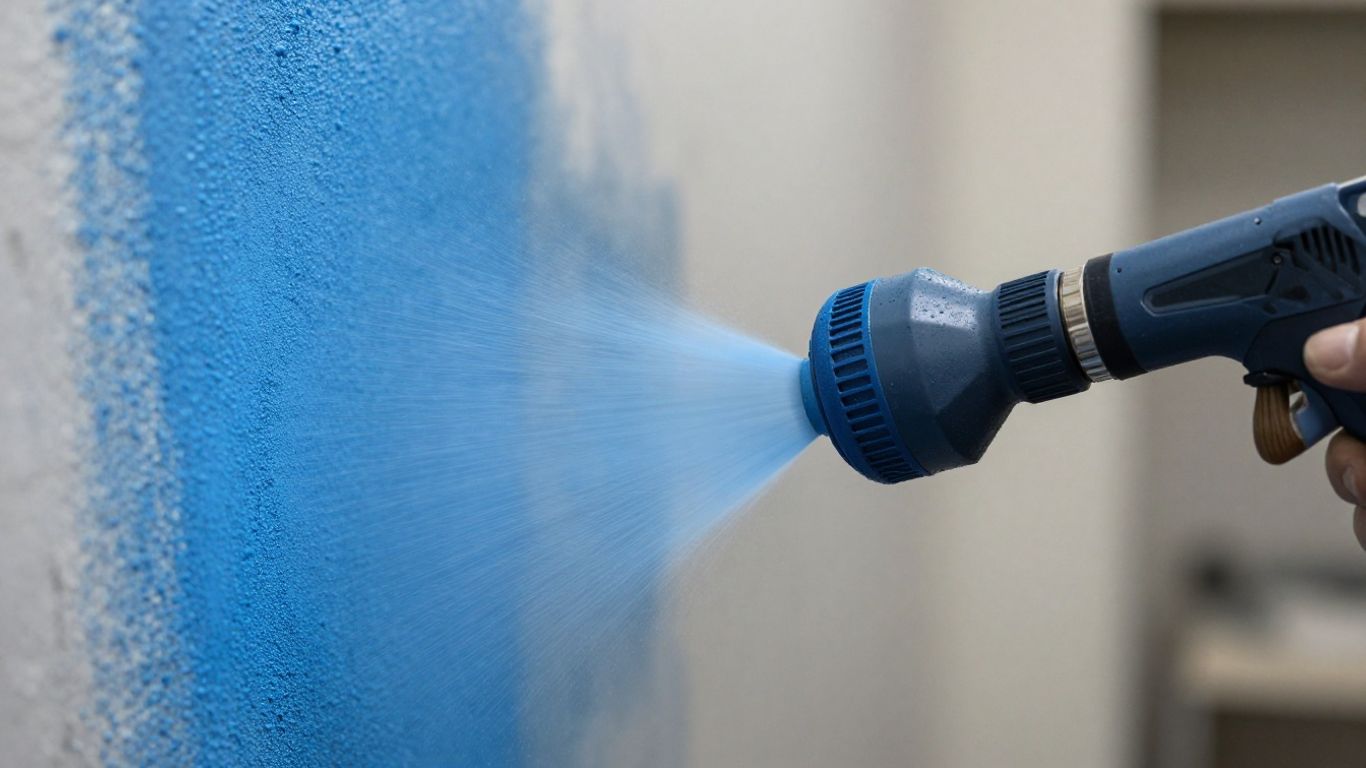
Thinking about tackling a painting project yourself? Maybe you’ve got a big wall to cover or some furniture that needs a refresh. Using a paint sprayer can really speed things up and give you a smooth finish, kind of like what you’d see from a factory. But with so many different painting sprayers out there, picking the right one can feel a bit overwhelming. Don’t worry, we’ve checked out some of the top options to help you find the best fit for your next job.
Key Takeaways
- Paint sprayers can save time and give a smooth finish, but they do take some practice to get used to.
- Airless sprayers are good for big jobs and thicker paints, while HVLP sprayers are better for detailed work and smaller projects.
- Before buying, think about what you’ll be painting and what kind of paint you’ll use, as different sprayers handle different tasks.
- Always plan for overspray by covering up nearby items or using a paint tent, and make sure you know how to clean your sprayer afterward.
- When choosing, consider factors like project size, how much you’ll move around, and how easy the sprayer is to clean.
1. Graco Magnum X5 Stand Airless Paint Sprayer

When you’re looking for a solid, dependable paint sprayer that won’t break the bank, the Graco Magnum X5 often comes up. It’s a popular choice for a reason, especially if you’re a DIYer or someone who tackles home improvement projects regularly but isn’t necessarily painting for a living. This airless sprayer is known for its ability to lay down a pretty smooth finish, which is a big step up from rollers and brushes, especially on larger surfaces.
This sprayer is a great middle-ground option, offering more power than basic handheld units without the complexity or cost of professional-grade equipment. It can handle a decent range of tasks, from smaller jobs like painting cabinets or furniture to larger ones like walls and ceilings. It’s not the best for super thick paints, mind you, but for most standard interior and exterior paints, it does a good job.
One of the things people seem to like about the Magnum X5 is that it’s not overly complicated to use. For those who might be a little intimidated by paint sprayers, this one tends to be pretty straightforward. The parts are usually clearly marked, and the instructions are generally helpful. Cleanup is also a point of praise, with some models even having cleaning tips printed right on them, which is handy.
Here’s a quick look at what you can expect:
- Engine Size: Around 0.5 HP
- Max Flow Rate: About 0.27 gallons per minute
- Max Pressure: Up to 3000 PSI
- Max Tip Size: Can handle up to a 0.015 tip
While it’s a capable sprayer, remember that airless models like the X5 tend to use a good amount of paint. You’ll also notice that it might leave some paint in the bottom of the bucket once the level gets low, so be prepared to buy a bit more paint than you might initially think. It’s a trade-off for the speed and finish you get.
Getting the right setup is key. The Magnum X5 usually comes with a standard tip and guard, but you can often swap these out for different sizes depending on the paint you’re using and the finish you want. It’s also worth looking into accessories like extension wands if you have high ceilings or want to cover large areas more quickly. For a reliable workhorse for your home projects, the Graco Magnum X5 is definitely worth considering.
2. Graco TrueCoat 360 DS Handheld Paint Sprayer
If you’re tackling smaller projects or need to get into tight spots, the Graco TrueCoat 360 DS Handheld Paint Sprayer might be your go-to. This thing is pretty compact, which is a big plus when you’re working in a cabinet or trying to reach awkward corners. It’s designed to be self-contained, meaning the paint goes right into a cup attached to the sprayer itself, so no long hoses to wrangle.
This sprayer is a solid choice for DIYers who need something straightforward for occasional use. It’s not really built for painting entire houses, but for things like furniture, doors, or trim work, it can do a decent job. Just remember, because the paint is in a cup, you’ll be refilling it more often on bigger tasks.
Here’s a quick look at what it offers:
- Portability: Its small size makes it easy to carry and use in confined areas.
- Ease of Use: Generally simple to get started with, especially for those new to sprayers.
- Project Suitability: Best for smaller jobs where you don’t need a huge amount of paint at once.
It’s definitely more budget-friendly than some of the larger, professional-grade units. Some folks find it a bit less durable for heavy, constant use, but for the average homeowner doing a weekend project or two, it often fits the bill perfectly.
While it’s not the most powerful sprayer out there, its convenience for specific tasks is undeniable. Think of it as a specialized tool for detailed work rather than an all-purpose painting machine.
3. Wagner Flexio 5000
The Wagner Flexio 5000 is a solid choice if you’re looking for a sprayer that balances cost and how well it works. It’s not the most expensive option out there, but it can handle bigger jobs pretty well. I found setting it up was pretty simple. You just fill up the paint bag, get the pump ready, and then you can start spraying. Wagner even includes a quick-start guide, which is a nice touch, especially if you’ve never used a sprayer before.
When I tested it, the paint came out pretty evenly, even when I held it at different angles, and I didn’t notice any sputtering or patchy spots. It’s also not too heavy, weighing in at around 15 pounds, so you can probably use it for a while without your arm getting too tired. It comes with two different nozzles, which is handy for switching between covering large areas and doing more detailed work.
| Feature | Specification |
|---|---|
| Weight | 15.32 lb |
| Power Source | Corded Electricity |
| Hose Length | 11.5 ft |
| Max Flow Rate | 0.14 GPM |
Cleanup is a bit more work than with some other types of sprayers, but it wasn’t too bad. You just run clean water through the pump to get the leftover paint out. It’s a good option for things like decks or fences, especially if you want something that won’t break the bank.
While the spray pattern isn’t as perfectly smooth as some of the high-end models, with a bit of practice and careful overlapping of your passes, you can achieve a really nice finish. The included carrying case is also a plus for keeping everything organized.
This sprayer is a good pick for larger projects where you need decent coverage without spending a fortune. It might not be the absolute best for super fine detail work, but for general painting tasks, it gets the job done.
4. Titan ControlMax 18V Backpack Paint Sprayer

For those jobs where you need to cover a lot of ground without being tethered to an outlet, the Titan ControlMax 18V Backpack Paint Sprayer really shines. This thing is built for mobility, letting you roam free on big projects like fences or siding.
It uses an 18-volt battery system, which means no cords to trip over or get in the way. The backpack design keeps the weight distributed, and the 9-foot hose gives you a decent reach. It’s designed to handle unthinned paints, which is a nice bonus, and its high-efficiency airless tech cuts down on overspray compared to older airless systems. The reservoir holds a good amount of paint, about 1.25 gallons, so you’re not stopping to refill every five minutes.
Here’s a quick look at what it offers:
- Power Source: 18V Battery
- Paint Capacity: 1.25 Gallons
- Hose Length: 9 feet
- Weight: Around 16.5 lbs (without paint)
It’s definitely heavier and a bit bulkier than handheld units, but for the freedom it provides on larger tasks, it’s a solid choice. Just remember that keeping the tip clean is important to avoid clogs, and Titan uses some of their own parts, so keep that in mind for maintenance.
This sprayer is a good pick if you’ve got a big fence to paint or need to cover the siding on your house. The backpack setup makes it way easier to move around than lugging a big machine, and not having a cord is a game-changer for those sprawling jobs.
5. Graco Magnum Prox19 Cart Airless Paint Sprayer
Alright, let’s talk about the Graco Magnum Prox19 Cart Airless Paint Sprayer. This one is definitely a step up if you’ve got bigger jobs on your plate. Think of it as the workhorse for homeowners who paint a lot, or maybe property managers who need to keep things looking fresh. It’s built to handle thicker paints without you having to water them down, which is a big plus when you’re trying to get a job done quickly.
One of the neat things about this sprayer is how it’s set up. It comes on a cart, which makes moving it around pretty easy, and it can hold either a 1-gallon or a 5-gallon bucket of paint. Plus, the hose is long – up to 150 feet from the pump – so you’re not constantly shuffling things around. The spray gun itself can swivel, making it easier to get into different spots without twisting yourself into a pretzel.
Here are some of the specs to give you a better idea:
- Engine Size: 0.875 HP
- Max Flow Rate: 0.38 GPM
- Max Pressure: 3000 PSI
- Max Tip Size: 0.019
- Weight: 51.6 pounds
Now, it’s not all sunshine and roses. This sprayer is pretty powerful, and if you’re just starting out with paint sprayers, it might feel a bit much. It takes some time to get the hang of it, so if you’re only painting a small fence once a year, this might be overkill. But if you’re serious about painting and want a tool that can keep up, the Prox19 is a solid contender.
While it’s part of Graco’s Pro line, it’s really on the entry-level side for actual pros. Still, for a dedicated DIYer or someone managing multiple properties, it offers a good balance of power and features without breaking the bank completely.
6. Graco Magnum X7
The Graco Magnum X7 is a real workhorse if you’re serious about tackling bigger paint jobs but aren’t quite looking for contractor-level equipment. This airless paint sprayer is a popular pick for homeowners planning to paint whole rooms, fences, decks, or even the exterior of a house. The X7 stands out for its fast performance, handy cart design, and reliability over long stretches of use.
Here’s a quick breakdown of its main specs:
| Feature | Details |
|---|---|
| Weight | 26 lbs |
| Engine Size | 0.625 HP |
| Max Flow Rate | 0.31 GPM |
| Maximum Pressure | 3000 PSI |
| Max Tip Size | 0.017 |
| Hose Length | 25 ft (upgradable) |
Some things folks really appreciate with the X7:
- Large jobs go a lot quicker compared to rolling or brushing—it can handle 1 or 5-gallon buckets straight from the siphon.
- The cart lets you move your machine around easily, which matters when painting big rooms, garages, or long fences.
- It uses Graco’s RAC (Reverse-A-Clean) spray tips, which make it super simple to handle clogs on the go.
But not everything is sunshine:
- It’ll burn through paint faster than you might expect, so prep for extra gallons.
- Overspray can be an issue, especially indoors or for first timers—mask carefully.
- It’s not ideal for super-thick paints unless you thin them per instructions.
If you want a mix of speed, power, and convenience for large personal projects, the Magnum X7 could easily be the sweet spot. Just set aside extra time for proper cleanup—airless sprayers demand it, and skipping steps will come back to bite you on your second or third use.
7. Wagner Control Pro 170
The Wagner Control Pro 170 is a solid choice if you’re looking to cut down on paint mess. It uses something called HEA (High Efficiency Airless) technology, which apparently cuts down on overspray by a good chunk, up to 55%. This is a big deal, especially for beginners, because it means less paint flying everywhere and less wasted material. You get a nice, smooth finish with it, making it good for walls, ceilings, and even siding.
This sprayer is particularly great for new painting contractors who want to keep things efficient and clean. It’s designed to give you a professional-looking result without all the usual fuss. Setup is pretty straightforward, and it’s not overly complicated to use once you get the hang of it. It’s a good option for those who want to tackle interior and exterior jobs without a huge learning curve.
Here’s a quick look at what it offers:
- Reduced Overspray: HEA technology minimizes paint mist.
- Smooth Finish: Delivers a consistent and even coat.
- User-Friendly: Designed for ease of use, especially for those new to spraying.
- Versatile Application: Suitable for walls, ceilings, siding, and other surfaces.
When you’re starting out, figuring out the best tools can feel like navigating a complex system, and sometimes the legal aspects of business can be just as tricky. Understanding how things like judicial review in tax works might seem unrelated, but it highlights how important clear processes are in any field.
While it’s not the most powerful sprayer on the market for massive jobs, its focus on reducing mess and providing a quality finish makes it a standout for many common projects. Cleanup is manageable, and the overall performance makes it a reliable tool for getting jobs done efficiently.
8. Titan ControlMax 1500
The Titan ControlMax 1500 is a solid choice if you’re looking for a sprayer that can handle a decent amount of work without breaking the bank. It’s not quite a pro-grade machine, but for a serious DIYer tackling larger projects, it hits a good spot. Think of it as a step up from those smaller handheld units, ready for things like painting a whole room or maybe even a fence.
This sprayer offers a good balance between power and ease of use for its class. It uses High Efficiency Airless (HEA) technology, which means it’s designed to put out less overspray than older airless models. That’s a nice bonus because it means less masking tape and fewer paint splatters to clean up later. Plus, it can handle unthinned paints, which is pretty convenient.
Here’s a quick look at what you can expect:
- Flow Rate: It’s got a decent flow rate, allowing you to cover surfaces relatively quickly. This is key when you’re trying to get a large area done in a reasonable amount of time.
- Tip Design: Titan uses a specific tip design that helps reduce overspray. While tip maintenance is always important with any airless sprayer to avoid clogs, this system is generally user-friendly.
- Versatility: It’s suitable for a range of projects, from interior walls to exterior siding. You can spray at different angles, which is helpful for getting into tricky spots.
While it’s not the lightest sprayer out there, and you’ll need to get used to the setup and cleaning process, the ControlMax 1500 generally performs well. It’s a workhorse that can make painting large areas much less of a chore compared to rolling or brushing.
When it comes to cleanup, it’s similar to other airless sprayers. You’ll need to flush the system with water and cleaner. It takes a bit of time, but keeping it clean is the best way to make sure it lasts and works right the next time you need it.
9. NEU MASTER Electric HVLP Spray Gun
If you’re just starting out or tackling smaller jobs, the NEU MASTER Electric HVLP Spray Gun could be a good fit. It’s pretty lightweight and straightforward to use, making it a decent option for things like trim, door frames, or giving a small interior wall a quick refresh.
This sprayer is best suited for smaller-scale indoor projects rather than heavy-duty exterior work. It’s a budget-friendly way to get into spraying.
Here’s a quick look at what it offers:
- Power: 600W
- Type: High Volume Low Pressure (HVLP)
- Hose Length: 6ft
- Ideal For: Trim, furniture, small walls, interior refresh jobs
Cleanup is generally simpler with HVLP sprayers compared to their airless counterparts. You’re usually looking at a rinse and flush process, which is a definite plus when you’re done painting. For those just dipping their toes into the world of paint sprayers, this NEU MASTER model offers a way to get started without a huge investment. It’s a tool that can help you achieve a smoother finish than brushing or rolling on smaller projects, and you can find it at a reasonable price point if you’re looking to buy a paint sprayer.
While this sprayer is good for smaller tasks, don’t expect it to handle large areas or thick paints. It’s designed for lighter duty and might require multiple coats for full coverage on larger surfaces. It’s more about precision on smaller items than speed on big walls.
10. Graco Project Painter
So, you’ve got a painting project lined up, maybe a room or two, or perhaps some outdoor furniture that needs a refresh. The Graco Project Painter is often the go-to for folks who aren’t painting pros but want a decent finish without all the fuss. It’s designed to be pretty straightforward, which is a big plus if you’re not super handy with tools. This sprayer aims to make DIY painting feel less like a chore and more like a manageable task.
It’s not exactly a professional-grade machine, but for what it costs and what it’s meant for, it does a respectable job. Think of it as a solid step up from using brushes and rollers for those bigger, but not massive, jobs. It’s good for getting paint onto walls and other surfaces relatively quickly.
Here’s a quick rundown of what you might expect:
- Ease of Use: Generally considered user-friendly, especially for beginners.
- Project Suitability: Best for interior walls, ceilings, fences, and decks.
- Cleanup: Like most sprayers, cleanup is a necessary step, but this model is designed to be relatively simple to manage.
- Portability: It’s not the heaviest sprayer out there, making it easier to move around your workspace.
When you’re starting out with a sprayer like this, it’s always a good idea to do a test run on some cardboard or scrap material first. This helps you get a feel for the spray pattern and how much paint is coming out. It’s also super important to protect anything you don’t want painted – drop cloths and masking tape are your best friends here. For more details on getting started with airless sprayers, checking out resources on airless paint sprayer basics can be really helpful.
Remember, even with a sprayer designed for ease, proper preparation is key. Masking off trim, covering floors, and ensuring good ventilation will save you a lot of headaches later on. Don’t skip these steps, no matter how eager you are to start spraying.
While it might not handle super thick paints or the most demanding professional jobs, the Graco Project Painter offers a good balance for homeowners looking to tackle their own painting projects efficiently.
Wrapping Up Your Project
So, you’ve looked at the different types of paint sprayers out there and figured out which one might be best for your next job. Remember, practice makes perfect, so don’t be afraid to test it out on some cardboard first. Taking the time to set up your space right and clean your sprayer afterward will save you a lot of headaches down the road. Whether you’re tackling a small piece of furniture or painting the whole house, using the right sprayer can really make a difference. Happy painting!
Frequently Asked Questions
What’s the difference between airless and HVLP sprayers?
Airless sprayers use high pressure to spray paint, making them great for big jobs like walls or houses because they cover a lot of area fast. HVLP sprayers use less pressure, which is better for smaller, more detailed work like furniture or trim, and they tend to be less messy.
Do I need to thin my paint before using a sprayer?
It depends on the sprayer and the paint. Some powerful airless sprayers can handle thicker paints without thinning. However, many sprayers, especially HVLP types, work best with paint that’s been thinned down a bit. Always check your sprayer’s manual to see what kind of paint it can handle.
How much paint do sprayers actually use?
Paint sprayers are pretty good at using paint efficiently, meaning they don’t waste as much as you might think. However, because they cover surfaces so quickly, you might go through your paint supply faster than if you were using a roller or brush. It’s good to have a little extra paint on hand just in case.
Is it hard to clean a paint sprayer?
Cleaning is super important for keeping your sprayer working well. Most sprayers need to be cleaned right after you use them. It can take some time, so think about how long it takes to clean when you’re deciding if a sprayer saves you enough time overall. Watching videos of how to clean a specific model can give you a good idea of what’s involved.
What’s the best way to prepare my painting area?
You’ll want to cover everything you don’t want painted, like floors, furniture, and windows, using drop cloths, plastic sheets, and painter’s tape. It’s also a good idea to wear a respirator mask to protect yourself from paint fumes and particles, especially when working indoors.
Can I use a paint sprayer for small touch-up jobs?
Yes, absolutely! While sprayers are known for tackling big projects quickly, there are many smaller, handheld models that are perfect for detailed work and touch-ups on furniture, trim, or cabinets. Just make sure you choose a sprayer that’s right for the scale of your job.


Leave a Reply