
Key Takeaways
Returning your vehicle to its former glory often requires more than just a quick touch-up, as understanding the nuances of professional body work is vital for any car owner. Here are the main points to consider when planning for a refresh or total overhaul of your car’s exterior:
- Professional shops utilize specialized equipment to ensure consistent, factory-grade results that are difficult to replicate at home.
- Proper surface preparation is the most labor-intensive and critical phase, directly impacting the long-term durability of the paint.
- Choosing between single-stage and multi-stage systems depends on your desired finish, durability requirements, and total budget constraints.
- The cost of auto painting is heavily influenced by the extent of damage, the level of disassembly required, and the quality of materials used.
- Regular maintenance, including protective coatings, is necessary to prevent premature oxidation and maintain the aesthetic value of new paint.
Understanding the scope of auto painting
Deciding to refresh a vehicle’s appearance involves understanding the specific needs of the car’s current finish. Whether addressing minor scratches or a complete aesthetic overhaul, assessing the damage early helps avoid unexpected costs down the road.
Difference between spot repair and full vehicle respray
Spot repair focuses on correcting damage in a contained area, such as a localized scratch or a paint chip on a fender. This process is ideal for maintaining the original finish on larger sections of the car, provided the color can be blended perfectly with the surrounding surface. Conversely, a full vehicle respray is an extensive process where the entire exterior is sanded, primed, and recoated, which is usually reserved for when the original finish has deteriorated significantly or the owner desires a total color change.
Assessing body condition and surface preparation requirements
Before any paint touches the metal, technicians must carefully evaluate the integrity of the underlying panels. Rust, small dents, or previous low-quality repairs can sabotage a new paint job if not properly addressed by Finding the best auto painting shops near you through a, which can help verify technician expertise. Surface preparation demands the removal of all contaminants, oils, and waxes to ensure the new material bonds securely to the substrate.
How oxidation and clear coat failure necessitate painting
Over time, UV exposure breaks down the protective clear coat, leading to a dull or chalky appearance known as oxidation. When this layer is compromised, the base coat is exposed to the elements, leading to rapid degradation and potential rust. If you find your car suffering from this, Explore exciting career opportunities or consult experts who can determine if a full repaint is the only viable path to restoring the vehicle to a factory-like state.
Comparing professional shop services versus diy kits
While some enthusiasts enjoy attempting their own repairs, the scale of professional work often involves specialized setups that home kits simply cannot match. High-end businesses like Maaco offer packages designed to balance durability and cost, providing a level of consistency that is hard to achieve without professional infrastructure.

Benefits of professional spray booths and equipment
Professional shops maintain controlled environments that are free from dust, moisture, and temperature fluctuations. This level of control is essential for preventing common defects like orange peel or particulate contamination, which often plague garage-based projects.
Safety considerations for handling automotive paints and solvents
Working with professional-grade automotive paints requires advanced personal protective equipment, including respirators and dedicated ventilation systems. Solvents used in thinning and cleaning are often highly volatile and toxic, meaning professional technicians with proper training are always the safer bet for both the individual and the environment.
Skill level required for achieving a factory-quality finish
Achieving a flawless result involves mastering the spray gun’s pressure settings, needle adjustments, and stroke consistency. Professional painters undergo extensive training, often over many years, to understand how different paint viscosities react to temperature and humidity. It is often a highly technical and demanding process that requires physical precision and a keen eye for subtle color variations.
Risks of improper paint application on vehicle resale value
An amateur job can significantly drop the value of a car if it shows signs of overspray, uneven texture, or clear coat peeling. Potential buyers often spot poor work immediately, and the cost to professionally correct a botched DIY attempt far exceeds what it would have cost to hire a pro in the first place.
Essential steps in the auto painting process
Professional auto painting is a disciplined sequence of events where every action dictates the final look of the vehicle. If you want to refine your knowledge, checking out Perfect Painter’s general home painting tips can offer insights into the meticulous nature of prep and coverage.
Dismantling trim and plastic components for clean edges
To ensure there are no visible tape lines, technicians meticulously remove door handles, side mirrors, light assemblies, and rubber trim. Leaving these items on the car during painting results in thick edges where paint cracks over time, whereas removing them allows for a seamless application that mimics the quality of factory production.
Sanding and priming techniques for optimal adhesion
Effective adhesion relies on creating a uniform surface texture, which is achieved through systematic sanding. Technicians use a variety of grit levels, starting coarse to knock down imperfections and ending fine to ensure a smooth transition. Following this, the priming process acts as a sealant that provides a stable base for the color layers to adhere to without risk of peeling.
Masking and protecting non-painted vehicle areas
Masking represents one of the most tedious manual tasks in the shop, requiring full enclosure of glass, interior upholstery, and mechanical components. A single gap in paper or tape can allow overspray to enter parts of the car where it does not belong, creating a huge cleanup headache later.
Precision color matching and spray gun calibration
Modern automotive paint software allows technicians to mix colors to the exact specifications of the manufacturer’s original code. Matching the right amount of metallic flake or pearl content is essential for blending perfectly into existing panels. The following table illustrates the standard workflow for a professional shop:
| Process Phase | Task Description | Time Estimate |
|---|---|---|
| Disassembly | Removing trim and hardware | 2-4 Hours |
| Prep & Sanding | Surface leveling and cleaning | 6-8 Hours |
| Masking | Covering non-painted surfaces | 3-5 Hours |
| Painting | Spraying base and clear coats | 4-6 Hours |
The timing for these steps can vary widely based on the size of the vehicle.
Choosing the right paint finish and color types
Selecting the visual profile of your vehicle is a mix of personal taste and practical concerns. When planning, you might want to look at Master the art of house painting or similar resources for general principles on finish types that cross over into industrial applications.
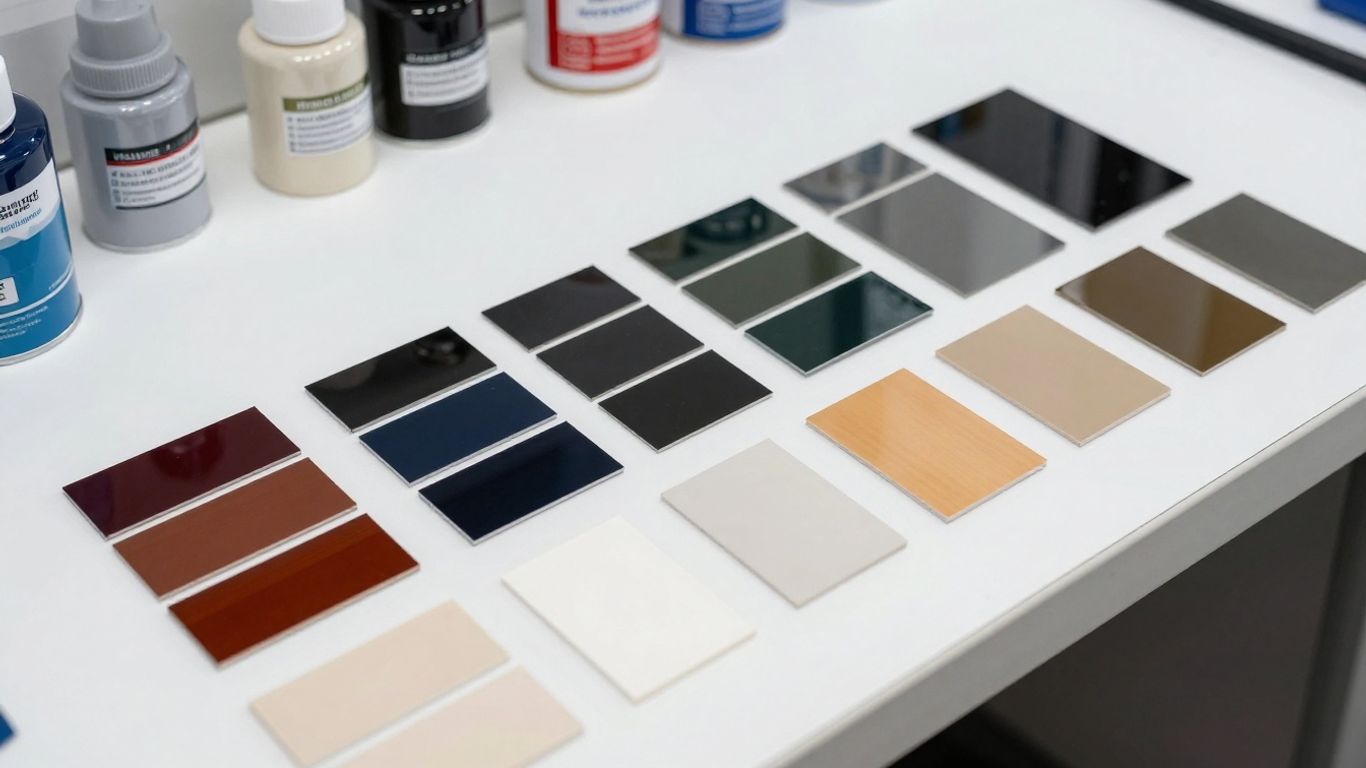
Single-stage versus base coat and clear coat systems
Single-stage systems mix the color and gloss components into one layer, which simplifies the application process but may lack the deep shine and UV resistance of multi-stage systems. Base coat and clear coat systems use a pigmented color layer protected by a thick glossy top layer, offering much better protection against environmental damage.
Characteristics of metallic, pearlescent, and solid finishes
Solid finishes are cost-effective and easy to maintain because they lack complex pigments that need to be oriented in specific directions. Metallic and pearlescent finishes, however, contain tiny reflective flakes that shift in light, creating a sense of depth that is widely considered the hallmark of a premium custom look.
Environmental impact and performance of waterborne versus solvent paints
Regulations in many regions have shifted the industry toward waterborne paints, which release fewer volatile organic compounds compared to traditional solvent-based systems. While solvent paints were historically praised for their ease of use, modern waterborne technology has improved to the point of rivaling the durability of their predecessors while being much safer for the shop staff.
Important factors affecting total auto painting costs
Understanding why estimates vary is crucial for managing your project budget. Often, the cost difference corresponds directly to how much time the technicians must spend on preparation rather than the cost of the paint itself.
Variability in labor rates based on shop location and tier
Professional shops in urban centers often carry higher hourly labor rates to offset higher overhead costs like rent and specialized insurance. A premium boutique shop typically spends more time per square inch of the vehicle, which is a major factor in their pricing compared to high-volume production facilities.
Impact of primer levels and number of coats on pricing
Using a higher-quality primer can prevent future issues like bubbling or rust, but it also increases the cost of materials. Additionally, applying three coats of color instead of two will double the material expense and add a significant amount of labor time to the shop’s estimate.
Cost differences based on vehicle size and body complexity
Painting a compact two-door sedan is fundamentally different from a large SUV or a truck with a complex cab and bed shape. The surface area increases, requiring more material, but the complexity of lines, body panels, and curves complicates the sanding and masking process, further driving up the cost. There are several professional maintenance steps that can help you protect your investment once it leaves the shop, if you follow the correct guidelines for your paint type.
Maintaining your new paint job for longevity
Once your car returns from the shop, the way you care for it over the first few months determines the longevity of the shine. To make your life easier, you should follow simple steps to ensure the finish remains protected in various weather conditions.
Recommended curing times before first wash or wax
Even if the paint feels dry, the chemical agents inside require weeks to fully outgas and harden properly. Washing the car or applying wax too early can seal in solvents, potentially trapping gases that cause the film to bubble or cloud permanently.
Best cleaning practices to avoid swirl marks
Hand washing using the two-bucket method is the standard for maintaining paint. Using fresh, clean microfiber mitts and drying with plush towels prevents the tiny abrasions that accumulate into noticeable swirl marks under direct sunlight.
Protective coatings like ceramic sealants for UV defense
Ceramic coatings form a semi-permanent chemical bond with the clear coat, creating a sacrificial barrier against acidic bird droppings, road grime, and harsh UV rays. These coatings effectively harden the surface, making it easier to clean and much more resistant to the degrading impact of long-term sun exposure.
Conclusion
Investing in professional auto painting transforms your vehicle from worn out to showroom-ready, but it is a process that requires patience and a budget that accounts for quality work. By prioritizing professional preparation, understanding the differences in paint systems, and committing to diligent maintenance upon completion, you can ensure that your car remains a point of pride for years to come. Do not hesitate to engage with highly regarded shops, as their expertise is the only true way to prevent long-term damage and preserve the beauty of your exterior finish.
Frequently Asked Questions
How long does a standard professional auto paint job take to complete?
A standard job generally requires between three to seven days, depending on the severity of the prep work needed. Highly customized or full-restoration projects extending beyond the metallic finish can extend this timeline significantly due to the need for multiple curing stages.
Can I paint my car in my own garage to save money?
While you can buy kits to do this, performing a high-quality job is exceptionally difficult without a dedicated dust-free environment and professional spray equipment. Most home-applied paints lack the UV protection and hardware quality necessary to survive outside for long periods without failing.
Why do some auto paint jobs look orange or textured?
This is commonly known as orange peel, which occurs when the paint does not flow out perfectly smooth while drying. It is usually caused by incorrect spray gun pressure, improper mixing ratios, or poor technique that prevents the droplets from merging before they set.
Is it necessary to remove all original paint before applying new layers?
No, in many cases the existing factory paint serves as an excellent base if it is sanded, cleaned, and primed correctly. Stripping a car down to the metal is typically only required if there is extensive rust or deep chemical damage across multiple body panels.
How does the color of the paint affect the final cost of the project?
While the raw cost of paint can vary slightly by brand, some colors require more layers or more expensive multi-stage pigments to reach the desired opacity. Exotic colors or those with high-density metallic flake may lead to higher pricing due to both the material cost and the increased time required for consistent application.
Will a new paint job cover up existing dents or bodywork damage?
Paint does not fill in dents; in fact, the glossy finish often makes existing imperfections more noticeable. A high-quality shop will always address the bodywork with fillers or panel replacement before any color is applied to ensure the surface is perfectly flat.
How often should I apply a protective coating to my new paint?
Depending on the specific product, high-quality ceramic sealants can last anywhere from one to three years. Traditional waxes or sealants should be reapplied every three to six months to maintain a consistent barrier against environmental factors like rain and sun exposure.


Leave a Reply