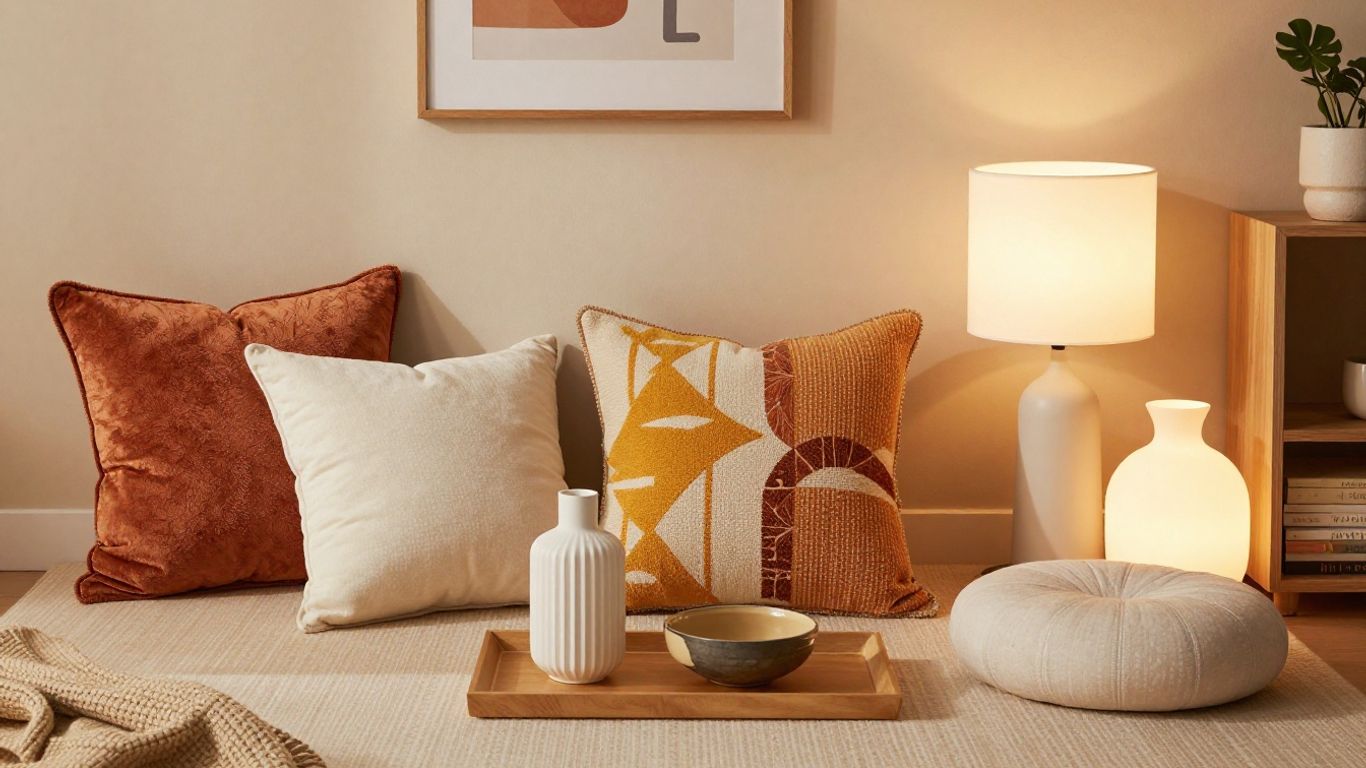
Thinking about refreshing your stock or finding new items for your business? The wholesale home decor scene is always changing, and keeping up can feel like a lot. But don’t worry, we’ve rounded up some of the hottest trends right now. Whether you’re into the classics or looking for something totally new, there’s something here that can help your business shine. Let’s take a look at what’s popular and what customers are really looking for in wholesale home decor.
Key Takeaways
- Patterned drinkware and glass ornaments are making a splash, offering unique visual appeal for customers. These items are great for adding a pop of color and personality to any home.
- Wall decor continues to be a major focus, with a growing demand for diverse styles that suit various tastes, from minimalist prints to bold, textured pieces.
- Textiles, including throws, pillows, and curtains, are essential for creating cozy and stylish living spaces. Look for natural materials and interesting textures.
- Accent furniture and lighting are key for defining a room’s style. Think about pieces that are both functional and decorative, like unique side tables or statement lamps.
- Decorative accessories, from vases to sculptural objects, provide the finishing touches that make a house feel like a home. These small items can have a big impact on a room’s overall look and feel.
1. Patterned Drinkware

Patterned drinkware is really having a moment in the home decor world. It’s not just about having a mug for your morning coffee anymore; it’s about making a statement. Think vibrant colors, intricate designs, and unique shapes that turn everyday items into conversation starters. Retailers are seeing a big demand for these kinds of pieces because they add personality to kitchens and dining areas.
These aren’t your grandma’s plain old glasses; they’re designed to be seen. Whether it’s a set of tumblers with a geometric print or wine glasses with a subtle etched pattern, customers are looking for ways to express their style through their tableware. This trend is also being influenced by a broader interest in artisanal and handcrafted goods, even if the items are mass-produced. People want things that feel a little special.
Here are a few popular styles you might want to stock:
- Geometric Prints: Think clean lines, squares, triangles, and abstract shapes in bold or muted color palettes.
- Floral and Botanical Designs: These can range from delicate, vintage-inspired blooms to modern, graphic leaves.
- Art Deco Revival: Expect to see influences from the 1920s and 30s, with bold symmetry, fan motifs, and metallic accents.
- Abstract and Watercolor Effects: Swirls of color, splatters, and organic shapes that give a unique, artistic feel.
The shift towards patterned drinkware reflects a larger consumer desire for items that are both functional and aesthetically pleasing. It’s about bringing joy and individuality into the home, one glass at a time. This makes it a great category for businesses looking to offer something fresh and exciting.
When sourcing, consider offering a mix of materials, like durable glass or even some stylish acrylic options for outdoor use. Also, think about how these pieces can be bundled. A set of patterned glasses paired with a matching pitcher or coasters can make for an attractive gift option or a complete look for customers. You can find a wide variety of champagne flutes and glasses available in bulk that fit various styles and price points, which is perfect for stocking up on these trending items.
2. Glass Ornaments
Glass ornaments are really having a moment, and it’s easy to see why. They add a touch of sparkle and sophistication to any space, whether it’s a holiday tree or just a decorative bowl on a coffee table. The market for glass, in general, is pretty big, with projections showing steady growth over the next decade. This means there’s a solid demand for these kinds of items.
What’s cool about glass ornaments is their versatility. You can find them in all sorts of shapes, sizes, and colors. Think delicate, hand-blown pieces that look like little works of art, or more robust, patterned ones that can handle a bit more wear and tear. They’re not just for Christmas anymore, either. People are using them year-round to add a bit of visual interest to shelves, mantels, and even as part of table centerpieces. The trend is leaning towards unique, artisanal-looking pieces that feel special.
When you’re stocking up, consider offering a mix:
- Clear glass ornaments: These are timeless and let light pass through beautifully.
- Colored glass ornaments: Offer a range of hues to match different decor styles or seasonal palettes.
- Textured or patterned glass ornaments: These add an extra layer of visual appeal and tactile interest.
- Figural ornaments: Think animals, stars, or abstract shapes for a more playful vibe.
It’s also worth noting that custom ornaments can be a big draw, especially for businesses looking to create branded items or special event favors. They’re a great way to build customer loyalty and make a lasting impression during gift-giving seasons. The global pressed and blown glass market is expected to see significant growth, so keeping a good stock of these decorative pieces makes a lot of sense for your business.
Shipping fragile items like glass ornaments requires careful packaging. Make sure your suppliers have robust methods in place to prevent breakage during transit. This protects your inventory and ensures customer satisfaction when they receive their orders intact.
3. Wall Décor
Wall decor is a huge category, and it’s really where people can show off their personal style. Think beyond just framed pictures, though. We’re seeing a lot of interest in textured pieces, like macrame hangings or woven tapestries. These add a cozy, handmade feel that’s really popular right now.
Another big trend is large-scale art. A single, impactful piece can really anchor a room. It doesn’t have to be expensive, either. There are tons of affordable options out there, especially if you look at independent artists or even consider DIY projects. The demand for wall art is increasing due to the popularity of minimalist design, the rise of DIY home decor projects, and growing homeownership rates.
Here are some popular types of wall decor to consider:
- Mirrors: Not just for checking your reflection, mirrors can make a space feel bigger and brighter. Think ornate frames or unique shapes.
- Shelving: Floating shelves or decorative bracket shelves are great for displaying smaller items like plants, photos, or little trinkets.
- Wall Hangings: This includes tapestries, macrame, and even unique textile pieces.
- 3D Wall Panels: These add architectural interest and can create a dramatic focal point. Some options are quite budget-friendly, making dramatic transformations accessible without breaking the bank [c5f5].
- Gallery Walls: A curated collection of smaller frames, photos, and art pieces arranged together.
People are also getting creative with how they use wall decor. Instead of just hanging things, some are leaning large pieces against the wall or creating layered displays. It’s all about making a statement and adding personality to a space. The market for decorative wall pieces is definitely growing [17d5].
4. Textiles
Textiles are a huge part of making a house feel like a home, and this year, we’re seeing some really interesting shifts in what’s popular. Think beyond just throw pillows and blankets, though those are still big. We’re talking about everything from curtains and rugs to wall hangings and even upholstered furniture fabrics. The whole textile home decor market is growing, and it’s expected to keep going up.
Bold patterns and natural fibers are really making a statement. People are moving away from super minimalist looks and embracing more texture and color. This means you’ll see a lot more geometric prints, abstract designs, and even some vintage-inspired florals. On the material front, expect to see a lot of linen, cotton, wool, and even some recycled materials. These natural fibers not only look good but also feel good and are often more sustainable.
Here are some key textile trends to keep an eye on:
- Bold Prints: Don’t shy away from large-scale patterns. Think abstract art translated onto fabric, or even playful animal motifs.
- Texture Play: Mixing different textures is huge. Think chunky knits alongside smooth velvets, or rough linen paired with soft cotton.
- Sustainable Materials: Consumers are more aware of where their products come from. Offering items made from organic cotton, recycled polyester, or other eco-friendly materials is a smart move.
- Layering: Encourage customers to layer different textiles. A textured rug under a patterned throw, with a few solid-colored pillows – it all adds depth.
When it comes to selling textiles, especially online, details matter. Customers want to know about the materials, the care instructions, and how it will look in their space. Providing high-quality images, including lifestyle shots, is super important. Also, consider offering fabric swatches, like Arhaus does, so customers can feel the material before they buy. It makes a big difference in their confidence to purchase.
The demand for textiles in home decor is really picking up. It’s not just about adding a pop of color anymore; it’s about creating a whole mood and feeling within a room. People are looking for pieces that tell a story and add personality, whether that’s through a vibrant rug or a set of uniquely patterned curtains.
5. Accent Furniture
Accent furniture is all about those pieces that add personality and function to a room without being the main event. Think side tables, unique stools, console tables, and smaller chairs that fill in the gaps and tie a space together. These items are perfect for adding a pop of style or a bit of extra utility where it’s needed most.
The real magic of accent furniture lies in its versatility. It can completely change the feel of a room. A sleek, modern side table can update a traditional living room, while a rustic wooden stool might be just the thing to add warmth to a minimalist space. When sourcing, consider the materials and finishes that will best complement your existing inventory and the overall aesthetic you’re aiming for. Wood, metal, acrylic, and even concrete are all popular choices right now, offering a wide range of looks.
Here are some types of accent furniture that are trending:
- Console Tables: Great for entryways or behind sofas, offering a surface for lamps, decor, or keys.
- Accent Chairs: A single, stylish chair can create a cozy reading nook or a focal point in a corner.
- Stools & Ottomans: These are super flexible, working as extra seating, footrests, or even impromptu side tables.
- Small Side Tables: Perfect next to sofas or beds, providing a convenient spot for drinks or books.
When customers are shopping for these pieces, they often look for items that stand out. This could mean a piece with an unusual shape, a bold color, or an interesting texture. For example, sculptural vessels with knobby, polka-dot textures are becoming popular for adding a tactile element [0b29]. It’s these kinds of details that make a space feel curated and personal.
Sourcing accent furniture that offers both style and practicality is key for retailers. Customers want pieces that not only look good but also serve a purpose, whether it’s providing extra storage, seating, or a surface for display. The trend is leaning towards items that can adapt to different needs and spaces.
Don’t forget about the materials. Natural elements are still huge, so pieces that combine wood with rattan or other organic textures are really catching on [f772]. This blend of natural materials and thoughtful design creates furniture that feels both grounded and sophisticated. It’s about creating inviting spaces with pieces that have character.
6. Lighting

Lighting is more than just functional; it’s a key element in setting the mood and highlighting your decor. This year, we’re seeing a big push towards statement pieces that really grab attention. Think oversized pendant lights that become the focal point of a room, or dramatic chandeliers that add a touch of elegance. It’s not just about brightness anymore; it’s about design and making a visual impact.
When choosing lighting for your business, consider these popular trends:
- Statement Chandeliers: These aren’t your grandma’s chandeliers. Modern designs are bold, often featuring unique materials or geometric shapes. They’re perfect for dining rooms, entryways, or even living areas where you want to add a bit of drama.
- Artisanal Table Lamps: Handcrafted or uniquely designed table lamps are gaining traction. Look for lamps with interesting bases made from ceramic, wood, or even recycled materials, paired with textured or patterned shades.
- Smart Lighting Solutions: Integrated smart technology is becoming a must-have. This includes bulbs and fixtures that can be controlled via apps, voice commands, or set on schedules, offering convenience and energy efficiency.
- Natural Materials: Fixtures incorporating wood, rattan, bamboo, and stone are very popular, bringing a touch of nature indoors and fitting well with various decor styles.
The farmhouse aesthetic, in particular, is embracing larger, more dramatic fixtures. This shift means homeowners are looking for pieces that make a statement, moving away from smaller, more understated options. It’s a great opportunity to stock up on eye-catching wholesale indoor lighting solutions that can transform a space.
When stocking lighting, remember that customers often buy based on the overall look and feel. High-quality images showing the fixtures in different room settings are super important. Also, providing clear details about size, materials, and the type of bulb needed will help customers make confident choices. Don’t forget to consider the growing demand for energy-efficient options like LED bulbs, which are both eco-friendly and cost-effective in the long run.
7. Upholstered Furniture
When it comes to upholstered furniture, think comfort meets style. This category is all about pieces that invite you to sit down and stay awhile, but also look good doing it. We’re seeing a big push towards pieces that offer both plush comfort and a distinct design statement.
The trend is leaning towards versatile pieces that can adapt to different spaces and styles. Think modular sofas that can be reconfigured, or accent chairs with unique silhouettes that become a focal point.
Here are some key types of upholstered furniture making waves:
- Sofas and Sectionals: From deep-seated, sink-in styles to more structured, modern designs, sofas and sectionals remain a staple. Look for interesting textures in the upholstery, like boucle, velvet, or performance fabrics that are easy to clean.
- Accent Chairs: These are where designers really get to play. Expect to see chairs with bold colors, unique leg finishes, and eye-catching shapes.
- Ottomans and Poufs: These are no longer just footrests. They’re functional pieces that can add a pop of color, extra seating, or even serve as a makeshift coffee table when topped with a tray.
- Chaises and Loungers: For a touch of luxury, chaises and loungers are perfect for creating a cozy reading nook or a relaxing corner.
When sourcing, pay attention to the construction and materials. Customers want pieces that are not only beautiful but also built to last. Offering custom fabric options can be a big draw, allowing buyers to truly personalize their selections. This is a great way to differentiate your wholesale upholstered furniture offerings.
Customers are increasingly looking for furniture that reflects their personal style while also being practical for everyday life. This means durable fabrics, comfortable designs, and pieces that can easily integrate into existing decor. The focus is on creating a home that feels both inviting and stylish.
Consider the logistics of selling larger items. Clear product descriptions detailing dimensions, materials, and assembly requirements are a must. Also, think about shipping and delivery options. Offering white-glove service for these larger items can really set you apart.
8. Rugs
Rugs are more than just floor coverings; they’re statement pieces that can totally change the feel of a room. This year, we’re seeing a big shift away from those cool grays that have been everywhere. Instead, think warmer, earthier tones. Shades like sand, camel, soft brown, and terracotta are really taking off. These colors just make a space feel cozier and more inviting.
When you’re stocking up, consider offering a mix of styles. You’ve got your classic vintage-inspired patterns that never go out of style, and then there are the modern geometric designs that add a clean, contemporary vibe. It’s good to have options in different sizes and textures too, so customers can find the perfect fit for any room. Offering a variety of textures, from plush shags to flat weaves, can really appeal to different customer preferences.
Here are some popular rug types to consider:
- Shag Rugs: Super soft and cozy, great for bedrooms or living rooms.
- Flatweaves: Durable and easy to clean, good for high-traffic areas.
- Jute/Sisal Rugs: Natural fibers that add a rustic or bohemian touch.
- Persian/Oriental Rugs: Timeless patterns that bring a touch of elegance.
- Geometric Rugs: Modern designs that add visual interest.
Customers are also looking for rugs that are practical. Think about options that are easy to clean, especially for homes with kids or pets. Machine-washable rugs, for example, have become a huge hit because they solve a real problem for people. It’s all about finding that balance between style and everyday usability. You can find a great selection of these rugs to complement any room’s decor. Explore the collection to find the ideal rug for your space.
Customers appreciate being able to visualize how a rug will look in their home. Offering tools or detailed descriptions that help them imagine the rug in their own space can make a big difference in their purchasing decisions.
9. Decorative Accessories
Decorative accessories are the little things that really make a house feel like a home, right? For your business, stocking up on these items is a smart move. They’re often impulse buys and can really add personality to a space. Think beyond just basic vases and picture frames. We’re seeing a big push for unique, artisanal pieces that tell a story.
The trend is leaning towards items that feel personal and handcrafted. This could be anything from hand-painted ceramic bowls to small, quirky sculptures. People are also looking for accessories that serve a dual purpose – something that looks good but also has a function. For example, decorative trays are great for corralling remotes or keys, and stylish bookends can hold up your favorite reads while looking chic on a shelf.
Here are some categories to keep an eye on:
- Statement Vases: Not just for flowers anymore. Oversized, uniquely shaped, or textured vases can stand alone as art pieces.
- Artful Bookends: Functional decor that adds character to bookshelves.
- Decorative Trays: Perfect for coffee tables, ottomans, or entryways to organize and style.
- Small Sculptures & Figurines: Unique pieces that reflect personal style or current themes.
- Candle Holders & Lanterns: These add ambiance and can be styled in multiples.
Sustainability is also a big deal here. Customers are asking for decor made from recycled materials like glass or reclaimed wood. It’s a good way to appeal to eco-conscious shoppers. You can find a lot of these kinds of items at places that specialize in wholesale home décor items.
Consumers, especially younger ones, are spending more on these smaller touches. They want their spaces to reflect their individuality, and accessories are the easiest way to do that without a major renovation.
Don’t forget about seasonal items too. Think festive ornaments for holidays or themed decor for specific seasons. These are great for driving repeat business. The variety available in the wholesale market means you can cater to almost any customer’s taste or hobby. It’s all about offering those finishing touches that complete a room.
10. Outdoor Furniture
When it comes to outdoor furniture, think about how people actually use their outdoor spaces. It’s not just about having a place to sit; it’s about creating an extension of the home where relaxation and entertainment can happen. This market is growing, too. The global outdoor furniture market is projected to expand from $52.96 billion in 2025 to $55.34 billion in 2026, showing a steady compound annual growth rate.
Customers are looking for durable, stylish pieces that can withstand the elements while also complementing their home’s aesthetic. This means materials like treated wood, powder-coated metal, and weather-resistant fabrics are key. Consider offering a range of styles, from modern and minimalist to rustic and bohemian, to appeal to different tastes.
Here are some popular categories to stock:
- Seating: Think comfortable lounge chairs, sturdy benches, and dining sets. Don’t forget accessories like cushions and throw pillows made from outdoor-specific materials.
- Tables: Coffee tables, side tables, and dining tables are essential for functionality. Look for options with durable surfaces that are easy to clean.
- Shade Solutions: Umbrellas, canopies, and pergolas are important for comfort and can be a significant selling point.
- Decorative Elements: Outdoor rugs, lanterns, planters, and fire pits can transform a basic patio into a cozy retreat.
The demand for outdoor furniture is influenced by seasonal trends, but also by a growing desire for comfortable and functional outdoor living areas. Retailers should plan inventory accordingly, perhaps looking into options like dropshipping or partnering with brands that offer flexible fulfillment to manage stock effectively throughout the year.
When sourcing, pay attention to the construction quality. Customers want pieces that will last. Look for strong joinery, rust-resistant hardware, and UV-protected finishes. Offering a variety of price points will also help you capture a wider customer base. You might also want to explore sustainable outdoor furniture options as eco-consciousness continues to grow among consumers.
Wrapping It Up
So, keeping up with what’s popular in home decor is a big deal for your business. Whether it’s the latest colors, materials, or just that perfect accent piece, knowing the trends helps you pick items that customers will actually want to buy. It’s not always easy to spot what’s next, but by paying attention and maybe partnering with suppliers who know their stuff, you can make sure your shop is full of things people are looking for. Good luck out there!
Frequently Asked Questions
What are the most popular home decor trends right now?
Right now, people are really into unique patterned drinkware and colorful glass ornaments. Also, wall art, cozy textiles, and stylish accent furniture are big sellers. Lighting that makes a statement and comfortable upholstered furniture are also in demand.
Why is it important for businesses to follow home decor trends?
Following trends helps your business offer what customers are looking for. When you have stylish and popular items, customers are more likely to buy from you, helping your business grow and make more money.
How can I find wholesale suppliers for these trending home decor items?
You can find wholesale suppliers at trade shows like Atlanta Market, or by looking for specialized wholesalers who focus on specific items like glass decor. Many suppliers also showcase their products online.
What are the biggest challenges when selling home decor online?
A big challenge is that customers can’t see or touch the items before buying, which can make them hesitant or lead to returns. Also, shipping costs and figuring out how to safely deliver large or fragile items can be tricky.
How can a small business compete with larger home decor stores?
Focus on offering special, unique items that larger stores might not have. Build a strong brand story that connects with your customers. Providing excellent customer service and partnering with influencers can also give you an advantage.
What makes patterned drinkware and glass ornaments popular?
These items are popular because they add a pop of color and personality to homes. They are often seen as affordable ways to update a space and make everyday moments feel more special. People like items that are both functional and beautiful.


Leave a Reply