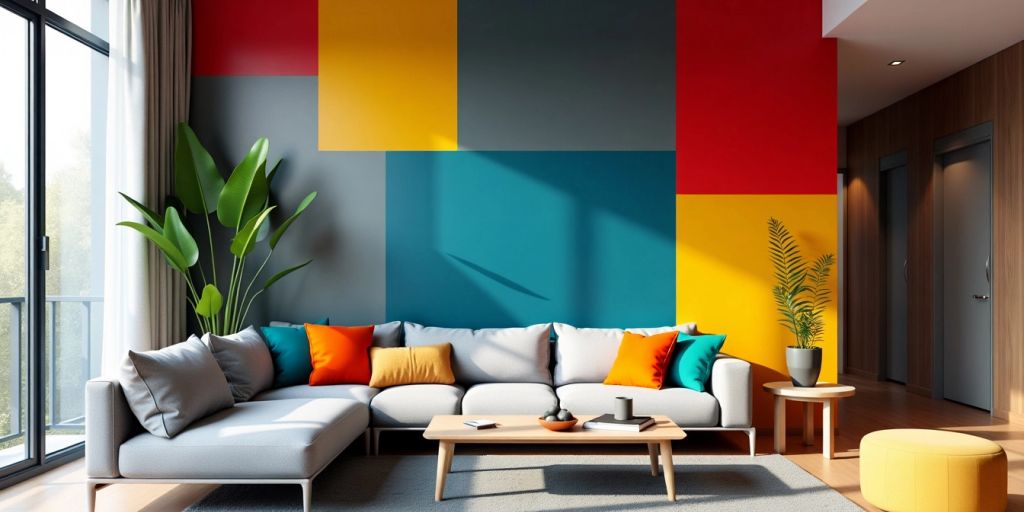
Are you looking to give your space a fresh, new look? Creative wall paint designs can make a huge difference in transforming any room. From bold murals to calming ombre effects, there’s a design for every style and preference. Let’s explore some exciting wall paint ideas that can turn your space into a masterpiece.
Key Takeaways
- Murals can add a unique and personal touch to any room, serving as a focal point and sparking imagination.
- Ombre walls create a calming effect and can mimic natural elements like the sky, adding depth to your space.
- Chalkboard paint is both fun and functional, perfect for kitchens, children’s rooms, and home offices.
- Accent walls can highlight key areas in a room, allowing for bold color or pattern experimentation without overwhelming the space.
- Innovative ceiling paint ideas can extend wall designs to the ceiling, adding a unique and unexpected element to your decor.
Murals and Artistic Designs
Creating a Focal Point with Murals
Murals can turn any wall into a stunning piece of art. Consider wall decor ideas like murals to fill blank space in your abode. Whether it’s a landscape, abstract art, or a playful pattern, murals can create a focal point that draws attention and adds personality to your room. They are especially effective in children’s rooms or as a centerpiece in living areas.
Choosing the Right Theme for Your Space
Selecting the right theme for your mural is crucial. Think about what inspires you or what atmosphere you want to create. From serene nature scenes to bold abstract designs, the theme should reflect your personal style and complement the room’s decor. A well-chosen theme can make your space feel more cohesive and inviting.
DIY vs. Professional Murals
Deciding between a DIY mural and hiring a professional depends on your skill level and the complexity of the design. DIY murals can be a fun and rewarding project, allowing you to express your creativity. However, for more intricate designs or a polished finish, a professional artist can bring your vision to life with expertise and precision.
Murals add a personal and unique touch to your space, making it truly one-of-a-kind.
Ombre Walls for a Calming Effect

Selecting Colors for Ombre Walls
Choosing the right colors is key to creating a beautiful ombre wall. Start with three shades: dark, medium, and light. You can mix these to create in-between shades. For a calm and peaceful look, consider using a calm blue & white ombre wall mural. This gradual fade from dark to light is easy on the eyes and mind.
Techniques for a Smooth Gradient
To achieve a smooth gradient, begin by painting the darkest color at the bottom of the wall. Next, paint the medium shade above it, leaving a small gap. While the paint is still wet, use vertical strokes to blend the colors. Repeat this process with the lighter colors as you move up the wall. This technique ensures a seamless transition from dark to light.
Incorporating Ombre in Different Rooms
Ombre walls can be used in various rooms to create different effects. In a bedroom, they can add a touch of tranquility. In a living room, they can serve as a subtle yet elegant backdrop. Even in a hallway, ombre walls can make the space feel more open and inviting. The versatility of ombre makes it a great choice for any room in your home.
Functional and Fun Chalkboard Paint
Practical Uses in the Kitchen
Chalkboard paint can be a game-changer in the kitchen. A section of the wall painted with blackboard paint can serve as a family calendar, menu planner, grocery list, or message board. This makes it easy to keep track of daily tasks and events. You can also use it to jot down recipes or cooking tips while you work.
Encouraging Creativity in Children’s Rooms
In children’s rooms, chalkboard paint offers a fun and creative outlet. Kids can draw, write, and express themselves freely without worrying about making a mess. It turns any wall into an interactive space where imagination can run wild. Plus, it’s easy to clean, so kids can start fresh whenever they want.
Integrating Chalkboard Paint into Home Offices
Chalkboard paint isn’t just for kids and kitchens; it’s also great for home offices. Use it to create a large, writable surface for brainstorming sessions, to-do lists, or important reminders. It can help keep your workspace organized and your mind focused. Whether you’re planning projects or jotting down quick notes, chalkboard paint adds a functional and stylish element to your office.
Accent Walls to Highlight Key Areas
Choosing the Perfect Wall for an Accent
When selecting an accent wall, look for an architectural feature that can benefit from an accent wall, especially one with texture such as a fireplace, brick wall, or built-in bookcase. This can create a natural focal point in the room.
Color and Pattern Ideas for Accent Walls
- Bold Colors: Use bright hues like orange or blue to make a statement.
- Patterns: Consider stencils, wallpaper, or even a mural to add visual interest.
- Textures: Materials like wood paneling or stone can add depth and character.
Balancing Accent Walls with Room Decor
To ensure your accent wall complements the rest of the room, keep the following tips in mind:
- Coordinate Colors: Match the accent wall color with other elements in the room, like furniture or decor.
- Balance Boldness: If your accent wall is very bold, keep the rest of the room neutral to avoid overwhelming the space.
- Use Accessories: Decorate the accent wall with items that enhance its design, such as artwork or shelves.
An accent wall can dynamically change the perception of space, adding depth and interest. It allows for experimentation with bold colors or patterns in a more controlled manner, enabling personal expression and design flair without the commitment of painting the entire room.
Innovative Ceiling Paint Ideas

Extending Wall Designs to the Ceiling
One way to make your room feel more cohesive is by extending your wall designs to the ceiling. This can create a seamless look that ties the whole room together. For example, if you have a geometric pattern on your walls, consider continuing that pattern onto the ceiling. This approach can make the room feel larger and more unified.
Using Bold Colors on Ceilings
Adding a pop of color to your ceiling can bring a unique and unexpected touch to your space. Choose a color that complements the rest of your room’s decor for a cohesive look, or go bold with a contrasting hue for a more eye-catching effect. Bold colors can add a zing of excitement and personality to your room.
Creating Patterns and Textures Overhead
Patterns and textures aren’t just for walls—they can be stunning on ceilings too. From geometric designs to nature-inspired patterns, there are endless possibilities. You can use paint, wallpaper, or even wood detailing to achieve the look you want. This can add depth and interest to your room, making it truly stand out.
Don’t overlook your ceiling when planning your room’s design. It offers a great opportunity to add creativity and style to your space.
Textured Paint Techniques
Textured paint techniques can add depth and interest to your walls, making them stand out. These methods can simulate various natural textures, offering a tactile element that enhances the sensory experience of a space. Additionally, textured finishes can help conceal imperfections in the wall’s surface, making them practical as well as aesthetically pleasing. Whether aiming for a subtle effect or a more dramatic impact, textured paints provide an avenue for creativity and personal expression in home decor.
Geometric Patterns and Shapes
Planning Your Geometric Design
Before you start, it’s important to plan your geometric design. Sketch your ideas on paper first to visualize the final look. Consider the size and shape of your wall, and how the design will fit into the overall room decor. This step helps you avoid mistakes and ensures a cohesive look.
Using Tape for Clean Lines
To achieve clean lines, use painter’s tape. Mark off your design on the wall with the tape, making sure it’s firmly pressed down to prevent paint from seeping underneath. This technique is especially useful for creating sharp, precise shapes like chevrons, stripes, or abstract forms.
Mixing and Matching Colors and Shapes
Experiment with different colors and shapes to create a dynamic and modern look. You can use contrasting colors for a bold effect or different shades of the same color for a more subtle appearance. This approach adds energy and character to any room, making it feel more lively and interesting.
Here’s how to paint a geometric wall in your nursery, with three colors of paint and wooden initial letters. It’s easy and creates a fun look that everyone will love.
Conclusion
In conclusion, transforming your space with creative wall paint designs is a fun and effective way to make your home truly unique. Whether you choose to paint a mural, try an ombre effect, or use chalkboard paint, there are endless possibilities to explore. These ideas not only add color and personality to your rooms but also create an inviting and inspiring atmosphere. So grab your paintbrushes and let your imagination run wild. Your walls are the perfect canvas to express your creativity and make your space feel like home.
Frequently Asked Questions
What are some easy wall paint designs for beginners?
Simple designs like stripes, polka dots, or color blocking are great for beginners. You can use painter’s tape to help keep lines straight and create clean edges.
How can I create an ombre effect on my walls?
To make an ombre wall, pick a few shades of the same color. Start with the darkest shade at the bottom and gradually blend to the lightest shade at the top. Using a sponge or brush, blend the colors where they meet to create a smooth transition.
Is chalkboard paint easy to clean?
Yes, chalkboard paint is easy to clean. You can wipe off chalk with a dry or damp cloth. For tougher stains, a bit of mild soap and water should do the trick.
Can I paint a mural myself or should I hire a professional?
It depends on your skill level and confidence. DIY murals can be fun and personal, but hiring a professional can ensure a polished and detailed result, especially for complex designs.
What colors work best for accent walls?
Bold or contrasting colors often work well for accent walls. Think about the room’s existing color scheme and choose a color that stands out but still complements the other walls and decor.
How do I add texture to my painted walls?
You can use sponges, brushes, or textured rollers to add texture to your walls. Metallic finishes or combining different textures with color can also create interesting effects.


Leave a Reply