
Key Takeaways
Curating a home requires a balance of personal taste and high-quality finds from specialized digital marketplaces. Here are the core pillars of shopping for home decor online:
- Prioritize platforms that offer deep curation over massive inventory scales.
- Identify shops that align with your specific design aesthetic like minimalism or bohemian.
- Look for retailers that champion independent designers to ensure unique pieces.
- Verify shipping and return policies before making a significant investment.
- Combine vintage and modern items to create a layered, intentional space.
1. What defines a curated online home decor boutique
A curated online home decor boutique functions differently than a mass-market furniture retailer. Instead of focusing on volume, these shops prioritize a cohesive vision that filters out the noise of generic interior design trends. Every item in their catalog is selected to work well within specific stylistic frameworks, allowing a shopper to trust that their purchase will likely complement other pieces found on the same platform.
These boutiques often rely on a deep understanding of craft and provenance. When you shop at an online home decor boutique, you are typically buying into a narrative established by the shop owner or their buying team. This removes the intimidation of browsing thousands of irrelevant pages, as the variety is restricted to high-quality selections that meet a specific design bar.
Beyond the visuals, these businesses place a heavy emphasis on storytelling. They provide detailed information about artists and makers, which helps build a connection between the item and the person who created it. This focus not only guarantees a stylish home but also ensures your living space feels authentic to your personal preferences and values.
2. Sustainable and eco-friendly home decor brands

Finding brands that prioritize planetary health is becoming simpler as consumers demand more transparency in manufacturing. Sustainable decor involves using recycled, repurposed, or responsibly harvested materials, such as reclaimed wood, bamboo, or organic cotton. Many boutiques are now dedicated entirely to this philosophy, ensuring that your home environment is as healthy for the planet as it is visually appealing.
By choosing shops that focus on sustainable solutions, you can reduce your carbon footprint significantly. These retailers work closely with artisan collectives to monitor the impact of their production processes. Supporting these makers ensures that the items in your home are not only beautiful but also created through low-impact methods that avoid harmful synthetic chemicals or exploitative labor practices.
This shift toward ethical consumption has transformed how we style our living spaces. Instead of replacing decor frequently, shoppers are opting for heirloom-quality goods that stand the test of time. This approach to purchasing, often referred to as slow home design, emphasizes the longevity of materials and the enduring appeal of classic construction techniques.
3. Artisanal handcrafted decor for a personal touch
Authentic, handcrafted decor provides a warmth that mass-produced factory items simply cannot replicate. These pieces carry the distinct marks of the artisan, from slight variations in color to unique textures in the finish. When you purchase from small online decor shops, you invite a sense of history and human labor into your living room or kitchen.
Integrating handmade items requires an appreciation for detail. A hand-thrown ceramic vase or a woven wall hanging can act as a conversation piece, breaking up the symmetry of a rigid room design. Because these items are produced in smaller batches, they are inherently limited, meaning you are unlikely to find replicas in every one of your neighbor’s homes.
Here is a simple way to group your artisanal finds for maximum impact in a room:
| Item Type | Material | Styling Purpose |
|---|---|---|
| Woven Basket | Natural Seagrass | Textural contrast |
| Hand-thrown Vase | Stoneware | Focal centerpiece |
| Wall Tapestry | Organic Fiber | Softening wall acoustics |
By strategically balancing these pieces, you can maintain a sophisticated look while ensuring the room feels welcoming. This balance keeps the space from feeling like a sterile showroom, instead creating a lived-in atmosphere that reflects your refined, worldly taste.
4. Mid-century modern online interior boutiques
Mid-century modern design remains a perennial favorite for its clean lines, tapered legs, and emphasis on structural integrity. Boutiques specializing in this era often curate a mix of authentic vintage pieces and high-quality reproductions that honor the original aesthetics of the 1950s and 60s. These items often feature rich materials like teak, leather, and smoked glass.
If you are aiming for this aesthetic, look for places that provide best home decor stores lists or specialized archives. These resources often highlight shops that know the difference between a mid-century style piece and an genuine vintage find. Understanding this distinction is vital, as it influences both the price point and the resale value of your decor collection later on.
Ultimately, collecting mid-century housewares is about the interplay between form and function. These pieces were designed to be used, not just admired behind glass. Investing in a staple piece like a sideboard or a lounge chair creates an immediate focal point that anchors your room, allowing you to build the rest of your decor around those iconic shapes.
5. Minimalist decor shops for a clutter-free aesthetic
Minimalism is less about emptiness and more about intentionality. When choosing from stylish home furnishings, true minimalist shops focus on pieces with muted color palettes, simple geometries, and high-quality materials. The idea is to reduce visual distraction so that the items you choose truly shine within the space.
To achieve this look, you may also consider incorporating versatile pieces like a double sheepskin rug that provides warmth without adding complex patterns or colors. In a minimalist environment, texture becomes your primary design tool. Where color might have previously drawn the eye, now the tactile experience of a soft surface contrasted against a rigid wooden floor creates the interest.
Maintaining this aesthetic requires rigorous editing of your inventory. If an item does not serve a specific function or provide genuine joy, it may not belong in your home. This disciplined approach ensures that your living space remains a sanctuary, free from the exhaustion of over-styling or unnecessary clutter.
6. Bohemian-inspired home decor marketplaces
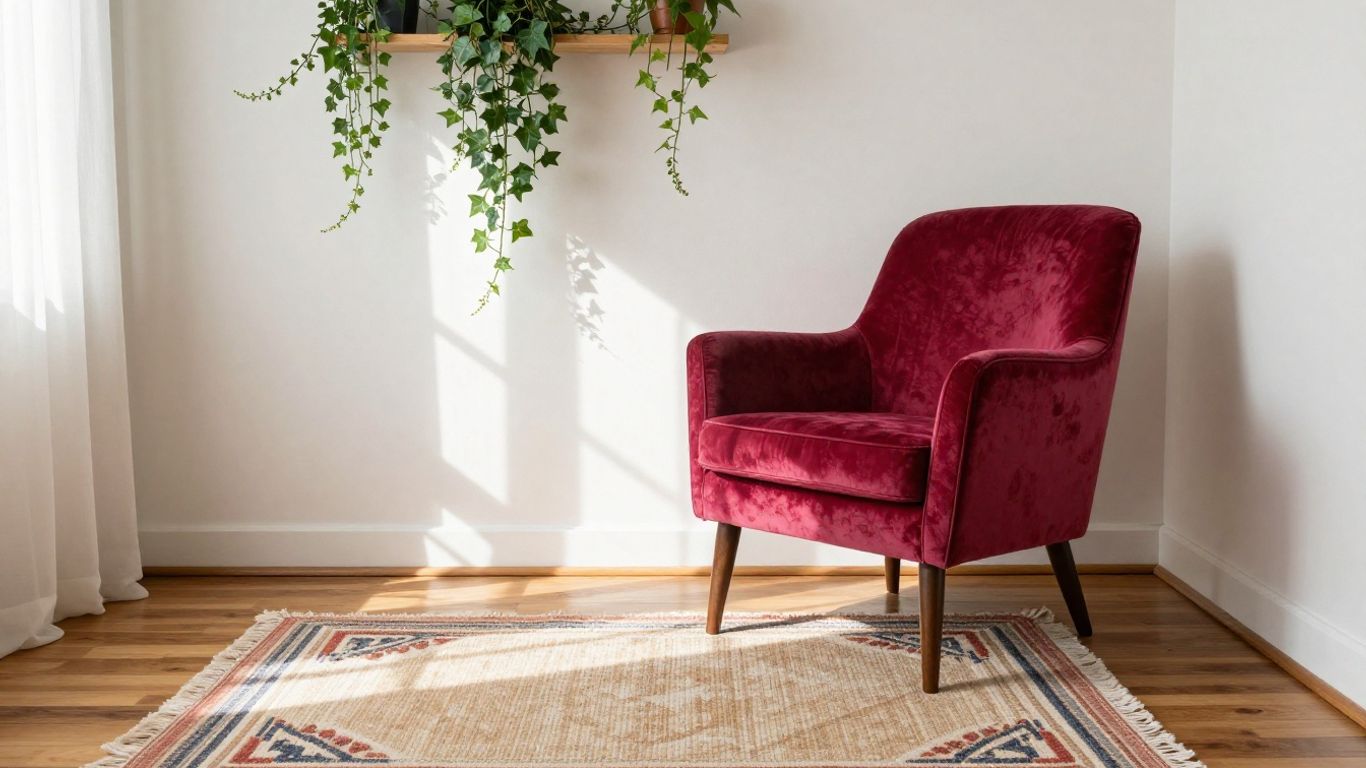
Bohemian design is all about embracing variety, color, and cultural influence. Marketplaces that cater to this style often feature layered rugs, eclectic art, and plenty of greenery to create a vibrant, cozy atmosphere. Unlike minimalism, this style thrives on the concept of ‘more is more,’ encouraging you to collect items that hold specific emotional significance.
The beauty of a bohemian space lies in the stories behind each object, as layers of history and travel memories combine to form a unique, ever-evolving canvas that celebrates personal freedom.
A successful boho room requires a sense of balance despite the visual intensity. You might combine a bold, patterned textile with neutral furniture to avoid overwhelming the eye. This style is incredibly forgiving for those who enjoy hunting for unique treasures at flea markets or through curated online sellers that specialize in vintage goods.
Adding these items correctly is an ongoing project. You can mix elements from different cultures and decades, provided they share a common thread, such as a similar tone in the wood or a shared metallic finish. This evolution is natural, as your home should reflect the changes in your life and the places you have visited over the years.
7. Luxury home decor boutiques for high-end styling
High-end styling demands accessories that possess impeccable craftsmanship and exquisite design. Luxury boutiques provide access to exclusive materials like solid marble, hand-blown Venetian glass, and ethically sourced rare woods. For many design enthusiasts, these shops are the only place to find items that feel substantial and truly unique.
Working with luxury providers often means getting ahead of broader design trends. These boutiques are frequently the first to host collections from avant-garde designers who are pushing the boundaries of traditional materials. By investing in these pieces, you are acquiring items that will likely hold their aesthetic value for decades, eventually becoming the heirlooms of the future.
It is often helpful to view your home as a curation project similar to a gallery. When you add a significant luxury piece, you are effectively shifting the gravity of the room. A well-placed statement item can resolve a drafty-looking corner or give a dull room a sense of purpose and high-end polish.
8. Budget-friendly online stores with unique finds
Not every decor choice requires a massive budget. Many online stores now allow you to filter for stylish and affordable pieces without compromising on the quality of your aesthetic. These platforms often work on a volume-based or rotating-stock model to keep prices low while offering a wider variety of styles to their customer base.
- Visit sites early in the morning to catch daily deal launches.
- Join waitlists for popular items to avoid missing out on restocks.
- Watch for seasonal sales that help bridge the gap between inspiration and reality.
You can effectively decorate your home by mixing these budget-friendly finds with a few well-chosen higher-end items. This strategy, sometimes called ‘high-low mixing,’ is how professional designers build gorgeous rooms that do not break the bank. It creates a space that feels accessible yet thoughtfully put together.
These retail environments are perfect for experimenters. If you are unsure whether you like a specific color or a certain style, buying a lower-cost piece allows you to test the waters. If it works, you have found a great addition; if not, the impact on your wallet remains minimal compared to an expensive investment piece.
9. Supporting independent designers through boutique shopping
Shopping at independent stores does more than just fill your home with items you love; it supports the creative economy. When you buy from these creators, you are funding the research and development of new designs rather than supporting the mass reproduction of existing trends. It is a powerful way to ensure that the variety of styles available to all of us remains robust.
These items are often created in home studios or small workshops. This proximity to the maker provides a certain authenticity. When you learn about the hands that created the piece you own, it transforms a simple object into a part of a larger story that you are actively engaging with in your daily life.
Independent shopping also allows for more sustainable outcomes. Smaller shops are often agile enough to offer custom runs or limited variations based on direct feedback from their client base. This dynamic relationship between the creator and the consumer is something lost in traditional retail, where communication only flows one way.
10. How to choose the right online decor shop for your style
Selecting the right shop begins with a clear internal assessment of your preferences. If you struggle to define your look, consider utilizing a visual storytelling approach where you create a mood board before you ever browse a site. This process makes the shopping experience simpler because you already have a target in mind for the vibe you want to achieve.
Look for platforms that allow you to browse by designer or specific aesthetic category. A good boutique will have a clear, user-friendly interface that feels like an extension of the style they are selling you. If a site is cluttered and chaotic, it often reflects the quality of their curation; a site that feels calm and refined is a much better indicator of what you will find in their catalog.
Lastly, ensure the shop has strong logistical support. Check their shipping policies, their return processes, and the presence of any successful service businesses principles like fast response times if something goes wrong. An excellent shopping experience is one where you feel supported at every stage, from discovery to the moment the item arrives at your front door.
Conclusion
Curating a home is a rewarding journey of personal expression that bridges the gap between your physical environment and your internal aesthetic. By leveraging the diversity of online boutiques, from artisan-focused shops to specialized luxury marketplaces, you can create a space that feels unique, comfortable, and truly yours. Whether you are hunting for vintage treasures or clean minimalist designs, the key is to stay patient, remain intentional with your choices, and always support the creators who put care into the items you bring into your life.
Frequently Asked Questions
How often should I update my home decor?
A home is a living space, not a static museum, so it is often best to curate in cycles. Making small updates every season keeps your space feeling fresh, while larger pieces should be added only when they truly improve the function or feel of your design.
Can I mix modern and vintage decor styles?
Mixing eras is actually the best way to ensure your home feels original. Modern furniture provides a clean base for vintage accessories, which adds the necessary history and layers of texture to make the space feel grounded.
What is the most important element when buying decor online?
Dimensions and material quality are the two most critical factors. Always double-check room measurements to ensure a potential new addition fits comfortably without overwhelming the space or blocking natural movement.
Does expensive decor always guarantee better styling?
Not at all; effective styling comes down to thoughtful placement rather than price tags. An affordable piece with a unique form or texture can often have more design impact than a generic expensive item.
How do I maintain a consistent style throughout my home?
Choose a core color palette and a set of shared materials before you begin shopping. By keeping these elements consistent across different rooms, you create a cohesive visual thread that connects each space to the next.
Should I prioritize aesthetics over basic home functionality?
Function should almost always guide your initial furniture layout, while aesthetics should influence the decor accents. A beautiful room that is frustrating to use will never feel like a true home.
Are there benefits to buying from small independent shops?
Smaller shops often provide higher levels of customer attention and offer items that are not found in mass-market stores. Supporting these businesses keeps design innovation alive and helps you find pieces that are truly unique to your home.


Leave a Reply