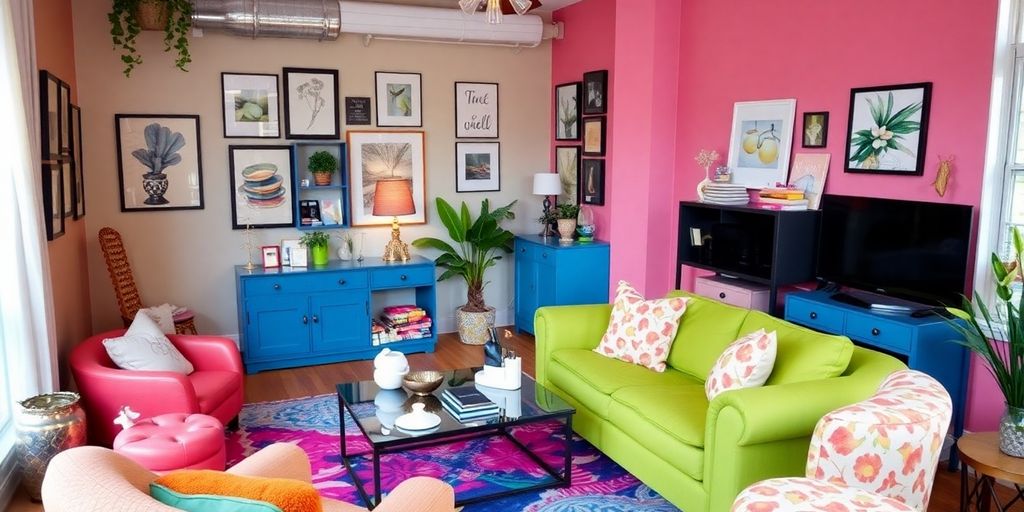
Designing a room that truly reflects who you are can feel overwhelming. With so many styles and trends out there, it’s easy to get lost in the noise. But the good news is, creating a space that feels like home doesn’t have to be complicated. By focusing on your personal style, choosing meaningful accessories, and being mindful of functionality, you can design a room that not only looks great but also feels right for you. Here are some innovative tips to help you get started.
Key Takeaways
- Identify your personal style to guide your design choices.
- Incorporate accessories that hold personal meaning to you.
- Consider the function of the room to ensure it meets your needs.
- Mix different styles thoughtfully while maintaining a cohesive color scheme.
- Experiment with layouts and accessories to keep the space fresh and inviting.
Embrace Your Personal Style
It’s easy to get caught up in trends, but your home should be a reflection of you. Forget what’s "in" and focus on what makes you happy. This is where the real magic happens – creating a space that feels authentically yours.
Identify Your Aesthetic
Start by really thinking about what you like. Don’t worry about labels or what’s popular. What colors do you gravitate towards? What kind of textures appeal to you? Are you drawn to clean lines or more ornate details? It’s about creative painting ideas that speak to you on a personal level. Ask yourself some questions:
- What kind of clothes do you like to wear?
- What are your favorite places to travel?
- What kind of art do you enjoy?
Your answers to these questions can provide valuable clues about your personal style.
Use Descriptive Adjectives
Once you’ve started to identify your preferences, try to put them into words. Use adjectives to describe the feeling you want your home to evoke. Do you want it to feel cozy and inviting? Or sleek and modern? Maybe you’re going for something more eclectic and bohemian. The more specific you can be, the easier it will be to translate your vision into reality. Think about words like:
- "Warm"
- "Airy"
- "Rustic"
- "Minimalist"
Create a Mood Board
A mood board is a visual representation of your style. It can include anything that inspires you – fabric swatches, paint chips, photos of furniture, magazine clippings, even images from nature. The point is to gather all of your ideas in one place so you can see how they work together. Don’t be afraid to experiment and try different combinations. This is a great way to define a style that you’re happy with.
Creating a mood board can be incredibly helpful in solidifying your vision. It allows you to see all of your ideas in one place and identify any potential clashes or inconsistencies. It’s a great way to ensure that your design is cohesive and reflects your personal style.
Incorporate Meaningful Accessories

Accessories are where a room really starts to feel like yours. It’s about more than just filling space; it’s about telling a story. Think of your accessories as conversation starters, little glimpses into your personality and experiences. It’s about creating a space that feels authentic and lived-in.
Choose Personal Collections
Instead of just buying random stuff to fill shelves, think about collections you already have or would love to start. Do you collect vintage cameras? Display them! Love rocks and minerals? Arrange them in a cool display case. These collections instantly add character and tell visitors something about you. It’s way more interesting than generic decor you could find anywhere. Don’t be afraid to show off what you love. This is a great way to show your personal style.
Select Unique Decorative Items
Look for pieces that have a story behind them. Maybe it’s a piece of art you picked up on a trip, a handmade vase from a local artisan, or an antique mirror you found at a flea market. These unique items add depth and interest to your space. They also make your home feel less like a showroom and more like a reflection of your life. I like to look for things that are a little quirky or unexpected – something that will make people stop and ask about it.
Add Statement Lighting
Lighting isn’t just about function; it’s a design element in itself. A cool pendant light, a vintage floor lamp, or even a string of fairy lights can completely transform the mood of a room. Don’t be afraid to go bold with your lighting choices. It’s a great way to add personality and create a focal point. Think about the kind of atmosphere you want to create and choose lighting that reflects that. For example, a warm, ambient light can make a room feel cozy and inviting, while a bright, modern light can make it feel more energetic and vibrant.
Accessories are the soul of a room. They’re the details that bring everything together and make a space feel truly complete. It’s about curating a collection of items that you love and that reflect your personality. Don’t be afraid to experiment and have fun with it. After all, it’s your space, and it should feel like you.
Consider Functional Needs
Define Room Purpose
Okay, so you’ve got all these amazing ideas swirling around in your head, but before you run off and buy that velvet chaise lounge, let’s get real about what this room actually needs to do. What’s its primary function? Is it a home office, a cozy reading nook, a playroom for the kids, or a multi-purpose space? Understanding the room’s main job is the first step. Think about your daily routines and how you want to use the space. This will guide your furniture choices, layout, and overall design.
Assess Space Requirements
Alright, now that we know what the room is for, let’s talk about how much space we’re working with. Grab a measuring tape and get those dimensions down! It’s easy to fall in love with a huge sectional sofa, but will it actually fit in your living room without making it feel cramped? Consider the size of your furniture, the amount of storage you need, and the traffic flow. Don’t forget to account for things like door swings and window placement. A well-planned space feels open and inviting, not cluttered and claustrophobic. Think about smart layout to maximize the space.
Plan for Comfort and Flow
Functionality isn’t just about storage and furniture placement; it’s also about comfort and how you move through the space. Is there enough light for reading? Are the seating arrangements conducive to conversation? Is there a clear path from one area to another? Think about the little things that make a big difference in how you experience the room. Add some statement lighting to make the room more inviting.
Comfort is key. If a room looks amazing but isn’t comfortable to be in, you won’t use it. Consider things like soft textures, supportive seating, and adequate lighting to create a space that feels both functional and inviting.
Mix and Match Styles
Mixing styles can feel intimidating, but it’s a fantastic way to create a space that’s uniquely you. Don’t be afraid to break the rules and blend different aesthetics to achieve a personalized look. It’s all about finding the right balance and creating harmony between contrasting elements.
Blend Different Aesthetics
Think about what you genuinely love. Do you adore the clean lines of modern design but also crave the warmth of rustic elements? Maybe you’re drawn to the opulence of Hollywood Regency but appreciate the simplicity of Scandinavian style. The key is to identify the core elements of each style that appeal to you and find ways to integrate them thoughtfully. For example, you could pair a sleek, modern sofa with a vintage coffee table or combine industrial lighting with bohemian textiles. It’s about creating a conversation between different styles, not a clash.
Use a Cohesive Color Palette
A unified color palette is essential for successfully mixing styles. It acts as a common thread that ties everything together, preventing the space from feeling chaotic. Choose a base color and then select a few accent colors that complement it. Consider using different shades and tones of the same color to add depth and visual interest. Neutrals are always a safe bet, but don’t be afraid to incorporate pops of color to inject personality and energy into the room. If you are not sure where to start, check out interior design styles for inspiration.
Balance Textures and Patterns
Texture and pattern play a crucial role in creating a visually appealing and dynamic space. When mixing styles, it’s important to balance different textures and patterns to avoid overwhelming the eye. For example, if you have a heavily patterned rug, consider pairing it with solid-colored furniture and minimal accessories. Conversely, if your furniture is mostly neutral, you can add visual interest with textured throws, pillows, and artwork. Don’t be afraid to experiment with different combinations, but always keep balance in mind.
Mixing styles is about creating a space that reflects your personality and tells your story. It’s about embracing your individuality and creating a home that feels authentic and inviting. Don’t be afraid to experiment and break the rules – the most important thing is that you love the space you create.
Avoid Overly Thematic Designs

It’s easy to get carried away once you’ve nailed down your style. But remember, subtlety is key! Going overboard with a theme can make a room feel more like a stage set than a living space. Think hints and suggestions, not full-blown recreations.
Focus on Personal Expression
Ultimately, your home should be a reflection of you. Don’t get too caught up in trends or what’s considered "stylish" if it doesn’t resonate with your personality. It’s about creating a space where you feel comfortable and happy. If you love it, that’s all that matters. When you blend different decorating styles, make sure it reflects your personality.
Incorporate Subtle Themes
Instead of plastering a room with obvious thematic elements, try incorporating subtle nods to your inspiration. For example, if you love the beach, use a color palette of sandy beiges and ocean blues, and add a few seashells or pieces of driftwood. It’s about capturing the essence of a theme without being too literal.
Here’s a quick example:
- Theme: Tropical Getaway
- Overly Thematic: Parrot wallpaper, tiki masks, inflatable palm trees
- Subtle Theme: Natural woven textures, lush green plants, a vibrant piece of abstract art with tropical colors
Stay True to Your Preferences
Don’t let anyone tell you what you should or shouldn’t like. Your home is your sanctuary, and it should be filled with things that bring you joy. If you love a particular color, pattern, or style, don’t be afraid to incorporate it, even if it’s not "on trend." It’s better to have a home that feels authentic and personal than one that looks like it came straight out of a catalog.
Remember, the goal is to create a space that feels like you. Don’t be afraid to break the rules and experiment until you find what works best for your unique style and preferences.
Experiment with Layout and Space
It’s easy to get stuck in a rut with your furniture arrangement. Don’t be afraid to shake things up! Sometimes, just shifting a few pieces can completely transform how a room feels and functions. It’s all about finding what works best for you and your lifestyle.
Try Different Furniture Arrangements
Don’t be afraid to experiment! Push your sofa against a different wall, swap the positions of your armchairs, or even float your furniture away from the walls to create a more dynamic space. You might be surprised at how much bigger your room feels with a simple change. I once moved my desk to face the window, and it completely changed my workday. It’s worth the effort to try a few different layouts before settling on one. Remember to measure your furniture and the space before you start moving things around to avoid any headaches.
Utilize Multi-Functional Pieces
In smaller spaces, multi-functional furniture is your best friend. Think about a coffee table with storage, a sofa bed for guests, or an ottoman that doubles as seating and storage. These pieces can help you maximize your space and keep clutter at bay. I’m a big fan of storage ottomans – they’re perfect for stashing blankets, pillows, or even books. Also, consider a sofa bed for unexpected guests.
Create Zones for Activities
Think about how you use your room and create distinct zones for different activities. For example, in a living room, you might have a seating area for conversation, a reading nook with a comfortable chair and lamp, and a workspace with a desk and chair. Defining these zones can help you make the most of your space and create a more functional and organized room.
"I always start by thinking about how I want to feel in a room. Do I want it to be cozy and inviting, or bright and energizing? Once I have a clear vision, it’s easier to make decisions about layout, furniture, and accessories."
Accessorize with Intent
Layer Textures and Colors
Don’t just throw things together! Think about how different textures and colors play off each other. A chunky knit blanket on a velvet sofa? Yes, please! A pop of bright yellow against a muted gray wall? Absolutely. Layering creates depth and visual interest, making a room feel more complete and considered. It’s not about matching perfectly; it’s about creating a harmonious balance. Think about using throw pillows with different patterns but similar color tones to tie everything together. Don’t be afraid to experiment – that’s how you find what works for you.
Incorporate Art and Personal Touches
This is where your personality really shines. Forget generic prints from big box stores. Hang art that speaks to you, whether it’s a painting you love, a photograph you took, or a quirky piece you found at a flea market. Display your favorite books, travel souvenirs, or family heirlooms. These personal touches are what make a house a home. They tell your story and make the space feel uniquely yours. Consider creating a gallery wall with a mix of art and personal photos for a dynamic and engaging display. Remember, it’s about showcasing what you love and what makes you happy.
Rotate Accessories Seasonally
Keep things fresh by rotating your accessories with the seasons. Swap out heavy throws for lighter ones in the spring, and bring out warmer colors and textures in the fall. This doesn’t mean you have to buy new things every season. Simply rearranging what you already have can make a big difference. Store away some items and bring out others to create a new look and feel. It’s a simple way to keep your space feeling current and interesting. Think about switching out your modern living room ideas throw pillows, candles, and even your artwork to reflect the changing seasons.
Accessorizing with intent is about more than just filling space. It’s about curating a collection of items that reflect your personality, tell your story, and create a space that feels both beautiful and meaningful. It’s about making conscious choices and creating a space that truly feels like home.
Wrap-Up: Make It Yours
In the end, designing a room that truly reflects who you are is all about having fun and being yourself. Don’t stress too much about following every trend or rule out there. Instead, focus on what makes you happy and what feels right in your space. Remember, it’s your home, and it should tell your story. So, mix and match, play with colors, and add those personal touches that make you smile. Whether it’s a quirky piece of art or a cozy throw blanket, let your personality shine through. And hey, if something doesn’t work out, no big deal—just try again! Your space will evolve with you, and that’s the beauty of it.
Frequently Asked Questions
How can I find my personal style for room design?
Start by thinking about what you like. Look at pictures of rooms and see what makes you feel happy. You can also create a mood board with images that inspire you.
What accessories should I use to make my room feel personal?
Choose items that have meaning to you, like collections or unique decorations. Adding special lighting can also change the feel of your space.
How do I decide on the function of a room?
Think about what you will use the room for. Is it a place to relax, work, or entertain? Knowing its purpose will help you choose the right furniture and layout.
Can I mix different styles in my room?
Yes! Mixing styles can make your room unique. Just make sure to use a consistent color scheme to tie everything together.
What should I avoid when designing my room?
Try not to stick to a strict theme. Instead, focus on what you love and let your personality shine through your choices.
How can I make my room feel cozy and inviting?
Use soft textures, warm colors, and personal touches like art or family photos. Layering different materials can also add warmth and comfort.


Leave a Reply