
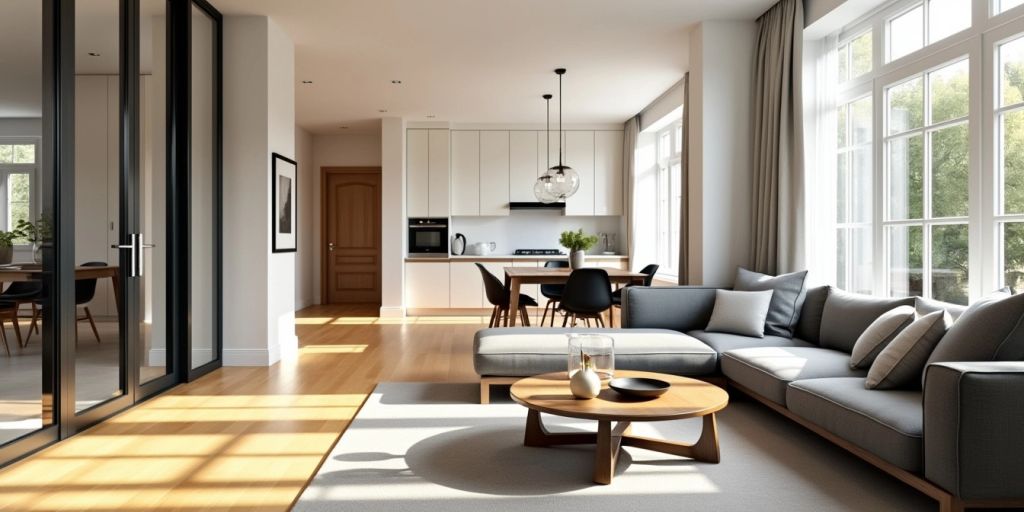
Choosing the right paint color to match your wood floors can make a big difference in how your home looks and feels. This guide for 2024 will help you understand how to pick the best colors for your light wood floors, create contrast with dark colors, and even harmonize with nature-inspired hues. By following these tips, you can make sure your walls and floors look great together.
Key Takeaways
- Understanding the undertones in your wood floors is the first step to picking the right paint color.
- Neutral shades are popular choices for light wood floors, but bold colors can also work well.
- Using darker paint colors can create a dramatic contrast with light wood floors.
- Nature-inspired colors like greens, blues, and beiges can create a calming atmosphere.
- Testing paint samples in different lighting conditions is crucial to making the right choice.
Understanding the Undertones of Light Wood Floors
Identifying Warm and Cool Undertones
To figure out the undertones of your light wood floors, place a few pieces together. Do they look warm and golden, or cool and ashy? Knowing the undertone helps you pick the right wall color. Warm undertones have hints of red, orange, or yellow, while cool undertones show hints of gray, blue, or green.
How Undertones Affect Paint Choices
Warm-toned floors pair well with earth tones like beige, cream, and warm grays. Cool-toned floors look great with soft blues, greens, and cool grays. Neutral undertones offer more flexibility, allowing you to use colors like taupe, soft gray, or off-white.
Testing Undertones with Paint Samples
Always test paint samples before making a final decision. Paint a small section of the wall and see how it looks next to your light wood floors. This step ensures that the colors complement each other and match the room’s lighting.
Light hardwood colors tend to be easier to maintain, hiding debris and scratches easily. But it can also appeal to any available natural light, making rooms feel brighter and more open.
Top Paint Colors for Light Wood Floors in 2024
Choosing the right paint color for your light wood floors can make a big difference in your home’s look. Here are some top paint color ideas for 2024 to help you get started.
Popular Neutral Shades
Neutral colors are always a safe bet. Soft whites and light grays create a harmonious look that pairs well with light wood floors. These shades are perfect for a clean and airy feel. Some popular choices include Pure White and Ice Cube from Sherwin Williams.
Bold Colors That Complement Light Wood
If you want to make a statement, bold colors can add a striking contrast to your light wood floors. Deep blues, rich greens, and even dark reds can create a dramatic effect. Just make sure to test these colors in different lighting conditions to see how they look throughout the day.
Trendy Pastels for a Soft Look
Pastel colors are making a comeback in 2024. Soft pinks, light blues, and gentle greens can give your room a fresh and modern feel. These colors work especially well in bedrooms and living rooms, creating a cozy and inviting atmosphere.
When choosing the perfect living room paint colors for light wood floors, it’s important to test colors in various lighting conditions. This helps you see how the color will look at different times of the day.
Remember, the key to a successful paint job is to test your chosen colors with paint samples before making a final decision. This way, you can see how the colors interact with your light wood floors and the overall lighting in your home.
Creating Contrast with Darker Paint Colors
Using Dark Colors for Dramatic Effect
Dark paint colors can create a bold and dramatic effect in any room. When paired with light wood floors, the contrast can be striking and visually appealing. This high-contrast design is gaining momentum in 2024, where dark hardwood floors are paired with light-colored walls and furnishings to create a balanced look. Consider using deep blues, rich greens, or even black to make a statement.
Balancing Dark Walls with Light Floors
To avoid making a room feel too dark or cramped, balance is key. Light wood floors can help offset the heaviness of dark walls, creating a harmonious space. Use lighter furniture and decor to keep the room from feeling too enclosed. Additionally, ensure the room has ample natural light or use sufficient artificial lighting to brighten the space.
Examples of Successful Dark and Light Combinations
Here are some examples of successful dark and light combinations:
- Navy Blue Walls with Light Oak Floors: This combination offers a nautical and sophisticated look.
- Forest Green Walls with Ash Wood Floors: Perfect for a nature-inspired theme.
- Charcoal Gray Walls with Maple Floors: Adds a modern and sleek touch to any room.
When done right, dark paint colors can add depth and character to your space, making it feel cozy yet stylish.
Harmonizing with Nature-Inspired Hues
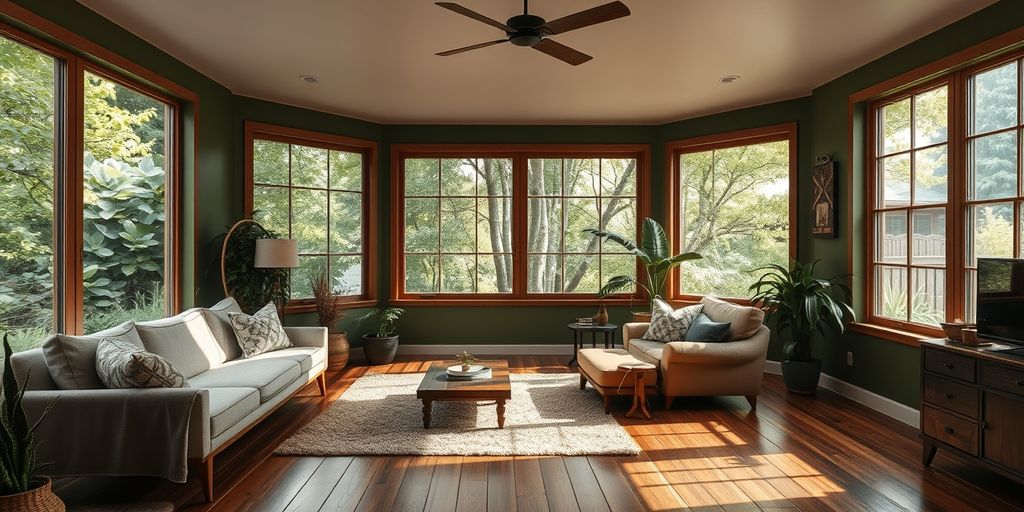
Nature-inspired hues can create a calming and inviting atmosphere in your home. These colors often draw from the natural world, making them perfect for pairing with light wood floors. Here are some top choices to consider:
Earthy Greens and Browns
Earthy greens and browns can bring a sense of tranquility and warmth to your space. These colors are perfect for creating a cozy and grounded environment. Consider shades like olive green, forest green, and rich browns to complement your light wood floors.
Sky Blues and Soft Grays
Sky blues and soft grays can evoke a serene and airy feel. These colors work well in spaces where you want to create a peaceful retreat. Light blue walls, for instance, can add a serene, calming effect that complements neutral wood floors.
Natural Whites and Beiges
Natural whites and beiges are versatile and timeless. They can make a room feel larger and more open, especially in areas with less natural light. Soft white walls can also highlight the natural grain and color variations in the warm wood floors.
When choosing nature-inspired hues, always test with paint samples to see how they look in different lighting conditions. This will help you avoid common color mistakes and ensure a cohesive look in your home.
Room-by-Room Paint Color Suggestions
Choosing the right paint color for each room can transform your home. Here are some tailored suggestions for different spaces in your house.
Living Room Color Ideas
For living rooms, neutral shades like beige or soft gray can create a calm and inviting atmosphere. If you have light wood floors, consider colors that complement the natural tones of the wood. For a bolder look, try deep blues or greens to add a touch of sophistication.
Bedroom Paint Choices
In the bedroom, soothing colors are key. Soft blues, gentle greens, or even pastel pinks can create a relaxing environment. If your floors are light wood, these colors will enhance the serene feel of the room. For a more dramatic effect, consider a rich, dark color on one accent wall.
Kitchen and Dining Area Colors
The kitchen and dining areas are perfect places to experiment with color. Warm tones like yellows and oranges can make these spaces feel cozy and inviting. If you prefer a more modern look, try shades of white or gray. Remember to consider the color of your cabinets and countertops when choosing your paint.
Always sample wall colors in your space before making a final decision. Paint large swatches on the walls or use peel-and-stick paint samples to observe how the color interacts with your wood floor under different lighting conditions throughout the day.
Tips for Testing and Choosing the Right Paint Color
Using Paint Samples Effectively
Before committing to a color, always test with paint samples. Paint a small section of the wall and observe how it looks at different times of the day and under different lighting conditions. This helps you see how the color interacts with the room’s lighting and other elements.
Considering Lighting and Room Size
Lighting and room size play a crucial role in how paint colors appear. Here are some tips:
- Small Rooms: Lighter wall colors can make the room feel larger and more open, especially when paired with light or medium wood floors.
- Abundant Natural Light: Rooms with a lot of natural light can handle darker wall colors without feeling claustrophobic. The light balances out the depth of the wall color, especially when reflecting off a gleaming wood floor.
Avoiding Common Color Mistakes
To avoid common color mistakes, consider the following:
- Undertones: Determine the undertones of your flooring. Tiles with cool undertones look best with blue or green tones, while warm undertones pair well with yellows and reds.
- Samples: Utilize paint samples to compare with the floor samples in the to-be-painted room. This is a crucial evaluation step due to differences in lighting.
- Experiment: Don’t be afraid to try colors you may not have thought of before. Adding pops of color can help flooring stand out and make a space more visually appealing.
Remember, matching wall colors with wood floors is both an art and a science. By considering the undertones of your wood floor and how different wall colors interact with those tones, you can create a space that is harmonious, stylish, and uniquely yours.
Expert Advice and Designer Tips
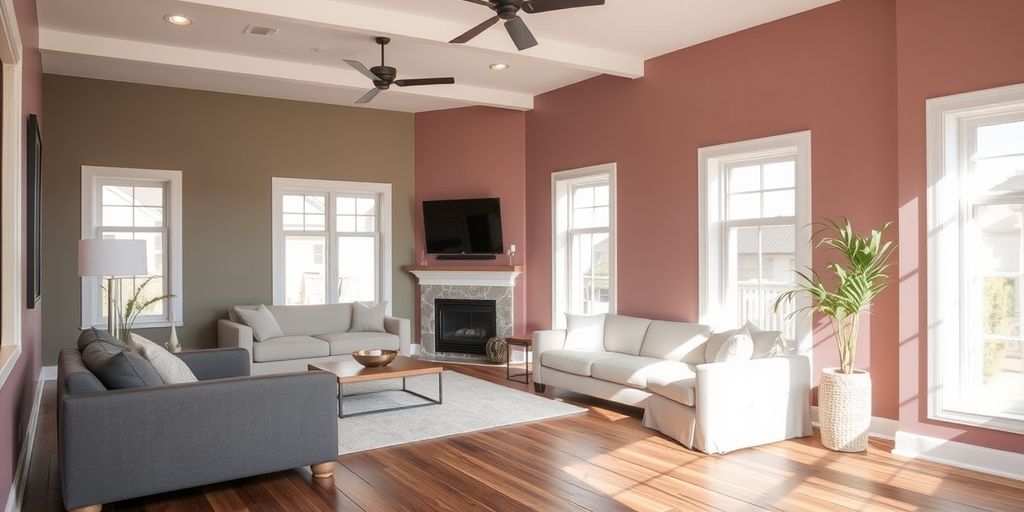
Insights from Interior Designers
Interior designers often emphasize the importance of understanding the undertones in your flooring. This can significantly impact your paint choices. For instance, if your light wood floors have warm undertones, you might want to choose complementary warm paint colors to create a cohesive look.
Common Pitfalls to Avoid
- Ignoring Undertones: Not considering the undertones of your wood floors can lead to a mismatched look.
- Skipping Samples: Always test paint samples in different lighting conditions before making a final decision.
- Overlooking Room Size: Dark colors can make a small room feel even smaller, while light colors can open up a space.
Pro Tips for a Cohesive Look
- Balance is Key: If you have dark walls, balance them with lighter floors and vice versa.
- Use Nature-Inspired Hues: Earthy greens, browns, and soft grays can create a harmonious look with natural wood floors.
- Consult Experts: For a job of this scope and detail, you would benefit best from a one-on-one virtual consult with one of our designers. This virtual consult will allow the designer to see your space and lighting which would be the best option for your project.
Remember, the goal is to create a space that feels balanced and inviting. Taking the time to consider these tips can make a big difference in the final outcome.
Conclusion
Matching your paint color to your floors doesn’t have to be a daunting task. By understanding the undertones of your wood floors and choosing complementary wall colors, you can create a harmonious and stylish space. Whether you have light, dark, cool, or warm-toned floors, there’s a perfect paint color out there for you. Remember to test samples in your home to see how they look in different lighting conditions. With a little bit of planning and creativity, you can transform your home into a beautiful and cohesive environment. Happy decorating!
Frequently Asked Questions
How do I tell the undertones of my wood floors?
To find the undertones of your wood floors, place a white sheet of paper next to the flooring. Warm undertones will look more red, yellow, or orange, while cool undertones will appear more blue or purple.
Should floors be darker or lighter than walls?
It’s generally best to have your floors darker than your walls. A good rule is to make the walls at least three shades lighter than the floors.
What paint colors go well with light wood floors?
Light wood floors pair nicely with soft neutrals like white, off-white, and light gray. You can also use gentle pastels for a subtle pop of color.
How can I test paint colors before committing?
Use paint samples to test colors on your walls. Paint small sections and observe them at different times of the day to see how they look in various lighting conditions.
What colors work best with dark wood floors?
Dark wood floors look great with lighter wall colors like off-white, light gray, or even soft pastels. These colors provide a nice contrast and keep the room from feeling too dark.
How do I avoid common color mistakes?
To avoid color mistakes, always test paint samples in your room, consider the lighting, and think about the room’s size. Avoid picking colors that clash with your floor’s undertones.





 PERFECT PAINTER
Leave a comment