
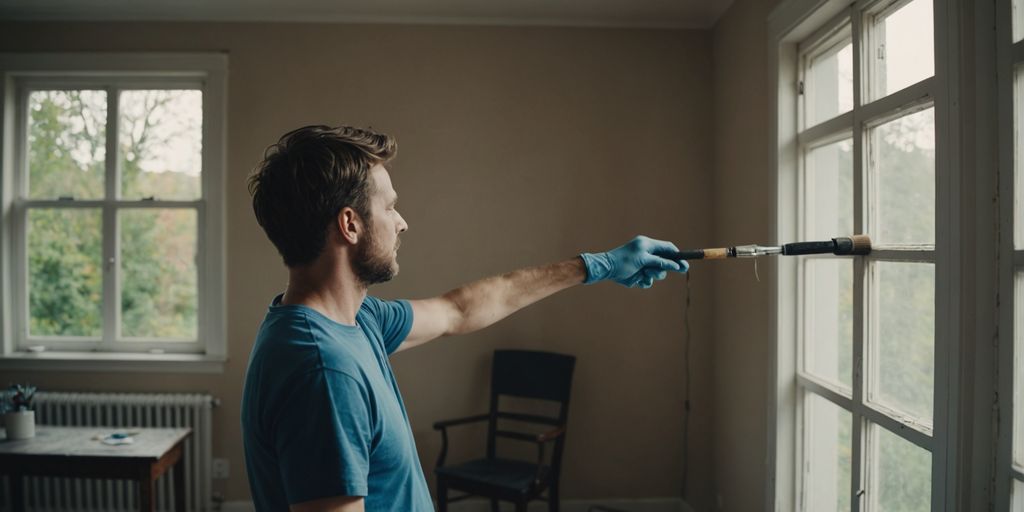
Painting the inside of your house can make it look fresh and new. Whether you do it yourself or hire a professional, there are many things to think about, like picking the right paint and tools, getting the walls ready, and avoiding common mistakes. This guide will help you understand all the steps and choices to make your painting project a success.
Key Takeaways
- Choose the right paint finish for each room to get the best look and durability.
- Use essential painting tools like brushes, rollers, and painter’s tape for a smooth job.
- Prepare your walls by cleaning, repairing, and priming them before painting.
- Consider the costs of materials, labor, and extra expenses to budget your project.
- Weigh the pros and cons of DIY painting versus hiring a professional to decide what’s best for you.
Choosing the Right Paint and Tools
Types of Paint Finishes
When selecting paint for your home, it’s important to understand the different types of finishes available. Each finish offers a unique look and feel. Here are the common types:
- Flat/Matte: No shine, great for hiding imperfections.
- Eggshell: Slightly shiny, easy to clean.
- Satin: Smooth with a bit more shine, durable.
- Semi-Gloss: Shiny and reflective, perfect for high-traffic areas.
- Gloss: Very shiny, often used for trim and doors.
Essential Painting Tools
Before you start painting, gather all the necessary tools. Here’s a list of must-haves:
- Paint
- Paint roller
- Paint roller extension pole
- Drop cloths
- Paintbrushes
- Paint tray
- Sandpaper
- Painter’s tape
- Rags
- Putty knife
Eco-Friendly Paint Options
If you’re concerned about the environment, consider using eco-friendly paints. These paints have low or no volatile organic compounds (VOCs), making them safer for your home and the planet. Look for labels that say "low-VOC" or "zero-VOC" to ensure you’re making a green choice.
Choosing eco-friendly paint not only helps the environment but also ensures a healthier living space for you and your family.
Preparing Your Home for Painting
Cleaning and Repairing Walls
Before you start painting, it’s crucial to inspect the surfaces you’ll be working on. Look for any signs of damage like peeling or flaking paint. Clean the walls thoroughly to remove grease, oil, and dust. This step ensures that the paint adheres properly and lasts longer.
Protecting Furniture and Floors
Move any furniture to the center of the room and cover it with drop cloths or plastic sheeting. Remove light switch and outlet covers to avoid getting paint on them. Roll up rugs and cover anything you don’t want to get paint on. Using blue painter’s tape can help you achieve crisp, professional-looking lines.
Priming the Walls
Priming is an essential step that shouldn’t be skipped. It helps to seal the wall and provides a good base for the paint. Make sure to sand the primer lightly before applying the paint to ensure a smooth finish.
Proper preparation is the key to a successful painting project. Taking the time to clean, repair, and prime your walls will make a significant difference in the final result.
Step-by-Step Guide to Painting Interior Walls
Painting your interior walls can be a fun and rewarding project if you follow the right steps. Here’s a simple guide to help you get started.
Cutting In and Edging
Start by cutting in, which means painting along the edges of the walls, near the ceiling, and around trim. Use a brush for this part. This technique helps you cover those tricky spots that a roller can’t reach. Make sure to keep a wet edge to avoid visible lines.
Rolling the Paint
Next, use a roller to paint the main areas of the wall. Tackle one wall at a time and use long strokes in a W pattern for even coverage. This method will help you avoid roller marks and ensure a smooth finish. Once the wall is dry to the touch, it’s ready for a second coat.
Applying a Second Coat
After the first coat has dried, apply a second coat to achieve a rich, even color. This step is crucial for covering any missed spots and ensuring durability. Remember, patience is key—let the paint dry completely between coats.
Plan your painting project carefully. Starting with the ceiling, then the walls, and finishing with the baseboards and trim can save you time and effort.
By following these steps, you can make your next interior wall painting job a breeze.
Cost Breakdown of Interior Painting
Material Costs
When painting the interior of your home, material costs can vary widely. On average, expect to spend between $3 and $7 per square foot for paint. Here’s a quick look at the costs based on home size:
| Home Size (Square Foot) | Average Cost |
|---|---|
| 500 | $1,500 – $3,500 |
| 1,000 | $3,000 – $7,000 |
| 1,500 | $4,500 – $10,500 |
| 2,000 | $6,000 – $14,000 |
| 2,500 | $7,500 – $17,500 |
| 3,000 | $9,000 – $21,000 |
| 3,500 | $10,500 – $24,500 |
Labor Costs
Hiring a professional painter can also add to the cost. The national average cost for professional interior painters is $60 per hour. However, prices can range from $30 to $150 per hour depending on your location and the complexity of the job.
Additional Expenses
Don’t forget to budget for additional expenses such as:
- Wall repairs
- Primer
- Painter’s tape
- Drop cloths
These items can add up quickly, so it’s important to plan ahead.
Remember, the cost to paint the interior of your home depends on various factors, including the size of the space and the quality of materials used.
DIY vs. Hiring a Professional Painter
When it comes to painting your home’s interior, you have two choices: doing it yourself or hiring a professional painter. Both options have their own set of advantages and challenges. Assessing your skills, available time, and budget is essential before making a decision.
Tips for Saving Money on Interior Painting
Painting your home’s interior can be a big investment, but there are ways to save money without sacrificing quality. Here are some tips to help you keep costs down while achieving a beautiful finish.
Buying Paint in Bulk
One of the easiest ways to save money is by buying paint in bulk. Purchasing larger quantities often comes with a discount, and you can always store leftover paint for future touch-ups. This is especially useful if you have multiple rooms to paint or plan to do more painting projects in the future.
Using Painter’s Tape Efficiently
Painter’s tape is essential for clean lines and protecting surfaces, but it can get expensive if not used wisely. To make the most of your tape:
- Only apply tape to areas that need it the most, like trim and edges.
- Press down firmly to prevent paint from seeping underneath.
- Remove the tape while the paint is still slightly wet to avoid peeling.
Timing Your Purchase
The timing of your purchase can also impact your budget. Paint and supplies often go on sale during certain times of the year, such as holiday weekends or end-of-season sales. Keep an eye out for these deals to get the best prices.
To reduce professional fees, handle the prep work, including cleaning walls, sanding rough spots, and applying tape. This can significantly cut down on labor costs and make the job easier for your painters.
By following these tips, you can save money on your interior painting project without compromising on quality. Happy painting!
Common Mistakes to Avoid When Painting
Skipping Surface Preparation
One of the biggest mistakes is failing to properly clean the walls. Dirt, dust, and grime can prevent paint from sticking well. Always repair cracks and holes before you start painting. This ensures a smooth and even surface.
Using the Wrong Brush or Roller
Choosing the right tools is crucial. Using the wrong brush or roller can result in uneven surfaces and peeling paint. Angled brushes are great for edges and can save you time. Remember, it’s not just about the paint; the tools matter too.
Overloading the Paint
Applying too much paint at once can lead to drips and slips. It’s better to apply thin coats and build up the color. This way, you avoid unsightly lines and achieve a more professional finish.
Even the best painters color outside the lines once in a while. Keep a damp rag handy to quickly wipe up any mistakes.
By avoiding these common mistakes, your painting project will look much better and last longer.
Conclusion
Painting the interior of your house can be a rewarding project that transforms your living space. Whether you choose to hire a professional or take on the task yourself, proper planning and preparation are key to achieving the best results. Remember, doing it yourself can save money, but hiring a professional can ensure a high-quality finish. Weigh the costs, consider your skills, and decide what’s best for your home. Happy painting!
Frequently Asked Questions
How can I save money when painting my home interior?
To save money, consider doing the painting yourself, buy paint in bulk, and use painter’s tape efficiently. Timing your purchases during sales can also help reduce costs.
What is the average cost to paint the interior of a house?
The average cost is around $7,500 for a 1,500-square-foot house. Costs can range from $300 for a DIY job to $10,500 for a professional one.
Is it better to paint your house yourself or hire a professional?
Hiring a professional usually gives better results, but doing it yourself can save money. If you are handy and have the time, DIY might be a good option.
How long does it take to paint a house interior?
Painting a house interior can take anywhere from a few hours to a few days, depending on the size of the job and your experience level.
What tools do I need to paint my home interior?
You’ll need paint, brushes, rollers, painter’s tape, drop cloths, and a paint tray. Having the right tools makes the job easier and ensures better results.
What are some eco-friendly paint options?
Look for paints labeled as low-VOC or zero-VOC. These paints are better for the environment and produce fewer harmful fumes.





 PERFECT PAINTER
Leave a comment