

Thinking about picking up a paintbrush but worried about the cost? You’re in luck! There are tons of ways to get started with painting online without spending a dime. Whether you’re just curious or ready to really dive in, painting online free is totally doable. We’ll look at how to find the right tools, learn new skills, and even connect with other artists, all from your own space. It’s a great way to explore your creative side without any pressure.
Key Takeaways
- You can start painting online for free by using readily available digital tools and online resources.
- Learning about color mixing and composition is key to creating impactful artwork, and many free tutorials cover these topics.
- Building confidence comes from regular practice and breaking down skills into manageable steps.
- Exploring different brushwork and detail techniques can add a unique touch to your paintings.
- Connecting with online art communities and using free software like Krita can provide support and learning opportunities.
Unlock Your Artistic Potential With Free Online Painting
Thinking about picking up a paintbrush but worried about the cost? You’re in luck! The digital age has made art accessible like never before. You can start your painting journey right now, without spending a dime. It’s a fantastic way to explore your creative side and see what you can create.
Discover Free Painting Resources
There are so many places online where you can learn and practice painting for free. Many artists share their knowledge through video tutorials, blog posts, and even live streams. You can find lessons on everything from basic color mixing to advanced techniques. For instance, you can find a great series of video tutorials that walks you through painting a still life, perfect for beginners. These resources are designed to help you get started and build your skills step by step.
Embrace Your Creative Journey
Starting something new can feel a bit daunting, but remember that every artist began somewhere. The key is to enjoy the process and not worry too much about perfection. Think of it as an adventure. You might try a quick sketch one day and a more involved piece the next. The important thing is to keep experimenting and see what feels right for you. Don’t be afraid to make mistakes; they’re just part of learning.
Painting Online Free: A New Beginning
The digital world offers a wealth of opportunities for aspiring painters. From interactive lessons to virtual communities, you can find everything you need to begin creating. It’s a chance to develop new skills and express yourself in ways you might not have imagined.
Getting started is simpler than you might think. You don’t need fancy equipment to begin. Many online platforms offer free courses and challenges that guide you through the basics. You can learn about color theory, composition, and different brushwork styles. This is your chance to start creating art that you’ll be proud of, all from the comfort of your home.
Master Color and Composition Online
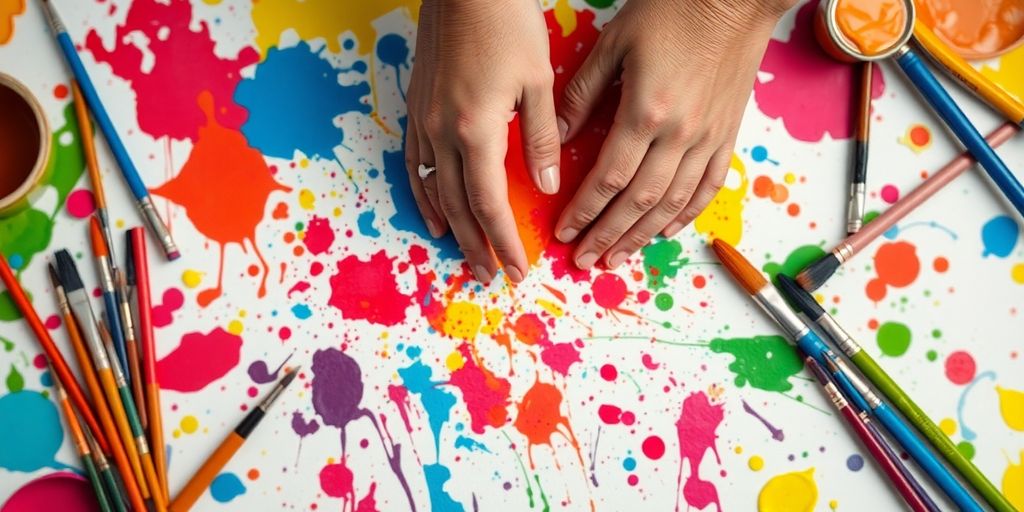
Getting a handle on color and how you arrange things on your canvas is a big step in making your paintings pop. It’s not just about picking pretty colors; it’s about how they interact and how they guide the viewer’s eye.
Deep Dive into Color Mixing
Mixing colors can feel like a puzzle, but it doesn’t have to be complicated. Think about color temperature – is a color leaning warm or cool? This makes a huge difference, especially when you’re working with darker shades. For instance, using transparent dark colors can add a lifelike quality. Learning to adjust your darks to be warmer or cooler is a game-changer. You can practice this with simple exercises, like mixing colors for a sphere to see how light affects form. Many resources offer templates to help you mix specific colors quickly, which can save a lot of time and frustration. Trying out different color charts can also help you see how many variations you can get from just a few tubes of paint.
Understanding Value and Light
Value refers to how light or dark a color is. It’s the backbone of a painting, even more so than color. A strong value pattern can make a painting compelling, even in black and white. Learning to see and use value correctly helps create a sense of depth and form. Think about how light hits your subject. Where are the highlights, and where are the shadows? Understanding this relationship is key to making your subjects look three-dimensional. Practicing with simple still life objects, focusing only on light and shadow, can really build this skill. It helps you avoid those flat, muddy paintings that lack life.
Creating Impactful Compositions
Composition is all about arranging the elements in your painting to create a pleasing and effective image. It’s how you lead the viewer through the artwork. Thinking about value patterns is a great way to build a strong composition. Where do you want the viewer to look first? How do you create a sense of balance or movement? Asking yourself a few key questions before you start can make a big difference. For example, consider the overall shape of your dark and light areas. This can help you create a more dynamic and engaging piece. Exploring how old masters used light and shadow can also offer great insights into creating impactful arrangements. You can find many free tutorials online that break down these concepts, helping you improve your painting skills.
Thinking about composition and color mixing before you even pick up a brush can save you a lot of rework later. It’s like having a blueprint for your painting.
Build Confidence Through Practice
It’s easy to feel a bit intimidated when you’re starting out with painting, especially online where you see so many amazing artists. But honestly, everyone starts somewhere, and the key to getting better is just doing it. Think of it like learning any new skill; you wouldn’t expect to play a concert after one lesson, right? Painting is the same way. The more you paint, the more comfortable you’ll become with your tools and techniques.
Step-by-Step Skill Development
Building your painting abilities doesn’t have to be a huge leap. You can break it down into smaller, manageable steps. Start with simple exercises that focus on one thing at a time, like practicing basic shapes or mixing specific colors. As you get more comfortable, you can combine these skills. For instance, try a simple still life with just a couple of objects. This approach helps you see progress and makes the whole process feel less overwhelming. Remember, consistency is more important than speed.
- Focus on one technique at a time: Don’t try to master everything at once. Spend a session just on brushstrokes, another on color blending.
- Use reference materials: Whether it’s a photo or a real object, having something to look at helps train your eye.
- Revisit earlier exercises: Sometimes going back to basics can help you see how far you’ve come and reinforce what you’ve learned.
Overcoming Creative Blocks
We all hit walls sometimes. You might stare at a blank digital canvas, unsure of where to begin, or feel like everything you create just isn’t working. When this happens, don’t force it. Step away for a bit. Sometimes a short break, a walk, or even just looking at other art can help reset your mind. Trying a different subject or a completely new style can also shake things up. Remember that creative blocks are normal, not a sign of failure.
Sometimes the best way to get past a creative block is to simply pick up your brush and make a mark, any mark. It doesn’t have to be perfect; it just has to be something. This small action can often be enough to get the creative juices flowing again.
The Power of Consistent Practice
Making painting a regular habit, even for short periods, is incredibly effective. Aim for consistency rather than long, infrequent sessions. Even 15-30 minutes a few times a week can make a big difference over time. This regular engagement helps solidify what you learn and builds muscle memory for your hand movements. Think about setting small, achievable goals for each painting session, like finishing a sketch or completing a color study. This approach to practice helps maintain momentum and keeps you motivated on your artistic journey.
Explore Diverse Painting Techniques
Once you’ve got the basics down, it’s time to really play with how you put paint on the canvas. Different ways of applying paint, or brushwork, can totally change the feel of your piece. Think about how you want your edges to look – sharp and defined, or soft and blended? These choices make a big difference.
Here are a few techniques to try:
- Brushwork: Experiment with different brushes. A stiff hog bristle brush will give you a different texture than a soft synthetic one. Try dabbing, scumbling, or dragging your brush to see the effects.
- Edge Control: Soft edges can make things recede or feel dreamy, while hard edges draw the eye. Learning to control where your edges are sharp or soft is a game-changer for creating depth.
- Expressive Details: Sometimes, it’s the small touches that bring a painting to life. Think about adding highlights to eyes or texture to fur. These details can really make your subject pop.
Working with different mediums, even digitally, opens up a whole new world of possibilities. You can mimic the look of oils, watercolors, or pastels, all within the same program. It’s a great way to explore without needing a huge supply of physical materials.
Don’t be afraid to mix things up. Try using a palette knife for thick, textured areas, or thin down your paint with water or a medium for transparent glazes. You can even use sponges or rags to apply paint. The goal is to find what feels right for the image you want to create. Learning how to paint birds can be a great way to practice these varied techniques.
Leverage Free Tools and Communities
Utilizing Open-Source Software
When you’re starting out with digital painting, the cost of software can be a real hurdle. Luckily, there are some fantastic free programs available that are just as capable as their paid counterparts. Krita is a prime example; it’s a professional-grade painting program developed by artists, for artists, and it’s completely free and open-source. It offers a wide array of brush types, layers, drawing assistants, and even animation tools. You can also expand its capabilities with downloadable brush packs, patterns, and plugins created by the community.
Other options exist too, depending on your operating system and specific needs. Some web-based tools offer basic painting functions without any downloads, which can be great for quick sketches or if you’re using a device that doesn’t easily support installed software. It’s worth exploring what’s out there to find the best fit for your workflow.
Connecting with Fellow Artists
One of the best parts about exploring art online is the community. You can find forums, social media groups, and dedicated platforms where artists share their work, offer advice, and discuss techniques. These spaces are invaluable for getting feedback on your own pieces, seeing how others approach similar challenges, and simply finding encouragement.
Many open-source software projects, like Krita, have active online communities where users help each other. You can ask questions about using the software, report bugs, or even suggest new features. It’s a collaborative environment that benefits everyone involved.
Here are a few ways to connect:
- Online Forums: Many art software programs have official or unofficial forums where users gather.
- Social Media Groups: Search platforms like Facebook, Reddit, or Discord for painting communities.
- Art Sharing Sites: Websites like DeviantArt or ArtStation allow you to share your work and connect with others.
Accessing Free Learning Materials
Beyond software and communities, the internet is brimming with free educational content for painters. You’ll find countless tutorials on platforms like YouTube that cover everything from basic color mixing to advanced composition. Many artists also share their process through blog posts or free downloadable guides.
Don’t get discouraged if you see incredibly polished work online. Remember that most artists have spent years practicing and learning. Focus on your own progress and enjoy the process of creating.
Look for resources that break down complex ideas into simple steps. Many creators offer free introductory courses or sample lessons that can give you a taste of their teaching style and the topics they cover. This wealth of free information means you can continuously learn and improve without spending a dime.
Find Inspiration for Your Art
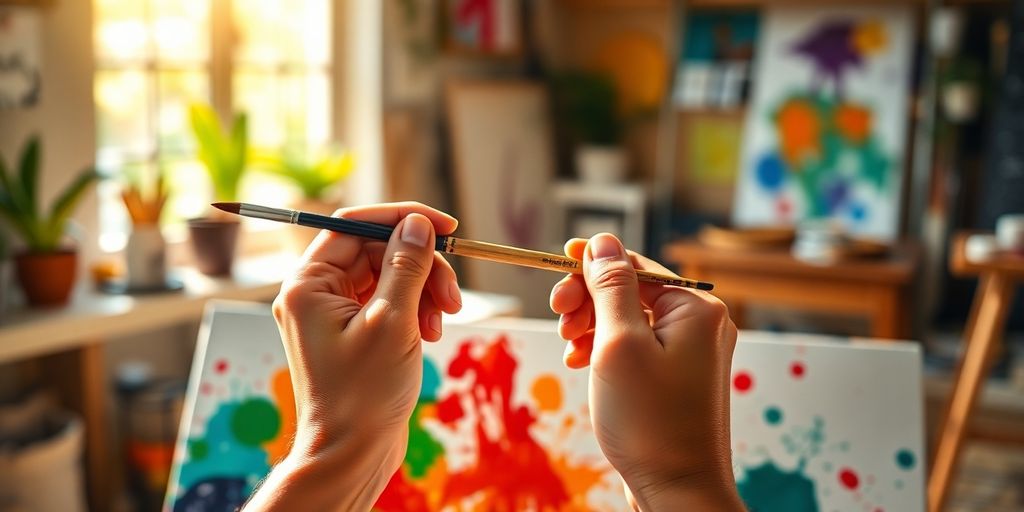
Sometimes, the hardest part of painting is just getting started. You stare at a blank canvas, or a blank digital screen, and nothing comes. It happens to everyone, even seasoned artists. But don’t let that stop you! Finding inspiration is a skill, and like any skill, it can be developed with practice.
Daily Creative Prompts
One of the simplest ways to get your creative juices flowing is to use daily prompts. These are like little sparks to ignite your imagination. They can be a single word, a phrase, a color, or even a feeling. For example, a prompt might be "lonely lighthouse," "vibrant market," or "the smell of rain." Try to create something, anything, based on the prompt. It doesn’t have to be a masterpiece; the goal is just to make marks and explore ideas. You can find tons of these online, or even make your own list.
Learning from Artist Interviews
Hearing how other artists work and find their inspiration can be incredibly motivating. Many artists share their processes, their struggles, and their breakthroughs in interviews. You can find these on YouTube, in art magazines, or on various art blogs. Pay attention to how they talk about their own creative blocks and how they overcome them. It’s comforting to know that everyone faces challenges, and seeing how others push through can give you the encouragement you need.
Setting Meaningful Artistic Goals
Having goals can give your painting practice direction and purpose. Instead of just painting randomly, try setting specific, achievable goals. These could be short-term, like "finish one painting this week," or longer-term, like "explore watercolor techniques for a month." It’s also helpful to think about why you want to paint. What do you hope to express or achieve? Connecting your practice to a deeper meaning can make the process much more rewarding. Consider joining a painting challenge or setting up a personal project, like creating a series of paintings around a theme you care about. This can really push you to improve and finish your work to a higher standard, even if you’re just starting out.
Don’t wait for inspiration to strike like lightning. Cultivate it. Treat your creative practice like a garden; water it with consistent effort, provide it with good soil (your curiosity), and it will bloom.
Here’s a quick look at how you might structure your goals:
- Short-Term (Weekly): Complete 3 small studies focusing on color mixing.
- Mid-Term (Monthly): Finish one complete painting using a new technique learned.
- Long-Term (Quarterly): Develop a series of 5 paintings based on a personal theme.
Remember, the journey of learning to paint is a marathon, not a sprint. Keep exploring, keep experimenting, and most importantly, keep painting. You can find a variety of art and painting classes that might offer new perspectives and techniques to try.
Keep Painting!
So, there you have it. Getting started with painting online for free is totally doable. You don’t need fancy supplies or expensive classes to begin making art. Whether you’re just curious or looking to really build your skills, there are tons of resources out there. Remember, the most important thing is to just start. Grab a brush, open up some software, and see what happens. You might surprise yourself with what you can create. Happy painting!
Frequently Asked Questions
What kind of painting skills can I learn online for free?
You can learn a lot, like how to mix colors, understand light and shadow, and make your paintings look good. Many free classes teach you about different ways to paint, like using brushes and making details look real.
Do I need special software to paint online for free?
Not always! While some programs are paid, there are great free options like Krita. It’s made by artists and has lots of tools for different painting styles. You can also find many tutorials that use basic tools.
How can I get better at painting without spending money?
Practice is key! You can join free challenges or follow step-by-step lessons. Trying out different techniques and painting regularly, even just for a short time each day, helps you improve and build confidence.
Where can I find ideas or prompts to paint?
Many websites offer daily creative prompts to spark your imagination. You can also find inspiration by reading interviews with artists or by setting personal goals for your art projects. Thinking about things you love can also lead to great ideas.
What if I feel stuck or uninspired while painting?
It’s normal to hit creative blocks! Try looking at other artists’ work, revisiting basic techniques, or taking a short break. Sometimes, just changing your subject or trying a new approach can help you get unstuck.
Are there online groups where I can connect with other painters?
Yes, many online platforms and software communities allow artists to share their work, ask questions, and get feedback. Connecting with other painters can be really motivating and help you learn new things.




 PERFECT PAINTER
Leave a comment