

Thinking about painting your house’s exterior? It’s a big job, for sure, but it can really make your place look better and last longer. We’re going to break down everything you need to know about painting exterior surfaces. From picking the right paint and colors to getting the surfaces ready and actually applying the paint, we’ve got you covered. It’s all about making your home look great and protecting it from the weather.
Key Takeaways
- Choose exterior paint based on material compatibility, weather resistance, and desired gloss level for durability.
- Select exterior colors that complement your home’s style and neighborhood, using accent colors for visual interest.
- Proper surface preparation, including cleaning, repairing, and priming, is vital for a lasting paint job.
- Apply exterior paint in good weather using the right tools and multiple coats for the best results.
- Understand different exterior paint types and drying times, and know when to call a professional painter.
Choosing the Right Exterior Paint
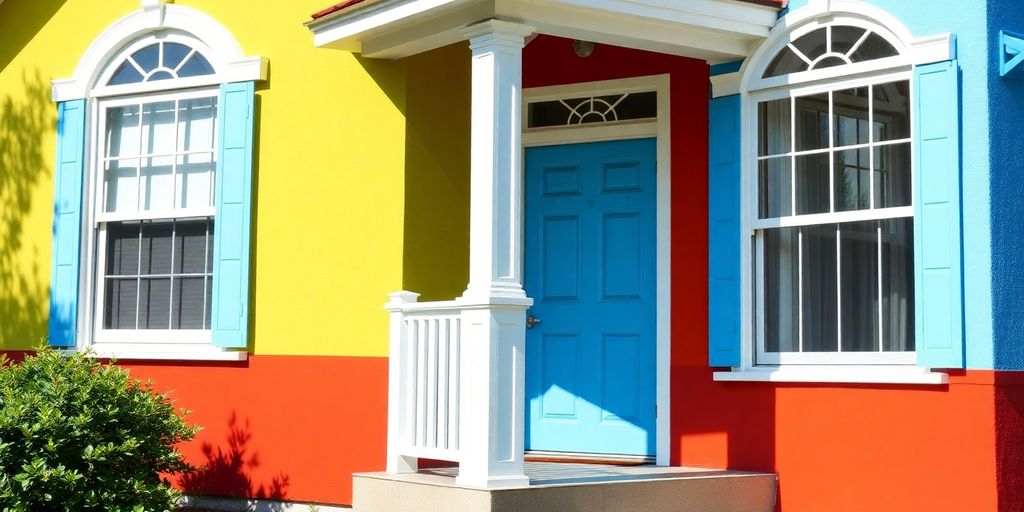
Picking the right paint for your home’s outside is a big deal. It’s not just about making things look pretty; it’s about protecting your house from all sorts of weather. You want something that lasts, you know? Let’s break down what to look for.
Material Compatibility for Exterior Surfaces
First off, what is your house made of? Wood siding needs something different than brick or stucco. Using the wrong paint can lead to peeling or not sticking right. For wood, a good quality acrylic latex is usually a solid choice. If you have brick or concrete, you’ll want a masonry-specific paint. It’s always a good idea to check the paint can or ask someone at the store to make sure it’s a good match for your specific material. Getting this right means the paint will stick better and last longer.
Selecting Paint for Weather Resistance
Your home’s exterior has to deal with sun, rain, snow, and temperature swings. That’s why weather resistance is super important. Look for paints that say they can handle UV rays, moisture, and temperature changes. Higher quality paints usually have better additives to fight off fading, cracking, and peeling. Think of it as giving your house a good raincoat that won’t wear out after one season. This is key for keeping your paint job looking good for years.
Understanding Exterior Paint Gloss Levels
The shine, or gloss level, of your paint affects both how it looks and how it holds up. Here’s a quick rundown:
- Flat/Matte: Hides surface imperfections really well and gives a soft look. However, it can be harder to clean and might absorb more dirt.
- Satin/Eggshell: Offers a bit of sheen, making it easier to clean than flat paint. It’s a popular middle-ground choice for many homeowners.
- Semi-Gloss: Has a noticeable shine and is quite durable and easy to wipe down. Great for trim, doors, and areas that get touched or need frequent cleaning.
- Gloss: The most reflective finish. It’s super durable and easy to clean, but it also highlights every little bump or flaw on the surface.
Choosing the right gloss level is a balance between the look you want and how much maintenance you’re willing to do. A satin or semi-gloss is often a good bet for overall exterior walls because it offers a nice look and decent cleanability.
When you’re picking out colors, don’t forget to check out resources like local art classes for inspiration on color combinations. It might give you some fresh ideas for your own home’s palette.
Elevating Your Home’s Look with Color
Choosing the right colors for your home’s exterior is a big deal. It’s not just about making it look pretty; it’s about how it fits in and how it holds up over time. Think about your house’s style – is it a classic colonial, a modern ranch, or something else? The colors you pick should match that. Also, take a look around at your neighbors’ houses. You don’t want yours to stick out like a sore thumb, but you also want it to have its own personality. Finding that balance is key.
Complementary Exterior Color Schemes
When you’re picking colors, think about how they work together. You want colors that look good next to each other and also with your roof, landscaping, and even the driveway. For example, earthy tones like olive green or warm beige can make a house feel really connected to its surroundings. If you live near the water, blues and whites can give off a relaxed, coastal vibe. For a more modern feel, try pairing a light grey with a dark charcoal or navy for a sharp contrast. It’s a good idea to check out what’s popular or what works well with different architectural styles. You can find lots of inspiration online or at home improvement stores; exploring options at the Wayfair store might give you some ideas.
Harmonizing with Neighborhood Aesthetics
It’s important to consider the overall look of your street. While you want your home to be unique, it should also feel like it belongs. Look at the colors of the houses nearby. Are they mostly muted tones, or are there a lot of brighter colors? Try to pick a palette that fits in without being boring. Maybe your house is a soft grey, and your neighbor’s is a light blue. You could go with a slightly different shade of grey or a complementary color that still feels harmonious. This helps maintain a pleasant streetscape for everyone.
Creating Visual Impact with Accent Colors
Once you have your main colors picked out, think about accents. These are the smaller details that can really make your house pop. The front door is a great place for a bold color, like a bright red or a deep teal. You can also use accent colors on window trim, shutters, or even a porch ceiling. A neutral base color for the house, like a light taupe or a soft white, works well with almost any accent color. This approach adds visual interest without being too overwhelming. It’s like adding jewelry to an outfit – it finishes the look.
Picking the right colors can really change how your house looks and feels. It’s worth taking your time to get it right, maybe even trying out a few samples on your walls before you commit. What looks good on a paint chip might look different on your actual house in different light.
Essential Exterior Surface Preparation
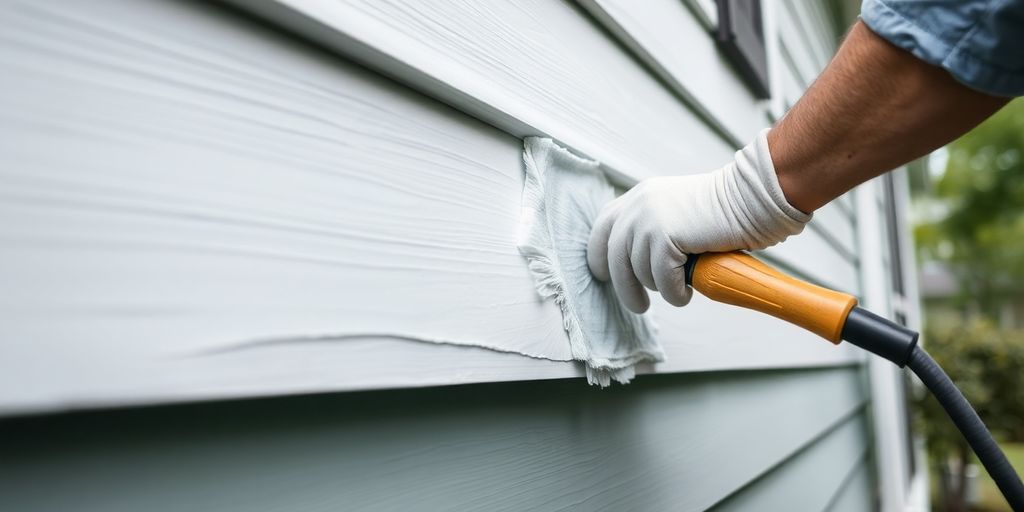
Getting your home’s exterior ready for a fresh coat of paint is probably the most important part of the whole process. Skipping this can lead to paint that peels, cracks, or just doesn’t look right down the road. Think of it like building a house – you need a solid foundation, and for painting, that means properly prepped surfaces.
Cleaning and Repairing Exterior Walls
First things first, you’ve got to get everything clean. Dirt, dust, cobwebs, and any mildew or mold need to go. A good wash with a pressure washer works wonders for removing loose debris and grime. If you don’t have one, a stiff brush and some soapy water will do the trick, though it’ll take more elbow grease. After washing, let the walls dry completely. Then, inspect for any damage. You’ll want to scrape off any old, peeling paint. Fill any cracks or holes with a good quality exterior caulk or filler. For a really smooth finish, especially over repaired areas or where old paint was scraped, sanding is your friend. It helps the new paint stick better. We’re aiming for a surface that’s not just clean, but also smooth and sound.
The Importance of Exterior Priming
Primer is like the unsung hero of exterior painting. It seals the surface, helps the topcoat adhere better, and can even block stains from showing through. If you’ve done any repairs, especially filling holes or dealing with bare wood, primer is a must. It creates a uniform surface for the paint, so you don’t end up with shiny spots or dull patches. For older homes with a lot of character, like those with an antique farmhouse style, primer can really help even out the surface before you apply your chosen colors.
Masking and Protecting Surrounding Areas
Now, let’s talk about protecting what you don’t want to paint. This is where painter’s tape and drop cloths come in. Use painter’s tape to create clean lines around windows, doors, trim, and any other fixtures. Make sure the tape is pressed down firmly so paint doesn’t seep underneath. Cover plants, walkways, and any outdoor furniture with drop cloths. It’s better to spend a little extra time masking than to spend hours cleaning paint off things you didn’t intend to paint. You’ll thank yourself later when you’re peeling off the tape and revealing those crisp, clean edges.
Proper preparation is key to a paint job that lasts. Don’t rush this stage; it’s the foundation for a beautiful and durable finish.
Achieving a Flawless Exterior Paint Application
Getting that smooth, even finish on your home’s exterior isn’t just about slapping paint on. It takes a bit of know-how and patience. The secret to a paint job that looks great and lasts for years lies in the details of application.
Painting in Ideal Exterior Weather Conditions
When you’re painting the outside of your house, the weather really matters. You don’t want to paint when it’s too hot, too cold, or super humid. High temperatures can make the paint dry too fast, leading to brush marks. Freezing temperatures can damage the paint before it even cures. Humidity can also slow down drying and affect how well the paint sticks. Aim for days with mild temperatures, low humidity, and no rain in the forecast. It’s also best to avoid painting in direct, harsh sunlight, as this can cause the paint to dry unevenly.
Using Proper Tools for Exterior Painting
Using the right tools makes a huge difference. For large areas like siding, a good quality roller with an extension pole is your best friend. It helps you cover more ground quickly and evenly. For trim, doors, and windows, you’ll want a good set of brushes. Synthetic bristles are usually best for latex or acrylic paints, which are common for exteriors. Make sure your brushes and rollers are clean and in good shape before you start. Don’t forget things like paint trays, drop cloths to protect surfaces, and painter’s tape for clean lines.
Applying Multiple Coats for Durability
Most exterior paint jobs benefit from at least two coats. The first coat acts as a base and covers any imperfections or previous colors. It’s important to let that first coat dry completely according to the manufacturer’s instructions before you apply the second. This allows for proper adhesion between the layers. A second coat not only deepens the color and provides a more uniform look but also adds an extra layer of protection against the elements. Skipping this step can lead to a finish that fades faster and is more prone to chipping.
Remember, a little extra time spent on proper application techniques, like maintaining a wet edge and avoiding lap marks, will pay off in the long run with a more professional and durable finish.
Key Considerations for Exterior Painting Projects
Getting your home’s exterior painted is a big job, and there are a few things you really need to think about before you even pick up a brush. It’s not just about slapping some color on; it’s about making sure it lasts and looks good for years. Thinking through these points beforehand can save you a lot of headaches and money down the road.
Understanding Exterior Paint Types
Not all paint is created equal, especially when it’s going on the outside of your house. You’ve got options like latex (water-based) and oil-based paints. Latex is generally more flexible and easier to clean up, making it a popular choice for most homes. Oil-based paints can offer a harder finish but can be trickier to work with and clean. It’s important to pick a paint that’s made specifically for exterior use, as it needs to stand up to sun, rain, and temperature changes. Some paints are even formulated for specific materials like wood, vinyl, or stucco, so check the label to make sure it’s compatible with your home’s siding. You can find a good overview of paint options at your local hardware store.
Exterior Paint Drying Time Factors
When you’re painting outside, the weather really matters. The drying time for exterior paint isn’t just about how long it takes to feel dry to the touch; it’s also about how it cures and bonds to the surface. Temperature, humidity, and even direct sunlight can affect this. If it’s too cold, too hot, or too humid, the paint might not dry or cure properly, which can lead to problems like peeling or cracking later on. Always check the paint can for the manufacturer’s recommended temperature and humidity ranges for application and drying. Generally, you want to avoid painting when rain is expected soon after you finish, even if the surface feels dry.
When to Hire a Painting Contractor
Sometimes, tackling an exterior paint job yourself is just too much. If your house is really tall, has a lot of intricate details, or if you’re just not comfortable working on ladders, it might be time to call in the pros. A good painting contractor has the right equipment, knows how to prep surfaces properly, and can get the job done efficiently and safely. It’s worth getting a few quotes from different companies and checking their references. Asking them about their experience with homes similar to yours is a good idea. You can also ask them about their insurance and what kind of warranty they offer on their work. Hiring a professional can give you peace of mind and a better final result, especially for larger or more complex projects.
Painting Specific Exterior Features
Painting specific exterior features can really make your home pop. It’s not just about slapping paint on; it’s about giving each part the attention it deserves. Think of your front door – it’s the first thing people see, right? Making it look good is a big deal for your home’s overall vibe. And then there are windows, which frame your views and add character. Even your roof, though less obvious, plays a role in the look and protection of your house.
How to Paint Exterior Doors
Your front door is like the handshake of your house. To get it looking sharp, start with prep. Clean it up, maybe give it a light sanding so the paint sticks well. If it’s wood, a good primer is a must. Pick a color that either makes a statement or just fits in nicely with everything else. And don’t forget to use paint that can handle whatever the weather throws at it. It’s all about making that entrance welcoming and durable. You can find some great door paint colors to explore.
Painting Your Home’s Roof
Painting a roof isn’t something everyone does, but it can be a good idea, especially if you’re looking to keep your house cooler or protect it better. There are special paints out there, like cooling paints that can help reflect sunlight, which is nice in hot climates. You can also get paints that add a waterproof layer, helping to stop leaks and make your roof last longer. It’s a bit more involved than painting a wall, so make sure you’re comfortable with heights and have the right safety gear. If you’re unsure, it might be best to look into hiring someone for this job.
Wrapping Up Your Exterior Painting Project
So, you’ve made it through the guide. Painting your home’s outside might seem like a big job, and honestly, it is. But with the right prep work and a good plan, it’s totally doable. Remember to pick colors that look good and last, get the surfaces ready the right way, and use paint that can handle the weather. Taking the time to do it well means your house will look great and be protected for years to come. It’s a project that really pays off, making your home look its best and adding to its value. Good luck with your painting!
Frequently Asked Questions
What should I look for when choosing exterior paint?
When picking paint for your house’s outside, think about what it’s made of. Wood needs different paint than brick or metal. Also, pick paint that can handle sun, rain, and wind. The shine of the paint matters too; glossier paints are tougher and easier to clean, while flat paints hide imperfections better.
How do I choose colors for my home’s exterior?
To make your house look great, pick colors that match its style and the things around it, like trees or other houses. You can use bright colors to make a statement, but it’s often best to use a main color and then add pops of contrasting color for interest.
What are the important steps to prepare surfaces before painting?
Before you paint, you have to clean the walls really well to get rid of dirt and old paint. Fix any holes or cracks, and then put on a coat of primer. Primer helps the new paint stick better and last longer. Cover up windows and doors with tape or plastic so you don’t get paint on them.
What are the best ways to apply exterior paint for a good result?
It’s best to paint when the weather is dry and not too hot or cold. Use good brushes and rollers that are right for the type of paint and surface. Apply the paint evenly, working from top to bottom. Putting on two or three thin coats is better than one thick coat for a lasting finish.
Why is painting the outside of my house important?
Exterior paint protects your house from weather like sun and rain, which can stop damage and make your house last longer. A fresh coat of paint can also make your house look nicer and increase its value, which is great if you ever plan to sell it.
Should I hire a professional painter for my exterior project?
Yes, especially if the job is big or you’re not comfortable working on ladders. A professional painter knows the best techniques and has the right equipment to do a great job safely and efficiently. They can also help you pick the right colors and paints.





 PERFECT PAINTER
Leave a comment