

So, you want to get into watercolor water painting, huh? It’s a really cool medium, kind of magical how the colors just flow. I’ve been messing around with it for a bit, and honestly, it’s not as scary as it looks. You just need the right stuff and a few pointers. We’ll go over what you need, some basic ways to put paint on paper, and how to make your paintings look, well, awesome. Let’s get started!
Key Takeaways
- Understanding what makes watercolor paints special is the first step.
- Having the right brushes, paints, and paper makes a big difference.
- Learning basic techniques like wet-on-wet and wet-on-dry is important.
- Adding layers and using things like masking fluid can make your art pop.
- Don’t be afraid to try simple projects and add small details to your work.
Exploring The Magic Of Watercolour Painting
Watercolour painting is a really special kind of art. It’s known for being light and airy, unlike other paints that can be thick and heavy. When you use watercolors, you get this see-through effect that makes colors look like they’re glowing on the paper. It’s pretty amazing how just a little bit of water and paint can create these soft color blends and bright spots that really make a picture come alive. It feels like you’re capturing light itself.
Understanding Watercolour’s Unique Qualities
What makes watercolors so different is their transparency. You can layer colors, and the ones underneath still show through, creating a real sense of depth. This also means mistakes can be harder to cover up, which is part of the challenge and the fun. The way the water moves the pigment around is also unique; it can create soft edges or bloom effects that you just don’t get with other paints. It’s a medium that really rewards patience and a gentle touch. Learning to control the water is key to mastering watercolour painting tips.
Finding Inspiration For Your Art
Sometimes, just looking around can spark ideas. Think about the way light hits a wet leaf after rain, or how colors blend in a sunset. Even simple things like a cup of tea can be a subject. Don’t feel like you have to paint grand landscapes right away. Sometimes the most beautiful paintings come from everyday moments. You might find inspiration in the way colors mix on your palette, or in the textures you can create on the paper. Just keep your eyes open and your sketchbook handy.
Watercolour painting is a journey of discovery, where each brushstroke teaches you something new about color, water, and your own creative voice. Embrace the process, and don’t be afraid to experiment.
Essential Supplies For Watercolour Water Painting
Getting started with watercolors doesn’t require a massive investment, but having the right tools makes a big difference. Think of it like cooking; you can make a meal with basic utensils, but good equipment makes the process smoother and the results better. For watercolors, the core items you’ll need are paints, brushes, paper, and something to mix your colors on.
Choosing The Right Paints
Watercolors come in tubes or pans. Tube paints are more concentrated and good for laying down large areas of color, while pan paints are convenient for travel and smaller works. You don’t need a huge set to start. A basic set with primary colors (red, yellow, blue), plus black and white, is usually enough to mix a wide spectrum of hues. Student-grade paints are perfectly fine for learning, but if you plan to sell your work or want richer colors that blend more easily, consider professional-grade paints later on. It’s really about finding what works for your budget and your current skill level.
Selecting Your Brushes
Brush choice is pretty important. You’ll want a few different sizes and shapes. A medium round brush is super versatile for lines and filling small areas. A larger flat brush is great for washes, those big areas of smooth color. Some people also like a small detail brush for fine lines. Synthetic brushes are a good starting point and are more affordable. Natural hair brushes, like sable, hold more water and give a softer edge, but they cost more. Don’t feel like you need a dozen brushes right away; two or three good ones will get you going.
Paper And Palettes
Paper is probably more important than you think. Regular printer paper or drawing paper just won’t cut it; they buckle and tear when they get wet. You need watercolor paper, which is thicker and designed to handle water. Look for paper that’s at least 140lb (300gsm). It usually comes in cold-press (has a bit of texture), hot-press (smoother), or rough finishes. Cold-press is a good all-around choice for beginners. For a palette, you can use a ceramic plate, a plastic palette with wells, or even just a piece of plastic. The main thing is having a clean surface to mix your colors without them getting muddy. You’ll also need a couple of jars of clean water – one for rinsing your brush and one for getting clean water to mix with your paints. Having some paper towels handy is also a good idea for controlling the amount of water on your brush or lifting color from the paper. If you’re interested in learning more about different painting styles, check out this guide on acrylic painting techniques.
Setting up your workspace before you begin is a smart move. Having your paints, brushes, water, and paper towels within easy reach means you can focus on painting, not searching for supplies. It also helps if you make a mistake; having those clean water and paper towels ready can sometimes save a painting before the paint dries permanently.
Fundamental Watercolour Techniques
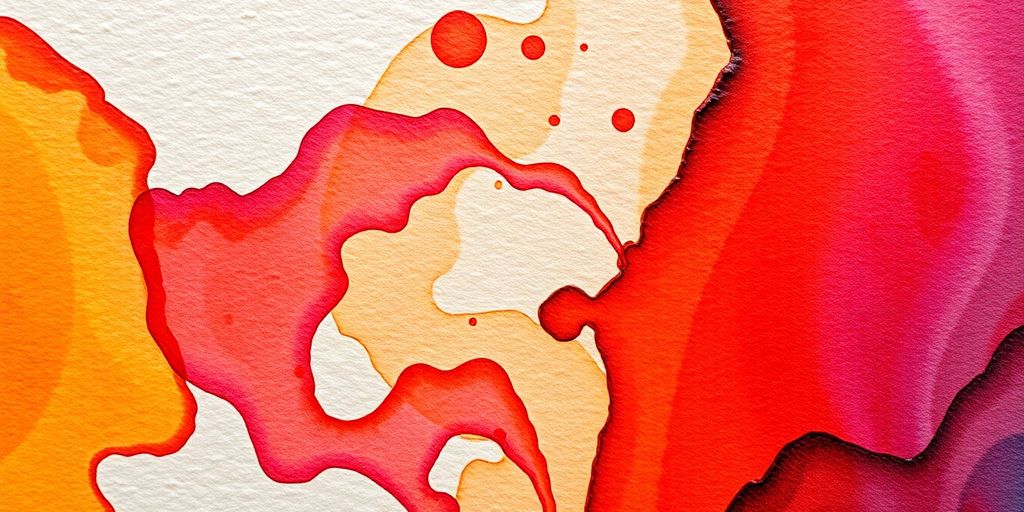
Let’s get down to the nitty-gritty of actually painting with watercolors. It’s not just about slapping paint on paper; there are ways to get different looks and effects. We’ll cover the main ways artists use this medium to get those cool, watery results.
Mastering Wet-On-Wet
This is where the magic happens with blending. You take your brush, load it with paint, and then touch it to paper that’s already damp. The colors just flow into each other, creating soft edges and beautiful gradients. It’s great for skies, backgrounds, or anything where you want colors to mix naturally. You have to be careful with how much water you use, though. If the paper is too wet, your colors might get muddy or just spread too much. It’s a bit of a balancing act, but when you get it right, it looks amazing.
Achieving Precision With Wet-On-Dry
This is the opposite of wet-on-wet. You use a wet brush with paint on dry paper. This gives you more control. You can make sharp lines and clear shapes. Think of drawing with a brush. It’s perfect for details, like the edges of leaves or the lines in a building. You can also build up colors by layering them. If you put a light color down first and let it dry, you can then paint a darker color over it without them mixing too much. This is how you get depth and definition in your work. It’s a really common way to paint, and you’ll use it a lot for adding those finishing touches.
Creating Washes For Smooth Transitions
A wash is basically a large area of color that’s applied smoothly. You can do this wet-on-wet or wet-on-dry. For a flat wash, you load your brush with color and paint a stroke, then reload your brush and overlap the previous stroke slightly, working your way down the paper. This creates an even layer of color. For graded washes, you start with a darker color and gradually add more water to your brush as you go down the paper, making the color lighter. This gives you a nice fade. Washes are super useful for backgrounds, skies, and large areas that need a consistent color. Getting them smooth takes a bit of practice, but it’s worth it for that clean look. You can learn more about essential watercolor techniques to help you master these basics.
Adding Depth And Texture
Let’s talk about making your watercolor paintings pop with a bit more life and dimension. It’s not just about slapping paint on paper; it’s about how you build up those layers and play with different surface qualities. Think about how real life isn’t just flat colors – there are rough bits, smooth bits, and things that seem to recede into the distance. We can mimic that with our paints.
Layering Colours For Richness
Layering is your best friend when you want colors to feel deep and vibrant. Instead of just mixing a dark color, try applying lighter washes first and then building up darker tones on top. This allows the light to bounce back through the layers, giving your colors a luminous quality. It’s like building up a complex flavor in cooking; each layer adds something. Don’t be afraid to let layers dry completely between applications, especially if you want crisp edges. For softer transitions, you can work into a damp layer with another wash, but be mindful of how the colors might blend.
Utilizing Masking Fluid For Effects
Masking fluid is a bit like a temporary shield for your paper. You paint it over areas you want to keep untouched by subsequent washes, like bright highlights or sharp edges. Once your painting is dry, you gently rub the masking fluid away, revealing the pristine paper or the color underneath. It’s fantastic for creating sharp details, like the glint on water or the edges of leaves. Just remember to use a cheap brush for application, as it can ruin good ones. You can also use it to create interesting textures by dabbing it on and then removing it once dry.
Creating Movement With Water Effects
Water itself is a powerful tool in watercolor. You can tilt your paper to let washes run and create natural-looking gradients or drips. The ‘wet-on-wet’ technique, where you apply paint to wet paper, allows colors to bleed and blend softly, perfect for skies or misty landscapes. For more control over movement, try lifting paint with a damp brush or paper towel while the wash is still wet. This can create soft highlights or textured areas. Experimenting with how much water you use on your brush and paper is key to controlling these effects. Learning to squint at a landscape scene can help you see the big shapes and values, which is useful for planning where these water effects will have the most impact.
Elevating Your Watercolour Art
Once you’ve got the basics down, it’s time to really make your watercolor paintings sing. This section is all about pushing your skills a bit further and adding those special touches that make your art stand out. We’ll look at how to get those tiny, precise lines just right, explore different ways to paint without sticking to just realism, and even tackle those moody, beautiful night scenes.
Incorporating Fine Details
Adding fine details can really make your watercolor paintings pop. While watercolor is often about soft, flowing colors, sometimes you need those sharp lines or little highlights. You can use a waterproof fine-liner pen over your dry paint for crisp outlines or to add patterns. A white gel pen or even a touch of opaque white gouache can be perfect for adding those tiny bright spots, like the glint in an eye or reflections on water. These small additions can bring a lot of life and focus to your work.
Exploring Abstract Watercolour Styles
Don’t feel like you always have to paint exactly what you see. Abstract watercolor is a fantastic way to play with color, texture, and form without the pressure of realism. Think about letting the water and paint do their thing, creating unexpected blends and patterns. You can experiment with different brushstrokes, splattering paint, or even using salt on wet washes to create interesting textures. It’s all about the process and the feeling you want to convey.
Painting Captivating Night Skies
Night skies in watercolor can be incredibly atmospheric. The key is often in the layering and the blending of dark colors. Start with a wet wash of blues and purples, letting them bleed into each other. As it dries slightly, you can add darker tones like indigo or black for depth. For stars, you can use a splatter technique with white gouache or a fine white pen once the sky is completely dry. Getting the transitions smooth is important, so don’t be afraid to re-wet areas gently if needed. Learning watercolour techniques can really help here.
Beginner-Friendly Watercolour Projects
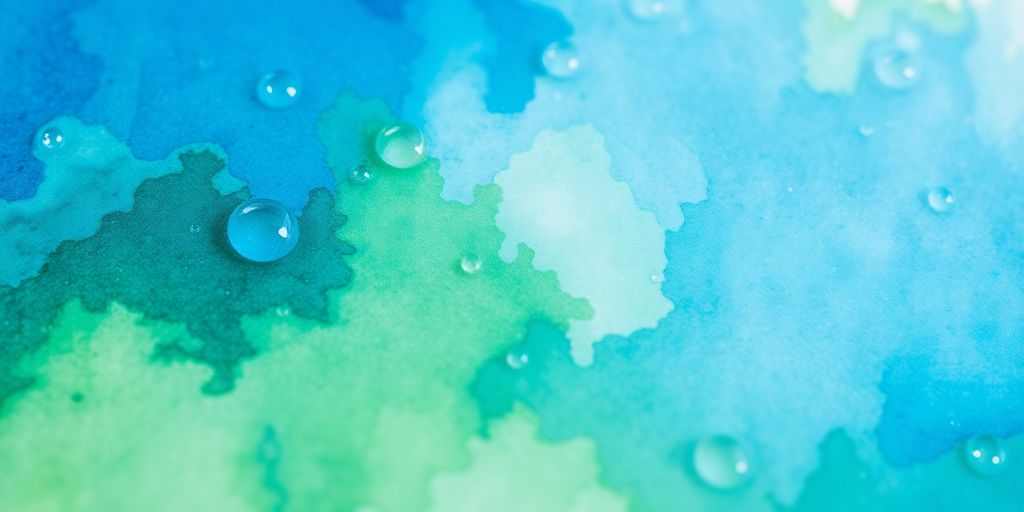
Getting started with watercolors can feel a bit daunting, but it doesn’t have to be. There are plenty of simple projects that let you play with the medium without getting overwhelmed. Think of these as your watercolor training wheels, helping you build confidence and get a feel for how the paint behaves. The key is to start with subjects that are forgiving and allow for experimentation.
Simple Landscape Watercolour Ideas
Landscapes are a fantastic starting point for beginners. You don’t need to worry about perfect proportions or intricate details. Instead, focus on capturing the mood and atmosphere. Try painting a simple sky with soft clouds using the wet-on-wet technique. You can blend blues and purples for a sunset or soft grays for a cloudy day. Then, add a simple horizon line with a wash of green or brown for rolling hills. Don’t stress about making it look exactly like a photograph; aim for an impression of the scene. This approach lets you practice washes and color blending, which are core watercolor skills. You can find lots of simple watercolor painting ideas to get you going.
Step-by-Step Project Guides
Sometimes, having a clear path makes all the difference. Here’s a basic guide to painting a simple apple:
- Prepare your paper: Tape down your watercolor paper to a board to prevent buckling. Wet the area where you’ll paint the apple with clean water.
- Lay down the base color: While the paper is still damp, load your brush with a light red or pink. Gently touch the brush to the paper and let the color spread. Add a bit of yellow or orange for highlights.
- Add shadows and depth: Once the first layer is dry, mix a slightly darker red or a touch of purple. Use a smaller brush to add shadows on one side of the apple, following the curve.
- Paint the stem and leaf: Use a brown or green for the stem and a simple leaf. You can use the wet-on-dry technique here for more control.
- Refine and finish: Look at your apple. Does it need a bit more shadow? A touch more highlight? Make small adjustments. You can even add a subtle cast shadow underneath the apple to ground it.
Remember, the goal isn’t perfection, but practice. Each stroke is a learning opportunity. Don’t be afraid to make ‘mistakes’; they often lead to unexpected and beautiful results in watercolor.
Keep Painting!
So, we’ve gone over a bunch of ways to make your watercolor paintings look really good. From mixing colors to trying out different brush strokes, there’s a lot to play with. Don’t worry if things don’t turn out perfect right away. Just keep at it, try new things, and see what happens. The best way to get better is to just keep painting. Have fun with it!
Frequently Asked Questions
What makes watercolor paints special?
Watercolor paints are special because they’re see-through and flowy. This lets you make pretty, light colors that mix together nicely. You can create soft edges and bright, shimmery effects that make your art look alive.
What art supplies do I need for watercolor painting?
To start, you’ll need watercolor paints, brushes made for watercolors, good watercolor paper, and a palette to mix your colors on. Having the right stuff makes painting much easier and more fun.
What is the wet-on-wet technique?
The “wet-on-wet” method means putting wet paint onto wet paper. This helps colors blend smoothly, making soft colors and blurry edges. It’s great for creating dreamy backgrounds or misty scenes.
What is the wet-on-dry technique?
The “wet-on-dry” method is when you put wet paint onto dry paper. This gives you more control, so you can make sharp lines and clear details. It’s useful for things like drawing outlines or adding small features.
How can I add depth and texture to my watercolor paintings?
You can add depth by layering colors. Start with light colors and add darker ones on top after the first layer dries. This makes your painting look richer. Using masking fluid can also help you keep certain areas white or a specific color for sharp designs.
What are some easy tips for beginner watercolor artists?
For beginners, try painting simple things like landscapes or flowers. Start with light colors and let them dry before adding more layers. Don’t be afraid to try different brush strokes to see what happens. Practicing often is the best way to get better!





 PERFECT PAINTER
Leave a comment