

So, you want to get into oil painting, huh? Or maybe you’re already an artist and just looking for some new oil painting oils to try out. Either way, picking the right oil painting oils can feel like a big deal. It really changes how your art looks and feels. This article is here to help you figure out what to look for, from understanding the different kinds of oil painting oils out to picking a good brand. We’ll make it simple, so you can get to painting without all the guesswork.
Key Takeaways
- Oil painting oils give you lots of options for making art, letting you get deep colors and a lasting finish.
- Artist quality oil painting oils are usually better than student quality ones because they have more color and last longer.
- Different oil painting oils, like linseed or walnut, change how your paint handles and dries.
- When picking a brand of oil painting oils, think about what you need, what brands are known for good stuff, and how much you want to spend.
- To get the most out of your oil painting oils, learn about their traits, try to stick with one brand, and don’t be afraid to experiment.
Understanding Oil Painting Oils
The Versatility of Oil Painting Oils
Oil paints are super versatile, and that’s a big part of why artists have loved them for centuries. The slow drying time is a game-changer, giving you way more time to blend colors, layer different shades, and really nail those fine details. It’s not like acrylics that dry in a flash; with oils, you can keep tweaking things until they’re just right. This makes them perfect for complex paintings where you’re building up layers of color over time. Plus, the colors themselves are just so rich and vibrant, thanks to the high pigment concentration.
- Blending is easier, allowing for smooth transitions.
- Layering creates depth and dimension.
- Reworking is possible, fixing mistakes or refining details.
I remember when I switched from acrylics to oils. The difference was night and day. The colors popped so much more, and I didn’t feel rushed to finish before the paint dried. It opened up a whole new world of possibilities for my art.
Achieving Depth and Vibrancy with Oil Painting Oils
One of the biggest reasons artists choose oil paints is for the incredible depth and vibrancy you can achieve. The high pigment concentration in quality oil paints means the colors are super rich and intense. You can really build up layers to create a sense of depth and luminosity that’s hard to match with other mediums. Think about those classic oil paintings you see in museums – that’s the kind of depth and richness we’re talking about.
- High pigment concentration leads to intense colors.
- Layering techniques create depth and dimension.
- Glazing adds luminosity and subtle color variations.
The Enduring Appeal of Oil Painting Oils
Oil paints have been around for ages, and there’s a good reason for that. Their durability and the beautiful effects you can achieve make them a favorite among artists. They offer a unique combination of flexibility and control that’s hard to find in other mediums. Plus, there’s something special about working with a material that has such a rich history. From the Old Masters to contemporary artists, oil paints have been used to create some of the most iconic and enduring works of art. The enduring appeal of oil painting oils lies in their ability to capture light, color, and emotion in a way that few other mediums can.
- Historical significance and tradition.
- Durability and longevity of finished artworks.
- Unique handling properties for artistic expression.
Artist Quality Versus Student Quality Oil Painting Oils
The Importance of Pigment Concentration in Oil Painting Oils
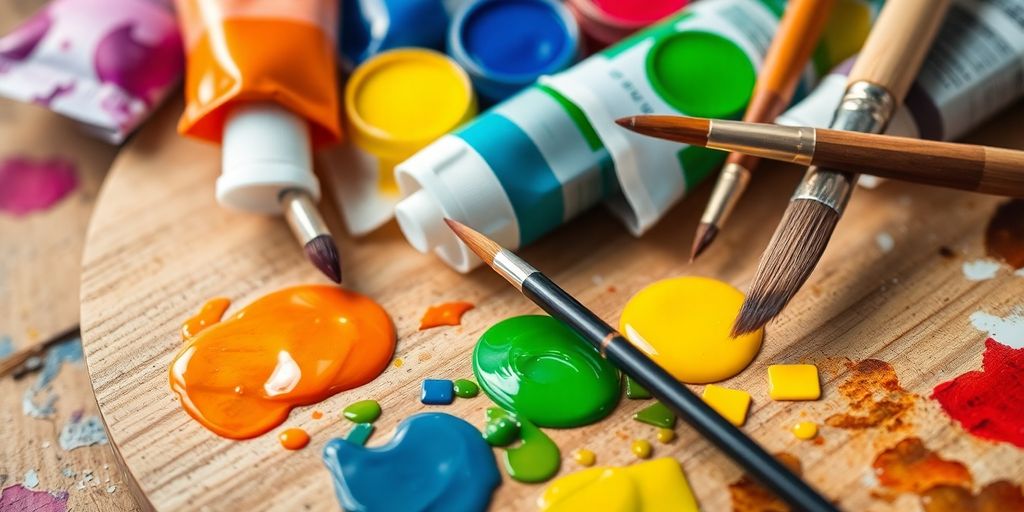
When you’re starting out with oil paints, it’s easy to think that all paints are created equal. But there’s a big difference between artist-grade and student-grade paints, and it mostly comes down to pigment concentration. Artist-quality paints have a much higher pigment load, meaning the colors are more vibrant and intense. Student-grade paints use less pigment and more fillers, which can make the colors look dull and less true. This difference really impacts the final look of your painting. Think of it like this: you’re paying for the actual color, not just a tinted base.
Lightfastness and Longevity of Oil Painting Oils
One of the most important things to consider when choosing oil paints is how well they’ll hold up over time. This is where lightfastness comes in. Artist-quality paints are formulated with pigments that are more resistant to fading or changing color when exposed to light. Student-grade paints, on the other hand, often use cheaper pigments that are more prone to fading. This means that a painting done with student-grade paints might look different in a few years than it does today. If you want your artwork to last, investing in artist-quality oils is a must.
Color Range and Mixing Capabilities of Oil Painting Oils
Another key difference between artist and student-grade paints is the range of colors available and how well they mix. Artist-quality paints typically offer a wider spectrum of colors, allowing for more nuanced and complex color mixing. Because of the higher pigment concentration, they also mix more cleanly and predictably. Student-grade paints may have a limited color selection, and their lower pigment load can make mixing tricky, leading to muddy or unpredictable results. If you’re serious about exploring color and creating unique hues, artist-quality paints will give you a much better experience.
Using student-grade paints can be frustrating because the colors aren’t as strong, and they don’t mix as well. It’s like trying to bake a cake with cheap ingredients – the end result just isn’t as good. Investing in artist-quality paints from the start can make a huge difference in your painting journey, helping you achieve the colors and effects you’re aiming for.
Here’s a quick comparison:
| Feature | Artist Quality Oil Painting Oils | Student Quality Oil Painting Oils |
|---|---|---|
| Pigment Concentration | High | Low |
| Lightfastness | Excellent | Fair to Poor |
| Color Range | Wide | Limited |
| Mixing Capabilities | Excellent | Fair |
| Price | Higher | Lower |
Exploring Different Types of Oil Painting Oils
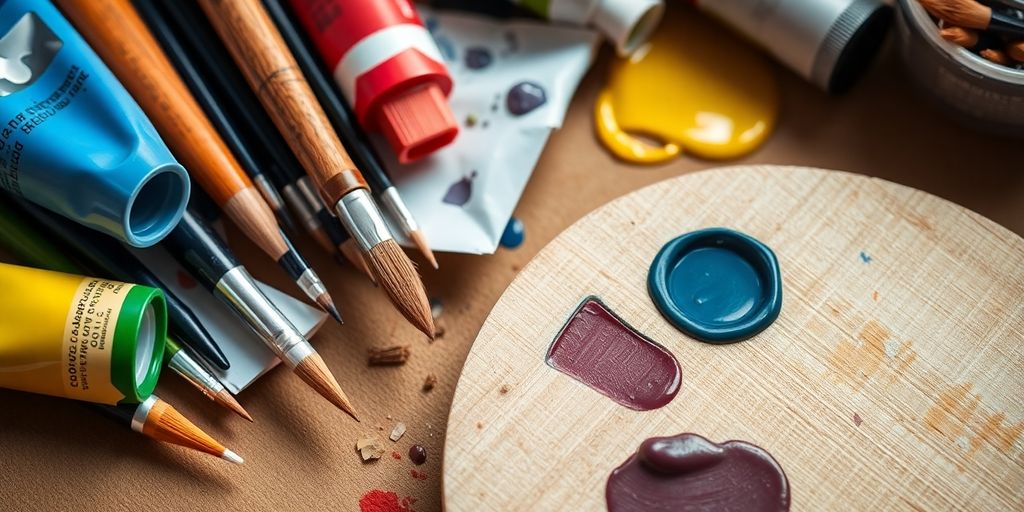
Oil paints are pretty cool because you can mess with them in so many ways. A big part of that is the type of oil used. Each oil has its own personality, affecting how the paint handles, how long it takes to dry, and the final look of your painting. Let’s check out some common ones.
Linseed Oil for Oil Painting Oils
Linseed oil is like the old reliable of the oil painting world. It’s been around forever and is super popular because it dries well. It’s made from flaxseed and gives you a strong, flexible paint film. Plus, it makes colors look richer and gives your painting a nice shine. It’s what I usually use, to be honest. It’s just easy to find and works great.
Walnut Oil for Oil Painting Oils
Walnut oil is another good option, especially if you’re not a fan of how linseed oil can yellow over time. It’s a bit slower to dry than linseed, which can be good if you like to take your time blending. Some artists swear by it for lighter colors because it keeps them brighter for longer. I’ve tried it a few times, and it definitely has a smoother feel.
Safflower Oil for Oil Painting Oils
Safflower oil is similar to walnut oil in that it yellows less than linseed. It’s often used in white and light-colored paints to keep them from getting dingy. It dries even slower than walnut oil, so you’ve got plenty of time to work with your painting ideas on canvases. If you’re in a rush, this might not be your best bet, but if you like to really finesse your paintings, give it a shot.
Stand Oil for Oil Painting Oils
Stand oil is basically linseed oil that’s been heated until it gets thick and honey-like. It makes your paint more transparent and gives it a really glossy finish. A lot of artists use it as a medium to make the paint flow better and boost the color. It’s great for glazing techniques, where you layer thin, transparent colors to build up depth. I don’t use it as much, but when I want a super smooth, shiny look, stand oil is the way to go.
Choosing the right oil can really change your painting game. It’s all about experimenting and seeing what works best for you and the kind of art you want to make. Don’t be afraid to try different oils and mix them to get the effects you’re after.
Selecting the Right Brand of Oil Painting Oils
Choosing the right brand of oil paints can feel like a big decision, especially with so many options available. It’s something that impacts the final result of your work, so it’s worth thinking about. Don’t stress too much though, you’ll figure out what you like as you go!
Factors to Consider When Choosing Oil Painting Oils
When you’re picking out oil paint brand, there are a few things to keep in mind.
- First, think about the pigment concentration. Artist-grade paints usually have more pigment, which means richer colors and better coverage.
- Lightfastness is also important, especially if you want your paintings to last. Look for paints with good lightfastness ratings to avoid fading over time.
- Consider the oil used in the paint. Linseed oil is common, but walnut or safflower oil might be better if you’re sensitive to yellowing or want a longer working time.
It’s a good idea to stick with one brand, at least when you’re starting out. This helps ensure that the paints mix well together and behave consistently. Mixing brands can sometimes lead to unexpected results, which can be frustrating.
Reputable Brands of Oil Painting Oils
There are tons of brands out there, and most of the well-known ones are pretty good. Some popular choices include Winsor & Newton, Gamblin, and Rembrandt. These brands have been around for a while and have a reputation for quality. Other brands like Michael Harding and Old Holland are also great, but tend to be more expensive. Ultimately, it comes down to personal preference and what you’re looking for in a paint.
Price Considerations for Oil Painting Oils
Price is always a factor, right? Artist-grade paints can be pricey, but they’re usually worth the investment if you’re serious about painting. Student-grade paints are more affordable, but they might not have the same pigment concentration or lightfastness. If you’re on a budget, look for sales or consider buying smaller tubes of artist-grade paints. You can also mix and match, using cheaper paints for underpainting and more expensive ones for the final layers.
Optimizing Your Oil Painting Oils Experience
Understanding the Properties of Your Oil Painting Oils
Okay, so you’ve picked your oils, maybe even splurged on some artist-quality ones. Now what? It’s not just about slapping paint on a canvas. It’s about understanding what each oil does. Different oils have different drying times, levels of gloss, and even impact the color over time. For example, linseed oil is a popular choice, known for its ability to enhance color saturation. Walnut oil, on the other hand, yellows less over time, making it great for lighter colors. Knowing these things can seriously up your painting game.
Consistency in Your Choice of Oil Painting Oils
Once you find a brand and type of oil you like, try to stick with it, at least for a while. Jumping around between different brands and types can lead to unpredictable results. Each brand uses slightly different formulations, which can affect the paint’s consistency, drying time, and even how it interacts with other colors. It’s like baking – you wouldn’t switch flour types mid-recipe, would you? The same goes for painting. Find what works, and then build from there. Using artist-quality oils consistently will help you develop a better feel for how the paint behaves, leading to more control and better outcomes.
Experimenting with Different Oil Painting Oils
Okay, I know I just said to be consistent, but hear me out. Once you’ve got a handle on the basics, don’t be afraid to experiment! Try mixing different oils to see how they affect the paint’s properties. Maybe a little stand oil for extra gloss, or some safflower oil to slow down the drying time. The possibilities are endless. Just keep good notes so you remember what you did and what results you got. Think of it like a science experiment, but with prettier results (hopefully!).
It’s easy to get stuck in a rut, using the same old techniques and materials. But art is all about exploration and discovery. Don’t be afraid to try new things, even if they seem a little intimidating at first. You might just stumble upon your next favorite technique or discover a new way to express your artistic vision. So go ahead, mix it up, and see what happens!
Here’s a simple table to get you started:
| Oil Type | Drying Time | Yellowing | Gloss Level | Best For |
|---|---|---|---|---|
| Linseed | Medium | Moderate | High | General use, vibrant colors |
| Walnut | Medium | Low | Medium | Light colors, less yellowing |
| Safflower | Slow | Very Low | Medium | Whites and light colors, slow drying |
| Stand Oil | Very Slow | Low | Very High | Glazing, smooth blending, increased flow |
And here are some things to keep in mind when experimenting with oil painting oils:
- Always work in a well-ventilated area.
- Use appropriate mediums and solvents.
- Keep detailed notes of your experiments.
- Don’t be afraid to make mistakes – that’s how you learn!
Conclusion
So, we’ve talked a lot about oil paints, right? It’s pretty clear there’s no single "best" oil paint out there for everyone. What works for one artist might not be what you need. It really comes down to what you like, what you’re trying to do with your art, and honestly, what your budget looks like. Don’t be afraid to try different brands and types of oil. You might find a new favorite, or you might just confirm that what you’re already using is perfect for you. The main thing is to just get started and see what happens. Happy painting!
Frequently Asked Questions
Why are oil paints so special for artists?
Oil paints are great because they dry slowly, giving artists lots of time to mix colors and add layers. They also make colors look super rich and deep, which is why many artists love them.
What’s the big difference between artist-quality and student-quality oil paints?
Artist-quality paints have more pure color and last longer. Student-quality paints are cheaper but don’t have as much color and might fade over time. It’s usually better to start with artist-quality if you can, even as a beginner.
What kinds of oils are used in oil painting, and what do they do?
Different oils like linseed, walnut, and safflower oil are used in oil paints. Each one changes how the paint acts, like how fast it dries or how shiny it looks. Linseed oil dries pretty fast and makes colors bright, while walnut oil dries slower.
How do I pick the right brand of oil paint?
When picking a brand, look for one that makes artist-quality paints. Good brands often have a long history and make consistent paints. Think about the colors they offer and how much they cost. Sticking to one brand can also help make sure your paints mix well together.
What should I know about my oil paints to get the best results?
It’s smart to learn about your paints, like what colors are in them and how well they resist fading. This helps you understand how the paint will work and if it fits your style. Don’t be afraid to try different paints to see what you like best!
Should beginners use artist-quality oil paints?
Yes, many artists find that using artist-quality paints from the start helps them learn better because the paints behave more predictably and offer richer colors. It can make your painting journey more enjoyable and help you grow faster.





 PERFECT PAINTER
Leave a comment