

So, you’re looking to spruce up your living room, huh? Well, choosing the right drapes for living room can totally change how a space feels. They’re not just for blocking out sun; they add style, coziness, and can even make a room look bigger. Getting the perfect drapes for living room can seem tricky with all the choices out there, but don’t worry. This guide will walk you through everything you need to know to pick out drapes that fit your home just right. Let’s get started!
Key Takeaways
- Drapes should hang at least six inches above the window frame. This makes ceilings look taller.
- The best drapes for living room often extend past the window frame on both sides. This lets in more light when they’re open.
- Floor-length drapes are usually best for a classic and elegant look.
- When picking drapes for living room, think about the fabric. It should match your room’s style and add some texture.
- For a modern touch, try hanging your drapes from the ceiling. It makes the room feel taller and adds visual interest.
How Should Drapes Look In The Living Room?
It’s a common question: how should drapes look? Honestly, there’s no single right answer. It really boils down to what you like and what works with your space. But, there are some guidelines that can help you make the right choice. The goal is to create a cohesive and visually appealing look that complements your living room’s style.
Hanging Height For Drapes
Hanging drapes higher than the window frame can make a room feel taller. I usually aim for at least 6 inches above the frame, but sometimes even higher looks better. It’s all about creating the illusion of height. You can also mount drapes from the ceiling to make the room look bigger.
Optimal Drape Width
Width is important for both function and aesthetics. You want enough fabric so that the drapes look full and luxurious when closed, and don’t just appear as a flat sheet. Here’s a quick guide:
- Measure the width of your window.
- Multiply that measurement by 2 or 2.5. This is the minimum width of fabric you’ll need for your drapes.
- Consider adding even more width if you want a really full, gathered look.
Ideal Drape Length
There are a few schools of thought on drape length. Some people like drapes that just kiss the floor, while others prefer a slight puddle. And some like them short. Here’s a breakdown:
- Floor-length: This is the most common and generally considered the most elegant. The drapes should just barely touch the floor.
- Puddle: For a more relaxed, romantic look, let the drapes puddle on the floor by a few inches.
- Floating: Drapes that hang just above the floor (about half an inch) are a good option if you want to avoid dust and dirt.
Ultimately, the best drape length is a matter of personal preference. Consider the style of your room and the look you’re trying to achieve. Don’t be afraid to experiment to see what works best for you.
What Kind Of Drapes Are In Style Now?
Drape trends are always shifting, and it can be hard to keep up! Right now, it’s all about blending style with a sense of responsibility. Let’s take a look at what’s hot in the world of drapes.
Sustainable Fabric Choices
Eco-friendly fabrics are definitely having a moment. People are more aware of the impact their choices have, and that includes home decor. Think about materials like organic cotton, linen, or even recycled fabrics. These not only look great but also help reduce your environmental footprint. Plus, many of these fabrics have a beautiful, natural texture that adds character to a room. It’s a win-win!
Popular Color Palettes
Color trends are leaning towards warmth and nature. Earthy tones are super popular – think shades of terracotta, forest green, and sandy beige. These colors bring a sense of calm and connection to the outdoors, which is something a lot of people are craving right now. Don’t be afraid to experiment with warm, earthy tones to create a cozy and inviting space.
Textural And Pattern Trends
Texture is key! Drapes with interesting weaves or subtle patterns can add depth and visual interest without being overwhelming. Think about linen blends with a slightly slubby texture, or drapes with a delicate embroidered pattern. Bold prints are also making a comeback, but it’s all about balance. If you go for a bold pattern, keep the rest of the room relatively simple to avoid a chaotic look.
Choosing drapes with texture or subtle patterns can really elevate the feel of a room. It’s a simple way to add sophistication and personality without overwhelming the space. Consider how the fabric feels to the touch as well – a soft, luxurious texture can make a big difference in how you experience the room.
Here’s a quick rundown of popular pattern styles:
- Geometric patterns
- Floral prints (especially vintage-inspired)
- Abstract designs
What Color Should Drapes Match In The Living Room?
Choosing the right color for your drapes can feel like a big decision! It really impacts the overall vibe of your living room. Do you want something that blends in, stands out, or complements other elements? Let’s explore some options.
Contrasting Wall Colors
A popular approach is to choose drapes that contrast with your wall color. This creates visual interest and can make a statement. For example, if you have light-colored walls, consider darker drapes, and vice versa. This contrast can add depth and dimension to the room. It’s a simple way to make your windows a focal point. I’ve seen some amazing rooms with light gray walls and deep blue drapes – super chic!
Matching Accent Pieces
Another strategy is to match your drapes to other accent pieces in the room. This could be furniture, throw pillows, rugs, or artwork. By coordinating the color of your drapes with these elements, you create a cohesive and harmonious look. It’s all about pulling the room together. For example, if you have a blue sofa, consider blue drapes in a similar shade. This creates a sense of balance and unity. You can find custom drape options designed for every room.
Minimalist Cohesive Looks
For a minimalist and cohesive look, you can match your drapes to the wall color. This creates a seamless and understated effect. It’s a great option if you want your drapes to blend in rather than stand out. This approach works well in smaller spaces, as it can make the room feel larger and more open. It’s also a good choice if you have a lot of other patterns and textures in the room, as it provides a calming backdrop.
Choosing drapes that match your wall color can create a serene and unified space. It’s a subtle way to enhance the room’s overall aesthetic without overwhelming it. This approach is especially effective in modern or contemporary living rooms where simplicity and clean lines are key.
How To Pick The Perfect Drapes For Your Living Room?
Assessing Your Living Room’s Style And Needs
Okay, so you’re ready to get some new drapes. First things first, take a good look around your living room. What’s the vibe? Is it super modern, cozy and traditional, or something in between? Knowing your style is the first step. Think about what you already have in the room – the furniture, the wall color, the rugs. All of that plays a part in picking the right drapes. Also, what do you need from your drapes? Are you trying to block out a ton of light, or do you just want something that looks pretty?
- Figure out your existing decor style. Is it modern, farmhouse, or something else?
- Think about how much light you want to let in.
- Consider your privacy needs. Do you need to block out the neighbors?
Considering Fabric And Material Choices
Fabric is a big deal. Velvet drapes give off a totally different feel than linen ones. Velvet is heavy and luxurious, great for blocking light and adding warmth. Linen is light and airy, perfect if you want a more relaxed, breezy look. Cotton is a good all-around choice – it’s durable and comes in a ton of colors and patterns. And don’t forget about synthetics like polyester, which are often more affordable and easier to care for. If you want natural light in your living space, a soft and sheer fabric like linen or silk is ideal. Use a heavier fabric like velvet or cotton if you want more privacy or light control.
Coordination With Existing Decor Elements
Your drapes shouldn’t just be there; they should work with everything else in the room. Think about the colors and patterns you already have. If your sofa has a bold pattern, you might want to go with solid-colored drapes. If your walls are a bright color, maybe choose drapes in a more neutral tone. It’s all about creating a cohesive look. Consider the furniture, rugs, and decor pieces in your living room. Choose drapes that complement these elements and enhance the space’s overall aesthetic.
It’s like putting together an outfit. You wouldn’t wear a bright orange shirt with bright green pants, right? Same idea with your living room. You want everything to complement each other, not clash. Think about the texture and material of other items: If you have a lot of wooden or metallic pieces, consider choosing drapes with similar textures or accents for a cohesive look.
- Match your drapes to accent colors in the room.
- Consider the texture of your furniture.
- Don’t be afraid to mix and match, but do it carefully.
Essential Finishing Touches For Drapes

Choosing The Right Header Style
Okay, so you’ve picked out your fabric and color, but don’t think you’re done! The header style is super important. It’s how the drapes attach to the rod, and it seriously impacts the overall look. You’ve got options like rod pockets (classic and easy), grommets (modern and sleek), pleats (more formal), and tab tops (casual). Each one creates a different vibe, so think about what matches your room’s style. For example, a Crate and Barrel couch might look great with grommet-style drapes for a modern feel.
Benefits Of Adding Lining
Lining? Yes, please! It’s not just some extra layer; it’s a game-changer.
- First, it gives your drapes more body and makes them hang better. No one wants flimsy-looking drapes!
- Second, it provides insulation, which can help keep your room warmer in the winter and cooler in the summer. Hello, lower energy bills!
- Third, it protects the fabric from fading in the sun. This is especially important if you’ve invested in nice drapes.
- Fourth, it adds privacy. Because who wants the neighbors peeking in?
Think of lining as an investment in the longevity and performance of your drapes. It’s a small addition that makes a big difference.
Selecting Complementary Hardware
Don’t skimp on the hardware! The curtain rod and rings are like the jewelry for your drapes. They can really make or break the whole look. Consider the style and finish of your other fixtures in the room. If you have brushed nickel hardware, stick with that for your curtain rod. Also, make sure the rod is sturdy enough to support the weight of your drapes. Nothing’s worse than a sagging curtain rod! And think about the finials (the decorative ends of the rod). They’re a small detail, but they can add a lot of personality. You can find some really cool tie-backs to keep your drapes in place too.
Window Treatment Ideas For Other Rooms
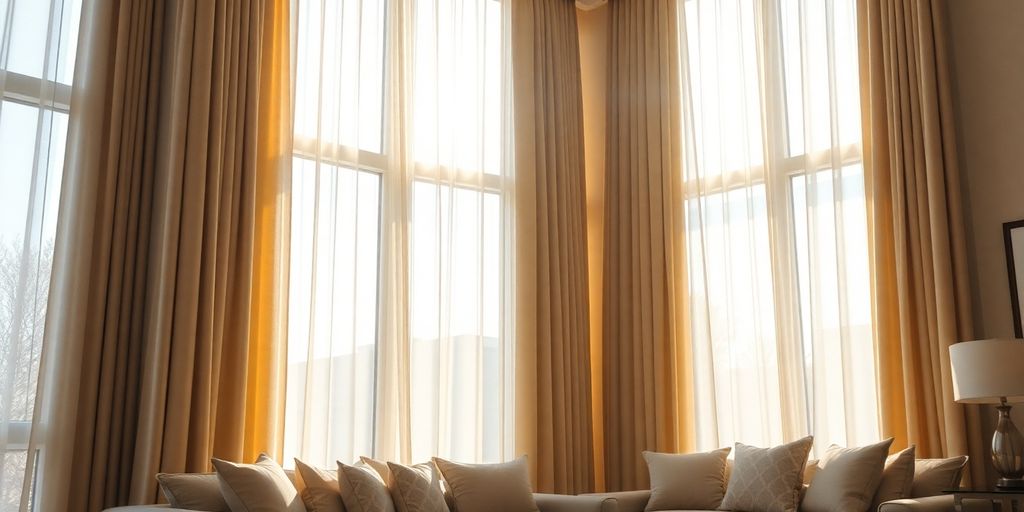
Don’t limit your window treatment creativity to just the living room! Drapes can bring style and function to any space in your home. Let’s explore some ideas for other rooms.
Bedroom Drape Styles
For a bedroom, think about creating a cozy and relaxing atmosphere. Floor-length drapes in heavier fabrics like velvet or blackout materials can really help with light control, which is great for sleep. Consider colors that promote relaxation, such as blues, greens, or soft neutrals. You could also explore patterns that add a touch of personality without being too overwhelming. Layering sheer curtains underneath can add depth and allow for adjustable light filtering.
Kitchen Drape Charm
Kitchens often benefit from lighter, more practical window treatments. Shorter drapes or cafe curtains made from easy-to-clean fabrics like cotton or linen are good choices. Patterns can add a pop of fun, but make sure they coordinate with your kitchen’s overall color scheme. Avoid heavy, dark drapes that can trap cooking odors and block natural light. A bold color can really liven up the space.
Bathroom Drape Elegance
Bathrooms present a unique challenge due to moisture. Sheer or semi-sheer drapes made from synthetic materials like polyester are ideal because they dry quickly and resist mildew. Consider the level of privacy you need when choosing the opacity of the fabric. Avoid long drapes that could get wet and moldy. A simple valance or classic shutters can also be a stylish and practical option.
When selecting drapes for any room, always consider the amount of natural light, the level of privacy needed, and the overall style of the space. Don’t be afraid to experiment with different fabrics, colors, and patterns to find the perfect fit.
Final Thoughts
So, there you have it. We’ve gone over a bunch of living room drape ideas and talked about how to pick the right ones from all the choices out there. Just remember, getting the perfect drapes really comes down to what you like and what you need. That’s why we’re here to help you find that sweet spot. Check out our website to see all the custom drape options we have today. We’ve got tons of fabrics, styles, and colors. If you want to learn more about other window treatments, just look through the rest of our blog!
Frequently Asked Questions
What kind of drapes are best for a living room?
The best drapes for a living room are often those made of high-quality velvet. They offer a nice weight, texture, and structure, making the room feel rich and inviting. Ultimately, the ‘best’ choice depends on your personal style and what you need for your space.
How should drapes be hung to look good?
To make your drapes look their best, hang them at least six inches above the window frame. This trick makes your ceilings appear taller. Also, make sure they extend a bit past the window on both sides so you can let in the most light when they’re open. For a classic, elegant look, aim for floor-length drapes.
What color drapes should I choose for my living room?
When picking drape colors, a good rule of thumb is to create some contrast with your wall color. If your walls are light, go for darker drapes, and vice-versa. You can also match your drapes to other colorful items in the room, like pillows or art, to tie everything together. Some people like drapes that are the same color as the walls for a super simple and neat look.
Should I get drapes with a lining?
Yes, adding a lining to your drapes is a smart move. It gives you more privacy, helps keep your room warmer or cooler, and blocks out light better. Plus, it protects the drape fabric itself from fading or getting damaged by the sun, making them last longer.
Does the drape hardware matter?
Absolutely! The rods and rings you pick are just as important as the drapes themselves. Choose hardware that matches the style and weight of your drapes. Make sure the finishes (like metal or wood) also go well with other fixtures in your room, such as light fixtures or furniture legs, for a put-together look.
What drape styles are popular right now?
In 2024, drapes made from natural materials are very popular. Think earthy colors like forest green, terracotta, and sand. Drapes with interesting textures, bold patterns, and a little bit of shine (like metallic accents) are also very much in style. These choices add a lot of visual interest to a room.





 PERFECT PAINTER
Leave a comment