
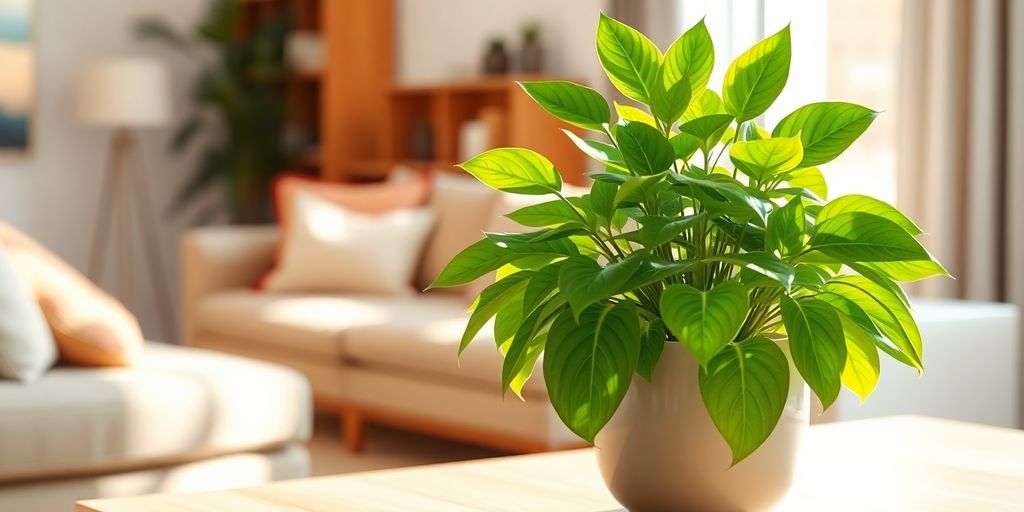
Bringing plants into your home can really change a space. They add life, color, and a nice, calming vibe. But with so many different kinds out there, picking the right plant for home decor can feel a bit tricky. Don’t worry, this guide will walk you through everything you need to think about to find the perfect green friend for your place. We’ll cover light, care, size, and even how to match plants to your style. Let’s get started!
Key Takeaways
- Check your home’s natural light before picking a plant.
- Match your plant choice to your daily routine; some need more attention than others.
- Think about your home’s style to pick a plant that fits right in.
- Consider how big the plant will get and if you have room for it.
- Remember, plants do more than just look good; they can make your home feel better too.
Understanding Your Home’s Light Conditions
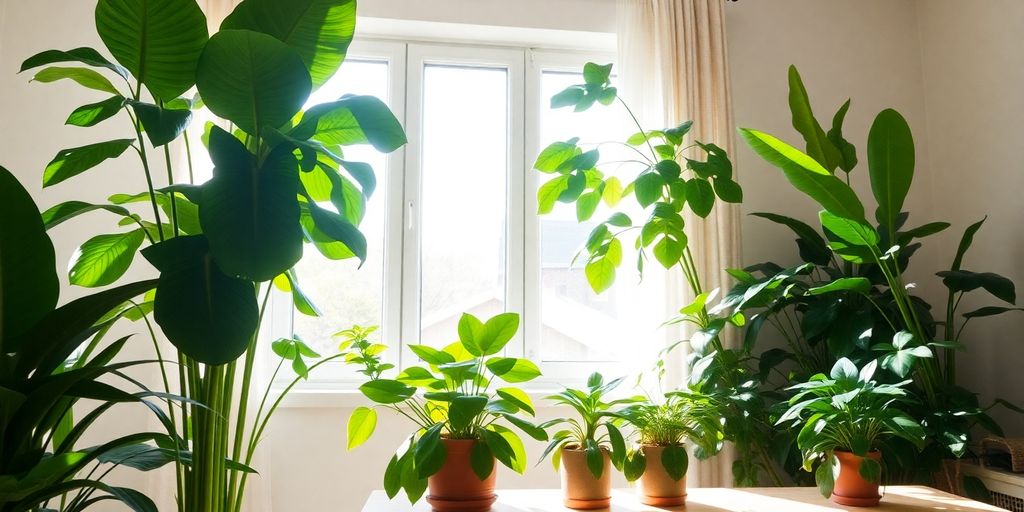
Before you even think about bringing a plant into your home, it’s super important to figure out the light situation. It’s not just about whether a room seems bright or dark. Plants are picky and have specific light needs, and understanding those needs is the first step to keeping them happy. I learned this the hard way after a few plant casualties.
Assessing Natural Light Exposure
First things first, take a good look at your windows. South-facing windows usually get the most light, while north-facing ones are shadier. East-facing windows get gentle morning light, and west-facing windows get strong afternoon sun. Observe how the light changes throughout the day. Is there direct sunlight streaming in, or is it more of a soft glow? This will help you determine what kind of light you’re working with. You can also use a light meter app on your phone for more exact measurements.
Identifying Optimal Plant Placement
Where you put your plant matters a lot. A plant that needs bright, direct light will love a spot right on a sunny windowsill. But a plant that prefers bright, indirect light might do better a few feet away from the window, or behind a sheer curtain. Plants that can tolerate low light can hang out in corners or on shelves further away from windows. If you notice your plant stretching towards the light, it’s probably not getting enough and needs to be moved.
Utilizing Light Measurement Tools
Okay, so you’ve observed your light, but want to get a bit more technical? There are tools for that! Light meters, both digital and app-based, can give you a more precise reading of the light levels in your home. This can be especially helpful if you’re trying to figure out if a particular spot is bright enough for a specific plant.
I’ve found that even if a plant is labeled as "full sun," it might still need some protection during the hottest part of the day, especially in the summer. You might want to consider sheer curtains to diffuse the light.
Matching Plants to Your Lifestyle
Choosing plants isn’t just about aesthetics; it’s about finding greenery that fits seamlessly into your daily life. Some plants demand constant attention, while others thrive on neglect. It’s important to be honest about how much time you can dedicate to plant care. This will help you select plants that will flourish in your home without becoming a burden. Think about your schedule, travel habits, and overall commitment level before making a purchase. Do you want a plant that needs daily watering, or something that can survive a few missed weeks?
Low-Maintenance Plant Selections
These plants are perfect for busy individuals or those new to plant care. They generally require less frequent watering and are more forgiving of neglect. If you’re looking for sustainable interior design, these plants are a great starting point, as they’re resilient and long-lasting. Some popular choices include:
- Snake Plants: Known for their ability to purify air and tolerate low light conditions.
- ZZ Plants: Extremely drought-tolerant and can survive in almost any indoor environment.
- Pothos: Easy to propagate and can thrive in various light conditions.
Plants for Busy Schedules
For those with hectic lives, selecting plants that can withstand irregular care is key. Consider these resilient options:
- Succulents: Store water in their leaves, requiring minimal watering. Varieties like Echeveria and Haworthia are great choices.
- Air Plants (Tillandsia): Don’t need soil; just occasional misting or soaking.
- Cast Iron Plant (Aspidistra elatior): Lives up to its name, tolerating neglect and low light.
It’s important to remember that even low-maintenance plants need some attention. Check the soil moisture occasionally and provide adequate light to ensure they stay healthy. A little care goes a long way in keeping your plants thriving, even with a busy schedule.
High-Engagement Plant Varieties
If you enjoy the daily ritual of caring for plants, you might want to explore more delicate and high-maintenance varieties. These plants often require specific conditions and regular attention, but the rewards can be stunning. Some options include:
- Orchids: Known for their beautiful blooms, but require specific watering and humidity levels.
- Calatheas: Have striking foliage but need consistent moisture and indirect light.
- Fiddle Leaf Figs: Popular for their large leaves, but sensitive to changes in environment and watering schedules.
These plants can be more challenging, but they offer a rewarding experience for those who enjoy a hands-on approach to plant care. Just be prepared to dedicate time and effort to keep them healthy and happy.
Integrating Plants with Interior Design
Plants aren’t just living decorations; they’re integral to pulling together a room’s entire vibe. It’s about more than just sticking a fern in the corner. It’s about creating harmony between your plants and your existing decor. Think of plants as the final brushstroke on a masterpiece.
Modern and Minimalist Plant Choices
For modern spaces, think clean lines and simple forms. Plants with strong, architectural shapes work best. Forget fussy frills; go for plants that make a statement without being overwhelming.
- Snake plants: Their upright leaves add a touch of drama without clutter.
- ZZ plants: These are super low-maintenance and have a sleek, modern look.
- Monstera: The iconic split leaves bring a tropical vibe, but in a sophisticated way.
Bohemian and Cozy Plant Pairings
Bohemian style is all about layering textures and creating a relaxed, inviting atmosphere. Plants play a huge role here. Think lush, trailing greenery that spills over shelves and hangs from the ceiling. Don’t be afraid to mix and match different types of plants to create a mini indoor jungle. Consider the latest home interiors trends to get inspired.
- Pothos: These are super easy to care for and look great in hanging baskets.
- Ferns: Their soft, feathery fronds add a touch of whimsy and texture.
- Spider plants: These are great for adding a bit of height and visual interest.
Plants can really soften a space and make it feel more lived-in. The key is to choose plants that complement your existing decor and create a sense of harmony. Don’t be afraid to experiment and have fun with it!
Classic and Traditional Plant Accents
Traditional decor often calls for plants that feel refined and elegant. Think classic shapes and lush greenery. Avoid anything too trendy or outlandish. The goal is to add a touch of nature without disrupting the overall sense of formality. Consider the home aesthetic when choosing plants.
- Peace lilies: These have beautiful white flowers and lush green leaves.
- Fiddle leaf figs: These are a bit more high-maintenance, but they make a stunning statement.
- Orchids: These add a touch of elegance and sophistication to any room.
Considering Plant Size and Growth
Compact Plants for Small Spaces
Living in a smaller apartment doesn’t mean you can’t enjoy the beauty of indoor plants! The key is to choose compact varieties that won’t overwhelm your space. Think about where you can realistically place a plant. A tiny succulent on a windowsill? A small fern on a bookshelf? These little guys can bring a lot of life to a room without taking up valuable real estate. Some good options include:
- Air Plants (Tillandsia): These don’t even need soil!
- ZZ Plants (Zamioculcas zamiifolia): Super low-maintenance and can tolerate low light.
- Pothos (Epipremnum aureum): Trailing vines that look great in hanging baskets or on shelves.
Statement Plants for Large Areas
Got a big, empty corner in your living room? A statement plant is just what you need. These larger plants can really transform a space, adding a touch of drama and sophistication. But before you rush out and buy the biggest plant you can find, consider the light conditions and the overall style of your room. A huge Areca Palm might look amazing, but only if you have enough light for it to thrive. Some popular choices include:
- Fiddle Leaf Fig (Ficus lyrata): A bit finicky, but worth it for the impact.
- Monstera deliciosa: Those iconic split leaves are a showstopper.
- Bird of Paradise (Strelitzia nicolai): Adds a tropical vibe with its large leaves.
Choosing the right size plant is about more than just aesthetics. It’s about creating a balanced and harmonious environment. A plant that’s too big for a space can feel overwhelming, while a plant that’s too small can get lost in the shuffle. Think about the overall proportions of your room and choose plants that complement the existing furniture and decor.
Managing Plant Growth and Pruning
Okay, so you’ve got your plants, and they’re thriving. Great! But plants grow, and sometimes they grow a lot. That’s where pruning comes in. Pruning isn’t just about keeping your plants looking neat and tidy; it’s also about promoting healthy growth. Here’s a quick guide:
- Identify dead or damaged leaves: Remove these first to prevent disease.
- Shape your plant: Trim back any stems that are getting too long or unruly.
- Encourage bushier growth: Pruning can stimulate new growth, making your plant fuller.
Don’t be afraid to prune! It might seem scary at first, but it’s actually a really important part of plant care. Plus, you can use the cuttings to propagate new plants – free plants! Just make sure you have the right plant pot for the new plant.
Beyond Aesthetics: Health Benefits of Plants

It’s easy to focus on how plants look, but they do so much more than just make a room pretty. They can actually improve your health and well-being. I never really thought about it until I started filling my apartment with greenery, and honestly, I’ve noticed a difference.
Plants for Improved Air Quality
One of the biggest benefits of having plants indoors is their ability to purify the air. They absorb toxins and release oxygen, which can make a real difference, especially during the winter when you’re stuck inside with the windows closed. I read somewhere that some plants are better at removing certain toxins than others, so it’s worth doing a little research. For example, snake plants and spider plants are supposed to be great for removing formaldehyde, which can come from furniture and carpets. If you want to improve air quality, these are great options.
Mood-Boosting Greenery
I’m not a scientist, but I swear being around plants makes me feel happier. There’s something calming about seeing green, growing things. Maybe it’s a connection to nature, or maybe it’s just the visual appeal, but whatever it is, it works. Studies have shown that being around plants can reduce stress and anxiety. Plus, taking care of plants can be a relaxing hobby. It’s a nice way to disconnect from screens and do something mindful. I find that even just watering my plants is a nice break in the day.
Creating a Calming Atmosphere
Plants can also help create a more calming and peaceful atmosphere in your home. The presence of greenery can soften a space and make it feel more inviting. I’ve noticed that my living room feels much cozier since I added a few plants. It’s like they bring a sense of life and tranquility to the room. Plus, the act of caring for plants can be therapeutic. It’s a simple way to add stunning wall art to your home.
I think it’s important to remember that plants aren’t a magic cure-all. They’re not going to solve all your problems, but they can definitely contribute to a healthier and happier home environment. It’s a small change that can make a big difference.
Essential Plant Care and Maintenance
Taking care of plants isn’t just about making your home look good; it’s about keeping those green friends alive and thriving! It can seem daunting at first, but once you get the hang of it, it’s pretty straightforward. Let’s break down the basics.
Understanding Watering Needs
Watering is probably the trickiest part for most people. Overwatering is a super common mistake, and it can lead to root rot, which is basically a death sentence for your plant. The key is to understand that different plants have different needs. Some like to be consistently moist, while others prefer to dry out completely between waterings. A good rule of thumb is to stick your finger about an inch into the soil. If it feels dry, it’s time to water. If it feels damp, hold off. Also, drainage is important! Make sure your pots have drainage holes so excess water can escape. I use a moisture meter to help me figure out when to water.
Fertilization and Soil Health
Think of fertilizer as vitamins for your plants. They need nutrients to grow strong and healthy, just like us! But you don’t want to overdo it. Too much fertilizer can actually burn the roots. A balanced liquid fertilizer diluted to half strength is usually a good starting point. You can fertilize every few weeks during the growing season (spring and summer). In the fall and winter, when plants are dormant, you can cut back on fertilizing. Soil health is also important. Over time, the nutrients in the soil get used up, so you’ll need to repot your plants every year or two with fresh potting mix. This gives them a fresh start and provides them with the nutrients they need. I usually use an organic potting mix, but there are also mixes specifically formulated for certain types of plants, like succulents or orchids.
Pest Control and Disease Prevention
Pests are a bummer, but they’re a fact of life when you have plants. The most common pests are things like spider mites, aphids, and mealybugs. They can suck the sap out of your plants and cause them to weaken and die. The best way to prevent pests is to keep your plants healthy and happy. Regular watering, proper fertilization, and good air circulation can all help. If you do spot pests, act fast! You can try wiping them off with a damp cloth, spraying them with insecticidal soap, or using neem oil. For diseases, prevention is also key. Make sure your plants have good air circulation and avoid overwatering. If you notice any signs of disease, like spots on the leaves or wilting, remove the affected leaves immediately to prevent the disease from spreading. I always quarantine new plants for a few weeks to make sure they don’t have any pests or diseases before introducing them to my other plants. It’s a bit of a hassle, but it’s worth it to protect my indoor garden.
Plant care is a learning process. Don’t be afraid to experiment and make mistakes. Every plant is different, and what works for one might not work for another. The most important thing is to pay attention to your plants and learn their individual needs. With a little bit of care and attention, you can create a thriving indoor jungle!
Wrapping It Up: Your Plant Journey Starts Now!
So, there you have it. Picking the right plant for your home doesn’t have to be a big mystery. Just think about your space, how much time you’ve got, and what kind of vibe you’re going for. Every plant is different, and that’s cool. Whether you’re just starting out or you’ve got a house full of green friends, there’s always something new to learn. Don’t be afraid to try things out. Your home will feel so much better with some green in it, and you’ll probably feel pretty good too. Happy planting!
Frequently Asked Questions
How do I know if my home has enough light for plants?
To figure out how much light your home gets, watch your rooms throughout the day. South-facing windows usually get the most sun, while north-facing ones are shadier. You can also use a light meter app on your phone for more exact measurements.
What are some good plants for beginners?
For beginners, plants like snake plants, ZZ plants, and Pothos are great choices. They don’t need a lot of fuss and can handle different light conditions.
Can plants really make the air in my home cleaner?
Yes, many plants can help clean the air in your home by taking in bad stuff and letting out fresh oxygen. Some of the best for this are Peace Lilies, Spider Plants, and Boston Ferns.
How often should I water my plants?
The best way to tell if your plant needs water is to stick your finger about an inch or two into the soil. If it feels dry, it’s time to water. If it’s still damp, wait a bit longer.
Why are my plant’s leaves turning yellow?
If your plant’s leaves are turning yellow, it could mean it’s getting too much water, not enough light, or needs some food (fertilizer). Check these things one by one to figure out the problem.
How can I protect my plants from bugs?
To keep pests away, check your plants regularly for any tiny bugs. If you see some, you can wipe them off with a damp cloth or use a gentle insecticidal soap made for plants.





 PERFECT PAINTER
Leave a comment