

Want to give your projects a fresh look? Painting with spray paint can be a game-changer! It’s fast, easy, and can make things look really good. Whether you’re new to this or have sprayed a few things before, this guide will help you get better results. We’ll go over everything you need to know to make your painting spray paint projects turn out great.
Key Takeaways
- Always pick the right kind of painting spray paint and nozzle for your project. This makes a big difference.
- Good prep work is super important. Clean, smooth surfaces and careful masking lead to much better finishes.
- Practice makes perfect when it comes to spray painting techniques. Learn to control distance and speed for even coats.
- Don’t be afraid to try cool effects like textures or stencils. Painting spray paint is great for getting creative.
- Knowing how to fix common problems and take care of your tools means less stress and more successful projects.
Understanding Spray Paint Basics
Before you even think about tackling that old dresser or creating a masterpiece on your garage door, it’s important to get a handle on the basics of spray paint. It’s not just pointing and spraying; there’s a bit more to it than that. Knowing the different types, choosing the right nozzle, and understanding safety are all key. Trust me, a little prep goes a long way in avoiding a big mess (and potential health hazards!).
Types of Spray Paint for Painting Projects
Okay, so you’re standing in the paint aisle, and there are approximately a million different cans staring back at you. What’s the deal? Well, spray paint isn’t just spray paint. There are different formulations for different jobs. Acrylic lacquer is great for fast-drying, smooth finishes, while enamel paints offer more durability. Then you’ve got specialty paints like epoxy for appliances or high-heat paints for grills. Here’s a quick rundown:
- Acrylic Lacquer: Dries super fast, good for smooth surfaces.
- Enamel: More durable, takes longer to dry.
- Epoxy: Super tough, good for appliances.
- High-Heat: Withstands high temperatures, use on grills, engines, etc.
Choosing the right one can make or break your project. For example, if you’re painting easy step by step with acrylics, you’ll want to make sure your spray paint is compatible.
Choosing the Right Nozzle for Your Painting Spray Paint
Did you know that the nozzle, or spray tip, can drastically change how your paint comes out? Different nozzles create different spray patterns. A fan nozzle gives you a wide, even spray, which is great for covering large areas. A cone nozzle is better for detail work. And some nozzles are adjustable, letting you switch between vertical and horizontal sprays. It’s worth experimenting to find what works best for you and your project. I usually keep a few different types on hand. Here’s why it matters:
- Fan Nozzle: Wide, even coverage.
- Cone Nozzle: Detail work.
- Adjustable Nozzle: Versatile, switch between patterns.
Safety Precautions for Spray Painting
This is non-negotiable. Spray paint fumes are nasty, and you don’t want to mess around with them. Always, always, always work in a well-ventilated area. I’m talking outdoors, or with windows and doors wide open and a fan blowing. Wear a respirator mask to protect your lungs. Gloves are a must to keep the paint off your hands. And eye protection? Absolutely. Trust me, you don’t want spray paint in your eyes. It’s just not a good time. Here’s the checklist:
- Work in a well-ventilated area.
- Wear a respirator mask.
- Use gloves.
- Protect your eyes.
Spray painting can be a lot of fun, but it’s important to take safety seriously. The chemicals in spray paint can be harmful if inhaled or absorbed through the skin. By taking the necessary precautions, you can protect yourself and enjoy your project without any health risks.
Preparing Your Surface for Painting Spray Paint
Before you even think about picking up that can of spray paint, you’ve got to get your surface prepped and ready. Trust me, this is where the magic happens – or doesn’t. A bad prep job can ruin even the best spray paint finishes, so let’s do it right.
Cleaning and Priming Techniques
First things first: cleanliness is next to godliness, especially when it comes to painting. You can’t just spray over dirt, grime, or old paint. It won’t stick, and you’ll end up with a mess. Here’s the lowdown:
- Wash it down: Use soap and water to scrub the surface. For greasy stuff, try a degreaser. Rinse well and let it dry completely.
- Scrub-a-dub-dub: For glossy surfaces, a light sanding helps the primer grip better. Think of it as giving the primer something to hold onto.
- Prime time: Primer is your friend. It seals the surface, blocks stains, and gives the paint a uniform base to stick to. Use a primer that’s compatible with your spray paint. I usually go for an all-purpose primer, but if you’re painting metal, use a rust-inhibiting primer. Two thin coats are better than one thick one.
I learned the hard way that skipping the cleaning step is a recipe for disaster. I once tried to spray paint a rusty old chair without cleaning it first, and the paint started peeling within a week. Now I always take the time to clean and prime properly.
Sanding and Smoothing Surfaces
Got bumps, scratches, or rough spots? Sanding is your answer. It’s not the most fun part, but it’s essential for a smooth, professional finish. Here’s how I tackle it:
- Choose your grit: For removing old paint or heavy imperfections, start with a coarser grit (like 80-120). For smoothing, use a finer grit (220-320).
- Sand in stages: Don’t go straight to the fine grit. Work your way up gradually for the best results.
- Dust off: After sanding, wipe down the surface with a tack cloth to remove all the dust. This is super important – any dust left behind will show up in your paint job.
Masking and Taping for Clean Lines
Unless you’re going for a Jackson Pollock look, you’ll probably want some clean lines. That’s where masking and taping come in. It’s all about protecting the areas you don’t want to paint. Good masking is the key to a professional-looking job.
- Painter’s tape is your best friend: Don’t skimp on the tape. Get a good quality painter’s tape that won’t leave residue or peel off the paint underneath. I like the blue stuff.
- Seal the edges: Press the tape down firmly, especially along the edges. You can even use a putty knife to get a really tight seal. This prevents paint from seeping underneath.
- Cover large areas: For big areas, use plastic sheeting or paper to cover everything. Secure it with tape to keep it in place. I use this method when I transform furniture with spray paint.
| Material | Use | Cost |
|---|---|---|
| Painter’s Tape | Creating clean lines, protecting trim | Moderate |
| Plastic Sheeting | Covering large areas, protecting floors and furniture | Low |
| Masking Paper | Similar to plastic sheeting, but easier to cut and shape | Moderate |
Mastering Spray Painting Techniques
Okay, so you’ve got your spray paint, you’ve prepped your surface, now it’s time to actually, you know, paint. This is where the magic happens, but also where things can go sideways fast if you’re not careful. It’s all about technique, and honestly, a little bit of practice.
Achieving Even Coverage with Painting Spray Paint
The key to a good spray paint job is even coverage. No one wants to see stripes or light spots. Think of it like this: you’re trying to create a smooth, consistent film of color. To do that, you need to keep the can moving and overlap your strokes slightly. I usually aim for about a 50% overlap. Also, don’t start or stop spraying on the object. Start the spray before you reach the edge, and continue past the edge before releasing the nozzle. This prevents paint buildup at the edges. If you want to learn more, check out this guide on spray can art.
Controlling Spray Distance and Speed
Distance and speed are your best friends, or your worst enemies. Too close, and you’ll get runs. Too far, and the paint will start to dry before it hits the surface, giving you a rough, textured finish. Too slow, and you’ll get drips. Too fast, and you’ll get thin spots. The sweet spot is usually around 8-12 inches away from the surface, moving at a steady, moderate pace. It’s something you’ll get a feel for with practice. Here’s a quick table to illustrate:
| Distance | Speed | Result |
|---|---|---|
| Too Close | Too Slow | Runs, Drips |
| Too Far | Too Fast | Uneven Texture, Thin Coverage |
| Just Right | Just Right | Smooth, Even Coverage |
Layering and Building Up Color
Don’t try to get full coverage in one coat. Seriously, don’t. It’s almost impossible to do without getting runs or drips. Instead, apply several thin coats, allowing each coat to dry completely before applying the next. This is called layering, and it’s the secret to a professional-looking finish. Each layer should be light and even. Let it dry to the touch before adding another. This prevents the paint from pooling and creating imperfections. This is especially important when using painting spray paint on glossy surfaces.
Think of it like applying makeup. You wouldn’t slather on a thick layer of foundation all at once, would you? No, you’d apply it in thin, even layers, building up the coverage gradually. Spray paint is the same way. Patience is key.
Here are some tips for layering:
- Wait for each coat to dry completely. This might take 15-30 minutes, depending on the paint and the weather.
- Use light, even strokes.
- Overlap your strokes slightly.
- Don’t be afraid to apply multiple coats. It’s better to have too many thin coats than one thick, drippy coat.
Advanced Spray Painting Effects
Creating Textures with Painting Spray Paint
Okay, so you’re bored with just smooth, solid colors? Let’s talk texture. There are a bunch of ways to get interesting textures with spray paint. One way is to use specialty spray paints that are designed to create a textured finish. These can mimic stone, hammered metal, or even crackle effects. I tried a hammered metal finish on an old lamp base last month, and it looks surprisingly good.
Another method involves manipulating the spray technique itself. For example, holding the can further away from the surface can create a splatter effect. You can also experiment with different nozzle types. Some nozzles produce a wider fan of paint, while others create a more concentrated stream. Combining these techniques can lead to some really unique results. Don’t be afraid to test on scrap material first! It’s all about experimenting to see what works for you. You can also try layering different colors and textures to add depth and visual interest. For example, you could start with a base coat of a smooth color, then add a layer of textured paint on top. Or, you could use a stencil to create a textured pattern. The possibilities are endless!
Using Stencils for Detailed Designs
Stencils are your best friend when you want to add detailed designs to your spray painting projects. You can buy pre-made stencils at most craft stores, or you can even make your own using cardstock or acetate. I’ve found that using a light adhesive spray on the back of the stencil helps to keep it in place and prevent paint from bleeding underneath. This is especially important when working with intricate designs.
Here’s a quick rundown of the process:
- Secure the stencil to your surface.
- Apply light, even coats of spray paint.
- Let the paint dry completely before removing the stencil.
- Touch up any imperfections with a small brush.
For more complex designs, consider using multiple stencils and layering different colors. Just make sure each layer is completely dry before applying the next. I recently used this technique to create a mural on my garage door, and it turned out way better than I expected. It took some time, but the results were worth it. You can find a lot of inspiration online for stencil designs. Don’t be afraid to get creative and experiment with different patterns and colors. Also, consider the size of your stencil in relation to your project. A small stencil on a large surface might look out of place, while a large stencil on a small surface might be overwhelming.
Blending Colors for Artistic Finishes
Blending colors with spray paint can be a bit tricky, but it’s totally achievable with a little practice. The key is to work quickly and in thin layers. You want to apply the colors while they’re still wet so they can blend together seamlessly. I usually start by spraying one color, then immediately spraying the second color next to it, overlapping the edges slightly. Then, I use a clean, dry brush to gently blend the two colors together.
It’s important to use high-quality spray paint for blending, as cheaper paints tend to dry too quickly and don’t blend as well. Also, make sure you’re working in a well-ventilated area, as the fumes from spray paint can be harmful. I learned that the hard way when I tried blending colors in my basement without opening a window. Not fun.
Here are some tips for successful color blending:
- Use similar colors for a subtle gradient.
- Experiment with different nozzle types for varying effects.
- Practice on scrap material before working on your final project.
For example, you can create an ombre effect by blending two or three shades of the same color. Or, you can create a more abstract effect by blending contrasting colors. The possibilities are endless! Just remember to work in thin layers and blend the colors while they’re still wet. With a little practice, you’ll be creating beautiful, blended finishes in no time. If you are looking to achieve professional results in model painting, blending is a great technique to master.
Troubleshooting Common Spray Painting Issues

Okay, so you’re spray painting and things aren’t going exactly as planned? Don’t sweat it! Everyone runs into snags. Here’s how to tackle some common problems:
Preventing Drips and Runs in Painting Spray Paint
Drips and runs are the bane of any spray painter’s existence. They happen when too much paint accumulates in one spot. The key is light, even coats.
Here’s what to do:
- Distance: Keep the can the right distance from the surface. Usually, that’s around 6-10 inches, but check the can. Too close, and you’ll get drips. Too far, and the paint will dry before it hits the surface, creating a rough texture.
- Movement: Move the can smoothly and consistently. Don’t arc your wrist; move your whole arm. Overlap each pass slightly.
- Thin Coats: Apply several thin coats rather than one thick one. Patience is key! Let each coat dry before applying the next. This is super important for house painting.
If you do get drips, don’t panic! Let the paint dry completely. Then, lightly sand down the drips with fine-grit sandpaper. Wipe away the dust and apply another thin coat of spray paint to blend it in.
Addressing Clogging and Uneven Sprays
Ugh, a clogged nozzle is the worst. It leads to sputtering, uneven sprays, and a whole lot of frustration. Here’s how to deal with it:
- Clean the Nozzle: Most spray paint cans come with instructions on how to clean the nozzle. Usually, it involves turning the can upside down and spraying until only propellant comes out. You can also remove the nozzle and soak it in mineral spirits or acetone. Make sure it’s completely dry before putting it back on.
- Check the Paint: Sometimes, the paint itself is the problem. If it’s old or thick, it can clog the nozzle. Try using a fresh can of paint. Also, make sure you’re using the right type of paint for your project. Some paints are just too thick for spray painting.
- Proper Storage: Store your spray paint cans upside down. This helps prevent the pigment from settling and clogging the nozzle. Also, keep them in a cool, dry place.
If you’re still getting uneven sprays after cleaning the nozzle, the nozzle itself might be damaged. You can buy replacement nozzles online or at most hardware stores. Consider using the right nozzle for your project.
Fixing Imperfections and Mistakes
Okay, so you’ve made a mistake. It happens! Maybe you got some overspray on a surface you didn’t mean to, or maybe you just don’t like the color you chose. Here’s how to fix it:
- Overspray: If you get overspray on a surface, try wiping it off immediately with a clean cloth and some mineral spirits. If the paint has already dried, you may need to sand it off or use a paint remover.
- Color Changes: If you don’t like the color, you can always paint over it! Just make sure the first coat is completely dry and lightly sanded. You may need to apply several coats to completely cover the old color.
- Imperfections: For small imperfections, like dust particles or small runs, you can lightly sand them down with fine-grit sandpaper and then apply another thin coat of paint. Remember to achieve even coverage when you re-apply the paint.
Don’t be afraid to experiment and learn from your mistakes. Spray painting is a skill that takes practice to master. The more you do it, the better you’ll get. And remember, even the pros make mistakes sometimes! The important thing is to learn how to fix them and keep moving forward.
Maintaining Your Spray Painting Equipment
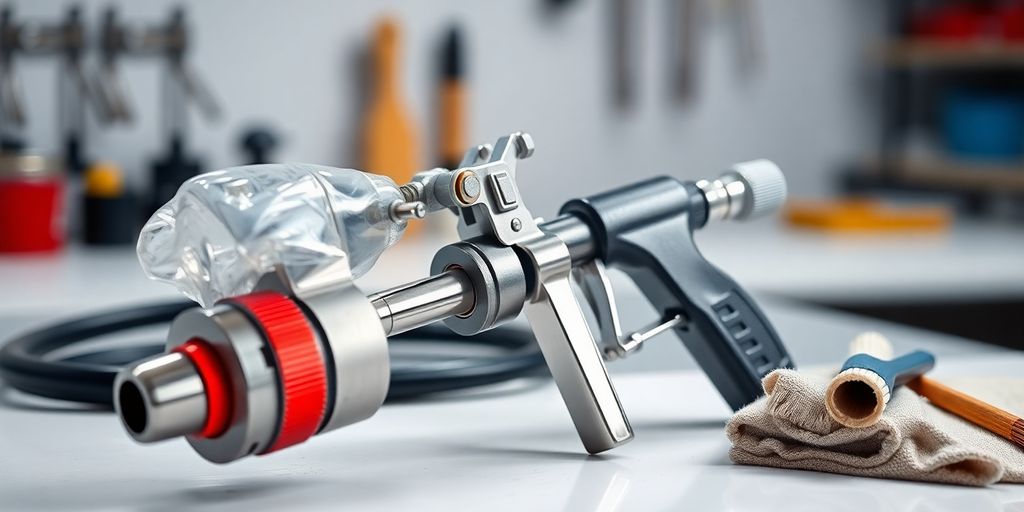
Let’s be real, taking care of your spray painting gear isn’t the most exciting part, but it’s what separates a hobbyist from someone who gets consistent, quality results. If you want your equipment to last and perform well, you gotta put in the work. Think of it like this: a little maintenance now saves you a ton of headaches (and money) later.
Cleaning Spray Cans and Nozzles
Okay, so you’ve just finished a project, and you’re tempted to toss that can in the corner and deal with it later. Don’t! The single most important thing you can do is clean your nozzles immediately after use. Here’s a quick rundown:
- Turn the can upside down and spray until only propellant comes out. This clears the nozzle of excess paint.
- If the nozzle is still clogged, remove it and soak it in the appropriate solvent (usually mineral spirits or acetone, but check your paint’s instructions!).
- Use a thin wire or needle to gently poke out any remaining clogs. Be careful not to damage the nozzle!
- Wipe down the can itself to remove any drips or residue. A clean can is a happy can.
I used to skip this step all the time, and I’d end up with a drawer full of half-empty cans with clogged nozzles. It’s such a waste of paint and money. Now, I make it a habit to clean everything right away, and it’s made a huge difference.
Proper Storage of Painting Spray Paint
How you store your painting spray paint can seriously impact its shelf life and performance. Here are some tips:
- Temperature: Store cans in a cool, dry place away from direct sunlight and extreme temperatures. Heat can cause the can to explode, and cold can affect the paint’s consistency.
- Orientation: Store cans upright. This helps prevent the nozzle from clogging and ensures the propellant is evenly distributed.
- Humidity: Avoid storing cans in humid environments, as this can cause rust and corrosion.
- Away from Children: Keep spray paint out of reach of children and pets. This should be obvious, but it’s worth repeating.
Extending the Life of Your Tools
Beyond the cans themselves, there are other tools you might use with spray paint, like stencils, masking tape, and respirators. Taking care of these will also save you money in the long run.
- Stencils: Clean stencils immediately after use to prevent paint buildup. Use the appropriate solvent and a soft brush.
- Masking Tape: Remove masking tape as soon as the paint is dry to the touch. Leaving it on too long can cause it to become difficult to remove and may damage the paint surface.
- Respirators: Replace filters regularly according to the manufacturer’s instructions. Store your respirator in a clean, dry place to protect it from dust and contaminants.
By following these simple maintenance tips, you can keep your spray painting equipment in top condition and enjoy years of creative projects. Trust me, your future self will thank you.
Creative Projects with Painting Spray Paint
Transforming Furniture with Spray Paint
Okay, so you’ve got this old dresser, right? Maybe a chair that’s seen better days? Don’t toss it! Spray paint is your new best friend. It’s amazing how a fresh coat of spray paint can completely transform a piece of furniture. I did this last summer with a rusty old patio set, and it looks brand new. First, you gotta clean it really well. Then, a light sanding helps the paint stick. Don’t forget primer! And then, go wild with color. I’m thinking of doing my kitchen table next. Here’s a few things to keep in mind:
- Choose the right type of spray paint. There are paints specifically for metal, wood, and plastic.
- Apply thin, even coats. Patience is key here. No one wants drips!
- Consider adding a clear coat for extra protection. Especially if it’s something you use a lot.
I remember when my neighbor, Sarah, spray painted her entire kitchen cabinets. It looked like a professional job! She said the prep work was the most important part. She spent a whole weekend just cleaning and sanding. But it was worth it. The kitchen looks amazing now.
Artistic Applications on Canvas and Walls
Spray paint isn’t just for furniture; it’s for art too! Think beyond the traditional brush. You can create some seriously cool effects with spray paint on canvas or even walls. I’ve seen some incredible murals done with spray paint. It’s all about experimenting. You can try stencils, layering colors, or even just freehand spraying. The possibilities are endless. If you’re feeling adventurous, try these:
- Abstract art: Just spray different colors and see what happens. It’s surprisingly therapeutic.
- Stenciled designs: Get some stencils and create intricate patterns on your walls or canvas.
- Galaxy effects: Use dark colors and splatter white paint for a cool galaxy look.
Outdoor Decor and Garden Projects
Spruce up your outdoor space with some spray paint magic! Got some boring terracotta pots? Give them a pop of color. Old garden gnomes looking a little drab? A fresh coat of paint will do the trick. I even saw someone spray paint their entire fence a bright, cheerful yellow. It really brightened up the neighborhood. Just make sure you use outdoor-rated spray paint that can withstand the elements. Here are some ideas to get you started:
- Painted planters: Add some personality to your garden with colorful planters.
- Revamped garden furniture: Give your old chairs and tables a new lease on life.
- DIY garden art: Create unique sculptures or decorations with spray paint. For example, you can use spray painting basics to create a unique piece of art.
| Project | Paint Type | Estimated Cost | Time Required | Difficulty |
|---|---|---|---|---|
| Painted Planters | Outdoor Acrylic | $10-$20 | 1-2 hours | Easy |
| Garden Furniture | Rust-oleum | $20-$50 | 2-4 hours | Medium |
| Garden Art | Varies | $15-$30 | 3-5 hours | Medium/Hard |
Conclusion
So, there you have it. Spray painting might seem a bit tricky at first, but honestly, it’s not that bad once you get the hang of it. Just remember to take your time, get your setup right, and don’t be afraid to mess up a little. That’s how you learn, right? The more you practice, the better you’ll get. Soon enough, you’ll be making all sorts of cool stuff with just a can of paint. Happy spraying!
Frequently Asked Questions
How do I get my surface ready for spray painting?
To get ready for spray painting, first make sure your surface is super clean and dry. If it’s a slick surface, you might want to lightly sand it so the paint sticks better. Then, use painter’s tape and plastic sheets to cover anything you don’t want to get paint on. This helps you get nice, sharp lines.
What’s the best distance to hold the spray can from my project?
For most projects, hold the spray can about 8 to 12 inches away from what you’re painting. If you get too close, the paint might drip. If you’re too far, the paint might look dusty or uneven. Practice on a piece of scrap material first to find the sweet spot.
How can I stop paint from dripping or running?
To avoid drips, always keep the can moving. Don’t stop in one spot. Use light, even coats instead of trying to put on a thick layer all at once. It’s better to do several thin coats than one thick one. Also, make sure the temperature and humidity are good for painting, as extreme weather can cause problems.
Can I spray paint over existing paint?
Yes, you can spray paint over old paint, but it depends on what kind of paint is already there. If the old paint is peeling or flaky, you’ll need to scrape it off and sand the surface smooth first. If it’s in good shape, a light sanding and a coat of primer will help the new spray paint stick well.
How do I clean spray paint nozzles?
You can clean spray paint nozzles by turning the can upside down and spraying until only clear air comes out. This clears out any leftover paint. If a nozzle is really clogged, you can soak it in mineral spirits or paint thinner, but be careful and wear gloves.
How long does spray paint usually take to dry?
The time it takes for spray paint to dry depends on the type of paint, how thick the coat is, and the weather. Most spray paints are dry to the touch in about 15-30 minutes, but they might need 24 hours or more to fully harden or ‘cure.’ Always read the instructions on the can for the best drying times.





 PERFECT PAINTER
Leave a comment