
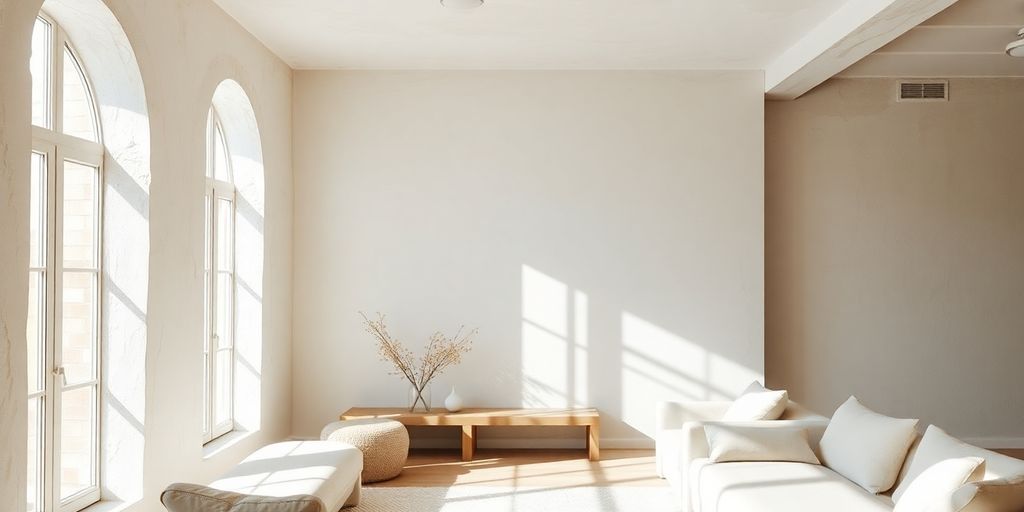
So, you’ve probably heard about limewash painting, right? It’s been popping up everywhere lately, and for good reason. This old-school painting method is making a huge comeback, bringing a super unique vibe to modern homes. It’s not just about putting color on walls; it’s about adding texture and a kind of soft, lived-in feel. If you’re looking to give your place a fresh, yet timeless, look, limewash painting might be exactly what you need.
Key Takeaways
- Limewash painting gives walls a soft, dreamy look with lots of depth, making spaces feel special and inviting.
- This painting method is gaining popularity because it’s good for the environment and helps create healthier indoor spaces.
- Using limewash painting means you’re picking a finish that’s not only pretty but also super durable and lets your walls breathe.
- Getting that perfect limewash painting look is all about getting your walls ready and then using the right painting moves.
- Limewash painting is really flexible; it works with all sorts of design styles, from simple to more dramatic.
The Enduring Allure of Limewash Painting
Limewash paint has been around for ages, and it’s not hard to see why it’s still loved today. It’s more than just a paint; it’s a way to bring history and character into your home. Its unique properties and aesthetic appeal make it a standout choice for those looking to add something special to their spaces.
A Timeless Aesthetic
Limewash offers a look that’s hard to replicate with modern paints. It’s got this soft, almost chalky finish that gives walls a depth you just don’t get with regular paint. It’s like bringing a piece of the past into the present, creating a space that feels both classic and current. The benefits of limewash are clear when you see how it transforms a room.
Soft, Cloud-Like Texture
One of the things that makes limewash so appealing is its texture. It’s not flat or boring; instead, it has a subtle, cloud-like appearance that adds visual interest to walls. This texture catches the light in a way that creates a sense of movement and depth, making rooms feel more inviting and alive. It’s a far cry from the uniform look of typical paints.
Adding Depth and Movement
Limewash isn’t just about color; it’s about creating an experience. The way it interacts with light gives walls a dynamic quality, making them appear to shift and change throughout the day. This depth and movement add a layer of sophistication to any room, turning ordinary walls into focal points. It’s a simple way to infuse old-world elegance into your home.
Limewash is a natural, mineral-based paint made from limestone that has been crushed, mixed with water, and then slaked (a process of adding water to lime). The result is a breathable, environmentally friendly coating that has been used for centuries to finish both the interior and exterior of buildings.
Why Limewash Painting is Trending

Limewash is definitely having a moment, and it’s not just a fleeting fad. People are really starting to see the appeal of this age-old technique, and for good reason. It’s more than just a pretty finish; it taps into some bigger trends happening in the world of design and beyond.
Sustainability and Eco-Consciousness
With more focus on our planet, people are looking for ways to make their homes more eco-friendly. Limewash fits right into that picture. It’s made from natural materials like limestone and water, so it’s a much better choice than paints loaded with chemicals. Plus, it’s breathable, which can help with indoor air quality. It’s a win-win for your home and the environment. You can find more about the timeless aesthetic of limewash online.
Revival of Traditional Techniques
There’s a growing appreciation for things that are made well and have a story behind them. Limewash has been around for centuries, and using it connects you to that history. It’s a way to bring a sense of authenticity and craftsmanship into your home, which is something a lot of people are craving these days. It’s a move away from mass-produced, cookie-cutter design and towards something more unique and personal.
Healthier Indoor Environments
People are paying more attention to what’s in their homes and how it affects their health. Limewash is a great option because it’s naturally breathable. This means it allows moisture to escape from walls, which can help prevent mold and mildew growth. It can also help regulate indoor humidity, creating a more comfortable and healthier living space. It’s a simple way to make your home a little bit better for you and your family.
Limewash is gaining popularity because it aligns with a desire for more natural, sustainable, and healthy living spaces. It’s a way to bring beauty and history into your home while also making a responsible choice for the environment and your well-being.
Benefits of Limewash Painting
Eco-Friendly Composition
Limewash is seriously gaining popularity, and a big reason is that it’s super eco-friendly. It’s made from natural stuff, has low VOC emissions, and it’s biodegradable. That means when you use limewash, you’re making a choice that’s way better for the environment than using regular synthetic paints. It’s a win-win!
Exceptional Durability
Limewash creates a finish that’s not only beautiful but also tough. With the right care, it can last for years. It stands up well against weathering, fading, and discoloration, which makes it a great option for homes in all sorts of climates. Plus, it develops this awesome patina over time, adding character and depth to the walls. Think of it as long-lasting finish that gets better with age.
Natural Breathability
One of the coolest things about limewash is that it’s breathable. This means it lets moisture escape from walls, which is super important, especially in older buildings or places with high humidity. This breathability helps prevent mold and mildew from building up, keeping your home healthier and drier. It’s like your walls can breathe, too!
Limewash’s breathability is a game-changer for maintaining healthy indoor air quality. By allowing moisture to escape, it prevents the growth of mold and mildew, which can trigger allergies and respiratory issues. This makes limewash a particularly good choice for people with sensitivities or those living in damp climates.
Achieving the Perfect Limewash Finish

Limewash painting, while seemingly simple, requires careful attention to detail to achieve that coveted, textured finish. It’s not just slapping paint on a wall; it’s about creating an experience, a feeling. Let’s break down the key steps.
Essential Surface Preparation
Before you even think about opening that can of limewash, surface preparation is absolutely key. You can’t just paint over existing dirt or grime. Think of it like this: you’re building a foundation for your masterpiece. Make sure the surface is clean, dry, and free of anything that could interfere with the limewash adhering properly. This might involve washing the walls, scraping off loose paint, or even sanding down rough spots. Limewash can be applied on painted surfaces, stone, or brick.
Application Techniques
Okay, now for the fun part! But hold on, there’s a technique to this. Limewash is typically applied in thin, multiple coats. Don’t try to get full coverage with one thick layer – that’s a recipe for disaster. Use a specific brush for a traditional finish, and be sure to let each layer dry before applying the next. Each coat enhances the depth and texture of the finish. It’s all about building up the layers gradually to achieve the desired effect. Think of it like applying makeup – you wouldn’t cake it on all at once, would you?
Layering for Unique Effects
This is where you can really get creative. Layering isn’t just about adding more coats; it’s about creating depth and dimension. You can experiment with different application techniques, such as using a brush in a circular motion or applying the limewash in a more random, organic way. You can also try using different colors for each layer to create a more complex and interesting finish. The possibilities are endless! For those interested in incorporating this trendy finish, researching online galleries and project images is invaluable. Pinterest is a great resource for seeing how limewash paint interacts with different lighting and materials in real settings.
Limewash is a bit different than regular paint. It’s more about the process and the journey than the final destination. Embrace the imperfections, the variations in color and texture. That’s what gives limewash its unique charm and character. Don’t be afraid to experiment and have fun with it!
Versatility in Design with Limewash Painting
Limewash isn’t just a paint; it’s a design tool that can adapt to a huge range of styles and preferences. Its unique properties allow it to enhance different aesthetics, from rustic to modern, making it a go-to choice for designers looking for something special.
Complementing Various Styles
Limewash works surprisingly well with many different design styles. It’s a natural fit for Mediterranean and rustic looks, where its textured finish adds to the overall warmth and character. But don’t think it’s limited to those! It can also bring a touch of old-world charm to modern spaces, softening the hard edges often found in contemporary design. The key is in the color choice and application technique. You can even use it to create a personalized living space.
Neutral and Moody Hues
One of the great things about limewash is the range of colors available. While neutrals like whites, creams, and grays are popular for creating a calm and airy feel, don’t be afraid to experiment with darker, moodier hues. Deep blues, greens, and even charcoal grays can create a dramatic and sophisticated look. The natural variations in the limewash finish add depth and interest, preventing these darker colors from feeling flat or overwhelming. Bauwerk’s range of colors, such as Basalt and Marble, provides various options that can complement any design aesthetic, from minimalist to rustic chic.
Accent Walls and Color-Drenching
Limewash is fantastic for creating an accent wall that really stands out. The textured finish naturally draws the eye, making it a great way to highlight a particular area of a room, like behind a bed or a fireplace. On the other hand, if you’re feeling bold, consider color-drenching – using limewash on all the walls, trim, and even the ceiling. This creates a cohesive and immersive environment that can be incredibly striking. It’s crucial to have a skilled painter who understands the specific techniques required to achieve that signature look. The application typically involves multiple layers, allowing for unique texture effects that create an artistic feel on walls.
Limewash offers a unique way to bring depth and character to any space. Its ability to adapt to different styles and color palettes makes it a versatile choice for both accent pieces and full-room transformations. Whether you’re aiming for a subtle, textured backdrop or a bold, statement-making design, limewash can help you achieve your vision.
Limewash Painting in Modern Interiors
Infusing Old-World Elegance
Limewash paint brings a certain something to modern homes. It’s like adding a touch of history without making the place feel like a museum. The subtle texture and depth you get with limewash just can’t be replicated with regular paint. It’s a great way to get that old-world elegance in a new build.
Elevating Builder-Grade Rooms
Let’s be honest, some rooms just feel…blah. Limewash can be a game-changer. It’s an easy way to add visual interest and make a space feel more custom. Instead of staring at flat, boring walls, you get this soft, textured surface that catches the light in a really nice way. It’s a simple upgrade that makes a big difference. According to Joshua Dunn, co-founder of James Alexander Specialty Paints, limewash paint is a great way to create an affordable and substantial visual upgrade to a space, adding depth and a textural look.
Pairing with Natural Materials
Limewash looks amazing with natural materials. Think wood, stone, linen, and even plants. The earthy tones and soft texture of limewash complement these elements perfectly, creating a warm and inviting space. It’s all about creating a sense of harmony and bringing the outdoors in. The limewashing trend is one to look out for in 2025.
Limewash is especially prevalent in Mediterranean-style homes, where the weathered, sun-kissed finish is highly desired. As minimalist, coastal, and rustic designs continue to trend, limewash is the perfect paint for achieving that effortlessly chic, timeless look.
Considerations for Limewash Painting
Testing Before Committing
Before you jump in and limewash your entire house, it’s a really good idea to test it out first. Get a sample and try it on a small, inconspicuous area. This lets you see how the color looks in your space with your lighting, and also gives you a feel for the application process. Colors can look different on a screen than they do in real life, and the texture might not be what you expect. Plus, different surfaces react differently to limewash. It’s way easier to fix a small test patch than an entire wall!
Sealing for High-Moisture Areas
Limewash is breathable, which is great, but it also means it’s more porous than regular paint. In areas with high moisture, like bathrooms or kitchens, you might want to consider sealing it. Sealing helps protect the limewash from water damage and stains. There are special sealants designed for limewash that won’t compromise its breathability too much. Think of it as adding a raincoat to your walls in those splash-prone zones.
Embracing Imperfections
Limewash isn’t about perfect, uniform coverage. It’s about texture, depth, and a slightly imperfect, organic look.
- Expect variations in color and texture.
- Don’t freak out about brushstrokes; they add character.
- Remember that the finish will evolve over time, developing a unique patina.
Limewash is a natural product, and its beauty lies in its imperfections. If you’re a perfectionist who needs everything to be exactly the same, limewash might not be for you. But if you appreciate a finish with character and depth, you’ll probably love it. It’s all about accepting the natural variations and letting the walls tell their own story.
Conclusion
So, limewash painting, with its old roots and new popularity, is more than just a passing fad. It’s about choosing something natural, something that lasts, and something that just looks good. If you’re thinking about giving your home a fresh look and want to pick something that’s also good for the planet, limewash might be just what you need. Why not give it a shot and be part of this cool, natural, and lasting trend?
Frequently Asked Questions
What exactly is limewash paint?
Limewash paint is a special kind of paint made from natural lime. It gives walls a soft, cloudy look with a lot of texture. It’s an old technique that’s now popular again because it looks natural and adds depth to rooms.
Is limewash paint good for the environment?
Yes, limewash is very eco-friendly! It’s made from natural stuff, doesn’t have bad chemicals, and is good for the environment. It also lets your walls ‘breathe,’ which can help keep your home healthier by preventing mold.
How long does limewash paint typically last?
Limewash paint can last a really long time, even decades, if you take care of it. It holds up well against weather and doesn’t easily fade. Over time, it even gets a nice, aged look that adds to its charm.
Is limewash paint hard to apply?
Applying limewash is a bit different from regular paint. You need to make sure your walls are clean and dry first. Then, you apply it in layers, which helps create its unique textured look. It’s best to practice a little first!
Where can I use limewash paint in my home?
You can use limewash in almost any room! It works great in living rooms, bedrooms, and hallways. For places with a lot of moisture, like bathrooms or kitchens, you might need to seal it properly to protect it.
What kind of colors and styles work best with limewash?
Limewash comes in many colors, from soft neutrals to deep, moody shades. It looks great with natural materials like wood, linen, and stone, and fits well with different styles, from modern to rustic.





 PERFECT PAINTER
Leave a comment