
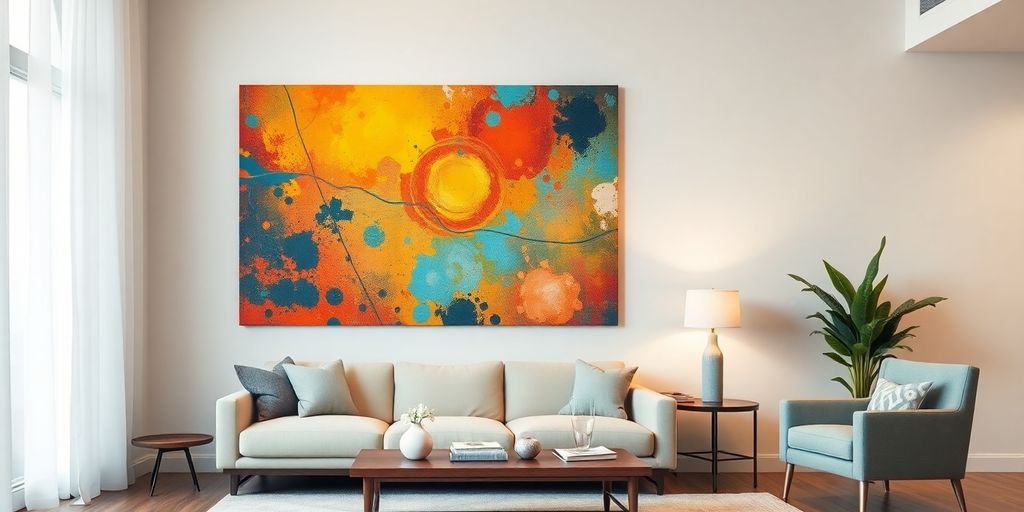
Want to make your home feel more like ‘you’? Wall art is a great way to do it. It’s not just about filling up empty spots; the right art can really change how a room feels and looks. It adds character, shows off your unique style, and can even make a small room seem bigger. This guide will walk you through how to pick out awesome wall art for your place, making sure it fits just right.
Key Takeaways
- Before you pick wall art, really look at your room. Think about its style, what you use it for, and the size of the walls you want to decorate.
- There are tons of wall art options out there. You’ve got classic paintings, mirrors that make rooms look bigger, easy-to-change wall decals, and even fabric hangings for some texture.
- When choosing art, make sure its colors work with your room’s colors. Also, pick stuff you actually like and that fits the overall vibe you’re going for in the space.
- Where you put your wall art matters a lot. Try to place it so it looks good from different spots in the room, and usually, hanging it at eye level works best.
- Once your art is up, keep it looking good! Clean it regularly, protect special pieces from things like too much sun, and fix any small damage quickly to keep it nice for a long time.
Understanding Your Space for Perfect Wall Art
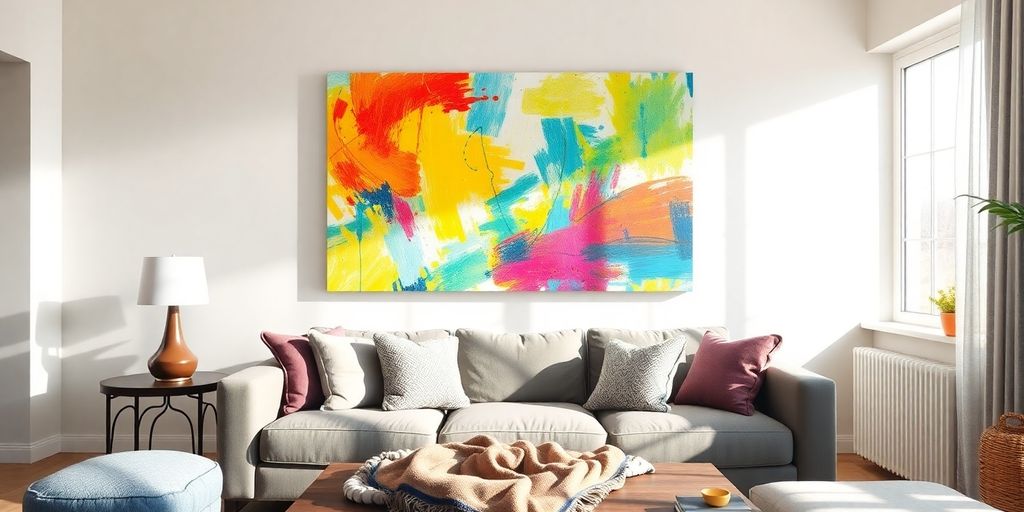
Before you even think about browsing timeless artwork, take a good look around. What kind of vibe are you going for? What does the room need? It’s not just about slapping something pretty on the wall; it’s about making the art work with the space.
Assessing Room Style and Ambiance
Is your style modern and minimalist, or cozy and traditional? The existing decor dictates the kind of art that will fit best. A sleek, modern room might call for abstract pieces with clean lines, while a rustic space could benefit from landscapes or textured art. Think about the colors, the furniture, and the overall feeling you want to create. Is it a relaxing sanctuary, or a vibrant, energetic space?
Considering Room Purpose and Function
What’s the room for? A bedroom needs different art than a home office. A living room might be a great place for a large, statement piece, while a bathroom could use something smaller and more subtle. Consider the function of the room and how the art can complement it. For example:
- Living Room: Large, eye-catching pieces or a gallery wall.
- Bedroom: Calming and serene art, maybe symmetrical arrangements.
- Home Office: Motivational or abstract art to inspire creativity.
Evaluating Wall Size and Layout
Don’t just pick art you like; pick art that fits. A tiny print on a huge wall will look lost, and an enormous canvas in a small room will feel overwhelming. Measure your walls! Consider the layout of the room, too. Are there windows or doors that will affect placement? Is there furniture that the art needs to complement? These are important questions to ask yourself.
Think about the negative space around the art, too. Sometimes, less is more. A well-placed piece with plenty of breathing room can be more impactful than a crowded gallery wall. It’s all about creating a sense of balance and harmony.
Exploring Diverse Wall Art Options
Okay, so you’re ready to ditch the blank walls and actually put something up. Great! The good news is there are tons of options out there. It can be a little overwhelming, but let’s break down some popular choices. I’m not talking about just posters you had in college, but real, grown-up creative ideas for wall art decor.
Timeless Artwork and Paintings
Artwork is classic. You really can’t go wrong with it. The trick is to find pieces that speak to you and fit the vibe of your room. Think about the style – is it modern, abstract, landscape? What colors are you working with? Does the subject matter make you happy or relaxed? All of these things matter. I personally love supporting local artists; it’s a great way to get something unique and add some personality to your space.
Functional and Decorative Wall Mirrors
Mirrors are awesome because they do double duty. They’re obviously functional, but they also make a room feel bigger and brighter by reflecting light. Plus, there are so many cool mirror designs out there now. You can find antique-looking ones, sleek modern ones, geometric shapes – the possibilities are endless. Consider the size and shape of the mirror in relation to the wall space. A large mirror can be a statement piece, while a smaller one can complement other decor.
Customizable Wall Decals and Stickers
If you’re renting or just like to change things up a lot, wall decals and stickers are a great option. They’re easy to apply and remove, and you can find them in all sorts of designs, from simple patterns to intricate murals. They’re also super affordable, which is always a plus. I’ve seen some really cool ones that look like hand-painted artwork, but without the commitment. Just make sure you’re applying them to a smooth surface for the best results.
Textile Wall Hangings for Texture
Want to add some warmth and texture to your space? Textile wall hangings are the way to go. Think tapestries, macrame, woven art, even quilts. These can really soften a room and make it feel more inviting. I love the bohemian vibe they bring. When choosing a textile hanging, consider the colors, patterns, and materials. You want something that complements your existing decor and adds visual interest. Plus, they can help with sound absorption, which is a bonus if you live in an apartment building.
Wall art is more than just decoration; it’s a reflection of your personality and style. Don’t be afraid to experiment and find pieces that you truly love. After all, you’re the one who has to look at them every day!
Key Factors for Choosing Wall Art
Harmonizing with Room Color Schemes
When picking out wall art, it’s super important to think about the colors already in your room. You don’t want the art to clash with your walls, furniture, or rugs. Instead, aim for pieces that complement the existing room painting ideas and bring everything together. For example, if your living room has a lot of blues and grays, consider artwork with similar cool tones or maybe a pop of a complementary color like orange to add some contrast. It’s all about creating a balanced and visually appealing space.
Matching Personal Style and Preferences
The art you choose should reflect who you are. Don’t just pick something because it’s trendy or because someone else likes it. Think about what kind of art you’re drawn to. Do you love abstract paintings, nature photography, or maybe vintage posters? Your wall art is a chance to express your personality and create a space that feels truly like your own. If you love it, that’s all that matters!
Considering the Overall Room Theme
Think about the vibe you’re going for in the room. Is it a cozy and rustic space, a modern and minimalist one, or something else entirely? Your wall art should fit in with that theme. For a rustic room, consider [textile wall hangings] that add warmth and texture. For a modern space, maybe go with sleek, abstract pieces. The goal is to create a cohesive look where everything works together to create the desired atmosphere.
Choosing wall art can feel overwhelming, but it doesn’t have to be. Take your time, consider your options, and trust your instincts. The most important thing is to pick pieces that you love and that make you happy to look at every day.
Strategic Placement of Wall Art
Okay, so you’ve got some awesome wall art picked out. Now what? Just slapping it up anywhere won’t cut it. Where you put your art is almost as important as the art itself. It can totally change the vibe of a room, make it feel bigger, or just make it feel…off. Let’s talk about how to get it right.
Optimizing Art Placement for Visual Impact
The goal is to draw the eye and create a focal point. Think about where people naturally look when they enter a room. That’s prime real estate for your best piece. Don’t be afraid to play around with different heights and arrangements before you commit. I usually hold things up and get a feel for it before I even think about hammering a nail. Also, consider the lighting. Is the spot well-lit, or will you need to add a lamp to really show off the art? Good lighting can make wall art pop!
Considering Room Dimensions for Wall Art
Room size matters, big time. A tiny piece in a huge room will look lost, and a massive canvas in a small space will feel overwhelming. It’s all about proportion. Here’s a super basic guide:
| Room Size | Recommended Art Size | Notes |
|---|---|---|
| Small (under 100 sq ft) | Small to Medium (under 24" wide) | Stick to a few smaller pieces or one medium-sized one. |
| Medium (100-300 sq ft) | Medium to Large (24"-48" wide) | You have more flexibility here. A gallery wall could work well. |
| Large (over 300 sq ft) | Large to Extra Large (over 48" wide) | Go big or go home! Consider a statement piece. |
Also, think about the shape of the room. Long, narrow rooms might benefit from a horizontal piece to visually widen the space. Tall ceilings? Use vertical art to emphasize the height. It’s all about playing with perception.
Centering Wall Art at Eye Level
This is a classic rule for a reason. Generally, you want the center of your artwork to be around 57-60 inches from the floor. That’s about eye level for most people. Of course, there are exceptions. If you’re hanging art above a sofa or other piece of furniture, you’ll want to adjust accordingly. A good rule of thumb is to leave about 6-8 inches between the bottom of the art and the top of the furniture. This helps create a connection between the two and prevents the art from feeling like it’s floating. Remember, it’s a guideline, not a law. Trust your eye and adjust as needed. You can find shabby and chic home decor to complement your art.
Don’t be afraid to break the rules! These are just guidelines to get you started. The most important thing is that you love how it looks. Experiment, try different things, and find what works best for your space and your style. After all, it’s your home, and it should reflect your personality.
Arranging Wall Art for Visual Harmony
Achieving Balance and Symmetry
When it comes to arranging wall art, balance and symmetry are your friends. Think of it like this: you want your wall to feel visually stable, not like it’s about to tip over. Symmetry is pretty straightforward – mirroring artwork or using even spacing to create a sense of order. Balance is a bit trickier; it’s about distributing the visual weight of each piece evenly. You don’t want one side of your wall to feel heavier than the other.
- Use a level to ensure straight lines.
- Step back frequently to assess the overall composition.
- Consider the colors and textures of the artwork.
A good starting point is to imagine a central line on your wall. Try to distribute your artwork evenly on either side of this line, considering both size and color. This helps create a sense of visual equilibrium.
Creating Captivating Gallery Walls
Gallery walls are a fantastic way to showcase a collection of art, photos, or other decorative items. The key here is to create a cohesive look that feels intentional, not chaotic. Start by choosing a theme or color palette to tie everything together. Then, play around with different layouts until you find one that you love. Don’t be afraid to mix and match sizes, shapes, and frames. You can even include non-art items like mirrors or decorative plates. Remember to plan how to arrange paintings on the wall before you start hammering nails!
- Use painter’s tape to map out your layout on the wall before hanging anything.
- Vary the spacing between pieces to create visual interest.
- Incorporate personal items to add character and tell a story.
Utilizing Vertical Space Effectively
Don’t forget to look up! Vertical space is often underutilized when it comes to wall art. If you have high ceilings, take advantage of them by hanging tall, narrow pieces or creating a vertical gallery wall. This can help draw the eye upward and make your room feel more spacious. Even in rooms with lower ceilings, you can use vertical arrangements to add height and dimension. Just make sure to consider the scale of your artwork in relation to the size of your wall. Here’s a quick guide:
| Ceiling Height | Recommended Art Arrangement | Example |
|---|---|---|
| Low (8 ft) | Horizontal emphasis | A wide landscape painting |
| Standard (9 ft) | Balanced horizontal and vertical | A gallery wall with varying sizes |
| High (10+ ft) | Vertical emphasis | A series of tall, narrow prints |
- Hang artwork higher than usual to draw the eye upward.
- Use vertical groupings to create a sense of height.
- Consider the placement of furniture when planning your vertical arrangement.
Integrating Wall Art with Existing Decor
It’s easy to get excited about a piece of wall art and just slap it up on the wall. But to really make your space sing, you need to think about how your new art will play with what’s already there. It’s like adding a new member to a band – they need to complement the existing sound, not clash with it.
Coordinating with Furniture and Rugs
Think of your furniture and rugs as the foundation of your room’s design. Your wall art should build upon that foundation. For example, if you have a modern sofa with clean lines, consider abstract art or geometric prints. If your rug has a bold pattern, maybe opt for simpler, more understated art to avoid overwhelming the space. It’s all about finding that visual balance.
- Consider the color palettes. Do the colors in your art complement or contrast with your furniture and rugs? Both can work, but you need to be intentional.
- Think about the style. Is your furniture traditional, modern, bohemian? Your art should reflect that style.
- Pay attention to scale. A tiny piece of art above a large sofa will look out of place, and vice versa.
Complementing Other Decorative Items
Wall art isn’t the only decorative element in your room. Lamps, vases, throw pillows, and other accessories all contribute to the overall aesthetic. Your art should work with these items to create a cohesive look. If you have a collection of blue and white porcelain, for instance, consider art with blue accents to tie everything together. Thinking about modern living room ideas can help spark some creativity.
- Use color as a unifying element. Pick out a color from your accessories and incorporate it into your wall art.
- Consider the textures. If you have a lot of smooth, shiny surfaces, add some textured art to create visual interest.
- Don’t be afraid to mix and match, but do it with intention. A gallery wall can be a great way to showcase a variety of styles and pieces, but make sure there’s a common thread that ties them together.
Creating a Cohesive Design Aesthetic
Ultimately, the goal is to create a space that feels intentional and put-together. This means considering every element, from the wall color to the smallest accessory, and how they all work together. Your wall art should be an integral part of this cohesive design aesthetic. It should reflect your personal style and create a mood that you love.
A cohesive design doesn’t mean everything has to match perfectly. It’s about creating a sense of harmony and balance. Think of it like a well-composed song – different instruments and melodies come together to create a beautiful whole.
Here’s a simple table to help you visualize how to coordinate different elements:
| Furniture Style | Rug Style | Art Style Suggestion |
|---|---|---|
| Mid-Century Modern | Geometric | Abstract Expressionism |
| Traditional | Oriental | Landscape Painting |
| Bohemian | Kilim | Textile Wall Hanging |
Maintaining Your Stunning Wall Art
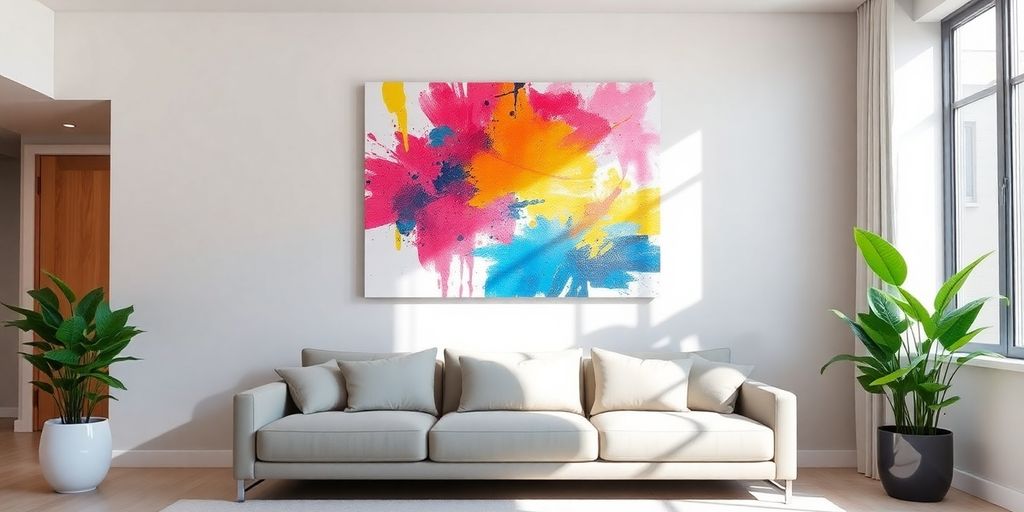
So, you’ve finally got your walls looking amazing! Now comes the part where you keep them that way. It’s not as hard as it sounds, but a little effort goes a long way in preserving your investment and keeping your space looking its best. Think of it like taking care of any other valuable item in your home – a little attention prevents bigger problems down the road.
Regular Cleaning and Maintenance
Dusting is your best friend. Seriously, a quick dusting every couple of weeks can prevent a buildup of grime that’s way harder to remove later. For most pieces, a soft, dry cloth will do the trick. But, you know, different materials need different approaches. Here’s a quick rundown:
- Framed Art: Use a soft brush attachment on your vacuum to gently remove dust from the frame and glass. Avoid spraying cleaner directly onto the art; spray onto a cloth first.
- Canvas: Gently dust with a soft, dry cloth. If there are stubborn spots, try a slightly damp cloth, but be super careful not to rub too hard.
- Mirrors: Glass cleaner works great, but avoid spraying it near the frame, especially if it’s wood. You don’t want to damage the finish.
- Textiles: Vacuum gently with an upholstery attachment. For deeper cleaning, check the care label – some can be spot-cleaned, while others might need professional cleaning.
Protecting Valuable Artwork
Sunlight is the enemy! Direct sunlight can fade colors and damage materials over time. Try to hang valuable pieces away from direct sunlight. If that’s not possible, consider using UV-protective glass or acrylic when framing. Also, humidity and temperature fluctuations can wreak havoc on artwork. Avoid hanging pieces in bathrooms or near heat sources. If you have valuable pieces, it might be worth investing in climate control for that room. To clean thrifted art, dilute oil soap in warm water (1/4 cup soap to 1 gallon water) and buff it onto the piece.
I learned the hard way about humidity. I had this cool vintage poster in my bathroom, and within a year, it was all warped and faded. Now I stick to plants in there – much more forgiving!
Repairing and Preserving Wall Art
Stuff happens, right? Frames get scratched, canvases get dented, and decals start to peel. The key is to address these issues promptly. For minor scratches on frames, you can often use a touch-up pen or furniture polish. If a canvas gets dented, try gently misting the back with water – sometimes that can help it pop back into shape. For peeling decals, you might be able to re-adhere them with a little adhesive spray. If you’re dealing with valuable artwork, it’s always best to consult a professional conservator. They have the expertise to repair frames and preserve your art without causing further damage.
Here’s a simple table to keep track of maintenance:
| Art Type | Cleaning Frequency | Special Considerations |
|---|---|---|
| Framed Prints | Bi-weekly | Avoid direct spray on glass; check for frame damage. |
| Canvas Paintings | Monthly | Gentle dusting; avoid harsh chemicals. |
| Wall Mirrors | Weekly | Clean with glass cleaner; protect frame. |
| Textile Hangings | Quarterly | Vacuum gently; professional cleaning if needed. |
| Wall Decals | As Needed | Re-adhere peeling edges; replace if necessary. |
Taking a little time to care for your wall art will keep it looking great for years to come. It’s a small investment that pays off big in the long run!
Conclusion
So, picking out wall art is a pretty big deal, right? It’s not just about slapping something on the wall. You gotta think about your space, what kind of art is out there, and all the little things that make it work. When you pick stuff that really feels like you, and it goes with your room’s colors and vibe, your walls can go from plain to amazing. Don’t be afraid to mix different kinds of art, try out new spots for them, and remember to take care of your pieces. If you keep these ideas in mind, you’ll be well on your way to making a space that looks great and really shows off your style.
Frequently Asked Questions
How do I choose the right wall art for a specific room?
To pick the right art, first think about the room’s purpose. Is it for relaxing, working, or entertaining? Then, look at the room’s current style and colors. This helps you choose art that fits in and makes the room feel right.
Can I mix different types of wall art in one room?
Yes, absolutely! Mixing different types of art, like paintings, mirrors, and even wall hangings, can make your walls much more interesting. Just make sure there’s a common theme or color that ties everything together so it doesn’t look messy.
What’s the best height to hang wall art?
A good rule of thumb is to hang art so its center is about 57 inches from the floor. This is eye level for most people. If you’re hanging art above furniture, make sure there’s enough space between the art and the furniture, usually 6-12 inches.
How can wall art make a small room feel larger?
For smaller rooms, try using mirrors. They make the room look bigger and brighter by bouncing light around. Also, choose art with lighter colors or simple designs to keep the space from feeling too crowded.
What are some tips for creating a gallery wall?
When creating a gallery wall, start by laying your art pieces on the floor to figure out the best arrangement. Mix different sizes and shapes, but keep the spacing between them consistent. You can use paper cutouts of your frames to test the layout on the wall before you start hanging.
How do I care for and clean my wall art?
To keep your art looking good, dust it regularly with a soft cloth. For paintings, avoid direct sunlight, which can fade colors. If you have valuable pieces, consider using special glass that blocks UV rays. For other items, just follow the cleaning instructions that came with them.





 PERFECT PAINTER
Leave a comment