

The Mona Lisa, painted by Leonardo da Vinci, is arguably the most famous artwork in the world. Housed in the Louvre, this iconic piece has fascinated millions for centuries. But what makes it so special? In this article, we take a closer look at the secrets behind the painting Mona Lisa, exploring Leonardo’s techniques, the evolution of the artwork, and the cultural impact it has had over the years. Join us as we uncover the layers of history and artistry that make this masterpiece a timeless treasure.
Key Takeaways
- Leonardo prioritized quality over quantity in his artistic approach.
- The Mona Lisa evolved significantly from its initial commission to a global icon.
- Innovative techniques like layering and the use of translucent paint defined Leonardo’s style.
- Scientific analysis has revealed new insights into the painting’s techniques and materials.
- The Mona Lisa’s enduring popularity has influenced countless artists and remains a symbol of artistic genius.
Leonardo’s Artistic Philosophy

Quality Over Quantity
Leonardo wasn’t exactly churning out paintings left and right. He was more interested in getting things just right. He really believed in quality over quantity, always striving for the ideal painting. It’s like he was on a mission to make each piece the best it could possibly be. Scientists are even using new tech to look at his paintings and figure out all the secrets he hid in them. It’s pretty wild how much effort he put into each one.
The Pursuit of Perfection
Leonardo’s whole deal was about chasing perfection. He was always experimenting and pushing the limits of what was possible. He wasn’t afraid to try new things, even if it meant taking longer or facing challenges. He wanted to understand the world around him, and that understanding fueled his art. He was a true Renaissance man, blending art and science in a way that was totally unique. His approach to painting techniques was unconventional for the time, allowing him to change his mind freely during both the preparatory and painting stages.
Experimental Techniques
Leonardo was all about trying new things. He wasn’t afraid to break the rules and see what happened. He mixed colors, layered paints, and used translucent glazes to create depth and subtlety. He even studied anatomy to understand how the human body worked, which helped him make his paintings more realistic. He was a true innovator, always looking for ways to improve his craft. He even designed things like armored tanks and flying machines! It makes you wonder what else he could have come up with if he had more time.
Leonardo’s relentless curiosity and pursuit of beauty in all forms continue to inspire and enrich our understanding of the world. He dissected bodies, studied light, and experimented with new materials, all in the name of art. It’s this dedication that makes his work so timeless and captivating.
Here’s a quick look at some of his experimental areas:
- Optics
- Anatomy
- Pigment Chemistry
The Evolution of The Mona Lisa
From Commission to Masterpiece
The Mona Lisa’s story is pretty interesting. It started back in Florence around 1503. Initially, it was just a portrait commission, meant to be Lisa Gherardini, the wife of a merchant. But, over time, it became something way bigger. It transformed from a simple portrait into a universal masterpiece.
Technological Insights
Modern tech has really helped us understand the Mona Lisa better. Things like ultraviolet imaging and X-rays give us a peek into how the painting changed over time. It turns out Leonardo kept tweaking and improving his work. It wasn’t just a one-and-done thing. He was always experimenting. This constant refinement is what makes the artwork special.
Continuous Refinement
Leonardo da Vinci wasn’t like other artists back then. He didn’t just stick to one way of doing things. He was always trying new stuff, experimenting with different techniques. This meant he could change his mind a lot while he was working on a painting, which wasn’t common. The Mona Lisa is a great example of this. He kept adding layers, adjusting colors, and playing with light and shadow until he got it just right. It’s this constant refinement that makes the Mona Lisa so captivating, even after all these years.
Leonardo’s dedication to continuous refinement is a testament to his artistic vision. He wasn’t just trying to paint a pretty picture; he was trying to capture something deeper, something more meaningful. This is why the Mona Lisa still resonates with people today.
Unveiling Leonardo’s Techniques
Layering and Color Interplay
Leonardo’s approach to painting wasn’t just about slapping some color on a canvas; it was a carefully orchestrated dance of layers and hues. He didn’t just mix colors; he built them up, one translucent layer at a time. This layering technique allowed him to create incredible depth and subtle shifts in tone that are hard to replicate even today. It’s like he was painting with light itself, capturing the way it plays across surfaces and brings them to life. The way he combined colors wasn’t random either; it was all about creating a sense of realism and capturing the nuances of the subject.
Use of Translucent Paint
Leonardo’s use of translucent paint was a game-changer. Instead of opaque colors that block light, he used thin, almost see-through layers. This allowed light to pass through the paint, bounce off the layers underneath, and then come back out. The effect? A luminous quality that makes his paintings seem to glow from within. It’s like he was using the paint to trap and manipulate light, creating a sense of depth and realism that was unheard of at the time. It’s one of the reasons why the Mona Lisa still captivates us today.
Innovative Pigment Chemistry
Leonardo wasn’t just an artist; he was a bit of a chemist too. He experimented with different pigments and binders, trying to find the perfect combination to achieve his artistic vision. He wasn’t afraid to try new things, and his curiosity led him to some pretty groundbreaking discoveries. For example, recent research has revealed the presence of plumbonacrite in the Mona Lisa’s paint layers, a rare and unusual compound that may have contributed to the painting’s unique texture and appearance. His understanding of pigment chemistry allowed him to create colors that were both vibrant and long-lasting, ensuring that his masterpieces would endure for centuries to come.
Leonardo’s innovative approach to painting wasn’t just about technique; it was about pushing the boundaries of what was possible. He was constantly experimenting, learning, and refining his methods, always striving for perfection. His dedication to his craft is what sets him apart and makes his work so timeless.
Here’s a quick breakdown of some key aspects of his pigment use:
- Experimentation with new materials
- Careful selection of pigments for specific effects
- Use of plumbonacrite to achieve unique textures
The Science Behind The Smile
Ambiguity of Expression
Okay, so everyone talks about the Mona Lisa’s smile, right? But what’s really going on there? It’s not just a simple grin. It’s this whole play of light and shadow that makes it seem like she’s smiling, or not, depending on how you look at it. Leonardo was a master of this kind of ambiguity, and it’s a huge part of what makes the painting so captivating. It’s like he knew how our brains work before we even had the science to explain it. It’s not just about what’s on the canvas, but how we, as viewers, perceive it.
Perception and Sfumato
That hazy, almost dreamlike quality you see in the Mona Lisa? That’s sfumato. It’s an Italian word that basically means
Discovering Leonardo’s Palette
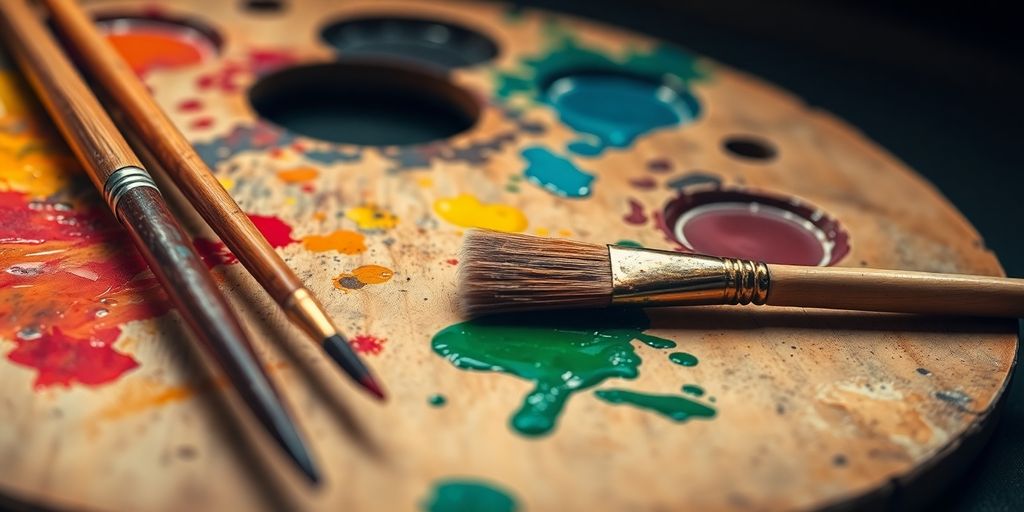
Okay, so we all know Leonardo was a genius, but did you know he was basically a paint chemist too? It’s wild to think about him experimenting with different ingredients to get just the right colors and textures. Modern science is helping us figure out exactly what he was up to, and it’s pretty amazing.
Unique Paint Recipes
Leonardo didn’t just grab tubes of paint off the shelf; he made his own! He was all about experimenting with different materials to get the effects he wanted. Think about it: no art supply stores back then. He had to source everything himself and figure out how to mix it all. That’s dedication! It’s like baking a cake from scratch versus using a box mix – the results are probably way more interesting when you’re doing everything yourself. The Mona Lisa’s ground layer is a great example of this.
Role of Plumbonacrite
Okay, this is where it gets really interesting. Scientists found this rare compound called plumbonacrite in a tiny paint chip from the Mona Lisa. Apparently, it’s like a chemical fingerprint that tells us Leonardo used lead oxide powder in his paint. This stuff probably helped the paint dry better and gave it a cool texture. It’s like finding the secret ingredient in a famous recipe!
Impact on Artistic Techniques
So, what does all this mean for art? Well, knowing what Leonardo used in his paints helps us understand how he achieved those incredible effects. It also shows how innovative he was. He wasn’t afraid to try new things, and that’s what made him such a groundbreaking artist. It’s inspiring to think about how his artistic techniques continue to influence artists today.
It’s easy to forget that art and science aren’t separate things. Leonardo proves that the best art often comes from a deep understanding of the world around us, including the materials we use to create it. His curiosity and willingness to experiment are lessons for all of us, whether we’re artists or not.
Here’s a simple breakdown of some common pigments used during the Renaissance:
| Pigment | Color | Source |
|---|---|---|
| Ultramarine | Blue | Lapis lazuli |
| Vermilion | Red | Cinnabar |
| Lead White | White | Lead |
| Yellow Ochre | Yellow | Natural clay pigments |
| Charcoal Black | Black | Burnt wood or bone |
It’s amazing to think about how these basic materials could be transformed into masterpieces!
Cultural Impact of The Mona Lisa
Symbol of Artistic Genius
The Mona Lisa isn’t just a painting; it’s a cultural icon. It represents the pinnacle of artistic achievement, a symbol of the Renaissance spirit, and a testament to Leonardo da Vinci’s genius. Its fame has transcended the art world, making it recognizable to people across the globe, regardless of their artistic background.
Influence on Future Artists
The Mona Lisa’s impact on subsequent artists is undeniable. Its innovative techniques, such as sfumato, and its psychological depth have inspired generations of painters. Artists have emulated, referenced, and parodied the Mona Lisa in their own works, solidifying its place in the artistic canon. The Renaissance impact is still felt today.
Here’s a quick look at how the Mona Lisa has influenced art movements:
- Realism: Inspired artists to focus on accurate representation and detail.
- Surrealism: Provided a subject for dreamlike and distorted interpretations.
- Pop Art: Became a mass-produced image, questioning the concept of high art.
Enduring Popularity
What explains the Mona Lisa’s enduring popularity? It’s a combination of factors: the mystery surrounding the subject, the innovative techniques used by Leonardo, and the painting’s status as a cultural icon. The Mona Lisa continues to draw crowds to the Louvre, and its image is reproduced endlessly on everything from postcards to coffee mugs. It’s a painting that has captured the imagination of the world, and its appeal shows no signs of waning.
The Mona Lisa’s fame is self-perpetuating. The more famous it becomes, the more people want to see it, and the more it is discussed and analyzed. This creates a feedback loop that ensures its continued popularity for generations to come.
Modern Research and Discoveries
Cutting-Edge Technology
Modern science is helping us understand the Mona Lisa like never before. We’re not just looking at the surface anymore; we’re diving deep into the layers of paint and the artist’s mind using tools Leonardo da Vinci could never have imagined. It’s pretty cool, actually.
Collaboration with Scientists
It’s not just art historians peering at the Mona Lisa these days. Scientists from all sorts of fields are getting involved. Chemists are analyzing the pigments, physicists are using X-rays to see beneath the surface, and engineers are even recreating Leonardo’s tools and techniques. This scientific collaboration is key to unlocking the secrets of the masterpiece.
New Findings on Techniques
All this high-tech investigation is paying off. We’re learning new things about how Leonardo actually painted the Mona Lisa. For example:
- The discovery of plumbonacrite in the ground layer of the painting. This is a rare lead carbonate that helps the paint dry and gives it a special glow.
- Advanced imaging techniques reveal the sfumato technique, which is even more complex than we thought. It’s not just about blurring the lines; it’s about creating an optical illusion.
- X-ray analysis shows that Leonardo made changes to the painting over time, adjusting the position of the fingers and the smile. It wasn’t a one-shot deal; it was a work in progress.
It’s amazing to think that after all these years, we’re still finding new things about the Mona Lisa. It just goes to show how much of a genius Leonardo was, and how much there is still to learn from his work.
Final Thoughts on the Mona Lisa’s Mystique
In wrapping up our exploration of the Mona Lisa, it’s clear that this painting is more than just a pretty face. Leonardo’s unique techniques and the ongoing research into his methods keep revealing new insights, even after all these years. The layers of paint, the subtle shifts in her smile, and the science behind it all show just how complex and innovative he was. Each discovery adds to the allure of the Mona Lisa, reminding us that art is a living thing, always evolving. So, the next time you gaze at her enigmatic smile, remember there’s still so much we don’t know. And who knows? Maybe more secrets are waiting to be uncovered.
Frequently Asked Questions
Who painted the Mona Lisa?
The Mona Lisa was painted by the famous artist Leonardo da Vinci.
What makes the Mona Lisa’s smile special?
The smile of the Mona Lisa is special because it seems to change when you look at it from different angles, creating a mysterious effect.
Why did Leonardo da Vinci take so long to finish the Mona Lisa?
Leonardo took a long time because he aimed for perfection and continuously refined his work, making many changes along the way.
What techniques did Leonardo use in the Mona Lisa?
Leonardo used layering, translucent paint, and a technique called sfumato, which helps create soft transitions between colors.
What recent discoveries have been made about the Mona Lisa?
Recent studies have used technology like X-rays to reveal hidden details and techniques in the painting, showing Leonardo’s innovative methods.
Why is the Mona Lisa considered a masterpiece?
The Mona Lisa is considered a masterpiece because of its artistic quality, the skill of Leonardo, and its lasting impact on art and culture.





 PERFECT PAINTER
Leave a comment