
Spring is here, and it’s the perfect time to shake off the winter blues and get those creative juices flowing! Whether you’re a seasoned artist or just starting out, these 10 easy painting ideas will help you express yourself and enjoy the beauty of the season. Grab your brushes and let’s dive into some fun projects that are simple yet inspiring!
Key Takeaways
- You don’t need to be an expert to create beautiful art.
- Nature provides endless inspiration for easy painting ideas.
- Experiment with colors and techniques to find your style.
- These projects are perfect for relaxing and having fun.
- Share your creations and enjoy the process of painting.
1. Spring Blooms

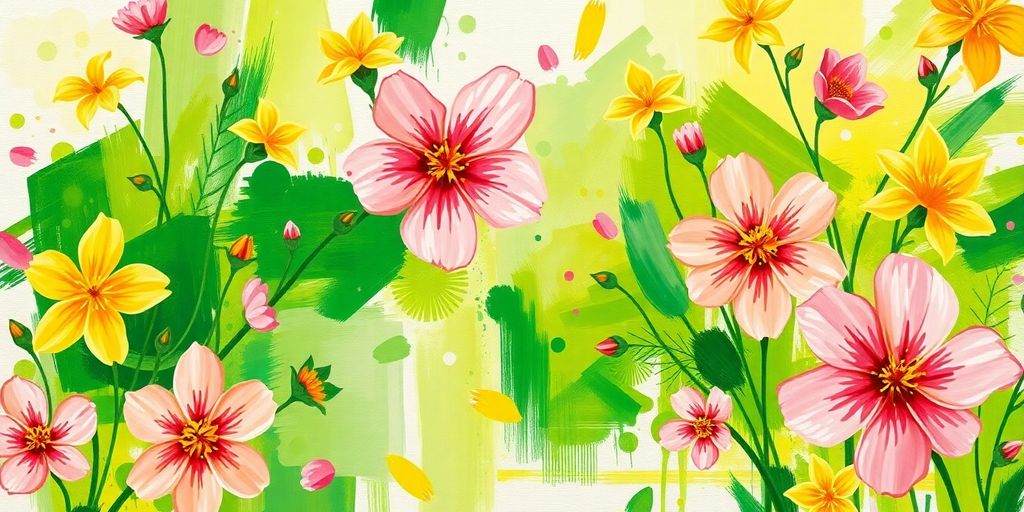
Okay, so spring blooms. Obvious, right? But hear me out. It’s not just about painting any old flower. It’s about capturing that spring feeling. Think about the colors – those fresh, vibrant hues that just scream "new life." And the shapes! They’re delicate, intricate, and totally inspiring. I’m not a pro, but even I can get into this.
Spring blooms are a classic subject for a reason: they’re beautiful and offer endless possibilities for artistic expression.
I’ve been messing around with different techniques, and here’s what I’ve found works for me:
- Watercolor washes: These are great for capturing the soft, dreamy quality of spring flowers. Just layer the colors and let them blend. It’s super forgiving, which is perfect for me.
- Acrylic impasto: If you want something bolder, try using thick layers of acrylic paint to create texture. It’s a fun way to make your flowers really pop.
- Mixed media: Why not combine different materials? I’ve been adding bits of paper and fabric to my paintings, and it gives them a really unique look.
I tried painting cherry blossoms last week, and it was surprisingly relaxing. I just sat outside, looked at the trees, and let the colors flow. It wasn’t perfect, but it was a nice way to spend an afternoon. Plus, I learned a lot about color mixing and composition. I’m thinking of trying flower bouquet next.
Here’s a little table of some popular spring flowers and the colors I associate with them:
| Flower | Colors |
|---|---|
| Tulip | Pink, Yellow, Red |
| Daffodil | Yellow, White |
| Hyacinth | Purple, Blue, Pink |
| Cherry Blossom | Pink, White |
| Lily of the valley | White |
2. Sunset Silhouettes
Okay, so sunset silhouettes are seriously fun and pretty easy to pull off. I remember the first time I tried one; I was convinced it would be a total mess, but it actually turned out pretty cool. The trick is to focus on the background first. Get those warm colors blended nicely, and then the silhouette part is just the cherry on top.
The best part? You don’t have to be super precise. Silhouettes are all about shapes, not details. Think simple trees, birds, or even just some abstract shapes. It’s a great way to experiment with color and composition without stressing too much about realism. Plus, they look amazing hanging on the wall.
Here’s a simple way to get started:
- Prep your canvas: A regular canvas works great, but you can also use watercolor paper if you’re feeling adventurous.
- Paint the sunset: Use warm colors like orange, pink, red, and yellow. Blend them together to create a gradient effect. Don’t worry about making it perfect; sunsets are naturally messy.
- Add the silhouette: Once the background is dry, paint your silhouette using black acrylic paint. Simple shapes work best, like trees, birds, or mountains. You can find inspiration online or just make up your own.
I find that doing sunset silhouettes is a great way to unwind after a long day. There’s something really calming about blending those colors and creating a peaceful scene. Plus, it’s a project that anyone can do, regardless of their skill level. Give it a try; you might surprise yourself!
If you want to try something different, you can use a black canvas for a dramatic effect. The bright colors of the sunset will really pop against the dark background.
3. Moon and Stars
Okay, so maybe you’re not an astronaut, but you can still bring the cosmos to your canvas! Painting the moon and stars is surprisingly simple and super rewarding. It’s a great way to experiment with different shades of blues and blacks, and you can get really creative with the types of stars you include. Think about adding some watercolor clouds for extra depth.
One of the coolest things about painting the moon and stars is that you can make it as realistic or as abstract as you want.
Here’s a few ideas to get you started:
- Simple Crescent Moon: A classic for a reason. Use a light gray or white for the moon, and blend it into a dark blue or black background.
- Starry Night Sky: Use a small brush or even a toothpick to create tiny stars scattered across the canvas. Vary the sizes for a more realistic look.
- Galaxy Swirls: Mix different shades of blue, purple, and pink to create a swirling galaxy effect. Add some glitter for extra sparkle!
I remember one time I tried painting a super detailed moon, craters and all. It was a total fail! I got so caught up in the details that I completely lost the overall feel of the painting. That’s when I realized that sometimes, less is more. A simple, glowing moon can be just as effective as a hyper-realistic one.
To make your painting even more interesting, consider adding some silhouettes of trees or mountains in the foreground. This will give your painting a sense of depth and perspective. You could even try painting a glowing moon against a black background for a dramatic effect. The possibilities are endless!
Here’s a simple table to help you choose your colors:
| Element | Color Options |
|---|---|
| Moon | White, light gray, pale yellow |
| Stars | White, yellow, silver, gold |
| Sky | Dark blue, black, purple, indigo |
| Galaxy (if any) | Pink, purple, blue, white |
4. Food Painting
Okay, so maybe you’re not a chef, but you can still appreciate a good-looking plate, right? Food painting is surprisingly fun. It’s a chance to really look at the colors and textures of everyday things. Plus, you get to think about your favorite meals while you’re doing it. I find it way more interesting than painting, like, a bowl of fruit. Let’s get into it.
I’ve been experimenting with different styles, and honestly, it’s all about having fun. Don’t stress about making it perfect. Think about what foods you love and why. Is it the bright red of a tomato? The swirling patterns in a chocolate brownie? Use that as your inspiration.
Here’s a few things I’ve learned:
- Lighting is key. Just like in food photography, good lighting can make or break your painting. Pay attention to how the light hits your subject and try to capture those highlights and shadows.
- Don’t be afraid to get messy. Food is organic and imperfect, so your painting should be too. Embrace the drips and splatters.
- Experiment with different mediums. Watercolors can give you a light, airy feel, while acrylics are great for bold colors and textures. I’ve even tried using coffee as a pigment for a sepia-toned effect. It’s all about experimenting!
I tried painting a burger once, and it ended up looking like a weird, abstract blob. But you know what? It was still fun! The point is to let loose and enjoy the process. Don’t worry about the end result so much. Just focus on the colors, shapes, and textures that you see.
If you’re looking for inspiration, check out some food photography online. Notice how the photographers use light and composition to make the food look appealing. You can use those same techniques in your paintings. Or, even better, try setting up your own still life with your favorite snacks. It’s a great way to spend an afternoon, and you might even end up with a custom paint by numbers masterpiece!
5. Aquatic Animals
Okay, so maybe you’re not feeling flowers or sunsets. How about diving into the underwater world? Painting aquatic animals can be super fun, and there’s a ton of room to get creative with colors and textures. Think about the shimmering scales of a fish or the smooth skin of a dolphin.
Don’t be afraid to experiment with different shades of blue and green to capture the essence of the ocean.
Here are a few ideas to get you started:
- Colorful Fish: Go wild with vibrant colors and patterns. Think tropical fish with stripes, spots, and all sorts of crazy fins. You can even create your own species!
- Sea Turtles: These gentle giants are always a good choice. Focus on the texture of their shells and the peaceful expression in their eyes. Maybe try a watercolor effect for a dreamy look.
- Jellyfish: These are surprisingly easy and fun to paint. Use flowing lines and translucent colors to capture their ethereal beauty. Add some glitter for extra sparkle!
I remember one time I tried painting a whale, and it ended up looking like a giant blue blob. It was a total fail, but it was also hilarious. The point is, don’t be afraid to mess up. It’s all part of the process. Just grab your acrylic painting ideas and have fun with it!
Painting aquatic animals is a great way to explore different techniques and color palettes. Plus, it’s a nice change of pace from the usual landscapes and still lifes. So, grab your brushes and get ready to make a splash!
6. Trees Painting
Trees offer a fantastic subject for paintings, especially as they change so dramatically through the seasons. It’s a chance to play with color, texture, and light in ways that are both challenging and rewarding. I find it super relaxing to just get lost in the details of bark and leaves. Plus, there are so many ways to approach it, from realistic studies to more abstract interpretations. Let’s explore some ideas to get you started with tree painting.
One of the most appealing aspects of painting trees is the sheer variety they offer. You can focus on a single, majestic oak, a grove of slender birches, or even a stylized forest. The possibilities are endless, and each type of tree presents its own unique set of challenges and opportunities.
Here are a few things to consider when painting trees:
- Light and Shadow: Pay attention to how light falls on the tree. This will help you create depth and dimension in your painting.
- Texture: Experiment with different brushstrokes and techniques to capture the texture of the bark and leaves.
- Color: Don’t be afraid to mix your own colors to achieve the perfect shades of green, brown, and other hues.
Painting trees is not just about replicating what you see; it’s about capturing the essence of the tree, its character, and its place in the landscape. It’s about conveying a feeling, a mood, or a memory.
7. Bird Painting
Okay, so you want to paint birds? Awesome! It’s a super fun way to add some life and color to your art. Plus, there are so many different kinds of birds, you’ll never run out of inspiration. I remember when I first started, I was intimidated, but honestly, it’s easier than you think. Just grab your brushes and let’s get started!
One of the coolest things about painting birds is that you can really play with color. Think about the bright blues of a blue jay or the vibrant reds of a cardinal. Don’t be afraid to experiment and mix your own shades. It’s all about capturing the essence of these amazing creatures.
Here are a few ideas to get you going:
- Watercolor Wonders: Watercolors are great for capturing the delicate feathers and soft textures of birds. Try a simple wash technique to create a light, airy feel.
- Acrylic Adventures: Acrylics are perfect if you want bold, vibrant colors. They’re also super versatile and can be used on a variety of surfaces.
- Mixed Media Magic: Why not combine different materials? Add some texture with collage or use colored pencils for fine details. The sky’s the limit!
I find that sketching the bird lightly with a pencil first helps a lot. It gives you a guide to work from and prevents you from getting lost in the details too early. Don’t worry about perfection; just focus on capturing the basic shape and proportions.
And if you’re looking for more ideas, you can always check out painting ideas for 2025 on Pinterest. There’s a ton of inspiration there!
Here’s a simple table to help you choose the right paint for your bird painting:
| Paint Type | Best For | Pros | Cons |
|---|---|---|---|
| Watercolor | Soft details, light washes | Easy to blend, forgiving | Can be difficult to build up layers |
| Acrylic | Bold colors, textured effects | Dries quickly, versatile | Can be difficult to blend once dry |
| Oil | Rich colors, smooth blends | Long working time, allows for corrections | Requires solvents, longer drying time |
So, what are you waiting for? Grab your supplies and start painting some birds! It’s a great way to relax, get creative, and connect with nature. Have fun!
8. Winter Scenes
Okay, so maybe spring is supposed to be about sunshine and flowers, but who says you can’t sneak in a little winter magic? Painting winter scenes can be surprisingly calming, and it’s a great way to play with cool colors and light. Plus, you can get super creative with different textures to mimic snow and ice. I find it’s a nice change of pace from all the bright, vibrant spring colors.
Here are a few ideas to get you started:
- Snowy Landscapes: Think about painting a field covered in fresh snow, maybe with a few bare trees in the background. You can use a palette knife to create texture in the snow, or even add some glitter for a sparkly effect.
- Cozy Cabins: Picture a warm, inviting cabin nestled in the woods, with smoke coming from the chimney. This is a great way to use warm and cool colors together, contrasting the warmth of the cabin with the coldness of the snow.
- Snowflakes: Get up close and personal with the intricate designs of snowflakes. You can use a fine-tipped brush or even a toothpick to create the delicate patterns. Try painting them on a dark background to really make them pop. You can find some easy painting ideas online.
I remember one time I tried painting a winter scene, and I accidentally used way too much blue. It looked less like a peaceful winter wonderland and more like an alien planet. But you know what? I just went with it and added some purple and green, and it ended up looking pretty cool in a weird, abstract way. So don’t be afraid to experiment and make mistakes – that’s how you learn!
| Element | Color Palette | Texture Techniques |
|---|---|---|
| Snow | White, light blue, gray, lavender | Palette knife, dry brushing, salt for texture |
| Trees | Brown, dark green, black, white (for snow) | Dry brushing, stippling |
| Sky | Light blue, pink, orange (sunset/sunrise) | Blending, wet-on-wet |
| Cozy Cabin | Red, orange, yellow, brown | Impasto (thick paint), layering |
| Frozen Lake | Dark blue, gray, white | Gloss medium for shine, crackle paste for ice effect |
9. Mountain Landscapes
Okay, so maybe you’re not a Bob Ross level artist, but that doesn’t mean you can’t tackle a mountain landscape! It’s all about layers and perspective, and honestly, even if it doesn’t look exactly like the Rockies, it’ll still be a cool piece of art. Plus, it’s super relaxing to just blend colors and create those hazy, distant peaks.
Mountain landscapes offer a fantastic opportunity to play with light and shadow.
Here’s a few things to think about when you’re getting started:
- Start with a light sketch. Don’t press too hard with your pencil; you want those lines to disappear under the paint.
- Think about your color palette. Are you going for a vibrant, sunny scene, or something more moody and atmospheric?
- Don’t be afraid to experiment with different brushstrokes. Use a wide brush for the sky and mountains, and a smaller brush for details like trees or rocks.
I remember trying to paint a mountain scene after a trip to Colorado. I was so intimidated at first, but once I started layering the colors, it just kind of came together. It wasn’t perfect, but it captured the feeling of being there, which is what really mattered.
If you are looking for scenery painting on canvas, this is a great option.
10. Abstract Designs
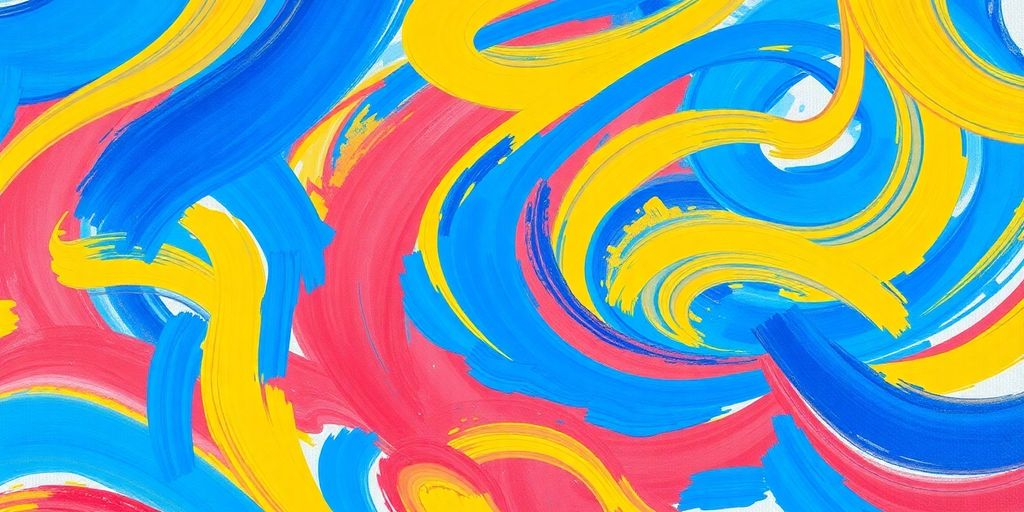
Okay, so maybe you’re not trying to paint something that looks like something. That’s where abstract art comes in! It’s all about expressing yourself through colors, shapes, and textures without worrying about realism. I know, it sounds intimidating, but trust me, it’s super freeing.
Abstract art is all about letting go and experimenting. Don’t overthink it; just start putting paint on the canvas and see where it takes you. You might be surprised at what you create. Think of it as a visual jam session – no rules, just pure expression. If you’re looking for home painting ideas, this is a great way to start.
Here are a few ideas to get you started:
- Geometric Shapes: Grab a ruler (or don’t!) and start painting squares, circles, triangles, or any shape that strikes your fancy. Overlap them, use different colors, and see how they interact. It’s like building a puzzle with paint.
- Fluid Art: This involves pouring paint onto the canvas and letting it flow. You can tilt the canvas, use a hairdryer to move the paint around, or even add silicone to create cells. It’s messy, but the results can be stunning. You can even find abstract paint by numbers to help you get started.
- Texture Play: Experiment with different textures by adding things like sand, coffee grounds, or fabric scraps to your paint. This adds a whole new dimension to your artwork and makes it more tactile.
Abstract art is a journey of self-discovery. It’s about exploring your emotions and expressing them in a visual form. Don’t be afraid to make mistakes; they’re often the best part of the process. Just have fun and see where your creativity takes you.
I think the best part about abstract art is that there’s no right or wrong way to do it. It’s all about your interpretation and your expression. So, grab your paints, get messy, and let your inner artist shine!
Wrap-Up Your Creative Journey
So there you have it! Ten fun painting ideas to get your creative juices flowing this spring. Whether you’re a total newbie or just looking to shake things up, these projects are all about having a good time. Remember, it’s not about being perfect; it’s about enjoying the process. Grab your brushes, some paint, and just go for it! And hey, don’t forget to share your masterpieces with friends or on social media. Who knows? You might inspire someone else to pick up a brush too. Happy painting!
Frequently Asked Questions
What materials do I need to start painting?
You will need some paint (acrylic or watercolor), brushes, a canvas or paper, and water for cleaning your brushes.
Can I paint if I’m a beginner?
Absolutely! These painting ideas are perfect for beginners. Just have fun and don’t worry about making mistakes.
How long does it take to complete a painting?
It depends on the complexity, but many of these ideas can be finished in an hour or two.
Do I need to follow a specific style when painting?
No, you can create your own style! Feel free to experiment and make the painting your own.
What if I don’t like my painting?
No problem! You can paint over it or turn mistakes into unique details. Art is all about expression.
Where can I find inspiration for my paintings?
Look around you! Nature, your favorite foods, or even abstract ideas can spark inspiration.




 PERFECT PAINTER
Leave a comment