
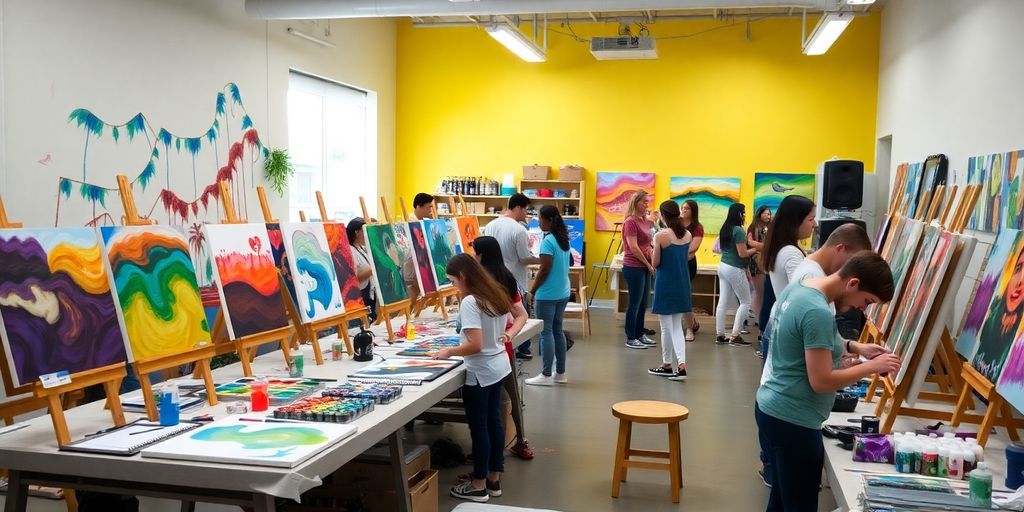
If you’re looking to explore your artistic side, Fort Worth, TX, has a variety of art painting classes that cater to all skill levels. Whether you’re a complete beginner or someone with more experience, there’s something for everyone. From local studios that offer unique experiences to classes that focus on different painting techniques, you’ll find the perfect fit to unleash your creativity. Let’s take a closer look at what Fort Worth has to offer in terms of art painting classes near me!
Key Takeaways
- Fort Worth boasts numerous art studios with diverse classes for all skill levels.
- Classes range from beginner sessions to advanced techniques and themed workshops.
- Art classes can boost your creativity and confidence while allowing you to meet new people.
- Consider your skill level and preferred medium when selecting a class.
- Expect a fun and supportive environment where you can create your own artwork.
Exploring Local Art Studios
Unique Offerings in Fort Worth
Fort Worth has a surprisingly diverse art scene. You can find studios that focus on everything from traditional oil painting to more modern, mixed-media approaches. Some studios are run by individual artists, while others are larger spaces with multiple instructors and a wider range of classes. The key is to explore and find a studio that matches your artistic interests and learning style.
Community Engagement and Events
Many art studios in Fort Worth actively engage with the local community. They host events like open studio nights, where you can see artists at work and learn about their processes. Some studios also participate in local art fairs and festivals, providing opportunities to showcase student artwork and connect with other art enthusiasts. For example, Painting with a Twist hosts artist-led events and private paint parties.
Artistic Environment and Facilities
The environment of an art studio can greatly impact your learning experience. Look for studios that provide a comfortable and inspiring space to work. Consider factors like the availability of natural light, the organization of the studio, and the quality of the equipment. Some studios may offer additional amenities, such as a gallery space to display student work or a lounge area for socializing. Here’s a quick comparison of potential studio features:
| Feature | Studio A | Studio B | Studio C |
|---|---|---|---|
| Natural Light | High | Medium | Low |
| Equipment Quality | Good | Excellent | Fair |
| Gallery Space | Yes | No | Yes |
| Community Feel | Strong | Moderate | Weak |
Choosing the right art studio is a personal decision. Take the time to visit different studios, talk to instructors, and observe classes in session. This will help you find a space where you feel comfortable, inspired, and supported in your artistic journey.
Here are some things to consider when choosing a studio:
- The studio’s focus (e.g., painting, sculpture, ceramics).
- The experience and teaching style of the instructors.
- The size and layout of the studio space.
Types of Art Painting Classes Available
Beginner Classes for New Artists
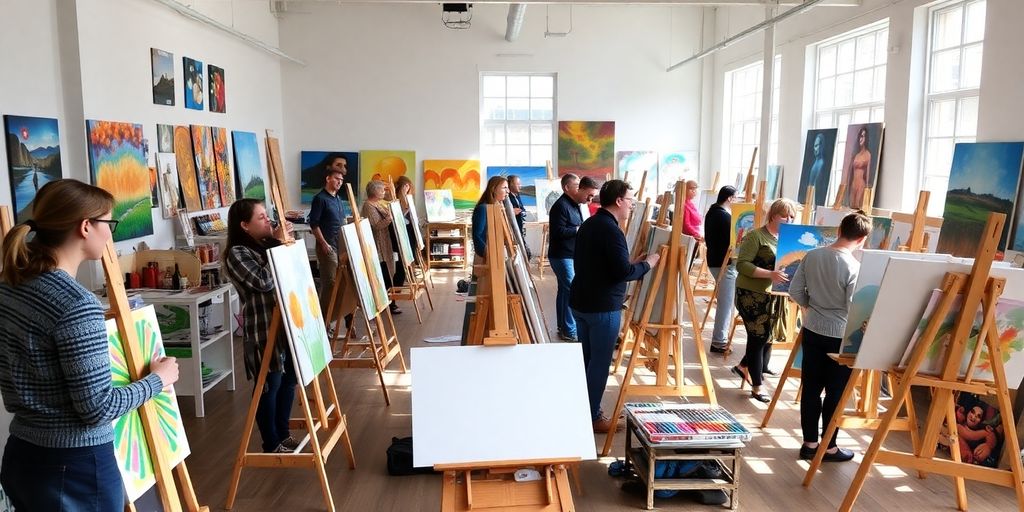
So, you’re thinking about picking up a brush for the first time? Awesome! Beginner classes are all about getting comfortable with the basics. You’ll learn about color mixing, brush techniques, and basic composition. Expect to start with simple subjects like still life or landscapes. It’s a relaxed environment where mistakes are totally okay – in fact, they’re encouraged! Most studios provide all the materials, so you just need to show up and be ready to have some fun. Don’t worry about perfection; it’s all about the process.
Advanced Techniques for Experienced Painters
Ready to take your skills to the next level? Advanced classes are designed for painters who already have a solid foundation. These classes often focus on specific techniques, like glazing, scumbling, or impasto. You might also explore more complex subjects, such as portraiture or abstract art. Expect more critique and in-depth discussions about your work. It’s a great way to refine your style and push your creative boundaries. You’ll probably need to bring your own painting products, so make sure you check the supply list beforehand.
Specialty Workshops and Themed Events
Looking for something a little different? Specialty workshops and themed events are a fantastic way to explore new styles and subjects. These can range from watercolor painting to private paint parties to classes focused on specific artists or movements. They’re usually shorter and more intensive than regular classes, offering a concentrated dose of learning and inspiration. Plus, they’re a fun way to meet other artists and try something completely new. Keep an eye out for workshops that pique your interest – you never know what you might discover!
I remember this one time I went to a Bob Ross-themed painting night. It was hilarious! Everyone was trying to channel their inner Bob, and the results were… interesting, to say the least. But it was a blast, and I actually learned a few things about landscape painting along the way.
Benefits of Taking Art Classes
Enhancing Creativity and Expression
Art classes are more than just learning techniques; they’re about opening up new ways to see and interact with the world. They provide a structured environment to explore your imagination and express yourself in ways you might not have thought possible. It’s like unlocking a part of your brain you didn’t know existed. You start to notice details, colors, and textures that you previously overlooked. This heightened awareness translates into a richer, more vibrant life experience.
Building Confidence in Artistic Skills
It’s easy to feel intimidated when you see amazing artwork, thinking you could never create something similar. But art classes break down the process into manageable steps. As you learn new skills and techniques, you’ll see your abilities grow, and that’s a huge confidence booster. It’s not just about creating a perfect painting; it’s about the journey of learning and improving. Plus, having an instructor provide feedback and encouragement can make a world of difference. You’ll be surprised at how quickly you progress with the right guidance. Many studios in Fort Worth offer art classes for all skill levels.
Socializing with Fellow Art Enthusiasts
One of the unexpected benefits of taking art classes is the social aspect. You’re surrounded by people who share your interest in art, which creates a supportive and inspiring environment. It’s a chance to connect with others, share ideas, and learn from each other’s experiences.
Art classes can be a great way to meet new people and build friendships. You might find yourself discussing techniques, sharing tips, or even collaborating on projects. It’s a community where you can be yourself, express your creativity, and feel accepted for who you are.
Finding the Right Class for You
Assessing Your Skill Level
Before you even start looking at class schedules, take a moment to really think about where you’re at with your art. Are you a complete beginner who’s never held a brush? Or have you dabbled a bit and want to improve specific skills? Being honest with yourself will help you avoid frustration and ensure you get the most out of the class. Don’t be afraid to start with a beginner class even if you have some experience – it’s always good to solidify the basics.
Choosing the Right Medium
Oil, acrylic, watercolor, charcoal… the options can feel endless! Each medium has its own unique properties and challenges. Acrylics are great for beginners because they’re water-based and dry quickly. Oils offer rich colors and blending capabilities, but they take longer to dry and require solvents. Watercolors are known for their delicate washes and transparency. Think about what kind of art you’re drawn to and what kind of experience you want to have. Maybe you want to try oil painting workshops to get started.
Understanding Class Formats and Schedules
Art classes come in all shapes and sizes. Some are structured, multi-week courses that cover a wide range of techniques. Others are shorter workshops focused on a specific skill or project. Consider your schedule and learning style. Do you prefer a consistent, long-term commitment, or do you like to try different things in shorter bursts? Also, pay attention to the class size. Smaller classes often offer more individual attention from the instructor. Here’s a quick guide:
- Multi-week courses: Great for in-depth learning and building a solid foundation.
- Workshops: Perfect for trying new mediums or techniques without a big commitment.
- Drop-in classes: Flexible and ideal for busy schedules.
- Private lessons: Personalized instruction tailored to your specific needs.
It’s also a good idea to check the studio’s cancellation policy and what happens if you miss a class. Life happens, and it’s good to know your options. Don’t hesitate to contact the studio with any questions you have before signing up. Finding the right fit can make all the difference in your art journey.
What to Expect in Your First Class
Materials and Supplies Provided
Usually, when you sign up for a painting class, especially a beginner one, the studio will take care of the basics. This often includes things like canvases, brushes, paints, and palettes. Some places might have different policies, so it’s always a good idea to double-check what’s included when you book your spot. This way, you won’t have to rush around trying to find the right supplies at the last minute. It’s all about making it easy for you to jump right into creating art.
Guidance from Experienced Instructors
One of the best parts about taking an art class is having someone there who knows their stuff. Instructors are there to guide you, no matter your skill level. They can show you techniques, offer tips, and help you troubleshoot any problems you run into. Don’t be afraid to ask questions! That’s what they’re there for. They can also help you understand color mixing, brushstrokes, and composition. It’s like having a personal art coach.
Creating Your First Masterpiece
Okay, maybe it won’t be a masterpiece right away, but you’ll definitely create something you can be proud of. The goal of your first class is to get comfortable with the materials and the process. You might be surprised at what you can achieve in just a few hours. Plus, it’s a great feeling to walk away with something tangible that you made with your own hands. Many studios even showcase student artwork at local events.
Remember, the first class is all about learning and having fun. Don’t put too much pressure on yourself to create something perfect. Just relax, experiment, and enjoy the process. It’s a chance to try something new and maybe even discover a hidden talent.
Art Classes for Kids and Families
Fun and Engaging Activities
Art isn’t just for adults! Many studios in Fort Worth now provide classes specifically designed for kids and families. These classes focus on making art accessible and, most importantly, fun. Think less about rigid technique and more about exploring colors, textures, and letting imaginations run wild. It’s a great way to introduce children to the joy of creating and expressing themselves.
Family Bonding Through Art
Art classes can be a fantastic way for families to connect and create lasting memories. Instead of the usual weekend routine, why not try something different? Working side-by-side on a project allows for conversation, collaboration, and a shared sense of accomplishment. Plus, you’ll have a unique piece of art to remember the experience. It’s a win-win!
Age-Appropriate Learning
Not all art classes are created equal, especially when it comes to kids. The best classes tailor their curriculum to different age groups, ensuring that the projects are challenging but not frustrating. Younger children might focus on basic shapes and colors, while older kids can explore more complex techniques like color mixing or simple perspective. The goal is to nurture their creativity at every stage.
I remember taking a pottery class with my daughter when she was little. It was messy, chaotic, and absolutely wonderful. We both ended up covered in clay, but we also created some truly special pieces that we still cherish today. It’s those kinds of experiences that make art classes so worthwhile.
Here’s a quick look at what you might expect in different age groups:
- Ages 4-6: Focus on sensory exploration, basic colors, and simple shapes.
- Ages 7-10: Introduction to more structured projects, like painting landscapes or creating simple sculptures.
- Ages 11+: Exploration of different mediums and techniques, with opportunities for individual expression and creativity.
Local Art Events and Exhibitions
Showcasing Student Artwork
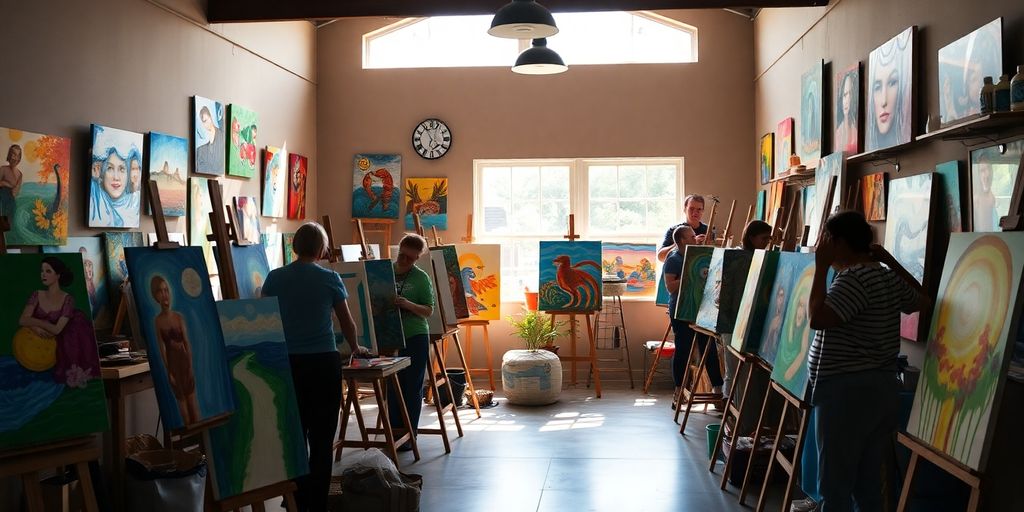
Local art classes often culminate in opportunities for students to display their creations. These exhibitions are a fantastic way for budding artists to gain confidence and receive feedback from the community. It’s a chance to see your hard work on display and celebrate your artistic journey with friends and family. Many studios organize these events, turning them into lively gatherings with refreshments and music. It’s not just about showing off; it’s about building a supportive network.
Participating in Community Art Fairs
Fort Worth has a vibrant arts scene, and community art fairs are a big part of it. Taking part in these fairs can be an exciting step for art students. Here’s what you might expect:
- Setting up a booth to display and sell your artwork.
- Interacting with potential buyers and fellow artists.
- Gaining exposure in the local art market.
- Learning about pricing and marketing your art.
Participating in art fairs is more than just selling art; it’s about becoming part of the community. It’s a chance to get your name out there, see what other artists are doing, and maybe even make some sales. Plus, it’s a lot of fun!
Networking with Local Artists
Taking art classes provides a natural environment for artistic networking. You’ll be surrounded by instructors and fellow students who share your passion. These connections can lead to collaborations, mentorships, and new opportunities. Don’t be shy – strike up conversations, share your work, and learn from others. You never know where these relationships might lead. Here’s a simple guide to networking:
- Attend local art events and openings.
- Join art-related social media groups.
- Participate in workshops and artist talks.
Wrap-Up: Your Artistic Journey Awaits
So there you have it! Fort Worth has a bunch of great art classes for everyone, whether you’re just starting out or looking to refine your skills. From painting to mixed media, there’s something for every creative spirit. Don’t hesitate to explore these options and find a class that fits your style. Grab your brushes, unleash your creativity, and who knows? You might just discover a hidden talent. Sign up today and start your artistic adventure!
Frequently Asked Questions
What types of painting classes are offered in Fort Worth?
In Fort Worth, you can find classes for beginners, advanced techniques for skilled artists, and special workshops that focus on different themes.
Are the art classes suitable for children?
Yes, there are many fun and engaging art classes designed specifically for kids and families.
Do I need to bring my own materials to class?
Most classes provide all the materials you need, so you just have to bring your creativity and a smile!
How do I know which class is right for me?
Consider your skill level, the type of medium you want to work with, and the class schedule that fits your availability.
Can I take a class if I have no experience?
Absolutely! There are beginner classes available for anyone who wants to start learning how to paint.
What can I expect on my first day of class?
You will get a warm welcome, an overview of the class, and guidance from the instructor as you create your first piece of art.





 PERFECT PAINTER
Leave a comment