
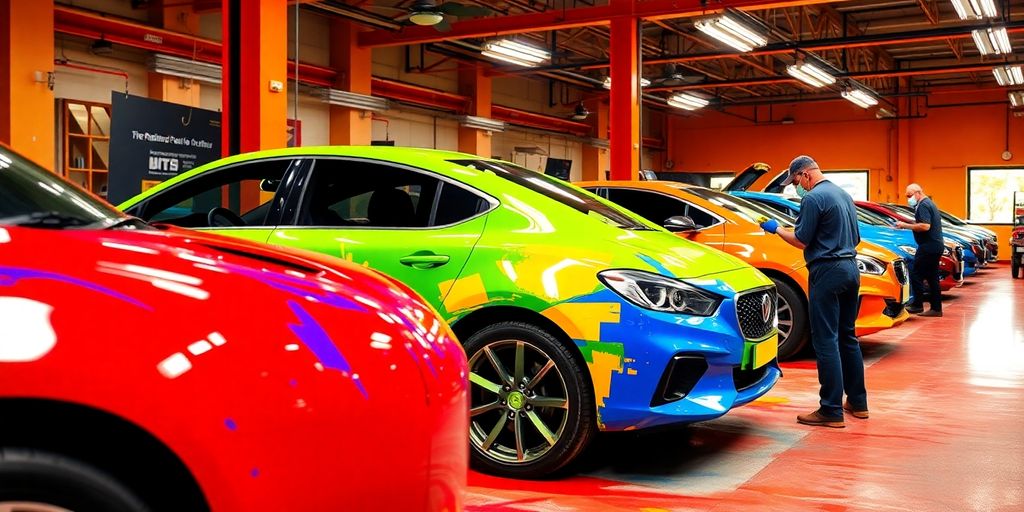
If you’ve ever marveled at a perfectly painted car, you might be curious about the folks who make that happen. Car painting jobs are a unique blend of creativity and technical skill, offering a range of opportunities for those interested in the automotive industry. As we look ahead to 2025, it’s clear that the landscape is changing, with new technologies and trends shaping the future of this field. From electric vehicles to eco-friendly practices, there’s a lot to explore for aspiring car painters.
Key Takeaways
- Car painting jobs mix artistry with technical know-how, making for a rewarding career.
- There are various paths to take, from beginner roles to specialized positions in custom and eco-friendly painting.
- Gaining certifications and training can help you stand out in this competitive job market.
- The rise of electric vehicles and sustainable practices is influencing the future of automotive painting.
- Networking and keeping up with industry trends are crucial for long-term success.
The Future of Car Painting Jobs in the Automotive Industry
Impact of Electric Vehicles on Painting Jobs
Electric vehicles are changing the game, and that includes how we paint cars. It’s not just about slapping on a new color anymore. With EVs, we’re seeing different materials used for the car bodies, like lighter stuff such as composites and aluminum. These materials need special preparation and painting techniques, so painters will have to learn new skills. Keeping up with these changes is super important.
Technological Advancements in Auto Painting
Tech is making a big splash in auto painting. We’re talking robots and AI doing stuff like applying paint evenly and cutting down on waste. But don’t worry, this doesn’t mean painters are out of a job. Instead, it opens up new roles, like programming and keeping those high-tech tools running. Some shops are even playing around with 3D printing for custom designs, which could make painting even more specialized.
Sustainability and Green Practices in the Field
Going green is a big deal, and the auto painting world is no exception. Water-based paints and low-VOC coatings are becoming the norm. Plus, there’s a growing trend of recycling leftover paint and solvents. If you’re into sustainability, this could be a cool area to get into, because eco-friendly solutions are only going to get more important.
The future of car painting isn’t just about applying paint—it’s about adapting to new materials, mastering advanced tools, and embracing sustainable practices. If you’re ready to learn and evolve, the opportunities are endless.
The Role of Paint Technicians in the Automotive Industry
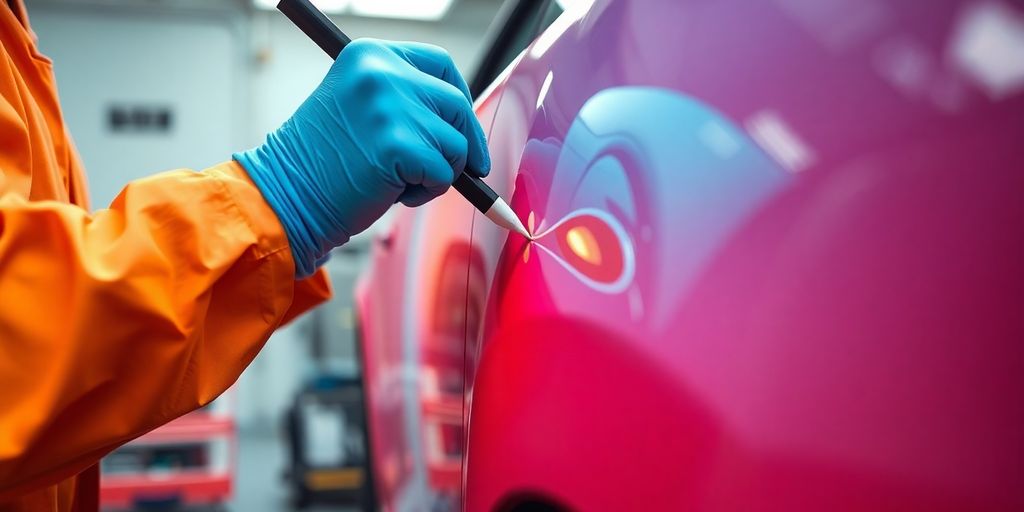
If you’ve ever stopped to admire a car with a flawless paint job, you might wonder about the people who make it happen. Being a paint technician isn’t just a job; it’s a blend of art and technical skill. It takes patience and a keen eye for detail. For anyone thinking about getting into this field, there are lots of different paths to explore. From working in busy auto shops to doing freelance custom work, the world of painting cars jobs is wide open.
Key Responsibilities of Paint Technicians
Paint technicians are like the artists of the car world, turning ordinary vehicles into something special with their skills. It’s more than just slapping on some color. Here’s what they usually do:
- Getting surfaces ready: This means cleaning, sanding, and priming the car so the paint sticks well.
- Matching colors: They mix paints to get the exact right shade, often using computers.
- Applying paint: They use tools like spray guns to make sure the paint goes on evenly.
- Finishing touches: This includes polishing and adding protective coatings to make the car look brand new.
It’s a mix of technical know-how and artistic talent that makes the job interesting.
Skills Required for Success
Being a good paint technician takes more than just a steady hand. You need to know your stuff. Here are some key skills:
- Knowing about different kinds of paints and how to use them.
- Understanding safety rules when working with chemicals and tools.
- Being able to solve problems, like dealing with uneven surfaces or color problems.
The automotive painting industry is a perfect mix of old-school techniques and new technology. It’s a great career for people who are willing to learn and grow.
Career Advancement Opportunities
If you’re looking to move up in the auto painting world, there are a few things you can do. Getting certified is a big one. Organizations like ASE (Automotive Service Excellence) offer certifications that show you know your stuff. Also, staying up-to-date with the latest automotive painting techniques and technologies is important. This could mean taking courses or going to workshops. And don’t forget about networking! Getting to know other people in the industry can open doors to new opportunities. Here’s a quick look at some possible career paths:
| Career Path | Description
Career Pathways for Painting Cars Jobs
Entry-Level Opportunities in Auto Painting
So, you want to paint cars? Awesome! Most people get their start as apprentices or trainees. Think of it as learning the ropes while getting paid. You’ll be in auto body shops or dealerships, prepping surfaces, mixing paints, and getting the hang of spray techniques. It’s a hands-on way to build a solid base.
Here’s what you might be doing:
- Sanding down cars.
- Helping senior painters with, well, painting.
- Keeping the tools clean. Super important.
To get started, you’ll probably need a high school diploma or equivalent. Some places might want to see some GCSE qualifications, but it varies.
Specialized Roles in Custom Painting
Want to take things up a notch? Custom painting is where it’s at. This is where you get to be creative, doing things like airbrushing, creating unique designs, and working with specialized paints. It’s not just about slapping on a coat of color; it’s about making art on wheels.
- Mastering airbrush techniques.
- Creating custom graphics and designs.
- Working with different types of paints and finishes.
Advancement through Certifications and Training
Certifications can really help you stand out. Organizations like I-CAR or ASE offer programs that show you know your stuff. Plus, the industry is always changing, so keeping up with the latest techniques and technologies is key.
- Getting certified by industry organizations.
- Taking courses on new painting technologies.
- Attending workshops and seminars.
The automotive painting industry is a mix of old-school skills and new tech. If you’re willing to learn and adapt, you’ll go far.
Exploring Work Environments for Painting Cars Jobs
Working in Auto Body Shops
Auto body shops? They’re usually the first place people think of when it comes to car painting jobs. These shops handle everything, from tiny scratches to full-on, total repaints. Painters here are often working fast, juggling a bunch of different projects at the same time. You’ve got to be precise, because customers want their cars looking brand new. A normal day might involve getting surfaces ready, mixing up paint, and spraying on coats. Lots of shops also let you learn other skills, like fixing dents or doing custom detailing.
Opportunities in Manufacturing Plants
Manufacturing plants offer a more structured kind of place to work. Here, it’s all about being efficient and doing things the same way every time. Painters usually work on an assembly line, putting paint on new cars. It’s pretty automated, but you still need people to do touch-ups. People working in these plants usually have steady hours and get to use fancy painting tech. Some plants even have training programs to help you get better at what you do.
Freelance and Contract-Based Painting Jobs
If you like being your own boss, doing freelance or contract work could be a good fit. Freelancers often do custom jobs, like fixing up old cars or making cool paint designs. It lets you be creative, but you’ve got to be good at managing your time and getting your name out there. You’ll need to buy your own equipment and have a place to work, which can cost a bit at first, but it can pay off. Getting a good group of clients is super important if you want to make it work.
No matter if you like a busy shop, a plant where everything’s organized, or being your own boss, there’s a spot for you in the car painting world.
Emerging Trends in Automotive Painting
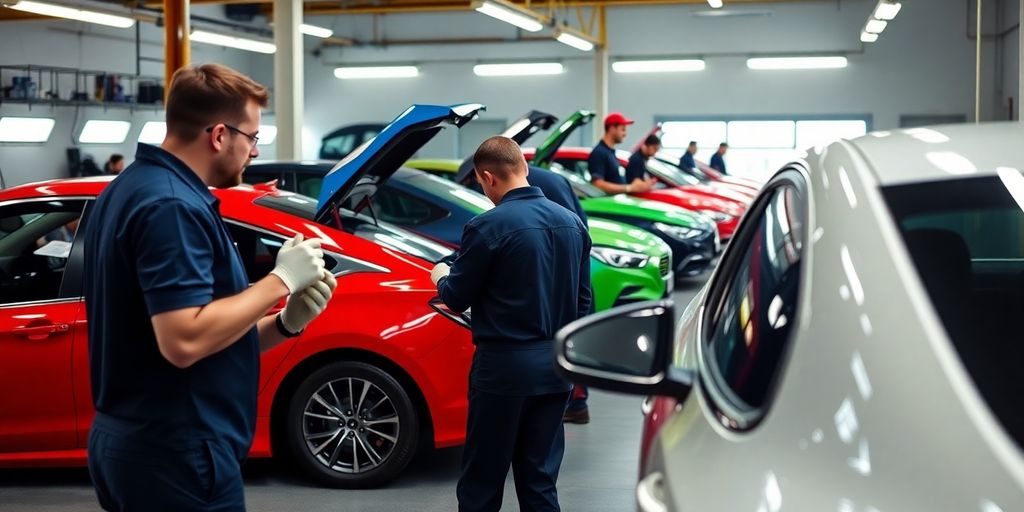
Eco-Friendly Solutions
The automotive painting world is getting a green makeover! More and more shops are ditching the old stuff and switching to eco-friendly paints that are better for the environment. Water-based paints are becoming super popular because they cut down on harmful emissions. Plus, there’s a growing trend of recycling leftover paint and solvents. It’s all about reducing our footprint, one car at a time.
- Lower VOC emissions
- Reduced waste through recycling programs
- Safer for technicians
Technology Integration in Painting Processes
Technology is changing how cars get their shine. Automated systems and AI tools are now being used to make the painting process more precise and efficient. Robots can apply coats evenly and minimize waste. This doesn’t mean human painters are going away, but it does mean they’ll need to learn how to work with these new technologies. It’s a whole new level of car painting!
Demand for Custom Designs
People want their cars to stand out, and that means custom designs are in high demand. From personalized graphics to unique finishes, car owners are looking for ways to make their vehicles one-of-a-kind. This trend is creating opportunities for painters with artistic skills and a flair for creativity. If you can dream it, they can paint it!
The future of car painting isn’t just about applying paint—it’s about embracing new technologies, adopting sustainable practices, and catering to the growing demand for personalized designs.
How to Build a Successful Career in Painting Cars
Tips for Aspiring Auto Painters
So, you want to make a name for yourself in the world of car painting? It’s totally doable, but it takes more than just a steady hand. Let’s break down some tips to get you moving in the right direction.
First off, nail the basics. I’m talking surface prep, paint application, and safety. Seriously, don’t skip the safety part – those fumes are no joke. Think about signing up for a car painting course to get a solid foundation.
Next, get your hands dirty. An apprenticeship or even an entry-level gig is gold. You’ll learn so much on the job, like how to actually use a spray gun and match colors without messing it up.
And, yeah, invest in decent tools. A good spray gun can make all the difference.
- Master the fundamentals of surface preparation and paint application.
- Gain practical experience through apprenticeships or entry-level positions.
- Invest in quality tools and equipment for optimal results.
Don’t rush things. This craft takes time to master, and every mistake is a chance to learn something new.
Keep learning! The industry is always changing, so you need to keep up.
- Read industry news to stay informed about trends and technologies.
- Take advanced courses to specialize in areas like eco-friendly paints.
- Experiment with new techniques to stand out in the field.
Remember, success in auto painting isn’t just about skill—it’s about persistence, passion, and staying curious.
Importance of Networking in the Industry
Networking is huge. Go to trade shows, join online forums, and connect with other painters. You never know where your next opportunity will come from. Plus, it’s always good to have people to bounce ideas off of.
- Attend industry trade shows and events.
- Join online forums and communities for auto painters.
- Connect with other professionals to exchange ideas and opportunities.
Networking can open doors you didn’t even know existed. It’s not just about getting a job; it’s about building relationships and learning from others.
Continuing Education and Skill Development
The car painting world is always changing. New paints, new techniques, new regulations – it never stops. That’s why continuing education is so important.
- Attend workshops and seminars to learn about new products and techniques.
- Pursue certifications from organizations like I-CAR or ASE to demonstrate expertise.
- Stay updated on industry trends and regulations to remain competitive.
Staying on top of your game means you’ll be ready for anything the industry throws at you. Plus, it shows employers that you’re serious about your career. Electric vehicles are changing the materials used for car bodies, so staying ahead of the curve is important.
Wrapping Up the Journey in Car Painting
So, there you have it. The world of car painting is full of chances and changes. Whether you’re just starting out or thinking about a shift in your career, there’s a spot for you here. From the joy of seeing a freshly painted car to the excitement of learning new techniques, this field has a lot to offer. With trends like electric vehicles and eco-friendly practices on the rise, staying updated is key. If you love cars and enjoy working with your hands, this could be the perfect path for you. The future is bright, and it’s yours to shape.
Frequently Asked Questions
What does a car paint technician do?
A car paint technician prepares and paints vehicles. They make sure the paint goes on smoothly, fix scratches or dents, and match colors correctly.
What skills do you need to be a car painter?
Car painters need to pay attention to details, know about different types of paint and tools, have steady hands, and follow safety rules. Being creative is also helpful for custom designs.
Do you need certifications for auto painting jobs?
Certifications aren’t always required, but getting certified can improve your chances of getting hired and show that you know your stuff in auto painting.
What are the chances for career growth in car painting?
You can start as a technician and move up to become a lead painter, shop supervisor, or even open your own shop. Specializing in custom or eco-friendly painting can also help you grow.
Is working in automotive painting physically tough?
Yes, it can be. You often have to stand for long hours, wear protective gear, and work in well-ventilated areas to avoid harmful fumes.
What trends are changing the future of car painting?
Trends like eco-friendly paints, automation in painting processes, and the rise of electric vehicles are shaping the industry. Staying updated on these trends is important.





 PERFECT PAINTER
Leave a comment