

Are you on the hunt for the best floor tile stores near you? Whether you’re renovating your home or just looking to update a space, finding the right tile store can make a world of difference. In 2025, there are plenty of options available, both locally and online. This guide will help you navigate through the choices, understand different tile types, and find the best deals. Let’s get started!
Key Takeaways
- Shopping locally supports your community and often provides personalized service.
- Understanding different tile materials helps you choose the best fit for your project.
- Online shopping offers convenience, but visiting stores allows you to see and feel the tiles in person.
- Comparing prices and looking for sales can save you money on your tile purchase.
- Good customer service is key when dealing with tile stores, especially for installation questions.
Exploring Local Floor Tile Stores
Benefits of Shopping Locally
Okay, so you’re thinking about new floor tiles. Why even bother going to a local store when you can just order online? Well, there are actually some pretty good reasons. For starters, you get to see and feel the tile before you buy it. Pictures online can be deceiving, and that color that looked perfect on your screen might be totally off in real life. Shopping locally lets you avoid that whole mess.
Plus, you’re supporting businesses in your community, which is always a good thing. And let’s not forget the instant gratification factor – no waiting around for shipping! You can pick up your tiles and get started on your project right away. It’s also easier to deal with returns or exchanges if something goes wrong. No need to package everything back up and ship it off; just pop back into the store.
Top Local Stores to Visit
Alright, so where should you actually go? It really depends on what you’re looking for. If you want a huge selection and don’t mind a warehouse vibe, check out the big box stores like Home Depot or Lowe’s. They usually have a decent range of tile flooring trends at competitive prices. But if you’re after something a bit more unique or high-end, you might want to visit a specialty tile shop. These places often have knowledgeable staff who can offer design advice, and they carry brands you won’t find anywhere else. The Tile Shop is a good option, with showrooms where you can see different styles. Don’t forget to check out smaller, independent stores too. They might have hidden gems and offer a more personalized experience. Concrete Collaborative is another place to consider, especially if you’re into terrazzo.
How to Choose the Right Store
Choosing the right tile store is more than just picking the closest one. Think about what’s important to you. Is it price? Selection? Customer service? Do you need design help, or do you already know exactly what you want? Once you’ve figured that out, start doing some research. Read online reviews, ask friends for recommendations, and visit a few different stores to get a feel for their vibe. Pay attention to how the staff treats you. Are they helpful and knowledgeable, or do they seem disinterested? Do they offer samples? Can they help you calculate how much tile you need? These are all important factors to consider. Also, think about whether you want to shop at a place that offers expert advice and affordable products for your kitchen backsplash. Ultimately, the best store for you is the one that meets your specific needs and makes you feel comfortable and confident in your purchase.
Finding the right store can feel overwhelming, but it’s worth the effort. Take your time, do your research, and don’t be afraid to ask questions. The perfect tile is out there, and the right store will help you find it.
Understanding Tile Types and Materials
Choosing the right tile can feel like a big deal. There are so many options, and it’s easy to get lost in all the details. Let’s break down the main types of tiles you’ll find, so you can make a smart choice for your project.
Ceramic vs. Porcelain Tiles
Okay, so what’s the difference? Both are made from clay and fired in a kiln, but porcelain is the tougher cousin. Porcelain tiles are fired at higher temperatures and are denser, making them less porous and more resistant to water. This makes them great for bathrooms, kitchens, and even outdoor spaces. Ceramic is good for lighter-use areas like walls or low-traffic floors.
Here’s a quick comparison:
| Feature | Ceramic Tile | Porcelain Tile |
|---|---|---|
| Water Absorption | Higher | Lower |
| Durability | Lower | Higher |
| Cost | Lower | Higher |
| Best For | Walls, light floors | Floors, walls, outdoors |
Natural Stone Options
If you want a really unique look, natural stone is the way to go. Think granite, marble, slate, and travertine. Each stone has its own natural variations, so no two tiles will be exactly alike. It’s a beautiful option, but it does come with some things to keep in mind:
- Natural stone needs to be sealed to protect it from stains and water damage.
- Some stones are softer than others and can scratch more easily.
- It can be more expensive than ceramic or porcelain.
Natural stone brings a touch of luxury and timelessness to any space. The unique patterns and colors found in each piece add character that manufactured tiles simply can’t replicate. However, be prepared for the extra maintenance and potential costs associated with these materials.
Vinyl and Laminate Choices
Vinyl and laminate tiles are popular because they’re affordable and easy to install. They’re also good at resisting water and scratches, making them a solid choice for busy households. Plus, you can find them in styles that mimic wood, stone, and other materials. If you are looking for floor tile patterns, these are a great option.
Here’s why people like them:
- Cost-effective: Usually cheaper than ceramic, porcelain, or stone.
- Easy to install: Many options come with click-lock systems for DIY projects.
- Water-resistant: Good for kitchens and bathrooms.
Online vs. In-Store Shopping Experience
Advantages of Online Shopping
Okay, let’s be real, shopping online is just easy. You can browse thousands of different tiles in your pajamas at 3 AM if you want. No pushy salespeople, no driving around, and usually, a bigger selection than any brick-and-mortar store could ever offer. Plus, price comparison is a breeze. A few clicks and you know exactly who has the best deal.
- Huge selection available.
- Convenience of shopping anytime, anywhere.
- Easy price comparison.
Benefits of In-Person Visits
But hold on, don’t count out the in-store experience just yet. There’s something to be said for seeing and feeling the tile before you commit. Colors can look totally different on a screen, and you really need to touch the texture to know if you like it. Plus, you can get immediate advice from store staff. They can help you with everything from choosing the right grout to calculating how much tile you need.
- See and feel the tile before buying.
- Get expert advice from store staff.
- Avoid the hassle of returns if you don’t like the tile.
How to Navigate Online Stores
So, you’re going the online route? Smart move. But here’s the thing: online tile stores can be overwhelming. Start by filtering your search. Know what kind of tile you want (ceramic, porcelain, etc.), the size, the color, and your budget. Read reviews! See what other customers are saying about the quality and the company’s customer service. And always, always order samples. It’s a small price to pay to avoid a major flooring disaster. Some places, like The Tile Shop, even offer design consultation online or in person.
Don’t be afraid to ask questions. Most online stores have customer service reps who can help you with everything from choosing the right tile to figuring out shipping costs. Use them! That’s what they are there for.
Finding Quality and Affordable Tiles
Identifying Reputable Brands
Okay, so you’re on the hunt for tiles that won’t fall apart after a few months and also won’t empty your bank account. Makes sense! One of the first things I do is look into the brands themselves. Are they known for lasting a long time? Do they have good reviews? It’s worth spending a little time researching. Look for brands that have been around for a while and have a solid reputation for quality. Don’t be afraid to check out smaller, lesser-known brands too, sometimes they offer amazing quality at a better price. Just make sure to read reviews and see what other people are saying about their experiences. You can also ask for recommendations on bathroom tile trends from friends or family who have recently renovated their homes.
Price Comparison Tips
Comparing prices is key to finding affordable tiles without sacrificing quality. I usually start by checking out a few different stores, both online and in person. Make a list of the tiles you like and their prices at each store. Don’t forget to factor in shipping costs if you’re buying online. Also, pay attention to the tile grade. Higher grades are more durable but also more expensive. If you’re tiling a high-traffic area, it might be worth spending a little extra for a higher grade. But for a less-used area, you might be able to get away with a lower grade and save some money. Here’s a quick example:
| Tile Type | Store A Price (per sq ft) | Store B Price (per sq ft) | Store C Price (per sq ft) |
|---|---|---|---|
| Ceramic | $2.50 | $2.75 | $2.25 |
| Porcelain | $3.50 | $3.25 | $3.75 |
| Natural Stone | $8.00 | $7.50 | $8.50 |
Sales and Discounts to Look For
Always be on the lookout for sales and discounts! Here are some things to keep in mind:
- Holiday Sales: Many stores offer big discounts during holidays like Memorial Day, Labor Day, and Black Friday.
- Clearance Sections: Check out the clearance sections in stores. You might find exactly what you need at a fraction of the price.
- Bulk Discounts: If you’re tiling a large area, ask if the store offers bulk discounts. You might be able to save a significant amount of money.
- Online Coupons: Before you buy anything online, search for coupon codes. You might be surprised at how many discounts you can find.
Don’t be afraid to negotiate! Especially if you’re buying a large quantity of tiles, you might be able to haggle for a better price. It never hurts to ask. Also, consider buying slightly more tile than you need. It’s always better to have extra tiles on hand in case of breakage or future repairs. Running out of tile in the middle of a project is a major headache.
Expert Tips for Tile Installation
DIY Installation vs. Hiring Professionals
So, you’re thinking about laying some tile? Awesome! One of the first big decisions is whether to tackle the job yourself or bring in a pro. Doing it yourself can save money, but it also demands time, patience, and a decent amount of skill. Messing up can lead to costly do-overs, trust me. Hiring someone means shelling out more upfront, but you’re paying for expertise and a guarantee that the job will be done right.
- DIY Pros: Cost savings, flexibility, personal satisfaction.
- DIY Cons: Time commitment, potential for errors, tool investment.
- Professional Pros: Expertise, efficiency, warranty.
- Professional Cons: Higher cost, scheduling constraints.
I remember when I tried to tile my bathroom floor myself. It looked okay at first, but within a few months, I had cracked tiles and uneven grout lines everywhere. Ended up having to pay someone to redo the whole thing anyway. Lesson learned: sometimes it’s worth it to pay for quality from the start.
Essential Tools for Installation
Alright, if you’re going the DIY route, you’ll need the right tools. Don’t skimp on these; having quality equipment makes a huge difference. Here’s a basic list to get you started:
- Tile Cutter: For making clean, precise cuts. A wet saw is ideal for porcelain or stone.
- Trowel: Choose the right size for your tile to ensure proper mortar coverage.
- Spacers: These little guys are key for consistent grout lines.
- Level: Absolutely crucial for a flat, even surface. Don’t even think about skipping this.
- Rubber Mallet: For gently tapping tiles into place.
- Grout Float: For applying grout smoothly and evenly.
- Buckets and Sponges: For mixing mortar and cleaning up excess grout.
Common Mistakes to Avoid
Okay, let’s talk about some pitfalls to sidestep. These are the things that can turn a tiling project into a total headache. First, not prepping the subfloor properly. A level, clean subfloor is the foundation of a good tile job. Also, using the wrong mortar or grout. Make sure you choose products that are compatible with your tile type and the environment (e.g., wet areas). Finally, rushing the job. Take your time, double-check your work, and don’t cut corners.
| Mistake | Consequence |
|---|---|
| Uneven Subfloor | Cracked tiles, uneven surface |
| Incorrect Mortar/Grout | Poor adhesion, staining, water damage |
| Rushing the Installation | Misaligned tiles, inconsistent grout lines |
Before you start, it’s a good idea to check out resources that provide warning signs of unqualified contractors. This can help you avoid potential issues if you decide to hire someone after all.
Customer Service and Support
Importance of Good Customer Service
Let’s be real, nobody wants to deal with bad customer service, especially when you’re dropping serious cash on floor tiles. It can make or break your entire experience. Think about it: you’re already stressed about renovations, and the last thing you need is a store that doesn’t care about your questions or concerns. Good customer service builds trust and loyalty. If a store treats you well, you’re way more likely to go back and recommend them to your friends.
How to Get Help with Your Purchase
Okay, so you’ve got a problem or a question. What now? Most places offer a bunch of ways to get in touch. Here’s the lowdown:
- In-Person: Head back to the store. This is great if you need to show them something or want a quick answer.
- Phone: Call them up. Usually faster than email for urgent stuff.
- Email: Send an email. Good for detailed questions or if you need to send pictures.
- Live Chat: Check their website. Many stores have live chat for instant help.
Don’t be afraid to ask questions, even if you think they’re dumb. It’s better to be sure than to mess something up. And if you’re not happy with the answer you get, don’t be afraid to ask to speak to someone else.
Return Policies and Guarantees
Before you buy anything, make sure you understand the store’s return policy. What if you get the tiles home and they’re the wrong color? Or what if they’re damaged? Here’s what to look for:
- Return Window: How long do you have to return the tiles?
- Condition: Do the tiles need to be unopened and in perfect condition?
- Restocking Fee: Will you have to pay a fee to return them?
- Guarantees: Does the store offer any guarantees on their products? For example, if the tiles crack within a certain time, will they replace them?
Knowing the shipping policy and return policies upfront can save you a lot of headaches later on. Always read the fine print!
Trends in Floor Tile Design for 2025
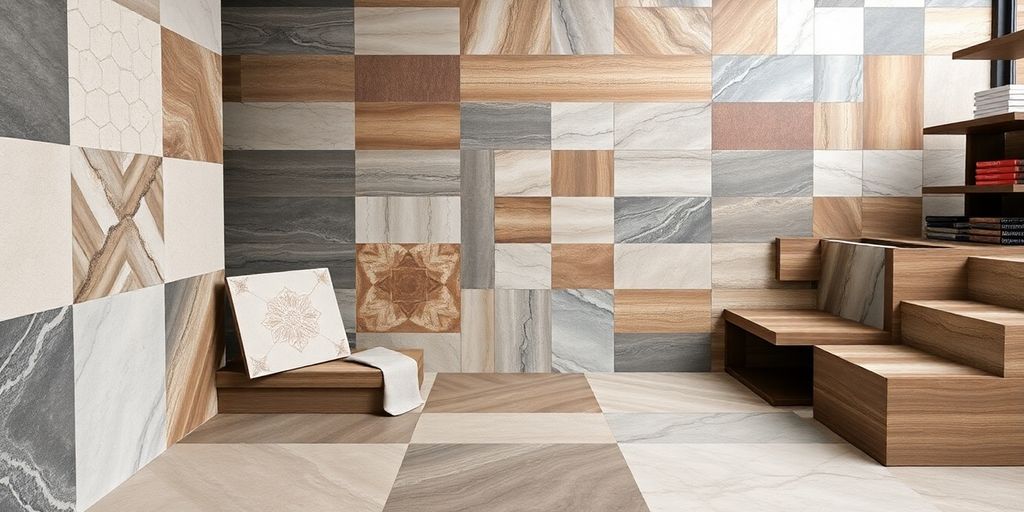
If you want fresh ideas, check out the top floor tile trends that are shaking up homes this year.
Popular Colors and Patterns
Homeowners are moving away from plain neutrals and trying bolder looks. You’ll see:
- Earthy greens and rust tones that bring warmth.
- Graphic black-and-white patterns for a modern twist.
- Soft pastels in herringbone or chevron layouts.
- Mini mosaics in random shapes for a handcrafted feel.
Sustainable Tile Options
Many brands now offer eco-friendly choices made from recycled or natural materials.
I swapped out old ceramic for recycled glass tiles last spring, and it’s still my favorite part of the room.
| Tile Type | Main Material | Eco Benefit |
|---|---|---|
| Recycled glass | Post-consumer glass | Less landfill waste |
| Bamboo porcelain | Bamboo fiber mix | Fast-growing resource |
| Clay with low VOC | Natural clay + glaze | Better indoor air quality |
Eco-friendly choices can make a big difference in your home’s look and the planet.
Innovative Tile Technologies
New tech is making tiles tougher, easier to clean, and more eye-catching:
- Large-format slabs that cut grout lines in half.
- Self-healing glazes that hide small scratches.
- Textured 3D tiles that add depth to floors and walls.
- Anti-slip coatings for wet areas, tested by the foot.
Wrapping It Up
So, there you have it! Finding the best floor tile stores near you doesn’t have to be a headache. Whether you prefer shopping online or hitting up local shops, there are plenty of options to explore. Remember to check out customer reviews, look for reputable brands, and don’t hesitate to ask for help if you need it. With the right information and a bit of planning, you’ll be well on your way to picking the perfect tiles for your space. Happy tile hunting!
Frequently Asked Questions
What are the benefits of shopping for tiles locally?
Shopping locally lets you see the tiles in person, ask questions directly, and support your community.
How do I choose the right type of tile for my project?
Consider the room’s purpose, the tile’s durability, and your style preference. Each type of tile has different qualities.
Is it better to buy tiles online or in-store?
It depends on your needs. Online shopping is convenient and often has more options, while in-store shopping allows you to see and feel the tiles.
What should I look for when comparing tile prices?
Check the quality of the tiles, the brand reputation, and any sales or discounts available to get the best deal.
Can I install tiles myself, or should I hire a professional?
If you have some DIY skills, you can try installing tiles yourself. However, hiring a professional can ensure a better finish.
What if I need to return tiles after buying them?
Most stores have return policies, but it’s important to check them before purchasing to understand the conditions.





 PERFECT PAINTER
Leave a comment