

Wall art decor has the incredible ability to completely change the feel of any room. With the right pieces and arrangements, you can transform a dull space into a vibrant one that reflects your personality. Whether you’re looking to make a bold statement or just add a little charm, there are so many creative ideas to explore. Let’s take a look at some ways to revamp your walls and make them truly yours!
Key Takeaways
- Art can create eye-catching focal points in a room.
- Mixing different frame styles adds character and interest.
- Social media is a great source for wall art ideas.
- Try out various layouts before hanging your art.
- Incorporating different textures makes your display more dynamic.
How Thoughtful Wall Arrangements Can Redefine Your Space
Wall art can totally transform a room. How you set it up can make a simple space feel artistic. It’s not just about hanging one picture; it’s about playing with how things look together. Think about trying different setups to show off your style. It’s about finding the perfect balance between the art and the room.
Creating Focal Points with Art
Art can really grab your attention when you walk into a room. It’s like giving the room a personality. You can use a big piece of art or a group of smaller ones to draw people’s eyes to a certain spot. It’s a simple way to make a statement and show off what you like.
Enhancing Room Flow and Mood
Wall art isn’t just about looking pretty; it can actually change how you feel in a room. The right art in the right spot can make a small room feel bigger, or a boring room feel exciting. It’s all about creating a vibe. Think about the colors and the subject of the art – do they make you feel calm, energized, or something else? That’s how you control the mood.
Experimenting with Layouts
Don’t just slap some art on the wall and call it a day. Try different layouts before you commit. Lay the pieces on the floor and move them around until you find something that clicks. Consider these points:
- Symmetry: A balanced look with matching pieces on either side.
- Asymmetry: A more casual, dynamic feel with different sizes and shapes.
- Gallery Wall: A collection of pieces that tell a story.
It’s easy to get caught up in what looks good to others, but the most important thing is how the art makes you feel. If you love it, that’s all that matters. Don’t be afraid to break the rules and create something that’s uniquely you. After all, it’s your space, and your walls should reflect your personality.
Incorporating Different Textures in Wall Art Decor
Using Fabric and Textile Art
I’ve been seeing more and more folks use fabric and textiles as wall art, and honestly, I’m all for it. It’s such a neat way to bring warmth and depth into a room. Think beyond just framed prints – I’m talking woven wall hangings, macrame, even quilted pieces. The texture instantly makes a space feel cozier and more inviting. You can find some really unique DIY art projects online, or even try making your own. It’s a great way to personalize your space and add a touch of your own creativity.
Combining 3D Elements with Paintings
Okay, this is where things get interesting. Forget flat, two-dimensional art – let’s bring in some 3D elements! Imagine a painting with small, sculptural additions that pop off the canvas. It could be anything from small wooden shapes to metal accents or even natural elements like dried flowers. This adds a whole new layer of visual interest and makes the artwork truly stand out. It’s a bold move, but when done right, it can be absolutely stunning. Just be sure to consider the overall balance and composition so it doesn’t feel too cluttered.
Layering Different Materials for Depth
Layering is key when it comes to creating depth in your wall art. Think about combining different materials like wood, metal, glass, and fabric to create a multi-dimensional effect. For example, you could layer a piece of grasscloth behind a framed print to add texture and visual interest. Or, you could create a collage using different types of paper, fabric scraps, and other found objects. The possibilities are endless! The goal is to create a piece that feels rich, complex, and full of character.
I’ve found that experimenting with different textures can really transform a space. It’s all about finding the right balance and creating a cohesive look that reflects your personal style. Don’t be afraid to mix and match different materials and techniques to create something truly unique.
Utilizing Color Theory in Wall Art Decor
Color can really change how a room feels, and your wall art is a great way to play with that. It’s not just about picking pretty pictures; it’s about how those colors work together and with the rest of your space. Let’s look at how to use color theory to make your walls pop (or blend in, if that’s what you’re going for!).
Choosing a Color Palette for Your Space
Think about the mood you want to create. Do you want something calm and relaxing, or something energetic and vibrant? That’ll guide your color choices. Look at the existing colors in your room – the walls, furniture, and floors. You want your art to complement those, not clash with them.
- Consider a monochromatic palette for a serene feel. This involves using different shades and tints of a single color.
- Analogous colors (those next to each other on the color wheel) create harmony and a sense of calm.
- Don’t be afraid to use online tools or apps to help you visualize different color schemes before you commit.
Picking a color palette isn’t just about what you like; it’s about how those colors interact with the light in your room and the existing elements. Think about the undertones – are they warm or cool? This can make a big difference in how the colors ultimately look.
Creating Contrast with Color
If you want to make a statement, don’t shy away from bold colors. A pop of color can draw the eye and add excitement to a room. But it’s all about balance. You don’t want to overwhelm the space. Consider using accent walls in bathrooms to add a splash of color without overpowering the room.
- Use complementary colors (those opposite each other on the color wheel) for high contrast. Think blue and orange, or red and green.
- Consider the size of the artwork. A large piece in a bold color will have a bigger impact than a small one.
- Use color blocking techniques to create visual interest. This involves pairing solid blocks of contrasting colors.
Harmonizing Art with Room Colors
Sometimes, you want your art to blend in rather than stand out. That’s perfectly fine! The key is to choose colors that harmonize with the existing decor. This creates a cohesive and balanced look. Think about the overall style of your room – is it modern, traditional, or eclectic? Your art should reflect that style.
- Pull colors directly from your existing furniture or textiles. This creates a sense of unity.
- Use neutral colors like gray, beige, or white to create a calming and relaxing backdrop.
- Consider the undertones of your room’s colors and choose art with similar undertones.
Exploring Unique Art Styles for Your Walls
It’s easy to get stuck in a rut with art. Prints from big box stores? Seen them. But your walls are a blank canvas begging for something more interesting. Let’s shake things up and explore some unique art styles that can really make your space pop. Think beyond the ordinary and embrace the unexpected!
Embracing Abstract Art
Abstract art can be intimidating, but it doesn’t have to be. It’s all about feeling, emotion, and interpretation. Don’t worry about "getting it." Just focus on what the piece makes you feel. Does it evoke a sense of calm? Energy? Intrigue? That’s what matters. Abstract art can add a sophisticated and modern touch to any room. You can find abstract art in many places.
Incorporating Photography
Photography is more than just snapshots. Think about incorporating large-scale prints of landscapes, portraits, or even abstract photography. Black and white photography can add a classic and timeless feel, while color photography can bring vibrancy and energy. Consider these points:
- Personal Photos: Blow up some of your favorite personal photos for a sentimental touch.
- Professional Prints: Invest in high-quality prints from talented photographers.
- Themed Collections: Create a collection of photos based on a specific theme, like nature or urban landscapes.
Showcasing Local Artists
Supporting local artists is a fantastic way to add unique and meaningful art to your walls. Visit local galleries, art fairs, and studios to discover talented artists in your area. Not only will you be getting a one-of-a-kind piece, but you’ll also be supporting your community. Plus, you might even get to meet the artist and learn about their inspiration. It’s a win-win! You can find DIY art locally.
I think it’s important to remember that art is subjective. What one person loves, another might not. Don’t be afraid to choose pieces that speak to you, even if they’re not "trendy" or "popular." Your walls should reflect your personality and style, not someone else’s.
Creating a Gallery Wall That Tells a Story
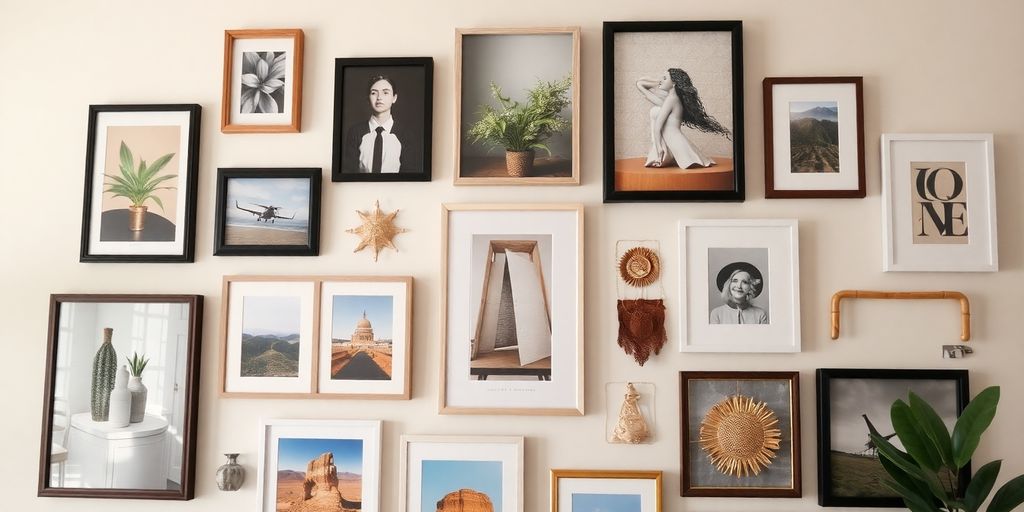
Creating a gallery wall is more than just hanging pictures; it’s about curating a visual narrative that reflects your personality and experiences. It’s a chance to showcase what you love, what inspires you, and what makes you, well, you. It can seem daunting, but with a little planning, you can create a stunning focal point that sparks conversation and adds character to your space.
Selecting a Theme for Your Gallery
Think about what story you want to tell. Choosing a theme provides a cohesive thread that ties all the pieces together. It could be anything from a collection of travel photos to a celebration of your favorite color. Maybe you want to showcase easy painting ideas you’ve tried. Here are some ideas to get you started:
- Family history: Old photos, documents, and heirlooms.
- Travel memories: Postcards, maps, and photos from your adventures.
- A specific color palette: Artworks that share a common color scheme.
Mixing Frame Styles and Sizes
Don’t be afraid to mix it up! A gallery wall shouldn’t be too uniform. Varying the frame styles and sizes adds visual interest and prevents the display from looking too sterile. Consider these tips:
- Combine vintage and modern frames for an eclectic look.
- Use different materials like wood, metal, and even fabric-covered frames.
- Incorporate non-traditional items like mirrors or small sculptures.
Arranging Art for Maximum Impact
Arranging your art is like composing a song – you want to create a rhythm and flow that draws the eye. Before you start hammering nails, lay everything out on the floor to experiment with different arrangements. Here are a few popular layouts:
- Grid layout: A symmetrical arrangement with evenly spaced pieces.
- Salon style: A more free-form arrangement with pieces hung close together.
- Eclectic mix: A combination of different sizes, shapes, and styles.
Remember, there’s no right or wrong way to create a gallery wall. It’s all about expressing your personal style and creating a space that you love. Don’t be afraid to experiment and have fun with it! If you want to hang shallow baskets for a unique touch, go for it!
Maximizing Small Spaces with Wall Art Decor
Small spaces can feel cramped, but the right wall art can actually make them feel bigger and more open. It’s all about using a few tricks to create the illusion of more space. Think about it – a well-placed mirror or a strategically hung piece of art can completely change how a room feels. It’s not about filling every inch of wall space, but about making smart choices that enhance the space you have.
Using Vertical Space Effectively
One of the best ways to maximize space is to use vertical space. Instead of spreading art horizontally, go vertical! This draws the eye upward, making the ceiling seem higher. A tall, narrow piece of art or a series of smaller pieces stacked vertically can work wonders. It’s a simple trick, but it can make a huge difference in how spacious a room feels. You can even use staircases to display art.
Incorporating Mirrors for Depth
Mirrors are your best friend in a small space. They reflect light and create the illusion of depth, making a room feel much larger than it actually is. A large mirror on a wall can double the perceived size of the room. Consider placing a mirror opposite a window to maximize the light and create a brighter, more open feel. It’s a classic trick, but it works every time. You can even use bathroom accent wall ideas to inspire your choices.
Choosing Compact Art Pieces
When you’re working with a small space, size matters. Overly large art pieces can overwhelm the room and make it feel even smaller. Instead, opt for smaller, more compact pieces that fit the scale of the space. A few well-chosen small prints or a single, impactful piece of art can be much more effective than a large, busy gallery wall. It’s all about finding the right balance and not overcrowding the space. You can even hang a pair of floating shelves to display art.
I remember when I moved into my tiny apartment, I felt so claustrophobic. But then I started experimenting with mirrors and vertical art, and it made a world of difference. Suddenly, the space felt much more open and inviting. It’s amazing how much of an impact a few simple changes can make.
Personalizing Your Space with DIY Wall Art
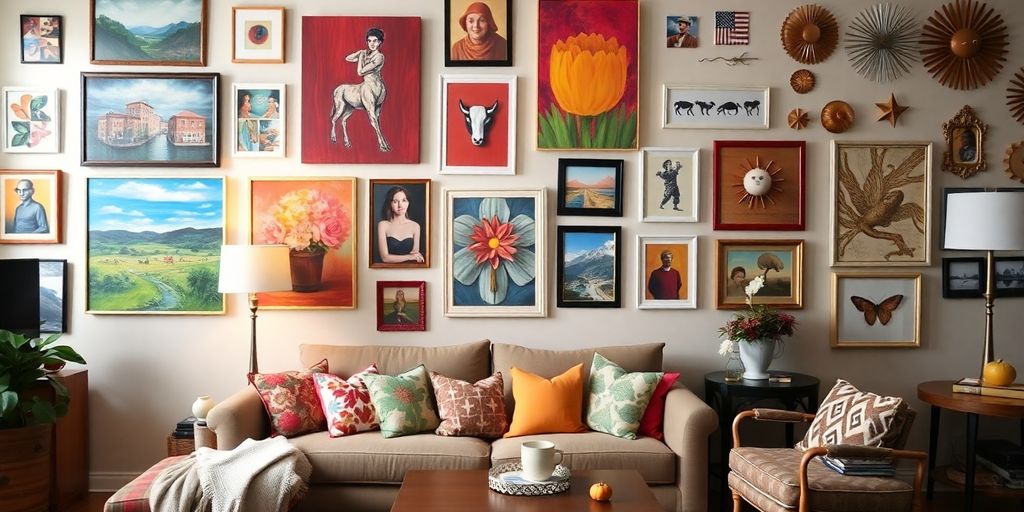
It’s easy to feel like your home looks like everyone else’s. Store-bought art is fine, but it doesn’t scream "you." That’s where DIY wall art comes in! It’s a fantastic way to inject your personality and creativity into your living space. Plus, it can be a lot cheaper than buying art from a store.
Crafting Your Own Art Pieces
Don’t think you need to be a professional artist to create something amazing. There are tons of easy DIY projects you can tackle, even if you’re not particularly crafty. Think about trying some simple watercolor paintings, creating abstract art with acrylics, or even making geometric designs with washi tape. The possibilities are endless! You can find inspiration everywhere – nature, magazines, or even just patterns you see around you. Don’t be afraid to experiment with different techniques and materials. It’s all about having fun and expressing yourself. You can find some really unique DIY art projects online, or even try your hand at making your own. It’s a great way to personalize your space and add a touch of your own creativity.
Repurposing Found Objects
One of my favorite ways to create unique wall art is by repurposing found objects. Old picture frames, vintage maps, even scraps of fabric can be transformed into something beautiful and eye-catching. I once turned an old window frame into a stunning piece of art by adding pressed flowers and some fairy lights. Get creative and think outside the box! Look around your house or hit up some thrift stores to see what treasures you can find. You’d be surprised at what you can create with a little imagination and some elbow grease.
Involving Family in Art Projects
Making art shouldn’t be a solitary activity. Get your family involved! It’s a great way to bond and create lasting memories. Here are some ideas:
- Handprint art: Create a family tree with everyone’s handprints.
- Collaborative painting: Let everyone contribute to a large canvas.
- Upcycled masterpieces: Turn old toys or household items into sculptures together.
Creating art with your family is not just about the finished product; it’s about the process. It’s about spending quality time together, laughing, and creating something meaningful as a team. These are the kinds of memories that you’ll cherish for years to come.
Final Thoughts on Wall Art Decor
In the end, transforming your walls is all about expressing yourself. It doesn’t have to be complicated or expensive. Just grab some art that speaks to you, mix and match styles, and don’t hesitate to try new things. Remember, your space should feel like you, so let your personality shine through. Whether you’re going for a cozy vibe or something bold, have fun with it! And if something doesn’t work out, no big deal—just switch it up! Your walls are a canvas for your creativity, so get out there and make them yours.
Frequently Asked Questions
What are some easy ways to arrange wall art?
You can create a gallery wall with different frame styles, use a triptych for a clean look, or mix sizes for a fun arrangement.
How can I choose the right colors for my wall art?
Pick a color palette that matches your room. You can use bold colors for contrast or choose softer shades to blend in.
What should I consider when hanging art?
Think about the size of the wall and the art. Make sure the pieces are at eye level for the best effect.
What types of materials can I use for wall art?
You can use fabric, wood, metal, and even natural items like plants to create interesting textures.
How do I create a gallery wall?
Select a theme, mix different frame styles and sizes, and arrange the art in a way that tells a story.
Can I make my own wall art?
Absolutely! You can craft your own pieces, repurpose items, or even involve family and friends in DIY projects.



 PERFECT PAINTER
Leave a comment