
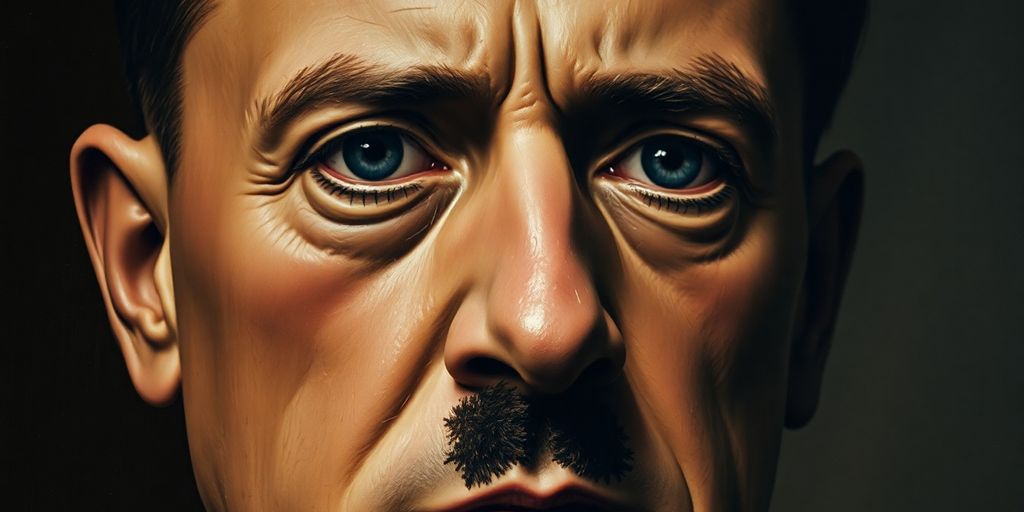
The painting of Hitler has long sparked debate over its true nature—art or propaganda? Created during a time of intense political turmoil, this artwork reflects not just the aesthetics of its era, but also the chilling influence of state-sponsored messaging. As we explore the complexities surrounding this piece, we’ll uncover the historical context, artistic choices, and the lasting impact it has had on society and culture.
Key Takeaways
- The painting of Hitler, notably Hubert Lanzinger’s ‘The Standard Bearer’, was a key piece in Nazi propaganda, aiming to glorify the regime.
- Nazi art was heavily intertwined with propaganda, using exhibitions to shape public perception and promote a specific ideology.
- Controversy surrounds the painting of Hitler, with mixed public reception and criticism from art historians regarding its artistic merit versus its propaganda function.
- Comparing Nazi art to modern art reveals stark contrasts in style and themes, often highlighting heroism and the rejection of perceived degeneracy.
- The legacy of Hitler’s portraits continues to provoke discussion about the role of art in politics and the ethical implications of representing historical figures.
Understanding The Painting Of Hitler
Historical Context
When we talk about paintings of Hitler, it’s important to remember the time they were created. It wasn’t just about art; it was a period of intense political and social change in Germany. Hitler’s rise to power was intertwined with a desire to reshape German culture, and art played a big role in that. Understanding this historical context helps us see these paintings as more than just images; they’re products of a very specific and turbulent era.
- The Weimar Republic’s struggles.
- The rise of the Nazi Party.
- Hitler’s appointment as Chancellor.
Artistic Techniques
Hitler tried his hand at painting, but his skills are often debated. His works generally lack the innovation and skill seen in contemporary art movements. He favored traditional styles, focusing on landscapes and architectural studies. The techniques he used are pretty straightforward, nothing groundbreaking. It’s interesting to compare his style with the art that the Nazis later deemed "degenerate," which was far more experimental and challenging.
Symbolism in the Portrait
Paintings of Hitler, especially those used as propaganda, are packed with symbolism. Think about the colors, the poses, and the settings. These elements were carefully chosen to create a certain image of Hitler – a strong leader, a visionary, a man of the people. The Standard Bearer portrait, for example, shows Hitler in shining armor, evoking images of medieval knights and German heroism. It’s all about crafting a narrative and reinforcing the Nazi ideology.
It’s easy to dismiss these paintings as just bad art, but they were effective tools for shaping public opinion. The Nazis understood the power of images and used them to manipulate emotions and promote their agenda. It’s a reminder that art can be used for good or ill, and it’s important to be aware of the messages it’s sending.
- Use of light and shadow to create a sense of drama.
- Symbolic objects, like flags or weapons.
- Idealized depictions of the German people.
The Role Of Propaganda In Nazi Art
Historical Context
Propaganda isn’t a new thing. Turns out, the Catholic Church actually came up with the term way back in the 1600s to fight against Protestant ideas. Over time, lots of countries have used propaganda, especially during wars, to get everyone on the same side. Even in World War I, both sides were throwing propaganda around like crazy. It’s all about getting people to believe what you want them to believe. The Nazis, though, took it to a whole new level.
Defining Propaganda Art
Propaganda art is basically art that’s designed to push a certain agenda. It’s not really about being beautiful or thought-provoking in the traditional sense; it’s about getting a message across, loud and clear. The Nazis were masters of this. They didn’t care if it was truthful or in good taste. Joseph Goebbels, who was in charge of Nazi propaganda, even said that it shouldn’t be gentle or humble, just successful. Hitler himself believed that propaganda should focus on a few key points and repeat them over and over until everyone understood. Whether it was glorifying their leaders or demonizing their enemies, the goal was always to control what people thought and felt. You can explore a visual essay of primary source propaganda images from Nazi Germany.
The Great German Art Exhibition
The Great German Art Exhibition was a big deal for the Nazis. It was their way of showing what they considered to be "true" German art. This exhibition was meant to showcase art that glorified the Aryan race, traditional values, and the Nazi regime itself. Anything that didn’t fit this mold was labeled as "degenerate" and removed from public view. It was a clear message: this is what we stand for, and anything else is unacceptable. The Nazis used art as a tool to promote their ideology and create a sense of national pride and unity. It was all about shaping public opinion and reinforcing their power. The exhibition was a key part of their propaganda machine, helping them to control the narrative and promote their vision of a perfect Germany.
Impact on Public Perception
Nazi propaganda had a huge impact on how people saw the world. It wasn’t just about changing opinions; it was about shaping identities and creating a sense of belonging. The Nazis used propaganda to define who was "in" and who was "out," glorifying certain groups while demonizing others. This constant barrage of messages influenced the attitudes and actions of Germans in the 1930s, creating a climate of fear and conformity. Some scholars think that propaganda works best when it reinforces beliefs people already have. Here are some questions to consider:
- How did the Nazis use propaganda to define identities?
- What groups did they glorify?
- What stereotypes did they promote?
Propaganda was super important to the Nazi leadership. They thought controlling information was just as important as controlling the military and the economy. They used it to manipulate public sentiment, create a sense of national unity, and justify their actions. It was a powerful tool that helped them to maintain power and carry out their horrific agenda. The Nazi propaganda was designed to build support for their vision of the future of Germany.
Controversies Surrounding The Painting Of Hitler
Public Reception
The reaction to paintings attributed to Hitler is, to put it mildly, complicated. It’s tough to separate the art from the artist, especially when that artist is responsible for unimaginable atrocities. Some people are simply disgusted by the idea of even acknowledging these works as art, viewing it as disrespectful to the victims of the Nazi regime. Others are morbidly curious, wanting to understand the man behind the monster, or perhaps even searching for some hidden meaning in his artistic endeavors. The very act of displaying or discussing these paintings can spark intense debate and outrage.
Criticism from Art Historians
Art historians generally don’t hold Hitler’s paintings in high regard. The technical skill is often considered amateurish, lacking originality and depth. Many critics point out the derivative nature of his work, noting that he mostly copied from postcards and other existing images. There’s also the argument that focusing on these paintings distracts from the truly important art that was suppressed and destroyed by the Nazis. It’s a tricky situation, because any analysis risks legitimizing the work, even if the intention is to critique it. It’s a far cry from the propaganda portrait that was displayed in the Great German Art Exhibition.
Censorship and Control
The question of whether to display or suppress Hitler’s paintings is a constant ethical dilemma. Some argue that censorship is necessary to prevent the glorification of Nazism and to protect the feelings of those who suffered under the regime. Others believe that suppressing art, even bad art, sets a dangerous precedent and that it’s important to confront history, no matter how uncomfortable it may be. The debate often revolves around the line between historical preservation and the potential for inciting hatred. It’s a balancing act with no easy answers.
The debate around Hitler’s art highlights the complex relationship between art, politics, and morality. It forces us to confront uncomfortable questions about the role of art in shaping public opinion and the responsibility of artists in the face of political power.
Comparative Analysis Of Nazi And Modern Art
Contrasting Styles
Nazi art, promoted through events like the Great German Art Exhibition, favored realism, portraying idealized Aryan figures and heroic scenes. Think strong men, fertile landscapes, and families embodying traditional values. Modern art, on the other hand, was incredibly diverse. Movements like Expressionism, Surrealism, and Cubism challenged traditional representation, exploring inner emotions, abstract forms, and fragmented perspectives. The difference is stark: one sought to reinforce a specific ideology, while the other embraced experimentation and individual expression. It’s like comparing a carefully staged photograph to an abstract painting – different goals, different results.
Themes of Heroism and Degeneracy
Nazi art used heroism to glorify war and the Aryan race. Soldiers were depicted as brave and noble, embodying strength and sacrifice. "Degenerate art," a term the Nazis used to condemn modern art, was seen as a threat to these ideals. Modern works that explored the horrors of war, social alienation, or psychological distress were labeled as sick and un-German. The Nazis wanted art to inspire pride and obedience, not to question or challenge the status quo. The Mona Lisa is a great example of art that inspires.
Here’s a quick comparison:
- Nazi Art: Heroism, strength, traditional values
- Modern Art: Social commentary, psychological exploration, abstraction
- Nazi View: Modern art is degenerate and harmful
Influence on Contemporary Artists
The Nazi regime’s suppression of modern art had a chilling effect, but it also inadvertently fueled its legacy. Many artists fled Germany, spreading their ideas and styles around the world. The experience of persecution and censorship inspired new forms of artistic expression, often focused on themes of freedom, resistance, and the critique of power. The Degenerate Art Exhibition ironically drew huge crowds. Contemporary artists continue to grapple with the ethical and political dimensions of art, learning from the mistakes of the past. The complete inventory of ‘Entartete Kunst’ is a testament to this legacy.
The Nazis’ attempt to control art ultimately failed. While they destroyed and suppressed many works, they couldn’t erase the spirit of artistic innovation and resistance. The story of Nazi art serves as a reminder of the importance of artistic freedom and the dangers of censorship.
The Legacy Of Hitler’s Portraits
Cultural Impact
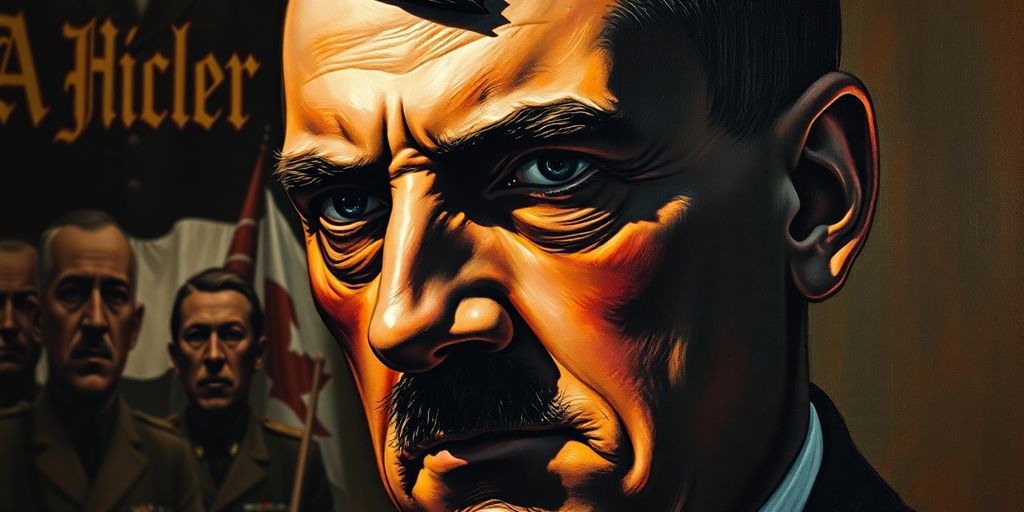
Okay, so Hitler’s portraits… they’re not exactly hanging in museums these days, right? But their impact? Huge. It’s more about what they represent than their artistic merit (or lack thereof). They’re a stark reminder of how art can be twisted for political gain. Think about it: these images were designed to build a cult of personality, to make Hitler seem like some kind of god-like figure. And they worked, at least for a while. The artistic techniques used were very effective.
Reinterpretation Over Time
Time changes everything, doesn’t it? What was once seen as powerful propaganda is now viewed with a mix of horror and fascination. People study these portraits not to admire them, but to understand the psychology of propaganda and how it can manipulate entire populations. It’s like, we’re trying to learn from the past so we don’t repeat it. There’s a lot of debate about whether these images should even be shown, but most people agree that ignoring them is not the answer. We need to remember what happened. The reinterpretation of these portraits serves as a critical lens through which we examine the dangers of unchecked power and the manipulation of art for political purposes.
Lessons for Future Generations
What’s the big takeaway here? Art can be a weapon. It can be used to inspire, to uplift, but also to deceive and control. We need to teach future generations to be critical thinkers, to question the messages they’re seeing, and to understand the power of visual communication. It’s not just about appreciating pretty pictures; it’s about understanding the context, the intent, and the potential impact of art.
It’s important to remember that art doesn’t exist in a vacuum. It’s always shaped by the social, political, and economic forces of its time. And when art is used for propaganda, it can have devastating consequences. That’s why it’s so important to study these examples and learn from them.
Here are some key lessons:
- Be aware of the artist’s intent.
- Consider the historical context.
- Question the message being conveyed.
Art As A Tool For Political Messaging
Historical Examples
Art has always been intertwined with politics. Think about ancient Roman sculptures designed to project power and authority, or the religious art of the Middle Ages used to reinforce the Church’s teachings. Even something like the French Revolution saw a surge in art that promoted liberty, equality, and fraternity. Art serves as a visual language, capable of communicating complex ideas and emotions in a way that words sometimes can’t.
The Ethics of Artistic Representation
It’s a tricky area. Where do you draw the line between artistic expression and manipulation? Is it okay for artists to create works that promote a particular political agenda? What responsibilities do artists have to their audience? These are questions that don’t have easy answers. Consider the use of body painting as a form of protest, is it art or political statement?
Art in Modern Political Campaigns
Modern political campaigns use art all the time, whether it’s through carefully crafted logos, emotionally charged campaign ads, or even the selection of music at rallies. The goal is always the same: to shape public opinion and influence voters.
Here are some ways art is used in modern campaigns:
- Logos and branding
- Campaign posters
- Social media graphics
The power of art in politics lies in its ability to bypass rational thought and tap into our emotions. A well-designed image or a powerful piece of music can sway voters in ways that a policy paper never could.
It’s important to be aware of how art is being used to influence us, so we can make informed decisions about the issues that matter.
The Psychological Effects Of Propaganda Art
Manipulation of Public Sentiment
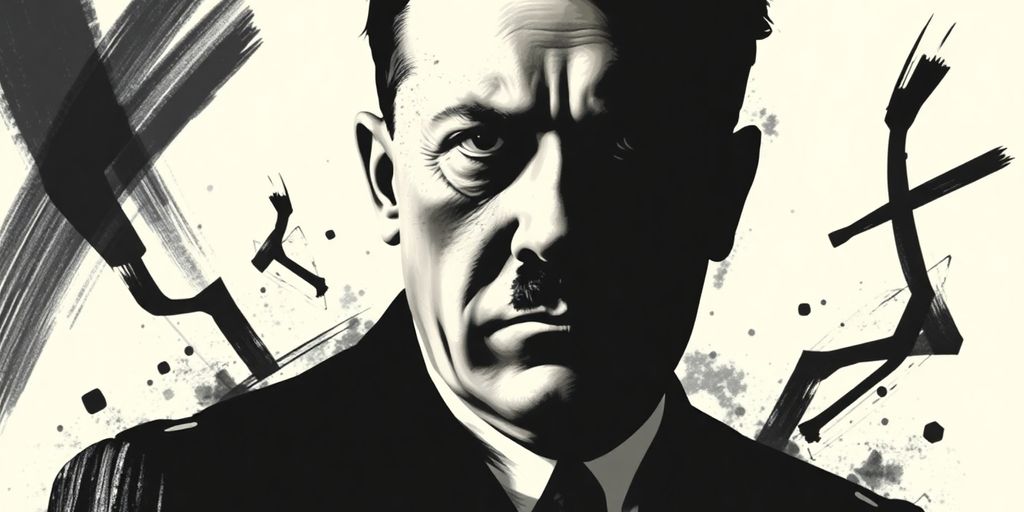
Propaganda art is designed to sway opinions and emotions, often bypassing rational thought. It aims to create a specific emotional response, such as fear, anger, or patriotism, that motivates people to act in a certain way. This manipulation can be achieved through various techniques, including the use of emotionally charged imagery, simplified messages, and repetition.
Long-term Societal Impacts
The constant exposure to propaganda can have lasting effects on a society’s values and beliefs. Over time, it can shape public discourse, influence political attitudes, and even contribute to social divisions. The insidious nature of propaganda lies in its ability to normalize certain ideas and behaviors, making them seem natural or inevitable. It’s important to understand Nazi propaganda and its effects.
- Erosion of critical thinking skills.
- Increased susceptibility to misinformation.
- Polarization of public opinion.
Propaganda’s long-term effects can be subtle but profound, altering the way people perceive the world and interact with each other. It can create a climate of fear, distrust, and conformity, making it difficult for individuals to think independently or challenge the status quo.
Case Studies in Propaganda
Examining historical examples of propaganda can provide valuable insights into its psychological effects. The Nazi regime’s use of propaganda is a particularly chilling example of how art can be used to promote hatred and violence. By studying these cases, we can learn to recognize the techniques of propaganda and develop strategies for resisting its influence. Consider the impact of the Degenerate Art Exhibition on public perception.
| Case Study | Target Audience | Key Message | Psychological Effect |
|---|---|---|---|
| Nazi Propaganda | German Public | Glorification of the Aryan race; demonization of Jews, communists, etc. | Increased anti-Semitism; support for Nazi policies; dehumanization of targeted groups. |
| Soviet Propaganda | Soviet Citizens | Promotion of communism; glorification of the state; demonization of capitalism. | Increased loyalty to the Soviet Union; suppression of dissent; belief in the superiority of the communist system. |
| WWI Propaganda | General Public | Demonization of the enemy; glorification of war; promotion of patriotism. | Increased support for the war effort; willingness to sacrifice for the nation; hatred of the enemy. |
Final Thoughts on Hitler’s Artistic Legacy
In the end, the painting of Hitler, especially works like The Standard Bearer, raises a lot of questions. Was it just art, or was it a tool for propaganda? It’s clear that these pieces were crafted to shape public opinion and glorify a regime that caused immense suffering. While some might argue about the artistic value, we can’t ignore the dark context in which they were created. Art has the power to influence, and in this case, it was used to promote a dangerous ideology. So, as we look back, we have to ask ourselves: how do we separate the art from the message? And what does that mean for how we view similar works today?
Frequently Asked Questions
What is the painting of Hitler known as?
The painting of Hitler is called The Standard Bearer, created by Hubert Lanzinger.
When was this painting displayed?
It was displayed at the Great German Art Exhibition in Munich in 1937.
What was the purpose of Nazi propaganda art?
Nazi propaganda art aimed to promote the regime’s ideals and influence public opinion.
Why is the painting considered controversial?
The painting is controversial because it is seen as a mix of art and propaganda, glorifying a dictator.
How has the perception of Hitler’s portraits changed over time?
Over time, Hitler’s portraits have been reinterpreted, often seen as symbols of oppression rather than art.
What lessons can we learn from the use of art in propaganda?
We can learn about the power of art to shape opinions and the importance of critically evaluating political messages.





 PERFECT PAINTER
Leave a comment