

Are you looking to spark your creativity with some fresh painting ideas? Pinterest is a treasure trove of inspiration for artists of all levels. Whether you’re just starting out or you’ve been painting for years, there are countless techniques and styles waiting for you to explore. In this article, we’ll look at some exciting painting ideas that you can find on Pinterest for 2025, covering everything from abstract techniques to nature-inspired themes and playful projects for kids.
Key Takeaways
- Experiment with abstract techniques like fluid acrylic pouring and geometric patterns.
- Draw inspiration from nature by painting landscapes, flowers, and ocean scenes.
- Try innovative portrait styles using bold colors and textures.
- Explore seasonal themes to reflect the beauty of each time of year.
- Engage kids with fun painting activities like finger painting and collage making.
Unique Abstract Painting Techniques
Abstract art can feel intimidating, but it’s really about letting go and experimenting. Forget about perfect representations and embrace the unexpected! It’s a great way to ignite creativity and find your own style.
Exploring Fluid Acrylic Pouring
Fluid acrylic pouring is super popular right now, and for good reason. It’s mesmerizing to watch the colors blend and swirl together. You mix acrylic paints with a pouring medium (like Floetrel) to make them flow easily. Then, you can try different pouring techniques:
- Dirty pour: Layer different colors in a cup and then flip it onto the canvas.
- Puddle pour: Pour individual puddles of color and then tilt the canvas to let them merge.
- Swipe technique: After pouring, drag a tool (like a palette knife or paper towel) across the surface to reveal the layers underneath.
It’s messy, but so much fun!
Creating Geometric Patterns
If you prefer something more structured, geometric abstract art might be your thing. Think clean lines, shapes, and patterns. You can use tape to create crisp edges or freehand it if you’re feeling brave. Here are some ideas:
- Use a limited color palette for a modern look.
- Experiment with different shapes: triangles, squares, circles, etc.
- Try creating tessellations or repeating patterns.
Using Mixed Media for Depth
Want to add some texture and interest to your abstract paintings? Try incorporating mixed media! This could include:
- Adding collage elements like paper, fabric, or photos.
- Using texture paste or gel to create raised areas.
- Incorporating found objects like sand, beads, or string.
Mixed media can really take your abstract art to the next level. It adds a tactile quality and visual complexity that you just can’t get with paint alone. Don’t be afraid to experiment and see what happens!
Nature-Inspired Painting Ideas
Nature provides endless inspiration for artists. From the vastness of landscapes to the intricate details of a single flower, there’s always something new to capture on canvas. Let’s explore some ideas for bringing the beauty of the natural world into your art.
Capturing Landscapes in Watercolor
Watercolor is perfect for capturing the delicate nuances of landscapes. The transparency of the medium allows you to create luminous effects, mimicking the way light filters through trees or reflects off water. Think about the rolling hills of Tuscany, the rugged peaks of the Rockies, or even just your local park. Consider these tips:
- Use a limited palette to create harmony.
- Experiment with wet-on-wet techniques for soft, dreamy effects.
- Practice layering to build depth and dimension.
Watercolor landscapes can be incredibly rewarding. Don’t be afraid to experiment with different techniques and find your own style. The key is to observe nature closely and translate what you see onto paper.
Painting Floral Still Lifes
Floral still lifes are a classic subject for a reason. They offer endless opportunities to explore color, form, and composition. You can arrange flowers in a vase, scatter them on a table, or even paint them growing in a garden. When painting flowers, pay attention to the details of the petals, leaves, and stems. Notice how the light falls on the different surfaces, creating highlights and shadows. For inspiration, check out some landscape paintings and see how they use color.
Exploring Seascapes and Ocean Views
Seascapes offer a unique set of challenges and rewards. The ever-changing nature of the ocean provides endless opportunities for artistic expression. From calm, serene waters to crashing waves and stormy skies, there’s always something new to capture. When painting seascapes, consider the following:
- Use a variety of blues and greens to capture the different shades of the water.
- Experiment with different brushstrokes to create the texture of the waves.
- Pay attention to the horizon line and how it interacts with the sky.
Here’s a simple table to help you think about color palettes for different times of day:
| Time of Day | Colors |
|---|---|
| Sunrise | Pinks, oranges, yellows, purples |
| Midday | Blues, greens, whites |
| Sunset | Oranges, reds, purples, blues |
| Night | Dark blues, blacks, grays, hints of white |
Don’t be afraid to experiment with colors and find your own unique way to capture the beauty of the ocean.
Innovative Portrait Painting Styles
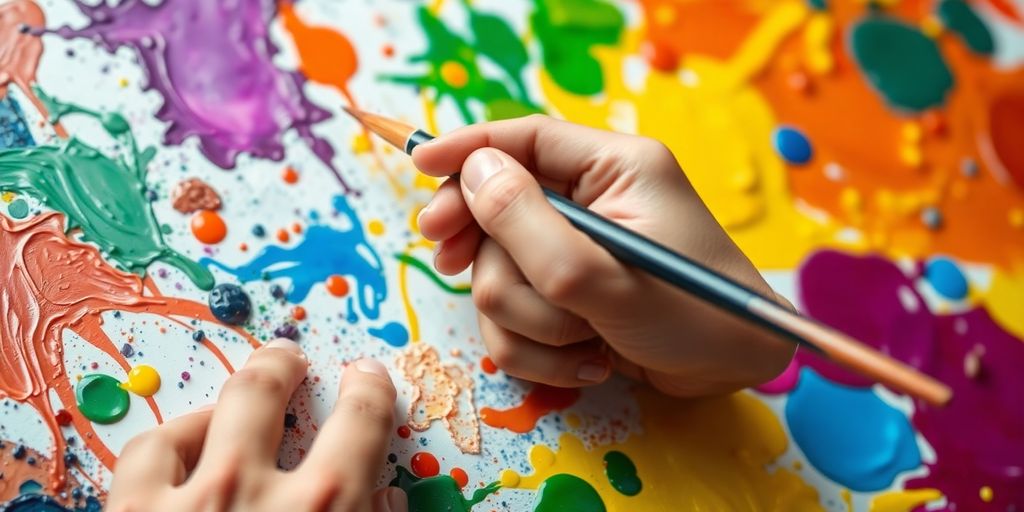
Portrait painting doesn’t have to be stuffy or traditional. Let’s shake things up a bit! There are so many cool ways to approach painting people, and it’s a great way to express yourself and try new things. I’ve been experimenting a lot lately, and it’s been so much fun. I’m excited to share some ideas.
Experimenting with Abstract Portraits
Forget realism for a minute. Abstract portraits are all about capturing the essence of a person, not necessarily their exact likeness. Think about using shapes, colors, and lines to represent their personality or mood. It’s like creating a visual poem about someone. I find it really freeing to let go of the pressure of perfection and just focus on feeling.
- Use bold, unexpected color combinations.
- Break down the face into geometric shapes.
- Focus on conveying emotion through brushstrokes.
I tried an abstract portrait of my friend Sarah last week. I used a limited palette of blues and greens to represent her calm nature, and I think it really captured her spirit, even though it doesn’t look exactly like her.
Using Bold Colors for Expression
Color can say so much! Don’t be afraid to go wild with your color choices in portraiture. Instead of sticking to natural skin tones, try using vibrant hues to express different emotions or aspects of the person’s character. It’s a fantastic way to make a statement and add a lot of visual interest. You can use simple painting techniques to enhance your walls.
- Use complementary colors to create contrast and energy.
- Experiment with monochromatic palettes for a unified look.
- Use color to symbolize different aspects of the person’s personality.
Incorporating Textures in Portraits
Texture adds another dimension to your portraits. Think about using different materials and techniques to create interesting surfaces. You could use thick impasto, collage elements, or even mixed media to add depth and tactile appeal. It’s a great way to make your portraits more engaging and unique.
- Use palette knives to create thick, textured paint strokes.
- Incorporate fabric scraps, paper, or other found objects.
- Experiment with dry brushing or scumbling techniques.
Here’s a table showing how different textures can affect the mood of a portrait:
| Texture | Mood/Feeling |
|---|---|
| Smooth | Calm, serene |
| Rough | Energetic, raw |
| Layered | Complex, deep |
| Impasto | Bold, expressive |
Seasonal Themes for Creative Painting
Okay, so let’s talk about seasonal painting! It’s a super fun way to get inspired, because the world around us is constantly changing. You can really capture a mood depending on the time of year. I find it’s a great way to push past any creative blocks. Let’s get into it.
Spring Blossoms and Pastels
Spring is all about new beginnings, right? Think soft, gentle colors. I’m talking pastel pinks, baby blues, light greens… all those fresh, airy hues. It’s the perfect time to paint blossoming trees, fields of flowers, or even just a single delicate bloom. You could try watercolor for a really light, ethereal feel, or even acrylics if you want something a bit more vibrant. I love painting cherry blossoms – they’re so fleeting and beautiful. It’s a great way to enhance your living space with a touch of spring.
Summer Sunsets and Vibrant Colors
Summer is when everything is bursting with color and energy. Think about those long, lazy sunsets, the bright blue of the ocean, or the lush green of the forests. Summer is the time to be bold! Use vibrant reds, oranges, yellows, and blues to capture the heat and excitement of the season. Sunflowers are a classic summer subject, but you could also try painting beach scenes, tropical fruits, or even just abstract patterns inspired by the sun. I like to experiment with different textures in my summer paintings, like adding sand to the paint for a gritty, beachy feel.
Autumn Leaves and Earthy Tones
Autumn is my personal favorite. The colors are just so warm and cozy. Think about the changing leaves – the reds, oranges, yellows, and browns. It’s a great time to experiment with earthy tones and create paintings that feel warm and inviting. You could paint landscapes with falling leaves, close-ups of colorful foliage, or even still lifes with pumpkins and gourds. I love using palette knives to create texture in my autumn paintings, mimicking the rough bark of trees and the crinkled leaves on the ground. Painting autumn trees is a great way to capture the season’s beauty.
I find that limiting my palette to just a few earthy colors really helps to create a cohesive and harmonious autumn painting. It forces you to be more creative with your color mixing and allows you to focus on the subtle variations in tone and texture.
Playful Techniques for Kids’ Art
Art time with kids should be all about fun and exploration! Forget about perfection and embrace the mess. It’s about letting them express themselves and discover the joy of creating. Here are some ideas to get those little hands busy and those imaginations soaring.
Finger Painting Fun
Finger painting is a classic for a reason! It’s a super sensory experience that lets kids connect directly with the paint. You don’t need fancy brushes, just some non-toxic paint and paper (or even better, a big roll of butcher paper!).
- Let them mix colors right on the paper.
- Try different textures by adding sand or glitter to the paint.
- Make handprint animals or family portraits.
Using Stencils for Easy Designs
Stencils are a great way to introduce shapes and patterns to younger artists. You can buy stencils or make your own out of cardboard or thick paper. This is a good way to introduce geometric patterns and shapes.
- Trace the stencils with paint, crayons, or markers.
- Use sponges to dab paint through the stencils.
- Layer different stencils to create complex designs.
Creating Collages with Found Objects
Collages are a fantastic way to recycle and create something new. Gather up bits of paper, fabric scraps, buttons, leaves, and anything else you can find.
- Tear or cut the materials into different shapes.
- Arrange them on a piece of cardboard or paper.
- Glue everything down and let it dry.
Remember, the goal is to have fun and encourage creativity. Don’t worry about the end result, just enjoy the process of making art together. It’s a great way to bond and create lasting memories.
Captivating Night Sky Paintings
Okay, so night sky paintings are super popular, and honestly, they’re just plain cool. There’s something about capturing the vastness of space on a canvas that’s really appealing. Plus, you can get super creative with colors and techniques. Let’s look at some ideas to try out.
Painting Starry Nights
Starry night paintings are all about capturing the magic of a clear night sky. Think Van Gogh, but with your own twist. Start with a dark blue or black background, then use a small brush or even a toothpick to add tiny dots of white and yellow for the stars. Don’t be afraid to use different sizes of dots to create depth. You can also add some swirling patterns to mimic the movement of the stars. It’s easier than it looks, trust me!
Creating Galaxy Effects
Galaxy paintings are where you can really let your imagination run wild. This is where you can refresh your home with some color. Use a sponge to blend different shades of blue, purple, pink, and even a little green. The key is to layer the colors and blend them well to create a nebula-like effect. Then, splatter some white paint for the stars. You can even add some glitter for extra sparkle. Seriously, go crazy with it!
Incorporating Moon Phases in Art
Adding moon phases to your night sky paintings can give them a really interesting focal point. You can paint a single, large moon or create a series of smaller moons showing the different phases. Think about the light and shadow on the moon’s surface to make it look realistic. You can also use different colors to represent the moon’s glow, like a soft yellow or a cool white. It’s a simple way to add a lot of depth and interest to your creative painting.
I find that using a reference photo of the moon phases really helps when I’m trying to get the shapes right. It’s also a good idea to experiment with different brushes and techniques to find what works best for you. Don’t be afraid to make mistakes – that’s how you learn!
Cultural Influences in Modern Art
Modern art doesn’t exist in a vacuum. It’s constantly borrowing, reinterpreting, and being inspired by cultures from around the globe. It’s fascinating to see how artists blend traditional techniques with contemporary ideas, creating something totally new. I think it’s important to acknowledge where these influences come from and appreciate the richness they bring to the art world.
Exploring Indigenous Art Styles
Indigenous art styles offer a wealth of inspiration for modern artists. Think about the vibrant colors and storytelling in Aboriginal art from Australia, or the intricate patterns and symbolism found in Native American art. These traditions often carry deep cultural meaning and can add a powerful layer of depth to contemporary works. It’s not just about copying; it’s about understanding and respectfully incorporating these elements into your own artistic vision. I’ve seen some amazing pieces that blend traditional indigenous motifs with modern abstract techniques, and the results are truly stunning.
Incorporating Asian Brush Techniques
Asian brush techniques, particularly from China and Japan, have had a huge impact on modern art. The emphasis on line quality, negative space, and capturing the essence of a subject is something that many artists find incredibly appealing. Learning about calligraphy or sumi-e painting can really change the way you approach your own work, even if you’re not directly replicating those styles. It’s about understanding the principles behind the techniques and applying them in a way that feels authentic to you. I’m thinking of trying watercolor landscapes myself soon.
Using African Patterns and Textiles
African patterns and textiles are another incredible source of inspiration. The bold geometric designs, vibrant colors, and intricate weaving techniques can add a real sense of energy and dynamism to modern art. From kente cloth to mud cloth, there’s a huge variety of patterns and textures to explore. I’ve seen artists use these patterns in paintings, sculptures, and even digital art, and the results are always eye-catching. It’s a great way to add a touch of global flair to your work.
It’s important to approach these cultural influences with respect and sensitivity. Avoid appropriation and instead focus on learning about the history and meaning behind these traditions. By doing so, you can create art that is not only visually stunning but also culturally meaningful.
Wrapping It Up
So there you have it! A bunch of fun painting ideas to spark your creativity. From colorful abstracts to serene landscapes, there’s something here for everyone. Don’t let a blank canvas intimidate you. Just pick one of these ideas and start painting. Remember, it’s all about having fun and expressing yourself. And hey, don’t forget to save your favorites on Pinterest for later. Happy painting!
Frequently Asked Questions
What are some fun painting techniques to try?
You can try fluid acrylic pouring, which creates beautiful swirls of color. Another idea is to make geometric patterns using tape to keep lines straight.
How can I paint nature scenes?
You can capture landscapes using watercolors, or paint still life with flowers. Seascapes are also a great option, showing the ocean and its waves.
What are some creative ways to paint portraits?
You can create abstract portraits that focus on colors and shapes. Using bright colors can express feelings, and adding textures can make the painting more interesting.
What seasonal themes can I use for painting?
For spring, think about using pastels for flowers. In summer, vibrant colors for sunsets really pop, while autumn can be represented with earthy tones for leaves.
What are some easy painting ideas for kids?
Kids can have fun with finger painting or using stencils to create designs. They can also make collages using things they find around the house.
How can I paint the night sky?
You can paint starry nights, create galaxy effects with swirls of color, or include different phases of the moon in your artwork.




 PERFECT PAINTER
Leave a comment