

The Mona Lisa, painted by the renowned Leonardo da Vinci, is a piece of art that has captivated audiences for centuries. Known for her mysterious smile and engaging gaze, this iconic portrait of Lisa del Giocondo has become a symbol of beauty and intrigue. In this article, we will explore the techniques behind this masterpiece, its cultural impact, and the legacy it has left in the world of art.
Key Takeaways
- Leonardo da Vinci used innovative techniques like sfumato to create depth and emotion in the painting Mona Lisa.
- The enigmatic smile of Mona Lisa has sparked various interpretations and remains a subject of fascination.
- The painting has significantly influenced both historical and contemporary art, inspiring countless artists and works.
- Mona Lisa’s presence in popular culture showcases her as a timeless icon, appearing in films, music, and parodies.
- Understanding the historical context of the painting adds layers to its significance, connecting it to the life of Lisa del Giocondo and the Renaissance era.
The Mastery Behind Painting Mona Lisa
Leonardo da Vinci’s Techniques
Okay, so, when you look at the Mona Lisa, it’s easy to just see a pretty painting. But seriously, Leonardo da Vinci was a total genius when it came to technique. He didn’t just slap some paint on a canvas; he was super meticulous. His composition and technique are a testament to his attention to detail.
- He used thin layers of glaze.
- He was innovative in representing the human form.
- He had a balanced composition.
Da Vinci’s approach wasn’t just about replicating what he saw; it was about understanding light, shadow, and human anatomy. He wanted to capture the essence of life itself, and that’s what makes the Mona Lisa so captivating even now.
The Use of Sfumato
Sfumato is a fancy word, right? Basically, it means blurring the lines. Da Vinci was the master of this. He blended colors and tones so subtly that there are no harsh lines. This is especially noticeable around her eyes and mouth, which is a big part of why her smile is so mysterious. It’s like a smoky effect, making everything look soft and dreamlike. This sfumato technique really adds to the painting’s allure.
Capturing Human Emotion
It’s not just about the technique; it’s about the feeling. The Mona Lisa isn’t just a portrait; it feels like a real person. Her eyes seem to follow you, and that smile… well, everyone has their own idea about what it means. Da Vinci had this incredible ability to capture the complexities of human expression. He used strong contrasts between light and dark, to give the Mona Lisa portrait a three-dimensional quality. It’s like he wasn’t just painting a face, but a whole inner world.
The Enigmatic Smile of Mona Lisa

The Mona Lisa’s smile is probably the most talked-about feature of the whole painting. Seriously, people have been trying to figure it out for ages! It’s not just a smile; it’s like a puzzle that everyone wants to solve. What makes it so captivating? Is she happy, sad, or just plain mysterious? It’s this ambiguity that keeps us all hooked.
Interpretations of the Smile
So, what’s the deal with that smile? Well, there are tons of ideas floating around. Some say she’s amused, like she knows something we don’t. Others think it’s a sign of inner peace or contentment. And then there are those who believe it’s a reflection of Leonardo da Vinci’s own artistic genius, a way of showing the complexity of human emotion. It’s really up to each person to decide what they see in it. The painting techniques used by Leonardo allowed him to create a smile that seems to change depending on how you look at it.
Psychological Impact on Viewers
That smile does something to people. It draws you in, makes you think, and maybe even makes you a little uncomfortable. It’s like she’s looking right through you, challenging you to understand her. It’s no wonder the Mona Lisa is so famous; it’s not just a pretty picture, it’s an experience. The way the smile plays with our minds is part of what makes the painting so special. It’s a testament to the power of art to evoke feelings and spark curiosity.
Theories Surrounding Its Meaning
Okay, let’s get into some of the wilder theories. Some people think the smile is a clue to a hidden message in the painting. Maybe it’s a secret code, or a reference to a historical event. Others believe it’s a reflection of Lisa del Giocondo’s personal life, a hint at her joys and sorrows. And then there are those who think it’s all just a big coincidence, a trick of the light and shadow. Whatever the truth, it’s clear that the Mona Lisa’s smile will continue to fascinate and intrigue us for years to come.
The Mona Lisa’s smile is more than just a facial expression; it’s a symbol of mystery and beauty. It represents the enigmatic aspects of art that continue to captivate and intrigue us. By embracing and celebrating the complexities of the human experience, the Mona Lisa’s smile invites us to explore the intricacies of our own emotions and perceptions. It serves as a reminder of the power of art to evoke feelings, spark curiosity, and transcend time.
Here are some common interpretations:
- Amusement
- Inner Peace
- Hidden Message
Cultural Impact of Painting Mona Lisa
Influence on Art and Artists
The Mona Lisa didn’t just sit pretty; it kicked off a whole wave of inspiration. Artists saw Leonardo’s innovative techniques, like sfumato, and thought, "Hey, I want to try that!" It’s like a painter’s version of a viral trend, but, you know, lasting centuries. The way he captured light and shadow, the subtle expressions – it all became a benchmark. It’s not just about copying; it’s about understanding and building upon what came before. Modern artists still appreciate its cultural significance and artistic potential.
Representation in Popular Culture
The Mona Lisa has gone way beyond the art world. It’s a full-blown celebrity. You see it everywhere – movies, music videos, ads. It’s become a shorthand for "art," "mystery," or even just "fancy." Think about it: how many other paintings can you say that about? It’s been referenced in literature and films, underlining her enigmatic quality. The painting has become an enduring symbol of beauty, mystery, and artistic excellence. It’s a cultural icon.
Parodies and Homages
Okay, let’s be real: the Mona Lisa has been parodied more times than anyone can count. From mustaches drawn on her face to being replaced by cartoon characters, it’s all been done. But that’s part of its power. It’s so recognizable that you can mess with it and people still get the reference. It’s a testament to its enduring fame. The Mona Lisa has transcended her original status as a masterpiece to become a cultural icon.
It’s interesting how a painting can become so ingrained in our collective consciousness. The Mona Lisa isn’t just a picture; it’s an idea, a symbol, a meme before memes were even a thing. It’s a reminder that art can be both beautiful and a little bit ridiculous, and that’s okay.
Historical Context of the Mona Lisa
The Mona Lisa isn’t just a pretty picture; it’s a snapshot of a specific time and place. Understanding the historical backdrop is key to appreciating its significance. It’s like trying to understand a joke without knowing the setup – you’ll miss half the fun. Let’s take a look at the world that birthed this masterpiece.
The Renaissance Era
The Renaissance was a huge deal. It was a period of major change in Europe, a real rebirth after the Middle Ages. Thinkers, artists, and scientists started looking back to classical Greece and Rome for inspiration. It was all about humanism, celebrating human potential and achievement. Renaissance art flourished, and new ideas were popping up everywhere. It was a time of exploration, innovation, and a renewed interest in learning and the arts.
- Emphasis on humanism and individualism
- Revival of classical art and literature
- Significant advancements in science and technology
Commission and Creation
So, who asked Leonardo to paint this thing anyway? Well, it’s generally believed that the Mona Lisa was commissioned by Francesco del Giocondo, a wealthy Florentine merchant. The painting was likely intended to be a portrait of his wife, Lisa Gherardini. However, Leonardo never actually delivered the finished painting to the Giocondo family. He kept it with him, working on it for years and taking it with him as he moved around. The exact circumstances surrounding the commission and why it remained with Leonardo are still debated by historians.
The Life of Lisa del Giocondo
Lisa del Giocondo, the woman believed to be the model for the Mona Lisa, was a real person. She was a member of a prominent Florentine family and the wife of a silk merchant. While we don’t know a ton about her life, historical records provide some glimpses into her world. She wasn’t some mysterious, untouchable figure; she was a wife and mother living in Florence during a time of great social and political change. Understanding her background helps to ground the painting in reality and adds another layer to its mystique.
It’s easy to get lost in the art and forget that there was a real person behind that famous smile. Lisa del Giocondo’s life, though not fully known, provides a tangible connection to the Renaissance world and the creation of this iconic artwork.
Legacy of the Mona Lisa in Modern Art
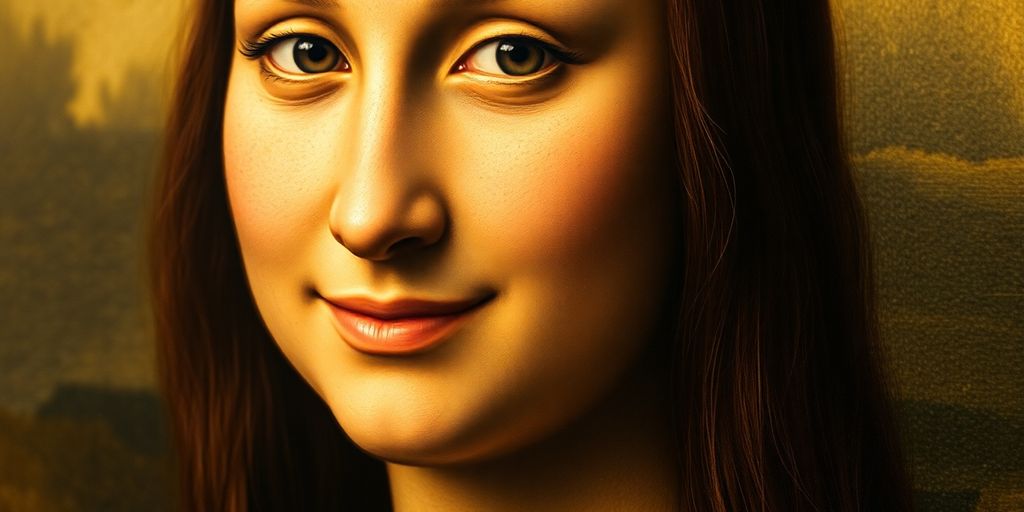
The Mona Lisa’s influence didn’t stop in the Renaissance; it continues to ripple through modern art in surprising ways. It’s not just about imitation, but about artists taking the core of what makes the Mona Lisa so compelling and twisting it, turning it into something new.
Inspiration for Contemporary Artists
Contemporary artists find endless inspiration in the Mona Lisa, using it as a springboard for their own creative explorations. Many have reimagined this iconic painting through different styles and mediums. It’s like the Mona Lisa is a blank canvas, ready to be filled with new ideas. For example:
- Some artists combine elements of Renaissance art with modern techniques, creating what they call "Modern Mona Lisas." These artworks reflect both traditional elegance and modern flair through ethereal and confident portraits.
- Others challenge traditional perspectives by experimenting with colors, forms, and textures, encouraging audiences to engage with classic art in new ways.
- Still, others appreciate the Mona Lisa for its cultural significance and artistic potential, inspiring fresh and innovative perspectives in the art world.
Adaptations in Various Mediums
The Mona Lisa isn’t confined to the canvas anymore. You see it popping up everywhere – in photography, sculpture, even digital art. It’s a testament to how deeply ingrained it is in our collective consciousness. The painting has become an enduring symbol of beauty, mystery, and artistic excellence. Countless artists, both past and present, have been inspired by da Vinci’s masterpiece, attempting to capture its essence in their own works. The Mona Lisa’s fame has also made it a subject of popular culture, appearing in films, literature, and advertisements, further solidifying its status as a cultural icon.
The Mona Lisa in Digital Art
Digital art has opened up a whole new playground for the Mona Lisa. Artists are using augmented reality, virtual reality, and other technologies to create interactive experiences that reimagine the painting in ways Leonardo da Vinci could never have imagined. These innovative techniques allow viewers to engage with the Mona Lisa on a completely different level, exploring its details and hidden meanings in immersive environments.
The Mona Lisa’s enduring appeal lies in its ability to be reinterpreted and reimagined across generations. It’s a symbol that can be adapted to reflect the changing values and perspectives of society, ensuring its continued relevance in the art world and beyond.
Symbolism and Meaning in Painting Mona Lisa
Hidden Symbols in the Artwork
Okay, so when you look at the Mona Lisa, it’s easy to just see a lady with a faint smile. But there’s actually a lot going on beneath the surface. Some people think the background landscape symbolizes the connection between humanity and nature. It’s like Leonardo was trying to say something about our place in the world, not just paint a pretty picture. The way she’s dressed and how she’s sitting also might mean something about balancing emotions and smarts. It’s not just a portrait; it’s a statement.
The Role of Nature and Background
The background in the Mona Lisa isn’t just some random scenery. It’s thought to be super important for understanding the painting. The hazy, almost dreamlike quality of the landscape adds to the mystery. It’s like the background is another character in the painting, adding depth and enigmatic expression. It makes you wonder what Leonardo was trying to say about the relationship between people and the world around them. It’s not just a backdrop; it’s part of the message.
Cultural Interpretations Over Time
Over the years, people have seen all sorts of things in the Mona Lisa. What one generation finds beautiful or meaningful, another might see completely differently. It’s interesting how a painting can stay the same, but its meaning can change so much depending on who’s looking at it and when. The painting’s symbolism has made her an enduring symbol throughout global history. It’s a testament to the power of art to keep sparking new ideas and conversations, even centuries later.
The Mona Lisa’s lasting appeal comes from its ability to mean different things to different people at different times. It’s a mirror reflecting our own hopes, fears, and ideas about beauty, identity, and the human condition. That’s why it continues to fascinate us, even today.
The Journey of the Mona Lisa Through Time
From Creation to Present Day
The Mona Lisa’s journey is quite the story! Painted by Leonardo da Vinci around 1503-1517, it’s been captivating people for centuries. It’s not just a painting; it’s an icon. The painting is oil on a poplar panel and measures 77 x 53 cm. Today, you can find it at the Louvre Museum in Paris.
Theft and Recovery
In 1911, the Mona Lisa was stolen, making it the most famous missing painting ever. Imagine the shock! It wasn’t just a simple theft; it became a global sensation. The theft of the Mona Lisa really boosted its fame. It was eventually recovered two years later, and the story is wild. It’s the kind of thing that makes you realize how much people value art.
Exhibitions and Public Reception
The Mona Lisa isn’t just stuck in one place. It’s been all over! One of the first big trips was in 1963 to the Metropolitan Museum of Art in New York. Over a million people came to see it in just two months! Then, in 1974, it went to Tokyo and Moscow. These exhibitions needed a lot of planning to keep the painting safe. Now, it’s back in the Louvre, in the Salle des États, behind protective glass. If you want to see it, get skip-the-line tickets; the lines are long!
Wrapping Up the Mystery of the Mona Lisa
So, there you have it. The Mona Lisa isn’t just a painting; it’s a whole world of intrigue and fascination. From her mysterious smile to the endless theories about who she really is, this artwork keeps us guessing. It’s amazing how a piece of art can spark so much curiosity and discussion, even centuries after it was created. Whether you’re an art lover or just someone who appreciates a good mystery, the Mona Lisa has something for everyone. As we continue to ponder her secrets, we’re reminded of the timeless power of art to connect us across generations.
Frequently Asked Questions
What makes the Mona Lisa so famous?
The Mona Lisa is famous for its amazing detail and the unique way Leonardo da Vinci painted it. His use of a technique called sfumato makes the painting look very lifelike.
Who is the woman in the painting?
The woman in the painting is believed to be Lisa Gherardini, who was married to a wealthy man in Florence, Italy.
Why does the Mona Lisa have such a mysterious smile?
Many people find her smile mysterious because it seems to change depending on how you look at it. Some see it as happy, while others think it looks sad.
How has the Mona Lisa influenced other artists?
The Mona Lisa has inspired countless artists over the years to create their own works, often using similar techniques or themes.
What role does the Mona Lisa play in popular culture?
The Mona Lisa appears in movies, books, and even advertisements, making it a symbol of beauty and mystery in our culture.
Has the Mona Lisa ever been stolen?
Yes, the Mona Lisa was stolen in 1911 but was recovered two years later. This event made it even more famous.





 PERFECT PAINTER
Leave a comment