

Vincent van Gogh is one of the most celebrated artists in history, known for his unique style and emotional depth. His paintings, characterized by bold colors and expressive brushwork, offer a glimpse into his tumultuous life and profound feelings. In this article, we will explore the emotional resonance of his works, the impact he has had on modern culture, his innovative techniques, and the legacy that continues to inspire artists today. Join us as we delve into the masterpieces of van Gogh and uncover the stories behind them.
Key Takeaways
- Van Gogh’s art reflects his emotional struggles, showcasing his journey through turmoil and isolation.
- His use of vibrant colors and bold techniques has influenced countless contemporary artists.
- Iconic works like “Starry Night” and “Sunflowers” reveal his ability to convey deep feelings through everyday subjects.
- Van Gogh’s legacy endures in modern culture, inspiring films, literature, and art exhibitions.
- The themes of loneliness and joy in his paintings resonate with audiences, making them timeless treasures.
Exploring the Emotional Depth in Van Gogh’s Artworks
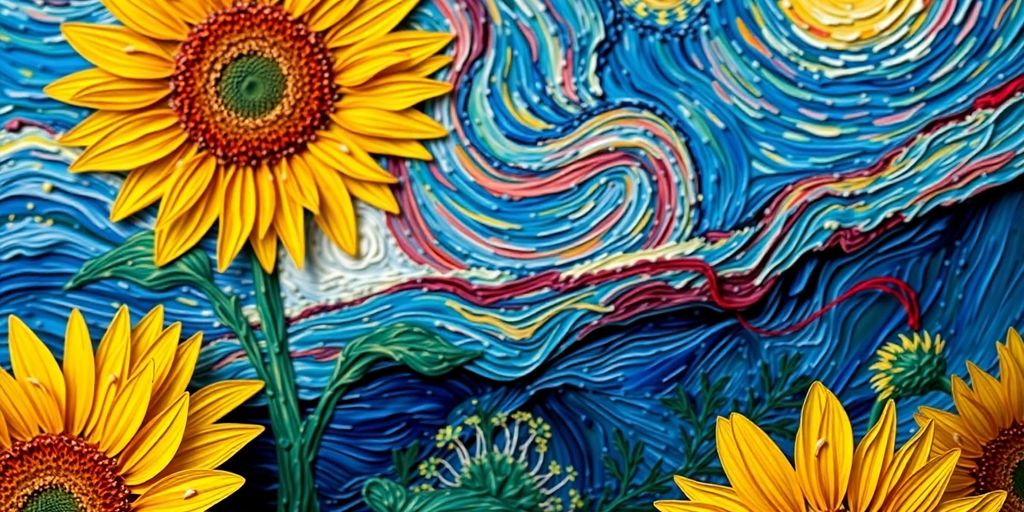
Van Gogh’s art? It’s like peering straight into his soul. He wasn’t just painting pictures; he was spilling his guts onto the canvas. You can feel the raw emotion in every single brushstroke. It’s intense, and that’s why it still hits so hard today.
Unveiling the Emotional Turmoil
Van Gogh’s life was no walk in the park. He battled mental health issues, struggled with poverty, and had some pretty rough relationships. All that pain? It’s right there in his art. "The Starry Night" isn’t just a pretty picture; it’s a visual representation of his inner chaos. The swirling sky, the dark cypress tree – it’s all a reflection of what was going on inside his head.
A Glimpse into Loneliness and Isolation
"The Bedroom" is a masterclass in portraying loneliness. It’s a simple room, but it screams isolation. The colors are muted, the atmosphere is somber. It’s like he’s saying, "This is what it feels like to be alone." It’s a feeling a lot of people can relate to, which is why the painting is so powerful. Van Gogh’s artistic journey is a testament to his ability to convey complex emotions through simple scenes.
Capturing Moments of Joy and Serenity
It wasn’t all doom and gloom for Van Gogh. He also knew how to capture moments of pure joy. "Sunflowers" is a perfect example. It’s bursting with color and life. It’s like he’s saying, "Look at the beauty in the world!" It’s a reminder that even in the darkest times, there’s still light to be found.
Van Gogh’s paintings are more than just pretty pictures. They’re a window into the human experience. He wasn’t afraid to show his vulnerability, his pain, and his joy. That’s what makes his art so timeless and relatable.
Here’s a quick look at some of the emotions conveyed in his famous works:
- Starry Night: Turmoil, wonder
- Sunflowers: Joy, appreciation
- The Bedroom: Loneliness, simplicity
The Influence of Van Gogh’s Art on Modern Culture
Van Gogh’s impact stretches far beyond the canvas, weaving its way into the fabric of modern culture. It’s pretty amazing how someone who struggled so much during his lifetime has become such a cultural icon. His art isn’t just something you see in museums; it’s everywhere.
Van Gogh’s Impact on Contemporary Artists
Van Gogh’s influence on contemporary artists is undeniable. His bold use of color and expressive brushstrokes paved the way for future generations to experiment and push boundaries. Many artists find inspiration in his ability to convey raw emotion through his work. It’s like he gave them permission to be vulnerable and authentic in their art.
- His techniques are studied in art schools worldwide.
- Artists often emulate his impasto style.
- His emotional honesty resonates with artists seeking to express their inner selves.
Cultural References in Popular Media
Van Gogh’s paintings pop up in all sorts of unexpected places. You might see a nod to "Starry Night" in a movie scene, or a character’s bedroom decorated with a print of "Sunflowers." His image has become shorthand for artistic genius, even in commercials and cartoons. It’s a testament to how deeply ingrained his work is in our collective consciousness. I saw a Michelangelo painting the other day that reminded me of Van Gogh’s brushstrokes.
- Films often use his paintings to symbolize madness or creativity.
- Television shows reference his life and struggles.
- Advertisements sometimes incorporate his style to evoke a sense of artistry.
Van Gogh’s presence in popular media helps keep his work alive and relevant for new audiences. It’s a way of introducing his art to people who might not otherwise encounter it in a museum setting. This constant exposure ensures that his legacy continues to grow and evolve.
The Enduring Legacy of Van Gogh’s Masterpieces
Van Gogh’s masterpieces continue to captivate and inspire, more than a century after his death. His paintings aren’t just pretty pictures; they’re windows into the soul of a man who saw the world in a unique and profound way. The emotional power of his art transcends time and culture, making his work as relevant today as it ever was. It’s like he’s speaking to us across the ages, sharing his joys, his sorrows, and his unwavering passion for life.
- His paintings are among the most recognizable in the world.
- Museums dedicated to his work attract millions of visitors each year.
- His story continues to inspire books, films, and documentaries.
The Fascinating Techniques Used by Van Gogh in His Masterpieces
Okay, so Van Gogh wasn’t just throwing paint at a canvas and hoping for the best. The guy was a legit master of technique, even if he didn’t get the recognition he deserved while he was alive. Let’s break down some of the cool stuff he did.
Van Gogh’s Use of Bold Colors
Van Gogh wasn’t shy about color. He went all in. He used colors not just to show what things looked like, but to express how he felt. Think about "The Starry Night" – that’s not just a night sky; it’s a whole mood. He’d use complementary colors to make things pop, creating contrast and depth that just grabs your attention. It’s like he knew colors had their own language, and he was fluent.
Innovative Brushwork Techniques
Van Gogh’s brushwork is instantly recognizable. It’s like he was attacking the canvas with energy. He used something called impasto, which is basically piling paint on thick. You can practically feel the texture when you look at his paintings. It wasn’t just about adding paint; it was about adding dimension and playing with light in a way that was totally new. His artistic vision was unique.
The Role of Texture in Van Gogh’s Paintings
Texture was HUGE for Van Gogh. It wasn’t just a side effect of his brushstrokes; it was a key part of the whole thing. He’d build up layers of paint to create a surface that was almost sculptural. This added a physical dimension to his work, making it more engaging and emotional. It’s like he wanted you to not just see the painting, but to feel it.
Van Gogh’s techniques weren’t just about aesthetics; they were about conveying emotion. He used color, brushwork, and texture to express his inner world, making his paintings incredibly personal and powerful. It’s this emotional depth that continues to draw people to his work today.
Here’s a quick rundown of some key techniques:
- Impasto: Thick layers of paint for texture.
- Complementary Colors: Using opposites to create contrast.
- Visible Brushstrokes: Energetic and expressive marks.
Exploring Iconic Paintings of Van Gogh
The Story Behind "Starry Night"
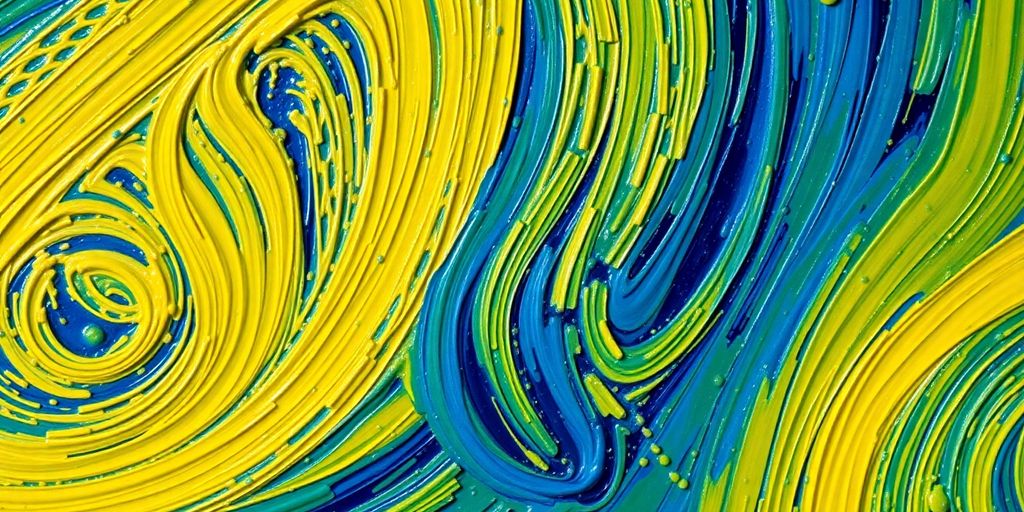
Okay, let’s talk about "Starry Night." Everyone knows it, right? It’s like the Van Gogh painting. But have you ever really stopped to think about what’s going on in it? It’s not just a pretty night sky. It’s a whole bunch of emotion swirling around on a canvas. Van Gogh painted this while he was at an asylum in Saint-Rémy. Think about that for a second. He’s looking out at this scene, but he’s also dealing with some serious stuff inside his own head. That swirling sky? That could be his own turmoil. The village below? Maybe that’s the world he feels disconnected from. It’s more than just a landscape; it’s a window into his soul. The iconic painting is a reflection of his mental state and spiritual beliefs.
The Significance of the "Sunflowers" Series
So, the "Sunflowers." Seems simple, right? Just a bunch of flowers in a vase. But Van Gogh painted these things over and over. Why? Well, he wasn’t just trying to fill wall space. He was experimenting with color, with light, with texture. He was trying to capture the essence of these flowers, their vibrancy, their life force. And he wasn’t just painting one version. He made several, each slightly different. It’s like he was obsessed with them, trying to get it just right. The sunflowers series showcases his evolution as an artist.
Here’s a quick breakdown of the series:
- First series (Paris, 1887): Sunflowers lying on the ground.
- Second series (Arles, 1888): Sunflowers in a vase.
- Variations in color and composition.
Van Gogh’s sunflowers are more than just still lifes; they’re symbols of gratitude and friendship. He painted them to decorate Paul Gauguin’s room, hoping to create a welcoming atmosphere. The vibrant colors and bold brushstrokes reflect Van Gogh’s enthusiasm and his desire to create a sense of joy and warmth.
Understanding "The Bedroom" and Its Symbolism
"The Bedroom" is interesting because it’s so…ordinary. It’s just a room. But it’s his room. And it tells you a lot about him. The colors are a little off, the perspective is a little wonky. It’s not a perfect representation of reality. It’s his reality. It’s simple, almost stark. It’s a place of refuge, but also a place of isolation. The painting offers a glimpse into his personal sanctuary. It’s a very personal painting, and it gives you a sense of who he was as a person. It’s a look into his life, his space, his world.
Here are some things to consider about "The Bedroom":
- The skewed perspective adds to the feeling of unease.
- The simple furnishings reflect Van Gogh’s modest lifestyle.
- The use of color creates a sense of both comfort and tension.
Van Gogh’s Legacy: How His Paintings Continue to Inspire Artists Today
Van Gogh’s impact on the art world is undeniable. Even now, over a century after his death, artists are still looking to his work for inspiration. It’s not just about copying his style; it’s about the raw emotion and the unique way he saw the world. His paintings continue to speak to people on a very personal level.
Van Gogh’s Enduring Influence on the Artistic World
Van Gogh’s legacy is more than just pretty pictures; it’s a testament to the power of art to express deep emotion. His bold use of color and distinctive brushstrokes broke the mold and paved the way for future generations of artists to experiment and find their own voices. He showed that art didn’t have to be perfect to be powerful. His influence can be seen in countless artists who followed, from expressionists to modern painters. His life and work have become a symbol of artistic passion and struggle, inspiring artists to pursue their vision, no matter the obstacles. The Sistine Chapel is a testament to artistic genius.
Exploring Van Gogh’s Iconic Paintings
When you think of Van Gogh, certain paintings immediately come to mind: Starry Night, Sunflowers, The Bedroom. These aren’t just famous images; they’re windows into his soul. Each painting tells a story, not just of what he saw, but of what he felt. Take Starry Night, for example. The swirling sky, the vibrant stars, the dark cypress tree – it’s a scene that’s both beautiful and unsettling. It captures the feeling of being both connected to and isolated from the world. And Sunflowers? They’re not just flowers; they’re bursts of joy and life, painted with such energy and passion that they practically jump off the canvas. These paintings continue to captivate and inspire, reminding us of the power of art to express the full range of human emotion.
The Relevance of Van Gogh’s Themes in Modern Art
Van Gogh’s themes of isolation, mental health, and the beauty of the everyday are still incredibly relevant today. In a world that often feels disconnected and overwhelming, his art reminds us to look for beauty in the simple things and to connect with our own emotions. His willingness to be vulnerable and to express his inner turmoil through his art is something that resonates deeply with contemporary artists who are exploring similar themes in their own work. He showed that it’s okay to be different, to struggle, and to express yourself honestly. His legacy is a reminder that art can be a powerful tool for healing, connection, and self-discovery.
Van Gogh’s work serves as a reminder that art can be a powerful means of expressing the human condition. His paintings invite viewers to contemplate the complexities of life, the beauty of nature, and the depths of human emotion. His legacy continues to inspire artists to explore their own inner worlds and to create art that is both personal and universal.
Final Thoughts on Van Gogh’s Artistic Journey
As we wrap up our exploration of Van Gogh’s incredible paintings, it’s clear that his work goes beyond just pretty pictures. Each piece tells a story, revealing his struggles and triumphs. His unique style, with those bold colors and wild brushstrokes, really pulls you in and makes you feel something. Van Gogh’s art isn’t just for looking at; it’s about connecting with the emotions he poured into every canvas. Even today, his influence is everywhere, inspiring artists and art lovers alike. So, whether you’re a long-time fan or just discovering his work, there’s always something new to appreciate in Van Gogh’s masterpieces.
Frequently Asked Questions
What emotions does Van Gogh express in his paintings?
Van Gogh’s paintings show a wide range of emotions, from deep sadness and loneliness to joy and peace. His art reflects his personal struggles and feelings.
How has Van Gogh influenced modern artists?
Many modern artists look up to Van Gogh for his unique style and use of color. His bold techniques and emotional depth continue to inspire new generations of artists.
What are some of Van Gogh’s most famous paintings?
Some of Van Gogh’s most famous works include “Starry Night,” “Sunflowers,” and “The Bedroom.” Each painting tells a unique story and showcases his artistic talent.
What techniques did Van Gogh use in his artwork?
Van Gogh used bright colors and thick brushstrokes to create texture in his paintings. He often painted in a way that made colors stand out and feel alive.
Why is Van Gogh considered a great artist?
Van Gogh is considered a great artist because of his ability to express deep emotions through his art. His innovative techniques and unique style have left a lasting impact on the art world.
How do Van Gogh’s themes relate to today’s world?
Van Gogh’s themes, like loneliness, joy, and nature, are still relevant today. Many people can relate to his feelings and experiences, making his art timeless.





 PERFECT PAINTER
Leave a comment