
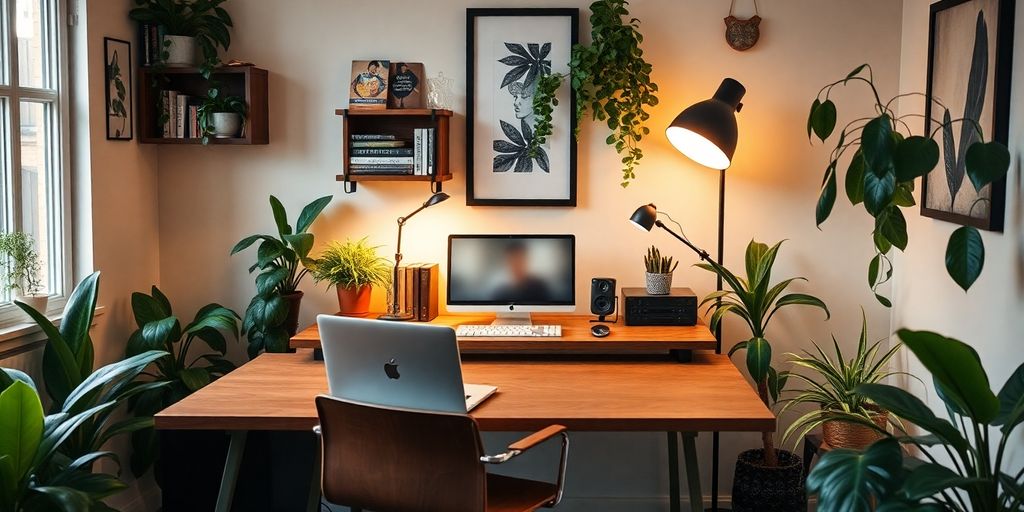
Transforming your home into a more functional and inviting space can feel like a daunting task, especially when you’re trying to make the most of your at home hours. But don’t worry! With a little creativity and some practical tips, you can turn your living area into a cozy haven that works for you. From clever storage solutions to embracing open layouts, there are plenty of ways to maximize your space and enjoy your time at home. Let’s dive into some ideas that can help you make the most of your home, no matter its size.
Key Takeaways
- Think vertically to utilize wall space for storage and decor.
- Create areas that serve multiple purposes, like a workspace that doubles as a relaxation zone.
- Keep your layout open and airy to improve flow and functionality.
- Declutter regularly to maintain a spacious and organized environment.
- Incorporate smart storage solutions to make the most of hidden spaces.
Utilizing Vertical Space Effectively
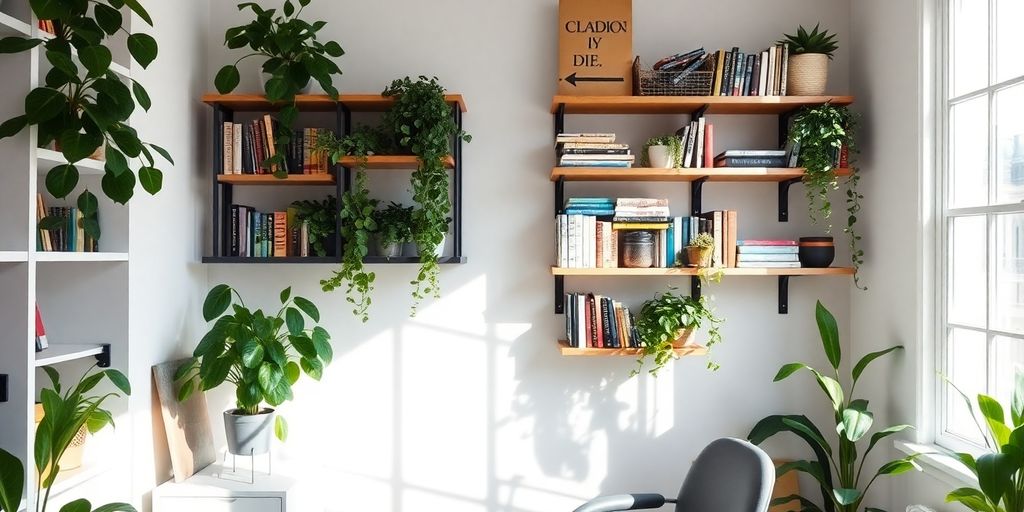
Walls are often overlooked, but they’re prime real estate when you’re trying to maximize space. It’s time to think upwards! Let’s explore some ways to make the most of that vertical space.
Maximize Wall Storage
Wall-mounted shelves, racks, and hooks are your friends. They’re practical and stylish solutions for maximizing storage without taking up floor space. In the kitchen, magnetic strips for knives and wall-mounted racks for pots and pans can free up counter and cabinet space. Pegboards are another excellent way to utilize vertical space. They can be customized to organize tools in a workshop, craft supplies in an art room, or cooking utensils in the kitchen. This keeps your home organized and makes commonly used items easily accessible.
Incorporate Tall Furniture
Drawers and cabinets have their uses, but tall shelving units capitalize on vertical space best. You can use upper and lower shelves for storage and eye-level shelves for display. A floor to ceiling bookshelf, especially built in, makes great use of space and draws the eye up. Don’t be afraid to hang decorations higher. Using the full height of your walls not only maximizes space but also makes the space feel taller. A simple way to achieve this effect is to hang curtains above the window frame, closer to the ceiling. Any other tall, vertical lines will add to this effect. For example, full height bookshelves and tall floor lamps make great ceiling-raisers. Consider creative storage solutions to make the most of your space.
Hang Decor Strategically
Corners can be tricky when you’re trying to maximize space. Although it can be tempting to just shove big furniture into them, you can use that space. An armchair and lamp in the corner makes a good place for reading or relaxing. For maximum space usage, corner shelves round out the room with extra storage.
When space is limited, it’s important to be selective about what stays in your home. Larger or less-used items can occupy precious space and make your home feel cramped. With clever design and thoughtful planning, small homes can become a source of pride and joy. Let’s explore how simple, creative storage solutions can help you maximize your space and transform your home into a reflection of your dreams and lifestyle.
Creating Multi-Functional Areas
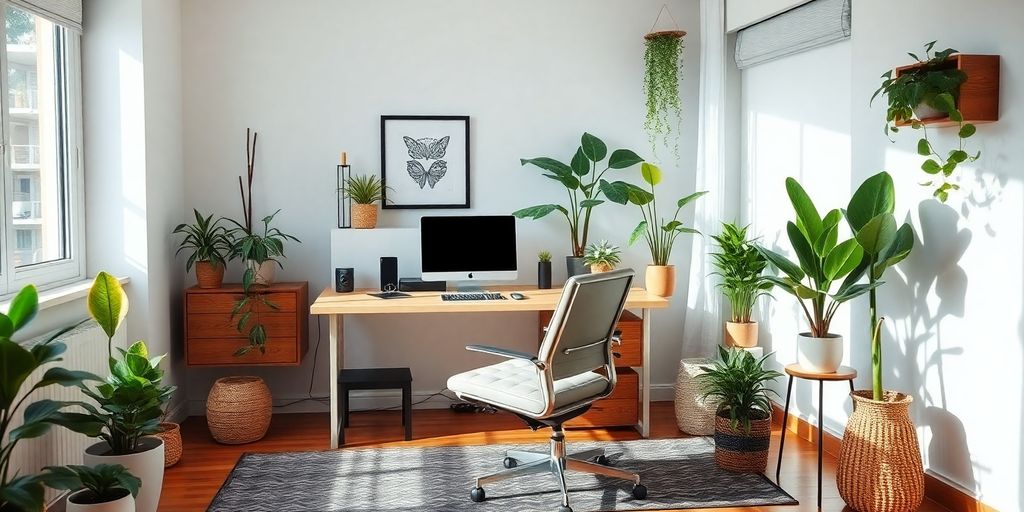
It’s all about making your space work harder for you. Let’s face it, most of us don’t have the luxury of a dedicated room for every activity. So, how do you squeeze more functionality out of the space you do have? The answer lies in clever design and a willingness to think outside the box.
Designate Work and Relax Zones
Separating your work and relaxation areas is key to maintaining a healthy work-life balance, especially when working from home. It’s easy for the lines to blur when your office is also your living room. Try using visual cues to define these zones. A rug can delineate a seating area, while a different paint color can signal the start of your workspace. Even something as simple as a screen or bookshelf can create a physical barrier. This helps mentally separate work from leisure, making it easier to focus when you need to and unwind when you’re done. Consider these options:
- Color-coding different zones
- Using plants as dividers
- Employing different lighting schemes
Use Convertible Furniture
Convertible furniture is a game-changer for small spaces. Think sofa beds, extendable tables, and ottomans with hidden storage. These pieces can transform a room from a living area to a guest room or a dining space in seconds. The key is to choose pieces that are both functional and stylish, so they don’t feel like a compromise.
Incorporate Hidden Storage
Clutter is the enemy of a multi-functional space. Hidden storage is your secret weapon. Look for furniture with built-in drawers, shelves, or compartments. Use baskets and bins to organize items on shelves and in closets. The goal is to keep everything in its place, so your space feels tidy and organized, no matter how many different activities it accommodates. Here’s a few ideas:
- Under-bed storage containers
- Wall-mounted cabinets
- Benches with lift-up seats
Creating multi-functional areas is about more than just maximizing space; it’s about creating a home that supports your lifestyle. By carefully planning your layout, choosing the right furniture, and incorporating smart storage solutions, you can transform your space into a haven that meets all your needs.
Embracing Open Concept Living
Open concept living is all about creating a sense of spaciousness and flow within your home. It’s about breaking down walls (literally and figuratively!) to make your living areas feel more connected and versatile. It can be a game-changer, especially if you’re looking to maximize the functionality of a smaller space. I’ve seen some pretty amazing transformations just by opening things up a bit.
Combine Living and Working Spaces
One of the biggest trends right now is blending living and working areas. With more people working from home, it makes sense to integrate a workspace into your living room or even your kitchen. The key is to define the zones visually. You could use a different rug, a change in wall color, or even just the arrangement of your furniture to signal "work zone" versus "relaxation zone." I’ve found that having a dedicated spot, even if it’s just a corner, helps me stay focused during work hours and relax more easily when I’m off the clock. It’s all about balance, really. You can style an open concept living room by linking different areas, defining zones, and creating a cohesive style throughout the space.
Use Room Dividers Creatively
If you’re not ready to knock down walls, room dividers are your best friend. They can create separation without sacrificing the open feel. Think beyond the standard folding screen. Here are some ideas:
- Bookshelves: Functional and stylish, plus they provide storage.
- Curtains: Offer a soft, flowing division and can be easily changed.
- Plants: A living wall or a row of tall plants adds a natural element and visual barrier.
- Statement Furniture: A large sofa or credenza can act as a subtle divider.
I once used a vintage map hung from the ceiling as a room divider. It was a conversation starter and added a unique touch to the space. Don’t be afraid to get creative and think outside the box!
Enhance Flow with Layout
The way you arrange your furniture can make or break an open concept space. You want to create clear pathways and avoid blocking natural light. Consider these tips:
- Float furniture: Don’t push everything against the walls. Floating furniture creates a more inviting and dynamic space.
- Create conversation areas: Arrange seating to encourage interaction.
- Use rugs to define zones: A rug can anchor a seating area or dining space.
- Keep walkways clear: Ensure there’s enough space to move around comfortably.
I always try to visualize how I’ll be using the space before I start moving furniture. It helps me create a layout that’s both functional and aesthetically pleasing.
Decluttering for a Spacious Feel
It’s amazing how much bigger a room feels when it’s not crammed with stuff. Seriously, sometimes it’s like you’re living in a totally different house! Decluttering isn’t just about tidying up; it’s about creating a sense of calm and order. It’s about making your space work for you, not against you.
Adopt Minimalist Principles
Okay, I’m not saying you need to throw out everything you own and live in a stark white box. But, think about what you truly need and use. The core of minimalism is intentionality. It’s about keeping things that bring you joy or serve a purpose and ditching the rest. Start small. Maybe tackle one drawer or shelf at a time. Ask yourself: Have I used this in the last year? Do I love it? If the answer is no to both, it’s probably time to let it go. You can even organize items by moving them from one place to another.
Organize with Purpose
Don’t just shove things in a closet and call it a day. Think about how you use your space and organize accordingly. Group similar items together. Use clear containers so you can see what’s inside. Label everything! Trust me, future you will thank you. Consider the flow of your space. Is there anything blocking your path or making it difficult to move around? Clear that stuff out!
- Group similar items together
- Use clear containers
- Label everything
Donate Unused Items
Instead of just tossing stuff in the trash, consider donating it. There are tons of people who could use what you no longer need. Plus, it feels good to give back! Local charities, shelters, and thrift stores are always looking for donations. You can even host a clothing swap with friends. It’s a win-win! You get rid of clutter, and someone else gets something new (to them).
Decluttering can feel overwhelming, but it doesn’t have to be. Start with one small area and work your way through your home. Remember, it’s not about perfection; it’s about progress. The goal is to create a space that feels comfortable, functional, and reflects your personality. A space where you can relax, recharge, and be yourself.
Incorporating Smart Storage Solutions
Let’s face it, no one likes clutter. But in smaller homes, it can feel like a constant battle. The good news is, with a little creativity, you can maximize every nook and cranny. It’s all about thinking outside the box and finding solutions that work for your specific needs and lifestyle.
Utilize Under-Bed Storage
Under-bed storage is a classic for a reason. It’s a huge, often-untapped space just waiting to be used. You can find all sorts of containers designed specifically for this purpose, from flat boxes for clothes to rolling drawers for shoes.
Here’s a quick guide to choosing the right under-bed storage:
- Measure the space: Before you buy anything, measure the height and depth of the space under your bed. This will help you choose containers that fit properly.
- Consider the contents: What are you planning to store? Clothes, books, or something else? Choose containers that are appropriate for the items you’ll be storing.
- Think about accessibility: Do you need to access the items frequently? If so, choose containers with wheels or handles.
Repurpose Closets
Closets aren’t just for clothes! Think about how you can repurpose them to store other items. Add shelves to create a pantry, or install a desk to create a mini-office. I’ve even seen people turn closets into reading nooks! The possibilities are endless.
Repurposing closets can be a game-changer, especially in smaller homes. It’s about thinking beyond the traditional use and seeing the potential for creating functional and organized spaces.
Make Use of Hidden Spaces
Look around your home for those often-overlooked hidden spaces. The space above your refrigerator, the area behind your couch, or even the inside of your ottoman can all be used for storage. Get creative with shelves, baskets, and other containers to maximize these areas. Consider adding creative storage solutions to make the most of these spots. Here are some ideas:
- Install shelves above doorways for storing books or decorative items.
- Use baskets to store blankets or pillows behind the couch.
- Invest in an ottoman with a lift-up top for storing magazines or games.
Enhancing Natural Light and Airflow
Use Light Colors and Mirrors
Okay, so I’ve been playing around with this in my own place, and it’s kind of amazing how much difference it makes. Basically, dark colors suck up light, right? So, painting walls a lighter shade – think off-white, light gray, even a pale blue – can seriously brighten things up. And mirrors? Total game-changer. I put a big one opposite a window, and it practically doubled the amount of light in the room. It’s like magic, but it’s just reflective surfaces doing their thing.
Keep Windows Unobstructed
This one seems obvious, but you’d be surprised. I used to have this huge plant right in front of my window, and while it looked nice, it was blocking a ton of light. Now, I’ve moved it to the side, and it’s so much brighter. Also, think about your curtains or blinds. Heavy, dark curtains can make a room feel gloomy even when they’re open. Sheer curtains let light in while still giving you some privacy. Here’s a quick checklist:
- Trim bushes outside that might be blocking light.
- Clean your windows regularly (seriously, it makes a difference!).
- Consider lighter window treatments.
Create Open Pathways
Airflow is just as important as light. Stuffy rooms feel smaller and less inviting. Make sure air can circulate freely. This means not cramming furniture against walls and keeping doorways clear. I rearranged my living room recently, and just by moving the sofa a few inches away from the wall, the whole room feels more open. Plus, opening windows on opposite sides of the house creates a nice cross breeze. It’s like a natural air conditioning system, and it’s free!
I’ve found that even small changes can make a big difference in how a room feels. It’s all about maximizing what you already have and making smart choices about furniture placement and decor. Don’t be afraid to experiment and see what works best for your space.
Personalizing Your Space
Okay, so you’ve got the layout sorted, the storage is smart, and the light is hitting just right. Now comes the fun part: making your space yours. It’s about injecting your personality, your memories, and your style into every nook and cranny. Forget those generic, catalog-perfect rooms. Let’s make it real, make it you.
Add Meaningful Decor
Think beyond just filling space. Every item should tell a story or spark a memory. That weird souvenir from your trip to Albuquerque? Display it proudly! That painting your kid made in kindergarten? Frame it! It’s these little things that make a house a home. Don’t be afraid to mix and match styles, either. A modern sofa can totally work with a vintage coffee table if it feels right to you.
Incorporate Personal Touches
This is where you really get to shine. Think about what makes you, you. Are you a bookworm? Dedicate a whole wall to bookshelves. Are you a plant parent? Turn your living room into a jungle. Are you obsessed with a certain color? Go wild with it! It’s your space, so don’t be afraid to let your freak flag fly. One budget-friendly way to add a personal touch is through photographs.
Balance Function with Aesthetics
It’s not enough for something to just look pretty; it needs to work for you, too. That gorgeous velvet chair might be stunning, but if it’s uncomfortable to sit in, what’s the point? Find pieces that are both beautiful and functional. Think about how you actually use your space and choose items that support your lifestyle.
Remember, there are no hard and fast rules when it comes to personalizing your space. It’s all about creating an environment that makes you feel happy, comfortable, and inspired. So, experiment, play around, and don’t be afraid to make mistakes. After all, it’s your space, and you get to decide what goes in it.
Here are some ideas to get you started:
- Display your collections (stamps, vinyl records, vintage teacups, whatever!).
- Create a gallery wall with your favorite art prints and photos.
- Incorporate textiles with interesting patterns and textures (throws, pillows, rugs).
Wrapping It Up
So, there you have it. Transforming your home into a space that works for you doesn’t have to be a huge task. With a few smart changes, you can make the most of what you’ve got. Whether it’s using vertical space, finding multi-purpose furniture, or just decluttering a bit, every little bit helps. Remember, it’s all about creating a space that feels good and fits your life. Don’t stress too much about perfection—just start small and see where your creativity takes you. Your home can be a cozy, functional haven with a little effort and imagination.
Frequently Asked Questions
How can I use my walls for storage?
You can add shelves, hooks, or wall-mounted racks to store items and keep your floor space clear.
What are some ideas for multi-functional furniture?
Look for sofas that turn into beds, coffee tables with storage, or ottomans that can be used as seats and for storage.
How do I make a small room feel bigger?
Use light colors for walls and furniture, keep the space uncluttered, and use mirrors to reflect light.
What should I do with items I don’t use anymore?
Consider donating or selling them to free up space and reduce clutter.
How can I make the most of my closet?
Organize it efficiently by using bins or shelves, and consider using it for hidden storage like a small desk.
What tricks can I use to increase natural light in my home?
Keep windows clear, use sheer curtains, and place mirrors to bounce light around the room.




 PERFECT PAINTER
Leave a comment