
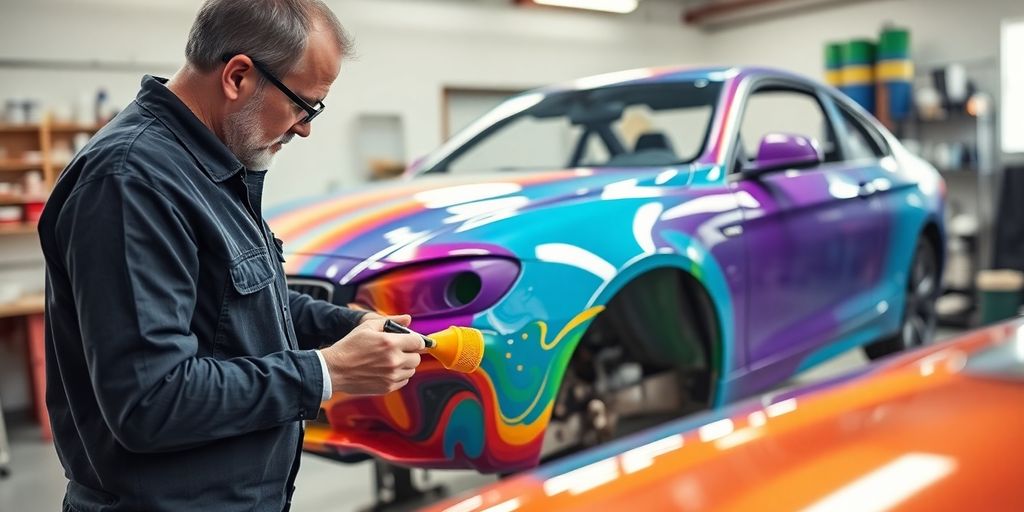
In 2025, the world of car painting jobs is set to offer exciting opportunities for those looking to make a mark in the automotive industry. Whether you’re just starting out or seeking to hone your skills, understanding the ins and outs of this field can be incredibly beneficial. From the essential tools and techniques to the various career paths available, there are plenty of insights to explore. This article will guide you through the key aspects of becoming an auto painter and what to expect in this evolving industry.
Key Takeaways
- Car painting jobs are diverse, ranging from basic repairs to custom paint jobs.
- Skills in painting techniques and knowledge of tools are crucial for success.
- There are various career paths, including entry-level positions and freelance opportunities.
- The demand for car painting services is influenced by market trends and customer preferences.
- Training and certifications can enhance your prospects in the auto painting field.
Understanding Car Painting Jobs
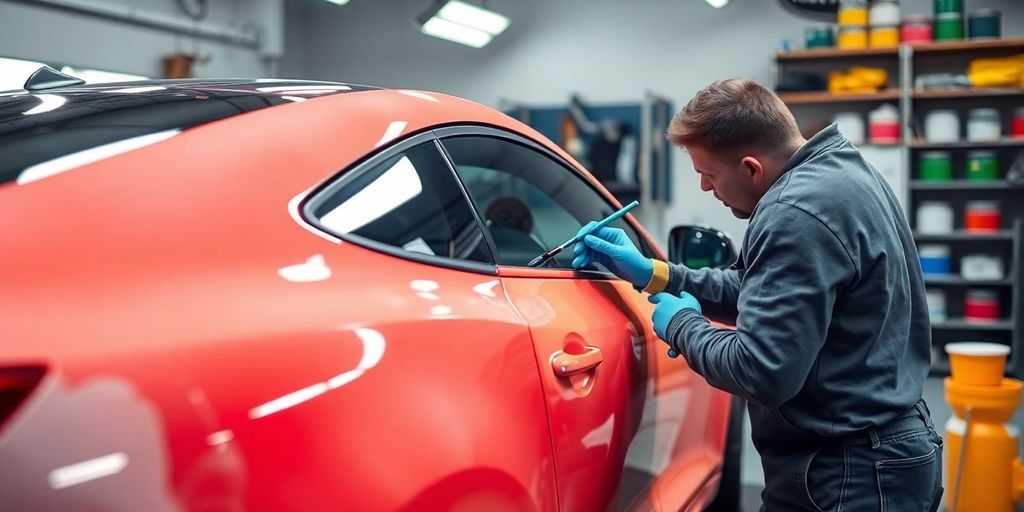
Overview of Automotive Painting
When you get into car painting, you’re entering a field where looks really matter as much as function. This work isn’t just about covering up scratches; it’s about giving each vehicle a fresh, protective layer that makes a difference. A well-applied coat can completely change a vehicle’s look. Plus, exploring painting careers might open up new paths that mix creativity with hands-on work.
Good paintwork doesn’t just improve the appearance—it also helps protect the car from damage over time.
Skills Required for Success
Succeeding as an auto painter means you need a mix of steady hands and a keen eye for detail. Apart from basic technical know-how, you have to be patient and precise. Here are a few skills that help in day-to-day tasks:
- Reliable hand-eye coordination
- Ability to match and mix colors
- Endurance for long, sometimes messy projects
Common Tools and Equipment
In the world of auto painting, the right tools are crucial to do the job right. Painters rely on a blend of everyday items and special gear to achieve smooth finishes. Below is a simple breakdown of some common equipment:
| Tool | Use | Note |
|---|---|---|
| Spray Gun | Applies paint in an even layer | Needs regular cleaning |
| Masking Tape | Protects unwanted areas from paint | Essential for clean edges |
| Respirator | Keeps harmful fumes at bay | Safety gear you can’t skip |
Choosing the right set of tools and honing your skills can make a real difference in how your projects turn out.
Career Paths in Auto Painting
Entry-Level Positions
If you’re just starting out in auto painting, you’re in a great position to learn on the job while building a strong portfolio. Many new painters begin with assistant or apprenticeship roles, gaining time on the floor to understand the basics of color mixing, surface preparation, and safety procedures. Starting out in auto painting can open many doors to both creative projects and steady work. Roles like these often include working alongside skilled professionals and sometimes even volunteering tasks to pick up extra skills. For instance, many training programs recommend getting experience as an auto paint technician to better understand the craft.
A few common entry-level roles include:
- Shop Assistant
- Apprentice Painter
- Junior Technician
Advanced Roles and Specializations
After a few years in the field, many paint professionals move into more advanced roles that require a bit more know-how and confidence. These positions can involve managing larger projects, mentoring entry-level staff, or focusing on specialty areas like custom finishes or restorations. In many cases, experience leads to responsibilities that require both a steady hand and the knack for figuring out complex paint jobs.
Below is a table summarizing some typical roles you might encounter as you gain more experience:
| Role | Experience Required | Earnings Estimate (Hourly) |
|---|---|---|
| Senior Auto Painter | 5+ years | $28 – $35 |
| Project Supervisor | 7+ years | $35 – $45 |
| Custom Paint Specialist | 4+ years | $30 – $40 |
These roles often demand that you keep refining your techniques, staying updated on new tools, and often, juggling multiple projects at once.
Freelance Opportunities
Many experienced auto painters find that freelancing offers a flexible alternative to traditional employment. Working on your own means you can choose projects that truly interest you and control your schedule. However, freelancing does come with its own set of challenges. Here are a few steps that might help if you plan to roll out on your own:
- Develop a solid portfolio showcasing a range of paint jobs.
- Connect with local communities and potential clients through word-of-mouth and local gatherings.
- Keep track of your finances, including supplies, marketing, and tools expenses.
Freelance work in auto painting can be both rewarding and a bit risky, especially when you rely on personal connections and a strong reputation to secure jobs.
All in all, each path offers different rewards and hurdles, and the right choice depends on your personal goals and the lifestyle you want to build in auto painting.
The Demand for Car Painting Services
The world of car painting is shifting pretty steadily. Interest in customized and quality finishes is on the rise, and the market is proving it. Quality paint jobs are now more than an aesthetic choice; they’re part of how owners protect and enhance their vehicles.
Market Trends in Automotive Painting
Looking at the numbers, we can see a clear progression. Over the past few years, job opportunities in automotive painting have grown as more people decide to upgrade their vehicle look. The table below gives a quick snapshot of where things stand:
| Year | Average Job Volume | Growth Rate |
|---|---|---|
| 2023 | 50,000 | – |
| 2024 | 52,000 | 4% |
| 2025 | 55,000 | 5.8% |
These figures show a steady uptick in demand for professional painting services. The trend isn’t just about the numbers but also about consumer desire for better, more durable paints and artistic finishes. Also, some consider linking their services to the auto detailing industry to boost appeal and cross-promote work.
Factors Influencing Demand
Several points drive interest in car painting right now:
- Many vehicle owners are working with older models, prompting the need for thorough paint refreshes.
- The push for customization means a stronger desire for unique finishes that set cars apart.
- New environmental standards have made consumers and businesses more aware of sustainability, often influencing the type of paint and service used.
These points all play a role in stirring up market demand. Car owners see paint work not just as a fix but as a way to really make a statement with their vehicles.
Customer Preferences and Customization
Today’s customers are leaning more toward personal style. Whether it’s a simple color refresh or a complex custom design, people want their vehicles to reflect their personality. They are increasingly selective about the quality and originality of the paint work. Some even list quality finishes as a major factor when choosing which service provider to trust for their vehicle’s look.
A growing trend shows that many customers now consider custom paint work an investment in their car’s overall expression. This attitude is pushing shops to adopt more flexible service offerings that cater directly to these creative desires.
Overall, the shift in customer behavior is clear: a bias towards personalized vehicle aesthetics. As the market evolves, those who can offer that extra bit of customization will likely see more business and long-term success.
Starting Your Own Car Painting Business
If you’re thinking about setting up your own car painting operation, there are several things to plan out. It’s a mix of having the right tools, a game plan for letting people know about your services, and strategies to keep your schedule full.
Essential Startup Costs
Before you grab your paintbrush, work out the numbers. At the very start, you might spend money on basic equipment, setting up a work area, and getting any necessary permits or insurance. A strong start lays out everything you need and avoids surprises later. A great startup mindset is the key to long-term success.
Some costs you might expect include:
| Item | Estimated Cost ($) |
|---|---|
| Spray Equipment | 1,000 – 2,500 |
| Workspace Rental | 800 – 1,500 per month |
| Safety and Paint Gear | 300 – 600 |
| Licensing and Permits | 500 – 1,000 |
Also remember, pricing details might overlap with exact detailing business guidelines for similar automotive services.
Marketing Your Services
Once you’ve got your setup, it’s time to get the word out. Marketing is about making sure local car owners know you’re the person to call for a fresh paint job. A few ideas to consider include:
- Running local ads in community papers or radio spots.
- Building a presence on social media to show off before-and-after shots.
- Offering promotions during slower periods to draw new customers.
Keeping your messaging clear and simple works best when you’re trying to stand out among many options.
Building a Client Base
After marketing, focus on getting repeat business and referrals. Building a client base is a step-by-step process. Here are some steps you might use:
- Network with local auto shops and car clubs.
- Give first-time customers a small discount to try your services.
- Ask for feedback and use it to improve your work.
I remember starting out with just a couple of jobs a week and slowly building up trust in my neighborhood. It was tough sometimes, but every new customer felt like a win.
In the end, a well-planned approach not only saves time and money but helps you connect better with people looking to restore or refresh their rides.
Training and Certification for Auto Painters
Formal Education Options
For those starting out, formal education can provide a structured path to learn the basics of auto painting. A structured classroom and lab work can give you a strong start in understanding techniques and safety. Many technical schools offer short courses that cover mix ratios, color matching, and proper handling of tools. Here are some elements you might study:
- Core theory of paint chemistry and surface preparation
- Hands-on labs that focus on real-world painting scenarios
- Safety practices and proper tool maintenance
These programs often integrate practical projects, and if you’re curious about spray painting techniques, you might find workshops and special sessions bundled into the curriculum.
Apprenticeships and On-the-Job Training
Some of the best learning happens right on the job. Apprenticeships let you work alongside experienced painters, offering a chance to pick up tips that textbooks rarely cover. The hands-on experience in a shop or repair center helps you understand the everyday realities of auto painting work.
A few benefits of this path include:
- Learning directly from seasoned professionals
- Gaining insight into daily challenges and practical fixes
- Building a network that might help you later when you’re job hunting or thinking of starting your own business
Training on the job sometimes feels like learning by doing, where every mistake is a lesson in what to avoid next time.
Certifications to Consider
In addition to schooling and apprenticeships, certifications can verify your skills to employers or clients. Certifications show that you’ve met certain industry standards and can handle complex tasks safely. Consider these paths:
- Safety and environmental certifications, often provided by local organizations
- Specialized awards for skills like advanced mixing or detailed finishing
- Continuing education certifications that update you on the latest methods and regulations
Each certification can add value to your resume and help you stand out in a competitive field. Taking these steps not only boosts your credentials but also cements a solid reputation among peers and employers.
Challenges in the Car Painting Industry
Common Obstacles Faced by Painters
Auto painters run into a fair share of hurdles. Supply delays, worker shortages, and bad communication between departments can slow things way down. These issues often lead to longer wait times and frustrated customers.
Here are some frequent roadblocks:
- Limited availability of needed parts and supplies
- Difficulty finding skilled painters and technicians
- Miscommunication among team members
- Backup in work orders caused by parts shortages
In many cases, painters have to deal with unexpected costs. For hints on budgeting for these delays, check out our painting costs guide.
Navigating Competition
Competition is a constant challenge in the auto painting business. Local shops, large dealerships, and even mobile services are always trying to grab a bigger slice of the pie. Sometimes, the battle is won by quick turnarounds while other times quality takes priority over speed.
Below is a simple breakdown of some common competitive factors:
| Factor | Impact on Business |
|---|---|
| Pricing strategies | Affects customer choice |
| Turnaround speed | Influences repeat business |
| Marketing and promotions | Draws in new clients |
When facing rivals, consider these approaches:
- Emphasize clear communication with clients
- Streamline work processes to cut down delays
- Focus on consistency in service quality
These strategies help build a reputation that can stand out even in a busy market. You might also want to review how cost breakdown assistance compares different overheads.
Maintaining Quality Standards
Keeping work top-notch is key for retaining customers despite the chaos of delays and fierce rivalries. Some painters struggle to consistently deliver quality finishes, often due to rushed jobs or lack of proper materials.
To build lasting trust, consider these measures:
- Regularly update and maintain tools and equipment
- Follow strict cleaning and prepping guidelines
- Invest time in proper drying and finishing techniques
Steady quality management can turn a one-off job into long-term client loyalty, even when time is scarce.
For more insights into managing costs, our auto paint guide might offer helpful pointers.
Future Trends in Car Painting Jobs
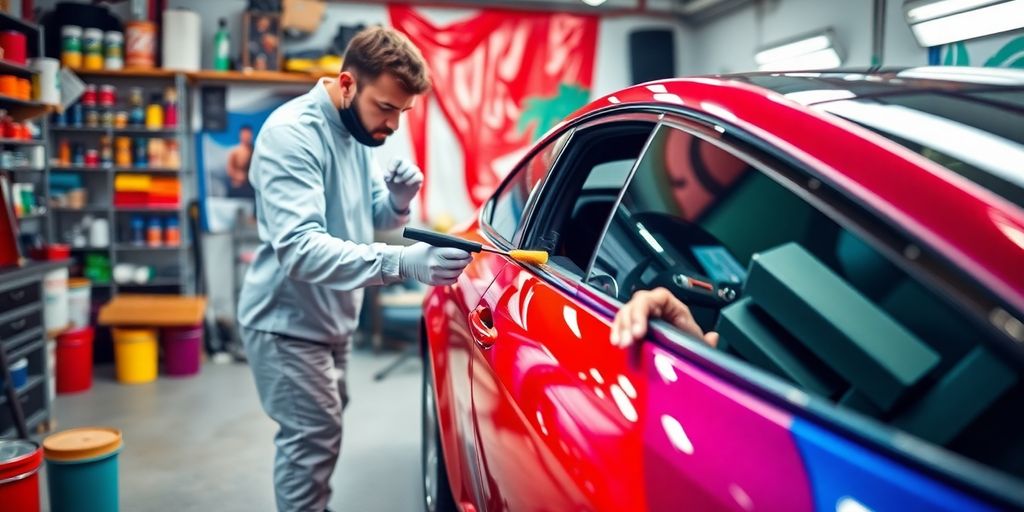
Technological Advancements
The role of modern tech in auto painting is changing things up fast. New machines, automated paint booths, and computer-guided systems are reshaping the trade. In our day-to-day work, you might notice devices that help match colors with exact precision. Technology is reshaping the auto painting world in unexpected ways. When you see improvements in robotic arms or digital inspection tools, it really boosts productivity and quality. For instance, many professionals are turning to innovations that make their tasks smoother and less error-prone; check out painting careers for a closer look at these advances.
Some key tech trends include:
- Using automated equipment for repetitive brush strokes
- Digital devices that fine-tune color matching
- Software to optimize spray and drying times
Sustainability in Automotive Painting
As the industry moves forward, there’s a noticeable push towards greener methods. More shops are trying water-based paints and methods with fewer toxic chemicals. This change helps lower harmful emissions while still giving that clean, lasting finish. Many painters also report that switching to eco-friendly supplies has saved them money in the long run.
Here’s a simple comparison of traditional versus greener painting options:
| Factor | Traditional Paint | Eco-Friendly Option |
|---|---|---|
| VOC Levels | High | Low |
| Drying Time | Medium | Variable |
| Cost | Lower initial cost | Potential long-term savings |
This kind of shift not only helps the environment but also meets the growing demand for sustainable services.
Evolving Customer Expectations
Customers are looking for a better, faster, and more personalized experience when it comes to car painting. They want clarity on pricing, quicker turnaround times, and more custom design choices. It’s no longer just about covering up scratches; it’s about delivering a service that fits what the car owner really wants.
Things customers often expect include:
- Faster service without sacrificing quality
- A range of choices for personalized finishes
- Clear and honest cost breakdowns
In today’s market, there’s a shared understanding that adaption to these new expectations can really set a shop apart from the rest.
By keeping an eye on these future trends, those in the industry can stay competitive and meet the needs of an ever-changing customer base.
Final Thoughts on Car Painting Careers
As we wrap up our exploration of car painting jobs, it’s clear that this field offers plenty of chances for those looking to get into the auto industry. Whether you’re thinking about starting your own painting business or joining a shop, there’s a lot to gain. The satisfaction of transforming a vehicle and seeing a customer’s joy is hard to beat. Plus, with the growing demand for custom paint jobs, the opportunities are only getting better. So, if you’re passionate about cars and have an eye for detail, consider diving into this rewarding career path. The future looks bright for aspiring auto painters!
Frequently Asked Questions
What is automotive painting?
Automotive painting is the process of repainting cars to make them look new again or to change their color. This helps fix scratches or damage and gives cars a fresh appearance.
What skills do I need to become an auto painter?
To be a successful auto painter, you need good attention to detail, painting skills, and knowledge of tools and techniques. It’s also helpful to have a passion for cars.
What tools do auto painters use?
Auto painters use spray guns, sanders, and various brushes. They also need safety gear like masks and gloves to protect themselves while working.
Can I start my own car painting business?
Yes, you can start your own car painting business! You’ll need some equipment, a workspace, and painting skills. It’s a rewarding way to help customers improve their cars.
What training do I need to become an auto painter?
Training can include formal education, apprenticeships, or on-the-job training. Certifications can also help improve your skills and job prospects.
What challenges do auto painters face?
Auto painters often deal with tough competition, maintaining quality work, and keeping up with changing customer preferences and technology.





 PERFECT PAINTER
Leave a comment