
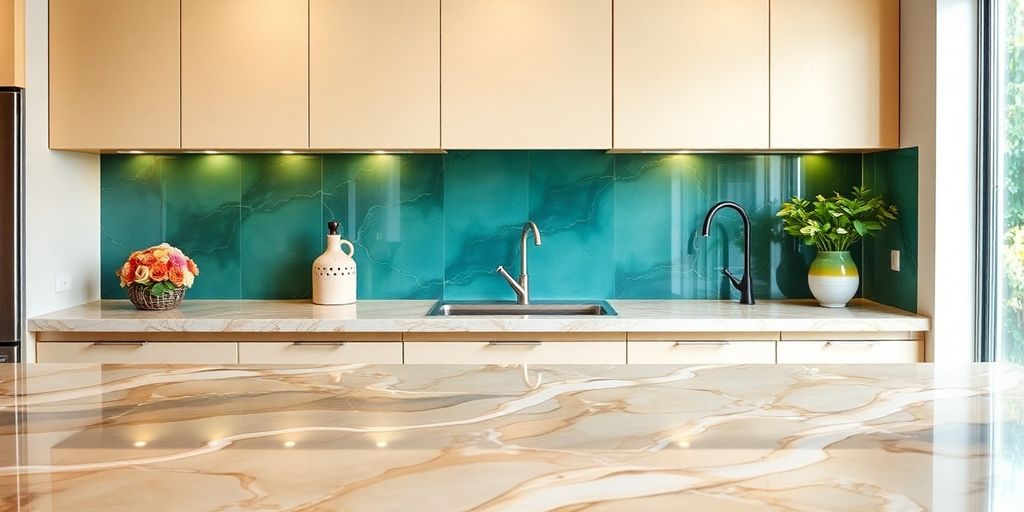
If you’re tired of looking at your old, worn-out countertops but don’t want to spend a fortune replacing them, painting countertops could be the answer. This guide will walk you through everything you need to know about countertop paint, from preparation to maintenance, so you can give your space a fresh new look without breaking the bank.
Key Takeaways
- Countertop paint is a budget-friendly way to refresh your surfaces.
- Proper prep work is key for a successful paint job.
- Choose the right colors and designs to match your style.
- Maintain your painted countertops with gentle cleaning methods.
- Consider the pros and cons before diving into your project.
Understanding Countertop Paint
What Is Countertop Paint?
Countertop paint is a specialized product designed to revamp the look of your kitchen or bathroom surfaces without the hassle of a full replacement. It adheres to various materials like laminate, wood, and even stone, providing a fresh, new appearance. Most countertop paints come with built-in sealants to protect against everyday wear and tear, making them a practical choice for high-traffic areas.
Benefits of Using Countertop Paint
Using countertop paint offers a range of benefits:
- Cost-Effective: It’s a budget-friendly alternative to replacing entire countertops, saving you potentially thousands of dollars.
- Easy Application: Most countertop paint kits come with straightforward instructions, making it a manageable DIY project.
- Variety of Designs: With options mimicking granite, marble, and other high-end finishes, you can achieve a luxurious look without the cost.
Common Misconceptions About Countertop Paint
There are a few myths surrounding countertop paint:
- Durability Concerns: Some people think it won’t last, but with proper application and care, it can endure for years.
- Limited Use: It’s not just for kitchens; bathroom countertops can also benefit from a fresh coat.
- Complex Process: Many assume it’s a complicated task, but with the right tools and patience, it’s quite achievable for most DIY enthusiasts.
Transforming your countertops with paint is more than just a facelift; it’s a way to express your style while being mindful of your budget. The key is in the preparation and patience you invest in the process, resulting in a stunning and durable finish.
Preparing Your Countertops for Painting
Cleaning and Degreasing
Before you even think about picking up a paintbrush, cleaning your countertops thoroughly is a must. Dirt, grease, and grime can ruin your paint job if not properly removed. Here’s what you need to do:
- Clear the Area: Remove all items from the countertop. This includes appliances, utensils, and any decor.
- Use a Degreaser: Apply a good degreaser to the surface to break down any stubborn grease. Let it sit for a few minutes before wiping it off.
- Rinse and Dry: After degreasing, rinse the countertop with warm water and dry it thoroughly with a clean cloth.
Sanding for Better Adhesion
Sanding is key to ensuring the paint sticks well to the countertop. It might seem like a hassle, but it’s worth the effort. Here’s how to do it right:
- Choose the Right Sandpaper: Start with a medium-grit sandpaper (around 150 grit) and finish with a finer grit (220 grit) for a smooth surface.
- Sand Evenly: Use circular motions to sand the entire countertop evenly. This helps the primer and paint adhere better.
- Clean Up: After sanding, wipe down the surface with a damp cloth to remove all dust and debris.
Repairing Imperfections
Before painting, it’s crucial to fix any nicks or scratches on your countertop. Ignoring these can lead to uneven paint coverage. Follow these steps:
- Inspect the Surface: Look for cracks, chips, or any other imperfections.
- Fill in the Gaps: Use a suitable filler to fix these areas. Let it dry completely.
- Sand Again: Once the filler is dry, sand the repaired areas to make them flush with the rest of the countertop.
Prepping your countertops might feel like a chore, but it’s the foundation of a successful paint job. Skipping these steps could mean more work down the line or a less-than-perfect finish. Take your time now, and you’ll thank yourself later.
Step-by-Step Process for Painting Countertops
Applying Primer
Starting with a primer is essential for painting countertops. It provides a solid base for the paint to adhere to, ensuring better durability in the long run. Apply a thin, even coat of primer using a foam roller or brush, and let it dry completely before moving on. Depending on your countertop’s color, you might need more than one coat to cover it fully.
Choosing the Right Paint
When it comes to choosing paint for your countertops, opt for a product specifically designed for this purpose. These paints are typically more durable and resistant to scratches and stains. Follow the manufacturer’s instructions closely, as some paints require multiple coats. Remember, patience is key—let each layer dry fully before applying the next.
Sealing Your Painted Countertop
Sealing is arguably the most critical step in painting countertops. A good sealant will protect your work from chips, scratches, and moisture. Use a clear polyurethane sealant for the best results. Apply it in thin, even layers, and let it cure fully before using your countertops. This might take a few days, but it’s worth the wait to ensure longevity.
Exploring Color Options and Designs
Popular Color Choices
When it comes to painting countertops, choosing the right color can be a game-changer. A splash of color can completely transform your kitchen’s vibe. You might want to consider some of these popular options:
- Neutral Tones: Whites, grays, and beiges are timeless and versatile. They create a clean and spacious look, making them a favorite for modern kitchens.
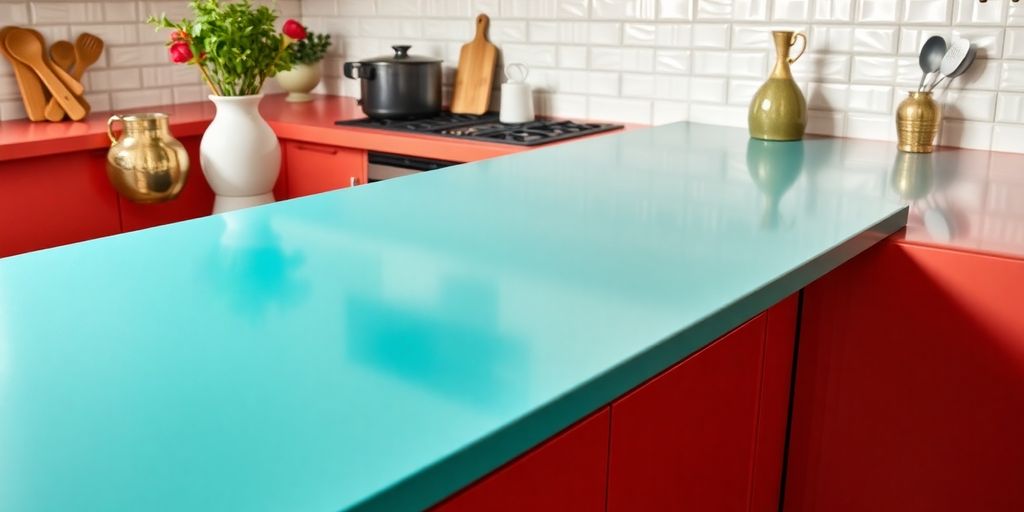
- Bold Colors: Navy, emerald green, or even black can make a stunning statement. These are perfect if you’re looking to add a dramatic touch to your space.
- Earthy Hues: Colors like terracotta, olive, or mustard can bring warmth and a cozy feel to your kitchen.
If you’re unsure about which color to choose, think about the overall atmosphere you want to create. For more ideas on how to select the right paint color for your kitchen, consider exploring selecting the right paint color.
Design Techniques for a Unique Look
Once you’ve picked your color, it’s time to think about design techniques. Here are a few ideas to get you started:
- Faux Marble: This involves using a sponge or brush to create veining effects that mimic real marble.
- Geometric Patterns: Use tape to create sharp lines and shapes for a modern, artistic look.
- Ombre Effect: Gradually blend two or more colors to create a smooth transition from light to dark.
These techniques can add a layer of personalization to your countertops, making them truly one-of-a-kind.
Combining Colors for a Custom Finish
For those who love to experiment, combining colors can lead to a custom finish that stands out. Here are some tips:
- Mix and Match: Pair bold colors with neutrals to balance vibrancy with sophistication.
- Accent Colors: Use a contrasting color for edges or details to make them pop.
- Layering: Apply multiple colors in layers to create depth and texture.
Don’t be afraid to play with colors and techniques. The goal is to create a space that reflects your personal style and makes you happy every time you walk into the room.
Exploring different color options and designs can be a fun and rewarding process. Whether you opt for a single bold color or a mix of hues, your countertops can become a centerpiece of your kitchen’s design.
Maintaining Your Painted Countertops
Cleaning Tips for Longevity
To keep your painted countertops looking fresh and vibrant, regular maintenance is key. Avoid harsh chemicals and abrasive scrubbers; instead, opt for gentle, non-abrasive cleaners and a soft cloth. This will prevent scratches and preserve the paint’s finish. For daily cleaning, a simple solution of mild dish soap and warm water works wonders. Wipe up spills promptly to avoid staining and let your countertops dry completely after cleaning.
Avoiding Common Mistakes
One of the biggest mistakes people make with painted countertops is exposing them to excessive heat. Always use trivets or heat-resistant mats under hot pots and pans to protect the paint. Another common error is cutting directly on the surface, which can lead to scratches. Always use a cutting board to maintain the integrity of your countertops. Lastly, avoid dragging heavy items across the surface to prevent chipping or peeling.
When to Repaint or Touch Up
Even with the best care, painted countertops might eventually show signs of wear. If you notice small chips or scratches, it’s a good idea to touch them up before they worsen. Keep a small amount of your original paint on hand for this purpose. If the wear is more extensive, consider a full repaint. This process may involve lightly sanding the surface before applying a new coat. Remember, regular touch-ups can prolong the life of your painted countertops, keeping them looking their best for years to come.
Painted countertops offer a cost-effective and stylish way to refresh your kitchen or bathroom. With proper care and maintenance, they can remain a beautiful part of your home for a long time.
Pros and Cons of Painting Countertops
Affordability and Accessibility
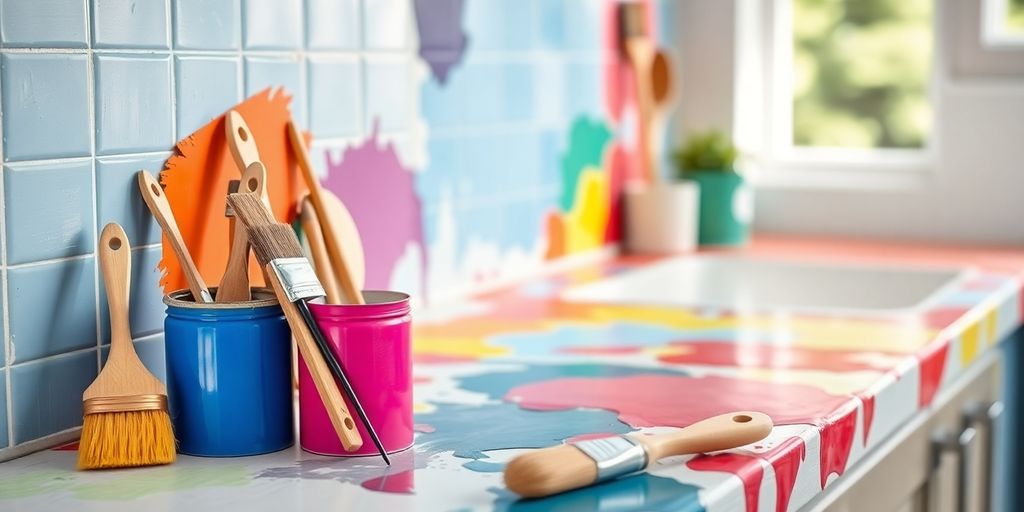
Painting your countertops is one of the most cost-effective methods to give your kitchen or bathroom a facelift. Instead of shelling out thousands for new countertops, a few cans of paint can do the trick. It’s a great option if you’re on a budget but still want to make a big impact. Plus, you don’t need to be a pro to get it done. Most paint kits come with easy-to-follow instructions, making it a fun DIY project for the weekend.
Durability Concerns
While painting might save you money upfront, it doesn’t make your countertops bulletproof. Painted surfaces can chip, scratch, or peel over time, especially in high-traffic areas. They’re also not great with heat—so keep those hot pans away! If you’re someone who spends a lot of time in the kitchen, this might be something to think about.
Impact on Home Value
If you’re thinking about selling your home, painted countertops might not be the best move. Potential buyers might see them as a temporary fix rather than a long-lasting solution. If you’re selling soon, investing in more durable materials might give you a better return on investment.
Painting your countertops can be a quick and affordable way to refresh your space, but it’s important to weigh the pros and cons before grabbing that paintbrush. Consider how you use your countertops and what your long-term plans are for your home.
Inspiration for Your Countertop Transformation
Before and After Examples
Transforming your countertops can be a game-changer for your kitchen or bathroom. Just imagine taking a dull, outdated surface and turning it into something fresh and exciting. Before and after photos are a great way to see the potential of what you can achieve. Whether it’s a subtle change or a dramatic makeover, these transformations are sure to inspire. Think about turning your plain old countertop into a faux marble masterpiece or giving it a sleek, modern finish.
Creative DIY Ideas
If you’re a DIY enthusiast, painting your countertops opens up a world of possibilities. Here are some creative ideas to get you started:
- Faux Stone Finish: Use a sponge to dab on layers of different shades to mimic the look of natural stone.
- Bold Patterns: Get adventurous with stencils to create intricate patterns or geometric designs.
- Chalkboard Paint: Turn your countertop into a writable surface for notes and doodles.
These ideas not only add a personal touch but also make your space truly unique.
Trendy Styles to Consider
When it comes to style, the sky’s the limit. Here are some trendy options to think about:
- Minimalist Elegance: Opt for a simple, solid color that complements the rest of your kitchen.
- Rustic Charm: Use earthy tones and a matte finish for a cozy, farmhouse feel.
- Art Deco Flair: Incorporate metallic accents for a touch of glamour.
Painting your countertops is not just about changing their color; it’s about transforming your entire space. With the right techniques and a bit of creativity, you can achieve a look that’s both stylish and functional. Don’t be afraid to explore innovative wall painting ideas to complement your new countertops and enhance your home’s overall aesthetic.
Final Thoughts on Painting Countertops
So, there you have it! Painting your countertops can really change the vibe of your kitchen or bathroom without costing a fortune. It might seem like a lot of work at first, but once you get into it, you’ll find it pretty straightforward. Just remember to prep well and take your time with the painting. The results can be pretty impressive, and you might even surprise yourself with how good it looks. Plus, it’s a fun way to express your style. So, if you’re feeling stuck with your old counters, grab some paint and get started. You won’t regret it!
Frequently Asked Questions
What is countertop paint?
Countertop paint is a special kind of paint that is made for covering countertops. It can make your counters look like expensive materials like granite or marble, but it’s cheaper.
Can I use countertop paint in my bathroom?
Yes, you can! Countertop paint works well in bathrooms too. Just make sure it can handle moisture.
How long does countertop paint last?
It depends on how well you take care of it. If you clean it gently and avoid harsh chemicals, it can last a few years.
Can I paint over my old countertops?
Yes, you can paint over old countertops, but you need to clean and prepare them first for the best results.
Is painting countertops a good idea?
It can be a great idea if you want to save money and give your kitchen or bathroom a new look without a full remodel.
What colors can I choose for countertop paint?
There are many colors available! You can pick classic white, dark granite, or even bold colors like blue or green.





 PERFECT PAINTER
Leave a comment