

Painting the outside of your home can feel like a big job, but it’s one of the best ways to keep your property looking sharp and protected. A good paint job doesn’t just make your house stand out—it also shields it from the elements and helps avoid expensive repairs later. Whether you’re a first-timer or someone with some experience, knowing the right steps can make all the difference. This guide will walk you through everything you need to know to get that flawless finish.
Key Takeaways
- A well-done exterior paint job protects your home from weather and adds curb appeal.
- Proper prep work, like cleaning and repairing surfaces, is crucial for a smooth finish.
- Pick the right paint and tools for your home’s exterior and climate.
- Mastering techniques like keeping a wet edge ensures a streak-free look.
- Regular upkeep, like cleaning and touch-ups, keeps your paint job looking fresh.
The Importance of Painting Exteriors
Protecting Your Property from Weather Damage
Painting the exterior of your home isn’t just about looks—it’s a shield against the elements. Rain, snow, and even the sun can wreak havoc on your home’s surfaces over time. A proper paint job acts as a barrier, preventing moisture from seeping in and causing rot or mold. Plus, it helps protect against UV rays that can make materials brittle and prone to cracking. Think of it as giving your house a coat of armor.
Enhancing Curb Appeal and Property Value
Let’s be honest, we all judge a book by its cover, and your home’s exterior is no different. A fresh coat of paint can make your house look brand new, turning heads and boosting its curb appeal. If you’re planning to sell, this could even mean a higher asking price. A well-maintained exterior tells potential buyers that the property has been cared for, adding value in more ways than one.
Preventing Costly Repairs
Neglecting your home’s exterior paint can lead to bigger problems down the road. Cracked or peeling paint can expose the surface underneath to moisture, leading to wood rot, rust, or other structural issues. By repainting regularly, you’re catching small issues before they turn into costly repairs. It’s a simple way to save yourself a lot of headaches—and money—in the long run.
A good exterior paint job isn’t just maintenance; it’s an investment in your home’s future. Keep up with it, and you’ll thank yourself later.
Preparing Your Home for Exterior Painting
Assessing the Condition of Surfaces
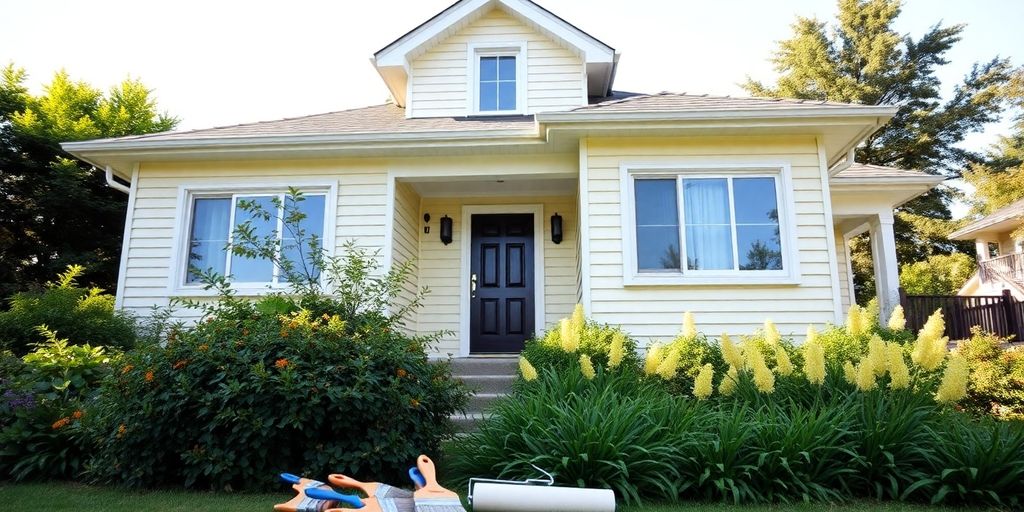
Before you even think about opening a paint can, take a good look at your home’s exterior. Are there cracks? Peeling paint? Signs of water damage? Identifying these problem areas early can save you a lot of frustration later. Use a scraper to remove loose paint and sand down rough spots for a smooth foundation. Don’t forget to fill any cracks or holes with a quality filler, and seal gaps around windows and doors with caulk to prevent moisture issues down the road.
Cleaning and Repairing Walls
A clean surface is non-negotiable if you want your paint to stick. Grab a mild detergent or a specialized cleaner and wash down the walls to get rid of dirt, grime, and mildew. For stubborn stains or larger areas, a power washer can be a lifesaver. Just make sure everything dries completely before moving on. If there are any areas in need of repair, like rotted wood or damaged siding, now’s the time to fix them.
Choosing the Right Tools and Materials
Having the right tools makes all the difference. Invest in good-quality brushes for detailed work and rollers for large surfaces. An extension pole can save your back when tackling those hard-to-reach spots. Don’t skimp on materials—use painter’s tape to protect edges and drop cloths to cover plants and walkways. And remember, high-quality tools not only make the job easier but also give you better results in the end.
Proper preparation isn’t just about the paint—it’s about setting yourself up for success. Taking the time to prep your home thoroughly will pay off when you see that smooth, professional-looking finish.
Mastering Exterior Painting Techniques
Applying Paint Evenly and Smoothly
Getting a smooth, even coat of paint isn’t as simple as slapping it on and calling it a day. The key is to work in small sections and maintain a consistent technique. Start by cutting in around edges, windows, and doors with a brush. Then, use a roller for the larger areas. Roll in a "W" or "M" pattern to spread the paint evenly, and go back over it lightly to smooth out any lines. If the surface is textured, you might need a thicker roller to ensure proper coverage. Don’t overload your roller or brush—too much paint can lead to drips and uneven patches.
Using the Right Brushes and Rollers
Not all brushes and rollers are created equal, and using the wrong tools can make your job harder. For detailed areas like trim or corners, use a high-quality angled brush. For flat, broad surfaces, a roller with the right nap (thickness) is essential. A 3/8-inch nap works for smooth surfaces, while a 3/4-inch nap is better for rough ones like stucco. Extension poles can make painting high or hard-to-reach areas safer and easier. And don’t forget to clean your tools thoroughly after each use to keep them in good shape for future projects.
Maintaining a Wet Edge for Consistency
One of the most overlooked techniques in painting is keeping a wet edge. This means working quickly enough so that the paint you’re applying blends seamlessly with the paint you just put down. If you let the edge dry before continuing, you’ll end up with visible lines or streaks. To avoid this, plan your work in sections and don’t stop in the middle of a wall. Work top to bottom and side to side, overlapping slightly as you go. This approach ensures a uniform finish without any unsightly marks.
Taking your time to master these techniques will save you frustration and give your home a professional-quality finish. A little extra effort now means a flawless look for years to come.
Selecting the Best Paint for Exteriors
Understanding Paint Types and Finishes
Choosing the right paint type is more than just picking a color. Exterior paints are designed to withstand the elements, so they come with added durability. Acrylic paints are often a top choice for exteriors because they resist cracking and peeling. Oil-based paints, while less common, offer excellent coverage and are ideal for detailed trims. Finishes also matter—matte hides imperfections, while gloss highlights details but can show flaws.
| Paint Type | Benefits | Ideal For |
|---|---|---|
| Acrylic | Flexible, weather-resistant | Walls, siding |
| Oil-based | Durable, smooth finish | Trim, doors |
| Elastomeric | Highly stretchable, crack-resistant | Stucco, masonry |
Choosing Colors That Complement Your Home
Picking the right colors can transform your home’s appearance. Start by considering your home’s architectural style—traditional homes might look better with muted tones, while modern designs can handle bold colors. Don’t forget to think about the surroundings. A house in a wooded area might blend well with earthy tones, whereas a coastal home could shine with pastel shades.
Here’s a quick checklist for selecting exterior colors:
- Match or complement roofing and trim colors.
- Consider how the color will look in natural sunlight.
- Test a few samples on your walls before committing.
A well-chosen color palette not only beautifies your home but also adds to its value.
Considering Climate and Environmental Factors
The climate where you live plays a big role in paint selection. Homes in sunny, hot areas need UV-resistant paints to prevent fading. If you’re in a rainy or humid area, look for paints with mold and mildew inhibitors. For regions with freezing temperatures, flexibility in the paint is key to avoid cracking.
Things to consider based on climate:
- Hot, sunny climates: UV-resistant, fade-proof paints.
- Humid areas: Mildew-resistant formulas.
- Cold regions: Flexible paints that expand and contract with temperature changes.
By keeping these factors in mind, you’ll not only get a stunning finish but also ensure it lasts for years to come.
Ensuring a Long-Lasting Finish
Priming for Better Adhesion
Getting the surface ready is the first step to making your paint job last. Applying a good primer seals the surface and creates a solid base for the paint to stick to. This is especially important for bare wood, metal, or areas with stains. Make sure the primer you pick matches the type of paint you’ll use—latex or oil-based. Take your time to apply it evenly, and let it dry completely before moving on to the next step.
Applying Multiple Thin Coats
One thick coat might seem like a shortcut, but it’s a recipe for peeling and uneven coverage. Instead, go for multiple thin coats. This approach not only gives better durability but also ensures a smooth, consistent finish. Start with a light first coat, let it dry as per the paint manufacturer’s guidelines, and then add additional coats. Patience here pays off big time.
Allowing Adequate Drying Time
Rushing the drying process is a common mistake. Each layer of paint needs enough time to set properly. Follow the drying times mentioned on the paint can, and remember that conditions like humidity and temperature can affect this. Avoid painting in extreme heat or cold, and try to keep the surface out of direct sunlight while it dries. This ensures the paint cures properly, making it more resistant to peeling and cracking over time.
Taking the time to prime, layer, and let the paint dry properly can save you from future headaches. A well-done paint job not only looks great but also protects your home for years to come.
For more tips on keeping your painted exterior in top shape, check out these maintenance tips.
Maintaining Your Painted Exterior
Regular Inspections for Damage
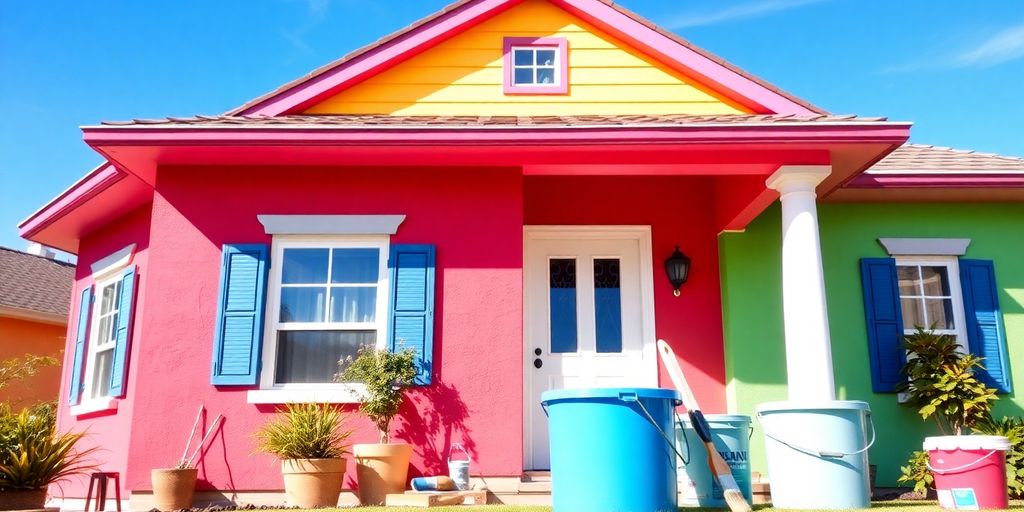
Taking the time to check your painted exterior every few months can save you a lot of trouble later. Look for signs like peeling paint, cracks, or bubbling. These are often early warnings of underlying issues like moisture or weather damage. Don’t wait until it gets worse—addressing small problems early on is much easier and cheaper.
Cleaning Painted Surfaces Properly
Painted surfaces collect dirt and grime over time, which can dull their look. Use a gentle cleaning solution, like a mix of water and mild detergent, to clean your walls. Avoid abrasive tools or harsh chemicals, as these can damage the paint. For example, a gentle cleaning solution is perfect for preserving the paint’s shine while removing dirt. A soft sponge or cloth will do the trick for most surfaces.
Touching Up Peeling or Cracked Areas
If you notice any peeling or cracking, don’t ignore it. Small touch-ups can be done with leftover paint from the original project. Make sure the area is clean and dry before reapplying paint. Sand any rough edges around the peeling area to ensure a smooth finish. This step helps keep the damage from spreading and maintains the overall look of your exterior.
A little maintenance goes a long way in keeping your home’s exterior looking fresh and protected from the elements.
Wrapping It Up
Painting the exterior of your home might seem like a big task, but with the right prep and a little patience, it’s totally doable. From picking the perfect color to making sure your surfaces are clean and smooth, every step matters. And hey, don’t forget to check the weather before you start! A fresh coat of paint doesn’t just make your house look great—it also helps protect it from the elements. So, whether you’re doing it yourself or hiring a pro, take your time and enjoy the process. When it’s all done, you’ll have a home that not only stands out but also stands strong for years to come.
Frequently Asked Questions
Why is painting my home’s exterior important?
Painting your home’s exterior helps protect it from weather damage, enhances its appearance, and can increase its value. It also prevents issues like moisture damage and cracking.
How do I prepare my home for exterior painting?
Start by inspecting surfaces for cracks or peeling paint. Clean the walls thoroughly, repair any damage, and choose the right tools and materials for the job.
What type of paint is best for exteriors?
Exterior paints with weather resistance and UV protection are ideal. Choose high-quality paints that suit your climate and the material of your home.
How can I ensure an even finish while painting?
Use the right brushes and rollers, apply paint in thin, even coats, and maintain a wet edge while painting to avoid streaks or uneven patches.
How often should I repaint my home’s exterior?
It depends on factors like the type of paint used and your local climate, but generally, every 5-10 years is a good timeframe to repaint.
What should I do to maintain my painted exterior?
Regularly inspect for damage, clean the surfaces to remove dirt and mildew, and touch up any areas with peeling or cracked paint to keep it looking fresh.





 PERFECT PAINTER
Leave a comment