
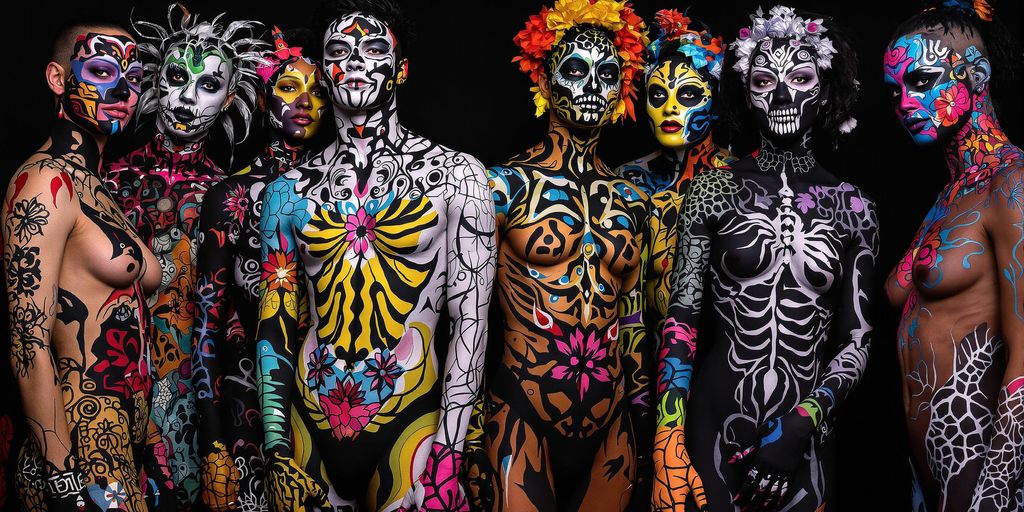
Body painting has come a long way. What started as ancient rituals has now become a vibrant part of modern culture. Artists use the human body as their canvas, blending creativity with personal expression. From social causes to performance art, this unique medium continues to evolve, captivating audiences worldwide. Let’s dive into its journey and explore its place in today’s world.
Key Takeaways
- Body painting is an ancient art form that has found new life in modern culture.
- The human body serves as a dynamic and expressive canvas for artists.
- This art form is used to tell stories, challenge norms, and celebrate individuality.
- Technology, like augmented reality and social media, is reshaping how body painting is created and shared.
- Body painting continues to be a powerful medium for activism, empowerment, and artistic innovation.
The Human Body as a Living Canvas
The Allure of Painting on Skin
There’s something undeniably captivating about using the human body as a canvas. Unlike traditional mediums, skin is alive—it breathes, moves, and transforms. This unique quality makes body painting an art form that feels deeply personal and fleeting. Every brushstroke becomes part of a living, breathing masterpiece. Artists are drawn to this medium because it challenges them to adapt to the contours and textures of the body, creating art that exists in harmony with its "canvas." For the wearer, it’s often an intimate experience, a collaboration that turns their body into a story.
Symbolism and Meaning in Body Art
Body painting isn’t just about aesthetics; it’s a form of storytelling. Artists often use symbols, colors, and patterns to convey deeper meanings. From tribal designs that speak to heritage and identity to abstract compositions reflecting inner emotions, the possibilities are endless. Sometimes, the art is political or social, challenging viewers to think about issues like body autonomy or cultural appropriation. And then there’s the personal—art that captures moments, memories, or even dreams, etched temporarily onto the skin.
The Fusion of Art and Flesh
What makes body painting so fascinating is how it blurs the line between art and life. The human body isn’t static; it moves, it reacts, it ages. When art is applied to skin, it becomes dynamic—an evolving piece that changes with every gesture or breath. This fusion creates a connection between the artist, the model, and the audience, making it a shared experience. It’s not just about looking; it’s about feeling and being part of something ephemeral yet profound. Body painting reminds us that art doesn’t always belong on a wall—it can live, move, and eventually fade, just like us.
Historical and Cultural Roots of Body Painting
Ancient Traditions and Rituals
Body painting has been around for thousands of years, often serving as more than just decoration. In ancient cultures, it had deep ties to rituals and ceremonies. For instance, tribes would use natural pigments to paint their bodies during rites of passage or to prepare for battle. These designs weren’t random; they often symbolized protection, strength, or connection to the spiritual world. The human body became a sacred canvas, telling stories and preserving traditions.
Cultural Significance Across Societies
Across the globe, body painting has held unique meanings. In Polynesian cultures, intricate tattoos and body art were markers of social status or achievements. Meanwhile, in India, henna art (Mehndi) is a tradition tied to celebrations like weddings, symbolizing joy and beauty. Even today, these practices continue, blending ancient customs with modern interpretations.
Evolution into Contemporary Practices
Over time, body painting evolved from its ceremonial roots into a form of self-expression and artistry. Today, it’s not uncommon to see body painting at festivals, art galleries, or performance events. Artists now use advanced techniques and tools to create stunning, intricate designs that push the boundaries of what was once a purely cultural practice. The transition highlights how this art form has adapted while still honoring its rich history.
Body Painting as a Form of Performance Art
Art in Motion: Live Painting Events
Body painting takes on a whole new life when it’s done live. Imagine walking into a room where an artist is transforming a model into a living, breathing piece of art—right in front of you. This is art in motion, where the process becomes just as captivating as the finished masterpiece. Festivals and exhibitions often feature live body painting, letting audiences connect with the artist’s vision in real time. It’s raw, dynamic, and unforgettable.
Theatrical and Immersive Experiences
Body painting doesn’t just stop at being visually stunning—it often becomes part of larger, immersive performances. Think theater productions, where painted performers blend into elaborate sets, or dance shows where their bodies tell the story through movement and color. These experiences blur the line between viewer and participant, drawing people into the narrative in a way traditional art rarely can. Performers use every inch of their painted skin to express emotions, creating a layered and multi-sensory experience.
Collaboration Between Artists and Performers
Body painting is rarely a solo endeavor. It thrives on collaboration—between the artist and the model, or even between multiple artists and performers. Models aren’t just passive canvases; their movements, expressions, and energy add depth to the artwork. Sometimes, choreographers and directors get involved, turning the painted body into a key element of a larger performance. It’s a team effort that results in something truly unique and powerful.
The Role of Technology in Modern Body Painting
Digital Tools and Techniques
Technology has completely changed how body painting is done. Artists now use digital tools like airbrush machines with precision settings and even 3D modeling software to plan their designs. These tools allow for incredible detail and symmetry that were much harder to achieve with traditional brushes. This shift has made body painting more efficient and versatile than ever before.
- Airbrush systems for smoother, even layers
- 3D software to visualize designs before painting
- Digital stencils for intricate patterns
Virtual and Augmented Reality Integration
The combination of body painting with virtual and augmented reality (AR) has opened up new creative possibilities. Imagine a model painted to look like a galaxy, and when viewed through an AR app, the stars move and twinkle. This tech blurs the line between physical art and digital experiences, creating interactive masterpieces that captivate audiences.
- AR apps enhancing painted designs
- Virtual reality platforms showcasing body art in 360-degree views
- Interactive installations featuring painted performers
Social Media’s Influence on Body Art
Social media has turned body painting into a global phenomenon. Platforms like Instagram and TikTok have given artists a stage to share their work instantly with millions of people. Viral challenges, live-streamed painting sessions, and behind-the-scenes content have boosted the popularity of this art form. It’s not just about the art anymore; it’s about the story behind it.
Social media has not only made body painting more visible but also more accessible. Artists from around the world can learn from each other, share ideas, and inspire a whole new generation.
- Viral trends like themed body painting challenges
- Behind-the-scenes videos showing the creative process
- Collaboration opportunities with influencers and brands
Technology has redefined what’s possible in body painting, blending traditional artistry with cutting-edge innovation. Whether it’s enhancing designs with digital tools, creating immersive experiences with AR, or reaching global audiences through social media, the role of technology is undeniable.
Social and Political Dimensions of Body Painting
Art as a Medium for Activism
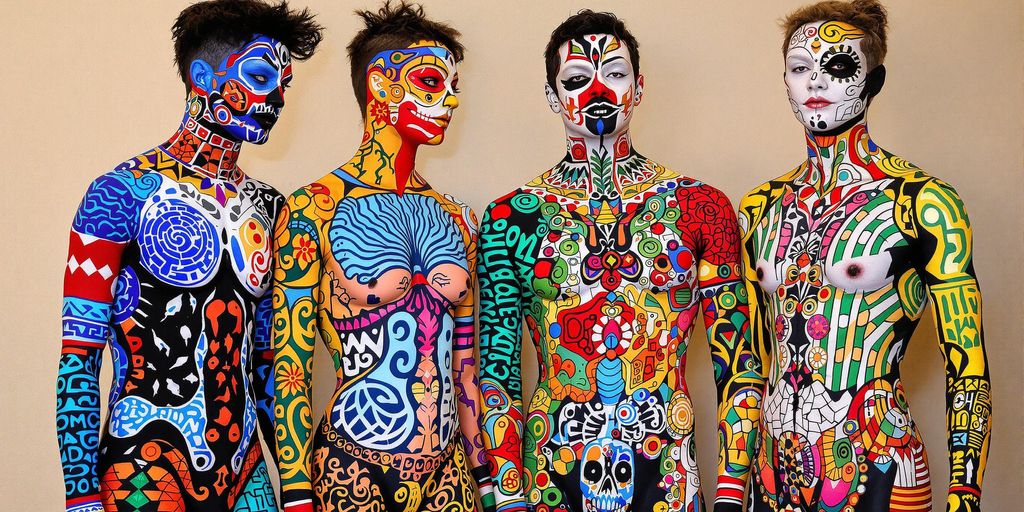
Body painting has become a striking way to make bold statements about social and political issues. Artists use the human body as a canvas to address topics like climate change, racial inequality, and gender rights. It’s not just art; it’s a conversation starter. For instance, painting slogans or symbolic designs directly onto skin creates an immediate, visceral connection with audiences. This type of art often appears at protests and rallies, where it amplifies voices in a visually compelling way.
Promoting Body Positivity and Empowerment
One of the most beautiful things about body painting is how it celebrates all body types. Artists often work with models of varying shapes, sizes, and ages to challenge traditional beauty standards. The process itself can be transformative—both for the artist and the model. Here’s how:
- It encourages self-acceptance by turning perceived flaws into art.
- It highlights the uniqueness of every individual.
- It inspires viewers to rethink their own ideas about beauty.
Challenging Beauty Standards Through Art
Body painting pushes boundaries, especially when it comes to societal expectations of appearance. By painting over scars, stretch marks, or other features often stigmatized, artists turn what some might see as imperfections into powerful statements. This isn’t just about rebellion; it’s about redefining what beauty means. Imagine a person walking into a gallery, covered head-to-toe in intricate designs that tell a story—suddenly, the focus shifts from judgment to admiration.
Body painting reminds us that art doesn’t just hang on walls; sometimes, it walks among us, challenging norms and inspiring change.
Thematic and Conceptual Approaches in Body Painting
Fantasy and Mythological Inspirations
Body painting often draws heavily from the realms of fantasy and mythology, weaving stories of gods, mythical creatures, and epic battles onto human skin. Artists play with vibrant colors and surreal designs to bring these tales to life. Whether it’s a phoenix rising from ashes or a mermaid shimmering under imagined waves, these themes allow for endless creativity. What makes this approach so captivating is its ability to transport both the wearer and the viewer into another world.
Cultural and Symbolic Themes
Cultural motifs and symbols are another cornerstone of body painting. From tribal patterns inspired by ancient rituals to designs that reflect modern cultural identities, these works often carry deep meanings. Artists might incorporate elements like mandalas, totems, or even national flags, creating pieces that resonate on a personal and societal level. This approach not only celebrates diversity but also sparks conversations about heritage and belonging.
Personal Narratives and Storytelling
Some of the most moving body art pieces are deeply personal, telling stories of love, loss, or transformation. These works often feature symbolic imagery—like a butterfly to signify change or a tree to represent growth. For the person wearing the art, it can be a way to share their journey without words. For the viewer, it’s an invitation to connect on a human level, to see beyond the surface and into the story beneath.
Pioneers and Innovators in Body Painting
Trailblazing Artists and Their Contributions
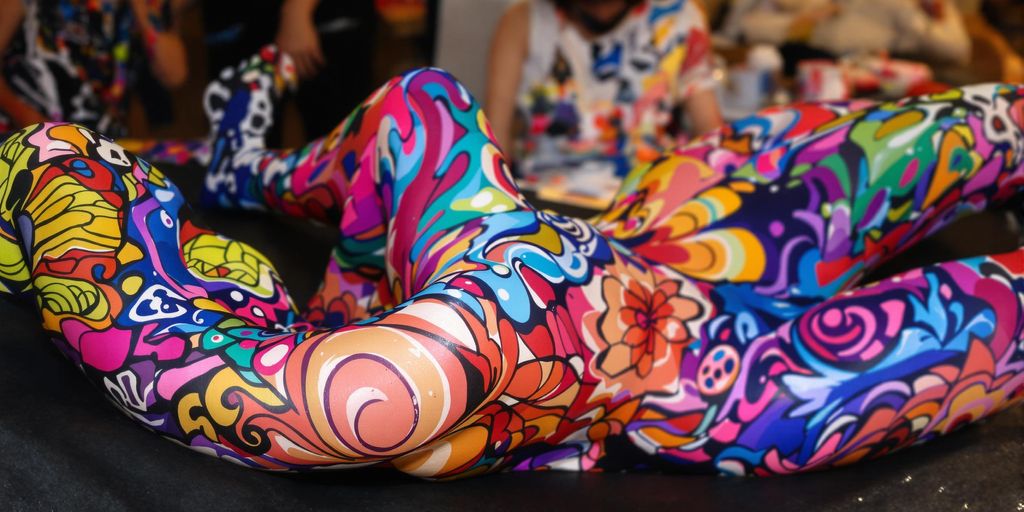
Body painting wouldn’t be what it is today without the visionaries who pushed its boundaries. Craig Tracy, for instance, has mastered photo-realistic techniques that blur the line between painted skin and photography. His ability to transform the human form into an illusionary masterpiece has inspired countless artists. Another standout, Trina Merry, is known for her surrealistic designs that merge people with their surroundings, creating a sense of harmony between humanity and nature. These pioneers have set the stage for a new generation of body painters to experiment and innovate.
Collaborations Across Artistic Disciplines
The most groundbreaking works often come from collaborations. Body painters frequently team up with photographers, sculptors, and dancers to create multi-dimensional art. For example, a body painter might work with a dancer to bring a painted story to life through movement. These partnerships not only enhance the art itself but also expand its reach into other creative fields. Such collaborations show how body painting is more than just an individual effort—it’s an art form that thrives on shared creativity.
The Legacy of Visionary Body Painters
The impact of these innovators isn’t just limited to their works. They’ve paved the way for body painting to be recognized as a legitimate art form. Through exhibitions, live performances, and even social media, these artists have made body painting accessible to a global audience. Their legacy is a testament to the power of turning the human body into a canvas, leaving an indelible mark on contemporary culture and art.
Conclusion
Body painting has come a long way, evolving from ancient traditions to a modern art form that speaks to personal identity, cultural narratives, and social issues. It’s not just about paint on skin; it’s about storytelling, connection, and pushing boundaries. Whether it’s a live performance, a digital masterpiece, or a quiet moment of self-expression, body painting continues to inspire and challenge how we see art and ourselves. As this art form grows and adapts, it reminds us that creativity truly has no limits, and the human body remains one of the most powerful canvases of all.
Frequently Asked Questions
What is body painting?
Body painting is an art form where artists use the human body as a canvas, applying paint directly onto the skin to create designs, patterns, or images.
Where did body painting originate?
Body painting has roots in ancient cultures, where it was used in rituals, ceremonies, and as a form of expression in tribes around the world.
How is body painting different from tattoos?
Unlike tattoos, body painting is temporary. The paint is applied to the skin and can be washed off, while tattoos are permanent designs created by injecting ink into the skin.
What materials are used for body painting?
Artists typically use non-toxic, skin-safe paints designed specifically for body painting. These include water-based paints, airbrush paints, and sometimes cosmetic-grade pigments.
Can body painting be used for activism?
Yes, body painting is often used to make social or political statements. Artists use it to raise awareness about issues, promote body positivity, or challenge societal norms.
Is body painting considered performance art?
Yes, body painting can be a form of performance art, especially when it’s done live in front of an audience or as part of an artistic event or show.




 PERFECT PAINTER
Leave a comment