
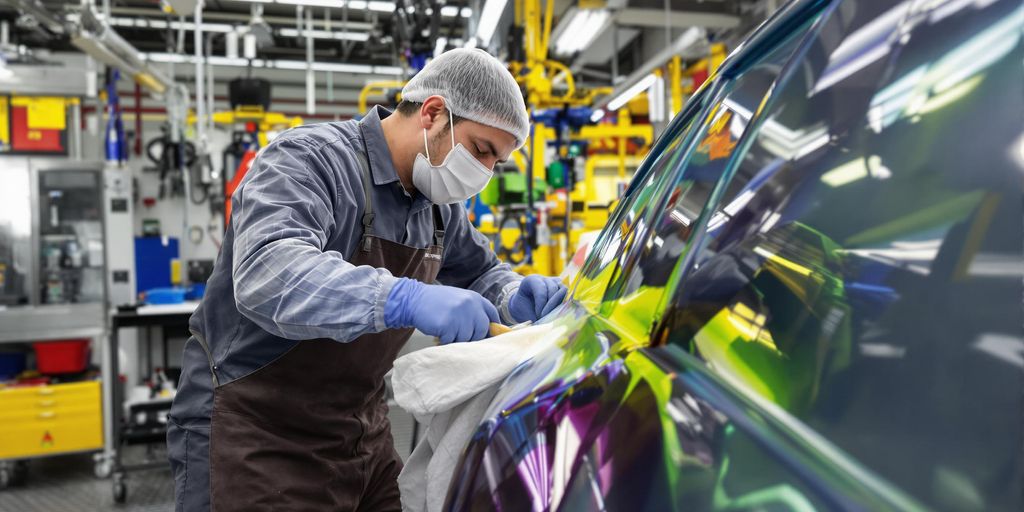
If you’ve ever admired a sleek, perfectly painted car, you might have wondered about the people behind that flawless finish. Painting cars isn’t just a job; it’s a mix of art and science that requires skill, patience, and attention to detail. For those considering a career in this field, there are plenty of opportunities to explore. From working in bustling auto shops to freelancing on custom projects, the world of painting cars jobs is broad and full of potential.
Key Takeaways
- Painting cars jobs blend creativity with technical skills, offering a unique and rewarding career path.
- There are various roles to explore, from entry-level positions to specialized jobs in custom or eco-friendly painting.
- Training and certifications can help you stand out and grow in this competitive industry.
- The rise of electric vehicles and green technologies is shaping the future of automotive painting.
- Networking and staying updated with industry trends are essential for long-term success.
The Role of Paint Technicians in the Automotive Industry
Key Responsibilities of Paint Technicians
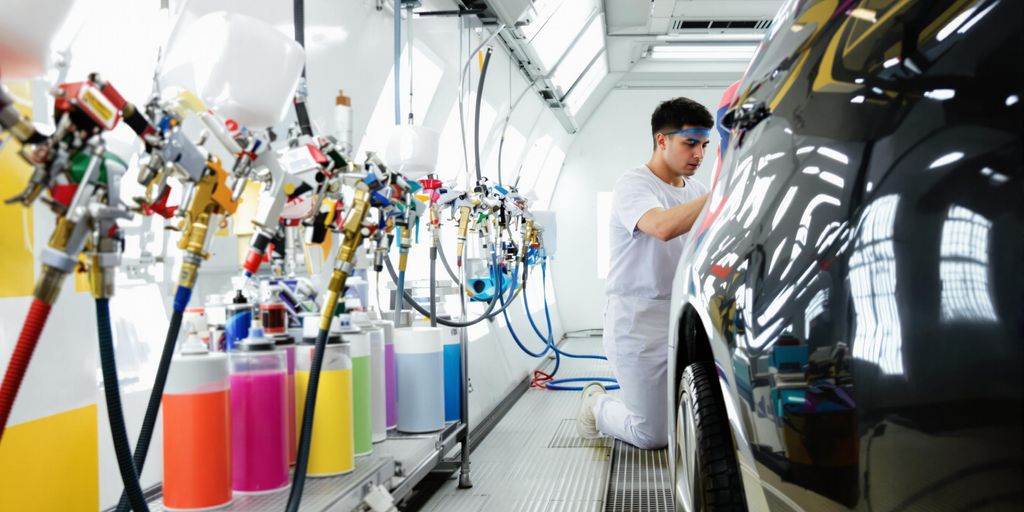
Paint technicians are the artists of the automotive world, transforming vehicles with precision and creativity. Their work goes far beyond simply applying color. Here’s what they typically handle:
- Surface preparation: Cleaning, sanding, and priming the vehicle to ensure a flawless base.
- Color matching: Mixing and matching paints to achieve the perfect shade, often using advanced software.
- Application techniques: Using tools like spray guns for even and smooth coatings.
- Detailing and finishing: Adding final touches, including polishing and protective coatings, for a showroom-ready look.
It’s a mix of technical skill and artistic flair that makes this role so dynamic.
Skills Required for Success
To excel as a paint technician, you need more than just a steady hand. Attention to detail is absolutely essential. Other key skills include:
- Knowledge of paint types and their applications.
- Familiarity with safety protocols when working with chemicals and tools.
- Problem-solving abilities for tackling challenges like uneven surfaces or color inconsistencies.
- Strong communication skills for collaborating with team members and clients.
Having a passion for cars and design doesn’t hurt either!
Emerging Trends in Automotive Painting
The world of auto painting is always evolving. Here are some trends shaping the field:
- Eco-friendly solutions: More shops are switching to water-based paints to reduce environmental impact.
- Technology integration: Automated systems and AI tools are being used for precision and efficiency.
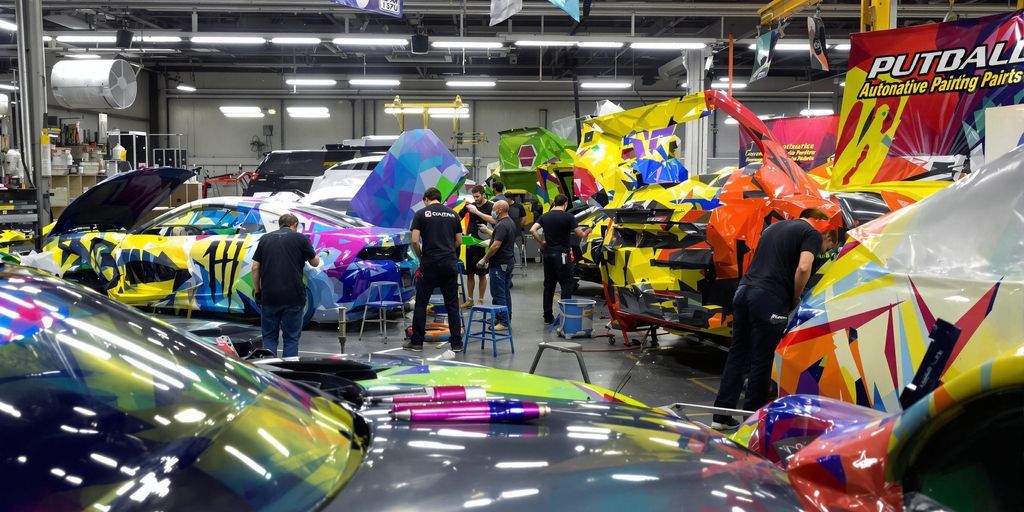
- Custom designs: Demand for personalized graphics and unique finishes is on the rise.
The automotive painting industry is a perfect blend of tradition and innovation, making it an exciting career path for those willing to adapt and grow.
Career Pathways for Painting Cars Jobs
Entry-Level Opportunities in Auto Painting
Starting out in auto painting doesn’t need to be overwhelming. Most people kick off their careers as apprentices or trainees in auto body shops or dealerships. These roles are all about learning the ropes—things like prepping surfaces, mixing paints, and understanding basic spray techniques. It’s a hands-on way to build a strong foundation while earning a paycheck.
Here’s a quick breakdown of typical entry-level tasks:
- Sanding and priming vehicle surfaces.
- Assisting senior painters with paint mixing and application.
- Cleaning and maintaining tools and equipment.
For those wondering about qualifications, a high school diploma is often enough to get started. Some may opt for vocational courses to get a head start.
Advancing to Specialized Roles
Once you’ve mastered the basics, the door opens to more specialized roles. You could become an expert in custom paint jobs, color matching, or even work on high-end luxury vehicles. These roles often require a mix of precision, creativity, and technical know-how.
Specialized roles might include:
- Custom Paint Technician: Focused on unique designs, patterns, and finishes.
- Color Matching Specialist: Ensures flawless paint blending for repairs.
- Industrial Painter: Works in manufacturing plants painting vehicles on an assembly line.
Climbing the ladder often involves years of experience and additional training, but the payoff can be significant both in job satisfaction and salary.
Training and Certification Options
Investing in training and certifications can make a huge difference in your career. Programs like those offered by trade schools or organizations such as ASE (Automotive Service Excellence) can boost your skills and marketability. Certifications not only validate your expertise but also open doors to higher-paying opportunities.
Common training paths include:
- Vocational school programs focused on auto body repair and painting.
- Manufacturer-specific training for specialized techniques.
- Certifications like ASE’s Painting and Refinishing credential.
Taking the time to earn certifications shows employers you’re serious about your craft. It’s a step that can set you apart in a competitive field.
Whether you’re just starting out or looking to advance, the field of auto painting offers a variety of pathways to grow and succeed.
The Art and Science of Automotive Painting
Understanding Paint Types and Techniques
Automotive painting is not just about slapping on a coat of color. It involves understanding a variety of paint types, from traditional solvent-based paints to modern waterborne solutions. Each type has unique properties, like durability, finish, and environmental impact. Techniques such as spray painting, blending, and clear-coating require precision and practice. Mastering these techniques is what separates an average job from a showroom-quality finish.
The Importance of Precision and Detail
Every stroke in automotive painting matters. Whether it’s prepping the surface, masking off areas, or applying the final coat, precision is key. A small mistake can ruin the entire look of the vehicle. Professionals often rely on tools like spray guns with adjustable nozzles and computerized color-matching systems to get things just right.
Attention to detail is what turns a simple repair job into a masterpiece that looks like it just rolled off the factory floor.
Innovations in Eco-Friendly Paint Solutions
The industry is moving towards greener practices, and eco-friendly paints are leading the way. Waterborne paints, for instance, emit fewer volatile organic compounds (VOCs) compared to traditional options. Some manufacturers are even exploring bio-based paints made from renewable resources. Here’s a quick comparison:
| Paint Type | VOC Emissions | Environmental Impact |
|---|---|---|
| Solvent-Based Paints | High | Significant |
| Waterborne Paints | Low | Moderate |
| Bio-Based Paints | Minimal | Low |
These advancements not only benefit the environment but also create healthier workplaces for technicians. As innovations continue, the future of automotive painting looks more sustainable than ever.
Exploring Work Environments for Painting Cars Jobs
Working in Auto Body Shops
Auto body shops are the go-to locations for car painting jobs. These shops handle everything from minor scratches to full vehicle repaints. Painters here often work in fast-paced settings, juggling multiple projects at once. The job requires precision, as customers expect their vehicles to look as good as new. A typical day might involve prepping surfaces, mixing paint, and applying layers with spray guns. Many shops also provide opportunities to learn additional skills, like dent repair or custom detailing.
Opportunities in Manufacturing Plants
Manufacturing plants offer a more structured environment for car painters. Here, the focus is on efficiency and consistency. Painters usually work as part of an assembly line, applying paint to new vehicles. The process is highly automated, but manual touch-ups are often needed. Workers in these plants benefit from steady hours and access to advanced painting technology. Some plants even offer training programs to help employees advance their skills.
Freelance and Contract-Based Painting Jobs
For those who prefer flexibility, freelance and contract-based work is an option. Freelancers often take on custom projects, like restoring classic cars or creating unique paint designs. This type of work allows for creativity but requires strong time-management skills and self-promotion. Freelancers need to invest in their own equipment and workspace, which can be costly upfront but rewarding in the long run. Building a solid client base is key to success in this field.
"Whether you thrive in a high-energy shop, a systematic plant, or as your own boss, the automotive painting industry has a place for you."
How to Build a Successful Career in Painting Cars
Tips for Aspiring Auto Painters
Starting out in the world of auto painting can feel a bit overwhelming, but it’s all about taking the right steps. Here’s how you can get started:
- Get the Basics Down: You’ll need to understand the fundamentals of surface preparation, paint application, and safety protocols. Consider enrolling in a car painting course or program to build a strong foundation.
- Seek Hands-On Experience: Whether it’s through an apprenticeship, internship, or entry-level job, practical experience is key. You’ll learn techniques like spray painting and color matching on the job.
- Invest in Quality Tools: A good painter knows the value of reliable tools. From spray guns to sanding equipment, having the right gear will make a world of difference.
Pro tip: Don’t rush the learning process. Mastering this craft takes time, and every mistake is a chance to improve.
Networking and Industry Connections
Building relationships in the industry can open doors you didn’t even know existed. Here’s how to make it happen:
- Join Industry Groups: Look for local or national organizations related to auto painting. These groups often host events where you can meet experienced professionals.
- Attend Workshops and Trade Shows: These events are great for learning about the latest techniques and tools while connecting with others in the field.
- Leverage Social Media: Platforms like LinkedIn can help you connect with mentors and potential employers.
Staying Updated with Industry Trends
The auto painting industry is always evolving, so staying informed is a must. Here’s how to keep up:
- Follow Industry News: Subscribe to magazines or online publications that cover automotive trends and technologies.
- Take Advanced Courses: As you progress, consider specialized training in areas like eco-friendly paints or custom detailing.
- Experiment with New Techniques: Don’t be afraid to try new approaches or tools. Innovation can set you apart in this field.
Remember, success in auto painting isn’t just about skill—it’s about persistence, passion, and staying curious. For those ready to dive in, becoming a car painter can be both a rewarding and fulfilling career path.
The Future of Painting Cars Jobs in the Automotive Industry
Impact of Electric Vehicles on Painting Jobs
Electric vehicles (EVs) are shaking things up in the auto industry, and painting jobs are no exception. With EVs, the materials used for car bodies are evolving—think lightweight composites and aluminum instead of traditional steel. These materials require different preparation and painting techniques, which means painters will need to adapt. Staying ahead of these changes can set you apart in this growing market.
Technological Advancements in Auto Painting
Technology is making a big splash in auto painting. Robots and AI are being used for precision tasks, like applying consistent coats and minimizing waste. But don’t worry—this doesn’t mean painters are out of a job. Instead, it opens doors for roles like programming and maintaining these high-tech tools. Some shops are even experimenting with 3D printing for custom designs, which could make painting even more specialized.
Sustainability and Green Practices in the Field
The push for eco-friendly practices is strong, and the painting side of the auto industry is no different. Water-based paints and low-VOC (volatile organic compound) coatings are becoming the standard. Recycling systems for leftover paint and solvents are also on the rise. If you’re interested in sustainability, this could be an exciting area to explore, as green practices are only going to grow in importance.
The future of car painting isn’t just about applying paint—it’s about adapting to new materials, mastering advanced tools, and embracing sustainable practices. If you’re ready to learn and evolve, the opportunities are endless.
Wrapping It Up
Working in the automotive industry, especially in roles like painting cars, offers a mix of creativity, skill, and opportunity. Whether you’re just starting out or looking to switch gears in your career, this field has something for everyone. From the satisfaction of seeing a freshly painted car roll out of the shop to the chance to grow and learn as technology evolves, it’s a path full of potential. So, if you’re passionate about cars and enjoy hands-on work, this might just be the perfect fit for you. The road ahead is yours to explore.
Frequently Asked Questions
What does an automotive paint technician do?
An automotive paint technician is responsible for preparing and painting vehicles. They ensure the paint is applied evenly, repair scratches or dents, and match colors accurately.
What skills are needed to become a car painter?
Car painters need attention to detail, knowledge of paint types and tools, steady hands, and the ability to follow safety guidelines. Creativity can also help with custom designs.
Are certifications necessary for auto painting jobs?
While not always required, certifications from organizations like I-CAR or ASE can improve job prospects and demonstrate expertise in auto painting techniques.
What are the career growth opportunities in car painting?
Starting as a technician, you can advance to roles like lead painter, shop supervisor, or even open your own auto body shop. Specializing in custom or eco-friendly painting can also expand opportunities.
Is automotive painting a physically demanding job?
Yes, it can be. The job often involves standing for long hours, wearing protective gear, and working in well-ventilated spaces to avoid exposure to harmful fumes.
What trends are shaping the future of auto painting?
Eco-friendly paints, automation in painting processes, and the rise of electric vehicles are changing the industry. Staying updated on these trends is essential for long-term success.





 PERFECT PAINTER
Leave a comment