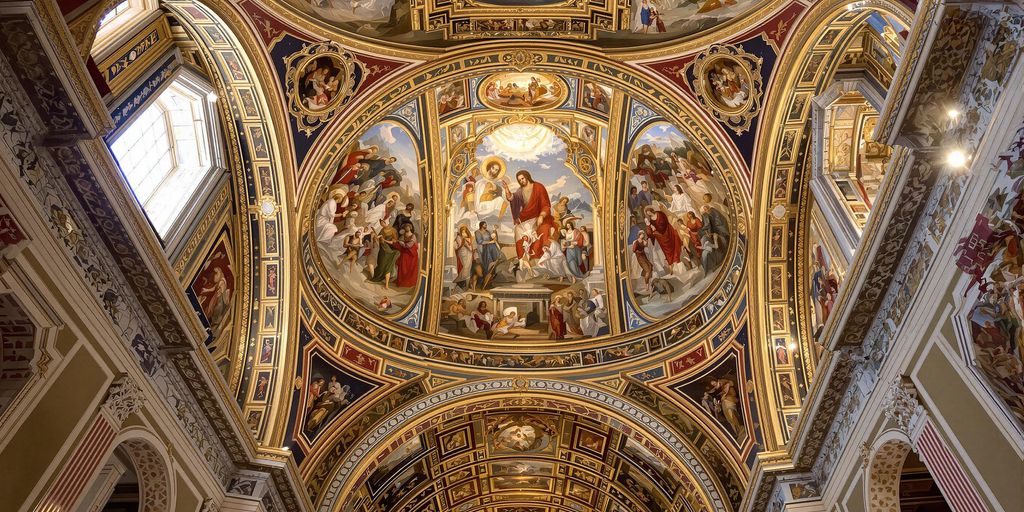
When you think of the ceiling painting in the Sistine Chapel, Michelangelo’s name probably comes to mind right away. But did you know he didn’t even want the job at first? This masterpiece, painted between 1508 and 1512, is more than just art – it’s a story of persistence, innovation, and a lot of neck pain. Let’s dive into the details of how this iconic work came to life, and why it continues to captivate millions of visitors every year.
Key Takeaways
- Michelangelo initially resisted painting the Sistine Chapel ceiling, as he saw himself primarily as a sculptor.
- The ceiling spans over 5,000 square feet and includes nine central panels featuring stories from the Book of Genesis.
- Michelangelo worked standing on scaffolding, enduring physical strain for four years to complete the fresco.
- The decorative elements, like the Ignudi figures and Ancestors of Christ panels, add depth and complexity to the artwork.
- The Sistine Chapel ceiling has had a lasting impact on art, influencing countless artists and sparking debates over its modern restorations.
The Vision and Commission of the Ceiling Painting in the Sistine Chapel
Pope Julius II’s Ambitious Plan
Pope Julius II wasn’t one to shy away from grandeur. In 1508, he decided the Sistine Chapel’s ceiling, which was then a simple blue sky with stars, needed a complete transformation. Initially, he envisioned something modest: a geometric design with the twelve apostles. But as discussions progressed, the project evolved into something far more ambitious—a sweeping narrative of biblical stories that would cover over 5,000 square feet of ceiling. This decision would forever change the course of art history.
Michelangelo’s Reluctance to Paint
Here’s the kicker: Michelangelo didn’t even want the job. He considered himself a sculptor, not a painter. In fact, he tried to dodge the commission, suggesting other artists for the task. But Pope Julius II was persistent, and Michelangelo eventually agreed. Rumor has it, he accepted partly out of fear of offending the pope, who was known for his fiery temperament. Little did Michelangelo know, this "reluctant" project would become his most iconic masterpiece.
The Transition from Stars to Biblical Stories
The original starry ceiling was a far cry from what Michelangelo envisioned. He proposed a complex series of frescoes depicting scenes from the Old Testament, starting with the Creation and ending with the story of Noah. This wasn’t just about aesthetics; it was about storytelling. Each panel was carefully planned to guide viewers through the biblical narrative, all while incorporating intricate architectural elements that gave the illusion of depth. The result? A visual symphony that turned the chapel into a celestial theater.
The Artistic Challenges of Painting the Sistine Chapel Ceiling

The Physical Strain of Working on Scaffolding
Imagine standing on a wooden platform, high above the ground, for hours on end. That’s what Michelangelo endured for four years while painting the Sistine Chapel ceiling. Contrary to the popular belief that he painted lying on his back, Michelangelo actually worked standing upright, craning his neck and stretching his arms upwards. This physically demanding position caused severe neck and back strain, and it’s said to have permanently affected his eyesight. The scaffolding, designed to his specifications, allowed him to work close to the ceiling, but it didn’t make the task any less grueling.
Mastering the Fresco Technique
Fresco painting wasn’t Michelangelo’s forte—he was a sculptor at heart. However, he had to adapt quickly. Fresco involves applying pigment onto wet plaster, meaning each section had to be completed before the plaster dried. It’s a race against time, and mistakes were hard to fix. Michelangelo initially brought a team of assistants to help, but his perfectionist nature led him to fire them and finish much of the work alone. This steep learning curve added another layer of challenge to an already monumental task.
Balancing Scale and Detail
The Sistine Chapel ceiling spans over 5,000 square feet—an enormous canvas by any standard. Michelangelo had to balance the big picture with intricate details, ensuring that both the overall composition and the finer elements were visually striking. Originally, the plan was to paint just the 12 apostles, but Michelangelo proposed a far more ambitious vision: a series of biblical stories, including the Creation and the Fall of Man. This shift in scope required careful planning and execution to fill the vast space without overwhelming or underwhelming the viewer.
Michelangelo’s perseverance through these challenges not only showcased his versatility as an artist but also resulted in one of the most iconic masterpieces in history.
For more about Michelangelo’s incredible work, check out this cultural landmark that continues to inspire awe today.
The Central Themes of the Sistine Chapel Ceiling
The Nine Panels of Genesis
Michelangelo’s ceiling is anchored by nine central panels, each bringing to life stories from the Book of Genesis. These panels don’t just narrate—they radiate emotion and drama. From the separation of light and darkness to the creation of land and seas, every scene captures the divine energy of creation. The Creation of Adam, perhaps the most iconic, shows God reaching out to Adam, their hands nearly touching. This moment, frozen in fresco, symbolizes the spark of life and the connection between the divine and humanity. Other panels, like the Temptation and Expulsion from Eden, highlight the fragility of human nature and the consequences of choice.
The Creation of Adam: A Masterpiece
This single panel has become a symbol of art itself. God, surrounded by angels, extends his hand to Adam in a gesture that’s both tender and powerful. Michelangelo’s depiction of God as a rugged, gray-bearded figure was groundbreaking. Before this, God was often portrayed as abstract or distant. This humanized portrayal changed everything—it set a new standard for religious imagery. Adam, on the other hand, is depicted with youthful energy, his body relaxed yet ready to spring to life. The composition, with its swirling energy and precise anatomy, is a masterclass in storytelling through art.
The Story of Noah and the Flood
The panels depicting Noah’s story are packed with tension and movement. The Great Flood scene is particularly striking, with over 60 figures crammed into the chaos of rising waters and clinging survivors. Michelangelo’s ability to convey desperation and hope in a single panel is unmatched. The Drunkenness of Noah, placed at the start of the sequence, adds a human touch, showing Noah in a moment of vulnerability. These panels remind viewers of humanity’s resilience and flaws, making them some of the most relatable scenes on the ceiling.
The Decorative Elements Beyond the Central Panels

The Role of the Ignudi Figures
The Ignudi, or the nude male figures, are scattered around the Sistine Chapel ceiling, framing the central biblical panels. These figures are not just decorative but serve to unify the entire composition. Michelangelo painted them with incredible anatomical precision, showcasing his deep understanding of the human body. Each Ignudo holds ribbons, garlands, or other elements, tying the biblical stories to the decorative framework. Their dynamic poses and muscular forms add energy and movement to the ceiling, making them unforgettable.
The Ancestors of Christ Panels
Along the edges of the ceiling, Michelangelo included panels depicting the ancestors of Christ, drawn from the Gospel of Matthew. These figures are portrayed in moments of quiet reflection, family interactions, or contemplation. They remind viewers of the human lineage leading to Christ, grounding the divine story in human history. The muted tones and subdued expressions of these panels contrast with the vibrancy of the central scenes, offering a meditative pause in the visual narrative.
The Fictive Architecture and Its Purpose
Michelangelo painted illusionistic architecture to frame the scenes, creating the impression of three-dimensional space. Columns, cornices, and moldings appear to rise and recede, adding depth to the ceiling. This "fictive architecture" serves not only as a visual trick but also as a way to organize the complex imagery. It separates the various biblical stories and decorative elements, making the ceiling easier to "read." The architectural details also enhance the grandeur of the chapel, giving the ceiling a sense of monumental structure.
The Legacy and Impact of Michelangelo’s Ceiling Painting
Influence on Renaissance and Baroque Art
Michelangelo’s ceiling in the Sistine Chapel didn’t just impress—it completely shifted the artistic world. His bold use of anatomy, dynamic poses, and dramatic compositions became a benchmark for other artists. Painters like Raphael were directly inspired by Michelangelo, with Raphael even sneaking elements of Michelangelo’s work into his own frescoes, like in the School of Athens. Later, Baroque artists took Michelangelo’s focus on emotion and movement to new heights, creating art that was even more theatrical and intense.
Revolutionizing Religious Imagery
The ceiling wasn’t just beautiful; it changed how religious stories were told through art. Before Michelangelo, religious paintings often followed a more restrained, symbolic style. But Michelangelo brought raw human emotion and physicality into his work. His figures weren’t just characters in a story—they were deeply human, full of strength, vulnerability, and complexity. This approach made sacred stories feel more relatable and real, connecting viewers to the divine in a way that hadn’t been done before.
Modern Restoration and Controversies
In the 20th century, the Sistine Chapel ceiling underwent a major restoration. The project revealed Michelangelo’s original vibrant colors, which had been hidden under centuries of grime and soot. While many celebrated the restored brilliance, others criticized it, arguing that some of Michelangelo’s details might have been lost or altered. The debate continues, but one thing is clear: the ceiling remains a masterpiece that captivates millions of visitors every year.
Michelangelo’s ceiling is more than just a painting; it’s a story of ambition, struggle, and innovation that continues to inspire artists and viewers alike.
The Sistine Chapel Ceiling as a Visitor Experience
The Awe of Viewing the Ceiling in Person
Walking into the Sistine Chapel, you immediately feel the weight of history and art pressing in from every angle. The ceiling’s sheer scale and intricate detail are nothing short of overwhelming. It’s not just a painting; it’s a monumental story told in vibrant color and astonishing craftsmanship. Visitors often find themselves craning their necks, staring upward, lost in the sweeping narratives of Genesis and the delicate figures of the Ignudi. The room hums with whispers and gasps as people take in the masterpiece that took Michelangelo four grueling years to complete.
Understanding the Layout and Sequence
To truly appreciate the ceiling, it helps to know the layout. The central panels tell the story of Genesis, starting with the Separation of Light from Darkness and culminating in the Drunkenness of Noah. Surrounding these are prophets, sibyls, and other decorative elements that frame the biblical tales. Here’s a quick breakdown of what to look for:
- Nine central panels: Key moments from the Book of Genesis.
- Prophets and sibyls: Figures foretelling the coming of Christ.
- Ignudi: Decorative nude figures showcasing Michelangelo’s mastery of anatomy.
Taking a moment to understand this structure can make the experience far richer, as you’ll begin to see how every element connects to the next.
Tips for Appreciating the Details
- Arrive early or late: The chapel can get crowded, so timing your visit can make a big difference.
- Use a guide or audio tour: These can help explain the stories and symbols you might otherwise miss.
- Focus on one section at a time: Don’t rush. Pick a panel or figure and take your time.
Pro tip: If you’re planning a trip, consider exploring top tours that provide expert insights and a more intimate experience of the Sistine Chapel ceiling.
The Sistine Chapel ceiling isn’t just a sight to see; it’s an experience to savor. Whether you’re an art lover or just curious, standing beneath Michelangelo’s masterpiece is something you’ll never forget.
Conclusion: The Sistine Chapel Ceiling
Michelangelo’s ceiling in the Sistine Chapel is more than just an artistic achievement—it’s a testament to human determination and creativity. From the physical strain of painting on scaffolding to the immense challenge of mastering fresco techniques, Michelangelo overcame obstacles that would have stopped most people. The result? A masterpiece that has inspired countless generations. Standing beneath those vivid panels, it’s impossible not to feel a connection to the past and a sense of awe for what one person can accomplish. It’s a reminder that even the most daunting tasks can lead to something extraordinary.
Frequently Asked Questions
Who painted the ceiling of the Sistine Chapel?
The ceiling of the Sistine Chapel was painted by Michelangelo between 1508 and 1512.
Why was Michelangelo hesitant to paint the Sistine Chapel ceiling?
Michelangelo was primarily a sculptor and didn’t consider himself a painter. He initially resisted the project because fresco painting wasn’t his strong suit.
How did Michelangelo paint the ceiling?
Michelangelo painted the ceiling while standing on scaffolding, craning his neck upward. He worked in sections on wet plaster using the fresco technique.
What stories are depicted on the Sistine Chapel ceiling?
The ceiling features scenes from the Book of Genesis, including the Creation of Adam, the Great Flood, and the story of Noah.
What are the ‘ignudi’ in the Sistine Chapel?
The ignudi are decorative nude male figures that frame many of the panels. They showcase Michelangelo’s skill in depicting the human form.
What is the legacy of the Sistine Chapel ceiling?
Michelangelo’s ceiling revolutionized art, influencing Renaissance and Baroque artists. It remains a masterpiece admired for its scale, detail, and emotional depth.


Leave a Reply