

Body painting is like turning the human body into a moving, breathing masterpiece. It’s an art form that’s been around for ages, evolving from ancient rituals to modern creative expressions. Whether it’s a temporary design or a full-body transformation, this type of artistry blends culture, identity, and imagination in unique ways.
Key Takeaways
- Body painting has roots in ancient rituals and cultural traditions.
- Modern techniques like airbrushing bring precision and creativity to body art.
- The human body becomes a living canvas, adding movement and life to the artwork.
- Artists use body painting to explore themes like identity, culture, and nature.
- Temporary and permanent body art offer different ways to express creativity.
The Evolution of Painting on Bodies
Ancient Traditions and Rituals
Body painting has roots that stretch back thousands of years, deeply linked to rituals and ceremonies. Ancient cultures used natural pigments like ochre, clay, and plant-based dyes to adorn their bodies. These designs symbolized everything from tribal identity to spiritual protection. For example, in many African and Indigenous cultures, body art was a way to communicate rank, marital status, or even readiness for battle. It wasn’t just decoration—it was a living narrative of a community’s values and beliefs.
Modern Innovations in Body Art
Fast forward to today, and body painting has transformed into a vibrant art form that blends traditional techniques with cutting-edge technology. Artists now use airbrushing to create hyper-realistic designs, UV paints for glowing effects, and even digital projections to enhance their creations. What was once a cultural or ritualistic practice has evolved into a platform for self-expression, performance, and even activism. Whether it’s a live painting event or a themed photoshoot, modern body art pushes boundaries, turning the human body into a dynamic, living artwork.
Cultural Significance Across Eras
Throughout history, body painting has served as a bridge between cultures and eras. From the intricate henna designs of South Asia to the bold war paint of Native American tribes, each style tells a unique story. Today, body painting continues to celebrate cultural diversity while also serving as a medium to explore identity and social issues. It’s fascinating to see how this ancient practice has adapted, yet its essence—using the body as a canvas—remains timeless.
Body painting is more than just art; it’s a storytelling medium that connects our past to the present, blending tradition with innovation. The human body, in all its forms, becomes a testament to creativity and resilience.
Techniques for Painting on Bodies
Hand Painting and Brushwork
Hand painting is the most classic method of body art. Artists use brushes and sponges to apply paint directly onto the skin, creating intricate designs and bold patterns. This technique allows for detailed work, such as fine lines and textures. Brushes come in various sizes, from tiny ones for precision to broad ones for covering large areas. It’s a hands-on approach that gives artists full control over every stroke.
Key points for hand painting:
- Use skin-safe, water-based paints to avoid irritation.
- Keep brushes clean to maintain color clarity.
- Blend colors for gradients and depth.
Airbrushing for Seamless Designs
Airbrushing involves using a spray gun to apply paint in a fine mist, resulting in smooth, even coverage. This method is ideal for creating gradients, shadows, and large-scale designs. It’s often used in professional settings because of its precision and speed. Artists can also use stencils to add repetitive patterns or sharp edges to their designs.
Tips for airbrushing:
- Always test the airbrush on a small patch of skin first.
- Adjust the pressure settings for different effects.
- Clean the nozzle regularly to prevent clogs.
Special Effects and Thematic Makeup
This technique merges body painting with theatrical makeup to produce dramatic, eye-catching results. Artists incorporate materials like glitter, prosthetics, and even LED lights to enhance their designs. These effects are often used in performances, photo shoots, or events where the goal is to make a bold statement.
Special effects ideas:
- Combine paint with prosthetics for a 3D effect.
- Use metallic paints for a futuristic look.
- Add elements like feathers or rhinestones for extra flair.
Body painting techniques are like tools in a toolbox—each serves a unique purpose and brings its own flair to the art. Whether it’s the precision of a brush, the smoothness of an airbrush, or the drama of special effects, artists have endless ways to bring their visions to life.
For nature-inspired themes, consider incorporating tree-friendly paints to blend your art with the environment seamlessly.
The Body as a Living Canvas
Transforming Skin into Art
The human body isn’t just flesh and bone—it’s a dynamic, living canvas. Artists who work in this medium take the natural contours, textures, and movements of the body and use them to enhance their creations. This interplay between art and anatomy brings a unique depth to body painting, making each piece as alive as the person wearing it. Whether it’s a simple floral design or an elaborate full-body masterpiece, the art becomes inseparable from the individual.
Exploring Identity Through Body Art
Body painting often goes beyond aesthetics, diving into themes of identity and self-expression. For many, the act of having their body painted is deeply personal, a way to showcase their inner world to the outside. Some use it to celebrate cultural heritage, while others see it as a form of rebellion or empowerment. Here are a few ways body art connects to identity:
- Cultural storytelling: Designs inspired by traditions, myths, and folklore.
- Personal milestones: Celebrating life events through temporary art.
- Symbolic expressions: Using motifs to convey beliefs or emotions.
The Role of Movement in Painted Performances
Body art isn’t static—it comes alive when the person moves. This is especially true in performance art, where painted bodies interact with audiences. The movement adds layers of meaning, as the art shifts and changes with every gesture. Dancers, for example, use painted designs to amplify their storytelling, while actors might embody characters through intricate body art.
The fusion of art and motion creates a fleeting masterpiece, one that exists only in the moment and is as ephemeral as a breath.
Body painting transforms the human form into something extraordinary, blending art, identity, and movement into a single, captivating expression.
Notable Artists in Body Painting
Pioneers Who Shaped the Art Form
Body painting has a rich history, and some early pioneers truly revolutionized the way the human body is used as a canvas. Yves Klein, for instance, made waves with his Anthropometry series, where models coated in his iconic blue paint pressed their bodies onto canvases, leaving behind raw, human imprints. This wasn’t just about aesthetics—it was performance meeting visual art. Another trailblazer, Yoko Ono, brought a more conceptual approach. Her piece "Cut Piece" in 1964 wasn’t painting in the traditional sense, but it used the body in a way that made audiences rethink art itself. These pioneers laid a foundation for body art as more than decoration—it became a form of storytelling and expression.
Contemporary Innovators and Their Styles
Today, the world of body painting is brimming with creativity. Artists like Trina Merry push boundaries by camouflaging her models into urban and natural landscapes, making them nearly invisible against their surroundings. It’s not just art—it’s an optical illusion. Then there’s Guido Daniele, who transforms hands into lifelike animals in his "Handimals" series. His attention to detail is jaw-dropping, and his work feels like a celebration of both nature and human creativity. Another standout, Craig Tracy, takes photo-realistic body painting to new heights, often creating pieces that blur the line between reality and illusion. These artists aren’t just painting bodies; they’re creating immersive experiences.
Iconic Works That Redefined Body Art
Some works have become iconic in the body painting world. Klein’s Anthropometry series remains a landmark, but newer works like Merry’s urban camouflage pieces are equally groundbreaking. For example, her "Manhattan Bridge" piece, where a model seamlessly blends into the cityscape, challenges viewers to rethink how we interact with our environments. Similarly, Daniele’s Handimals aren’t just paintings—they’re a celebration of life and form. These works don’t just sit on a wall; they live, breathe, and move, redefining what we think of as "art."
Themes and Inspirations in Body Painting
Nature and Environmental Motifs
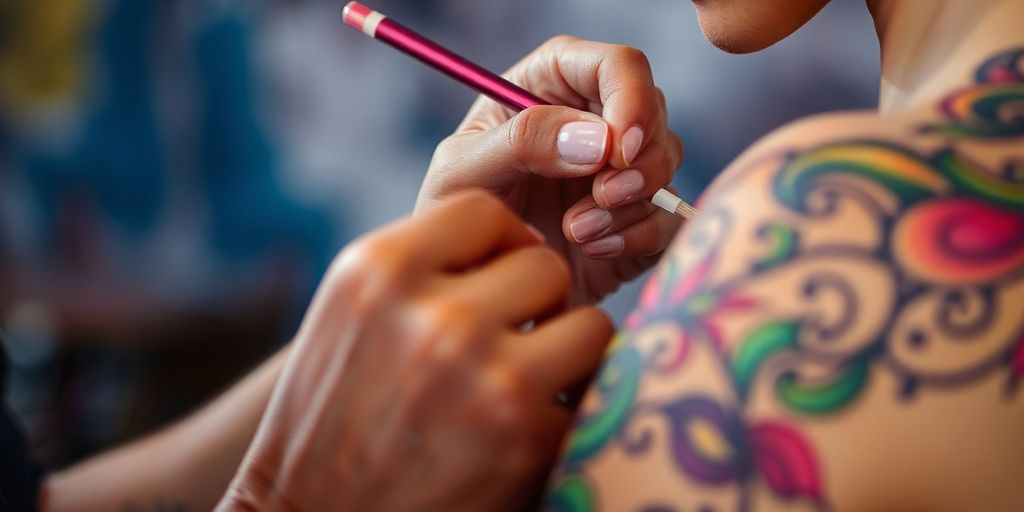
Nature has always been a major source of inspiration for body painters. From intricate floral patterns to representations of wildlife, artists often use the human body to celebrate the natural world. Some designs highlight environmental issues, like endangered species or climate change, turning the art into a form of activism. Body painting becomes a way to connect the viewer with the beauty and fragility of nature.
- Common nature themes include:
- Forest landscapes and trees
- Ocean waves and marine life
- Sunsets, mountains, and starry skies
Cultural and Mythological Narratives
Cultural stories and myths are another rich area of inspiration. Artists often use body painting to reimagine folklore, legends, and traditional symbols. For example, depictions of gods, mythical creatures, or tribal markings can honor cultural heritage while also adding a modern twist. This approach not only entertains but educates audiences about diverse traditions.
Abstract and Avant-Garde Expressions
Abstract designs and avant-garde ideas allow artists to break free from traditional forms. Swirls of color, geometric patterns, and surreal imagery push the boundaries of what body art can be. These designs often provoke thought and encourage viewers to interpret the art in their own way, making it a deeply personal experience.
Temporary vs. Permanent Body Art
Henna and Other Temporary Techniques
Temporary body art is perfect for people who want to experiment with designs without committing long-term. Henna, for example, is a natural dye that stains the skin in intricate patterns for up to two weeks. Other popular options include transfer tattoos, sticker tattoos, and even airbrushed designs. These methods are quick, painless, and ideal for special occasions or festivals. The beauty of temporary art lies in its flexibility—change your look as often as you like!
Here’s a quick comparison of common temporary techniques:
| Technique | Duration | Application Method |
|---|---|---|
| Henna | 1-3 weeks | Freehand with paste |
| Transfer Tattoos | 1-7 days | Press and apply water |
| Airbrushed Designs | 1-2 days | Spray-on with stencils |
The Commitment of Permanent Tattoos
Permanent tattoos are a completely different ballgame. They involve inserting ink into the skin’s dermal layer, making the design last a lifetime. This level of permanence requires careful thought. You’ll want to consider the design, placement, and even the potential pain of the process. Choosing a skilled artist is crucial to ensure both safety and quality. While permanent tattoos can be an amazing form of self-expression, they’re not for everyone.
If you’re thinking about going permanent, here are a few things to keep in mind:
- Research the tattoo artist and studio for hygiene and skill.
- Test your pain tolerance—some areas are more sensitive than others.
- Think about how the design will age with you over time.
Blending Temporary and Permanent Styles
Some people are blending the best of both worlds. For instance, you might try temporary tattoos to "test drive" a design before committing to a permanent one. Others incorporate temporary elements, like henna or airbrushed accents, to complement their permanent ink. This hybrid approach allows for creativity while keeping things fresh and adaptable.
Body art, whether temporary or permanent, is all about personal expression. It’s a way to tell your story, even if just for a day—or forever.
For those unsure about diving into permanent tattoos, temporary tattoos offer a fantastic way to explore designs without the lifelong commitment.
The Intersection of Body Art and Performance
Live Painting as a Spectacle
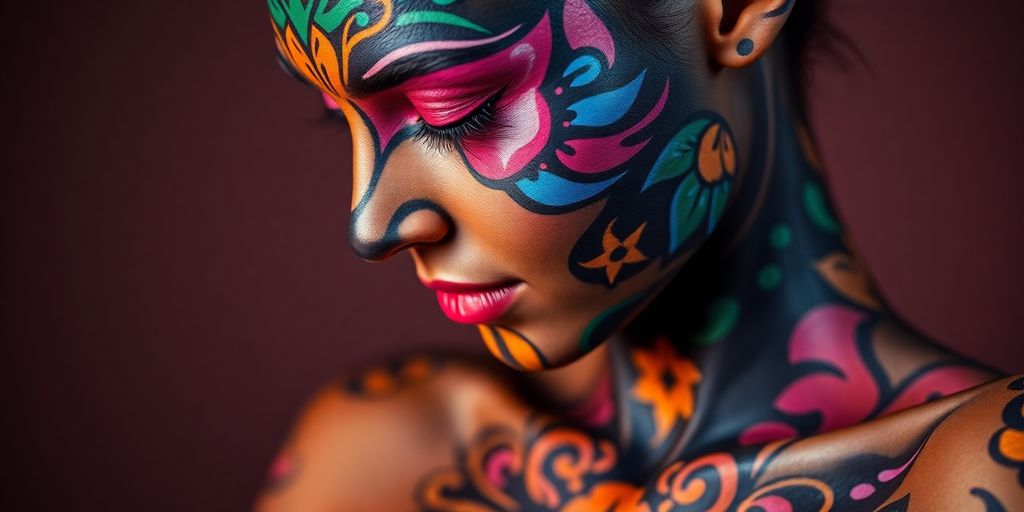
Body art often comes alive in front of an audience, turning the act of creation into a mesmerizing performance. Artists paint directly onto models during live events, allowing viewers to witness the transformation of the human body into a living artwork. This dynamic process not only highlights the artist’s skill but also engages the audience in a shared, unfolding experience. The immediacy of live painting creates an emotional connection, making the art feel more personal and impactful.
Theatrical Uses of Body Art
In theater, body painting is more than decoration—it’s a storytelling tool. Performers use painted designs to embody characters, themes, or emotions, adding depth to their roles. For example, swirling patterns might represent chaos, while intricate details could symbolize a character’s inner world. This visual layer enriches the narrative, blending movement and art into a cohesive performance. The audience doesn’t just watch—they feel the story unfold through every painted gesture.
Festivals and Public Displays of Painted Bodies
Festivals around the world celebrate body painting as a communal art form. Events like body painting championships or cultural festivals bring together artists, models, and spectators in a vibrant showcase of creativity. These gatherings often feature themes, encouraging artists to push boundaries and explore new ideas. Whether it’s a floral design symbolizing nature or abstract patterns reflecting modern art, these public displays turn the human body into a canvas for collective expression.
Body art in performance is a unique blend of the ephemeral and the eternal—capturing fleeting moments that leave lasting impressions.
Conclusion
Body art is more than just a creative outlet—it’s a way to tell stories, challenge norms, and connect with others on a deeper level. Whether it’s through intricate tattoos, bold body painting, or temporary designs, this art form turns the human body into a living, breathing canvas. It’s a reminder that art doesn’t have to stay on walls or in galleries; it can walk, move, and interact with the world. As we continue to explore and experiment with body art, one thing is clear: it’s a celebration of individuality and the endless ways we can express ourselves. So, whether you’re an artist or just someone who appreciates the beauty of it all, body art invites us to see the human form in a whole new light.
Frequently Asked Questions
What is body painting and how is it different from tattoos?
Body painting is a temporary art form where designs are painted directly onto the skin using brushes, sponges, or airbrushes. Unlike tattoos, which are permanent and involve ink being injected into the skin, body painting washes off and does not require needles.
How long does body paint last on the skin?
Body paint typically lasts anywhere from a few hours to a full day, depending on the type of paint used and the activity level of the person wearing it. Special setting sprays can help make the paint last longer.
Is body painting safe for all skin types?
Most body paints are made with skin-safe ingredients, but it’s always a good idea to do a patch test first, especially if you have sensitive skin or allergies. Always use paints specifically designed for skin to avoid irritation.
What are some popular themes in body painting?
Popular themes include nature-inspired designs, cultural and mythological stories, fantasy creatures, and abstract art. Many artists also create designs that blend the human body with the surrounding environment.
Can body painting be combined with performance art?
Yes, body painting is often used in performance art to enhance storytelling or create a visual spectacle. It’s commonly seen in live shows, theater, festivals, and public events where the painted body interacts with the audience.
What are the tools and materials needed for body painting?
Common tools include brushes, sponges, and airbrushes, while materials include water-based or alcohol-based body paints. Some artists also use stencils for intricate designs and setting sprays to ensure the paint stays in place.




 PERFECT PAINTER
Leave a comment