
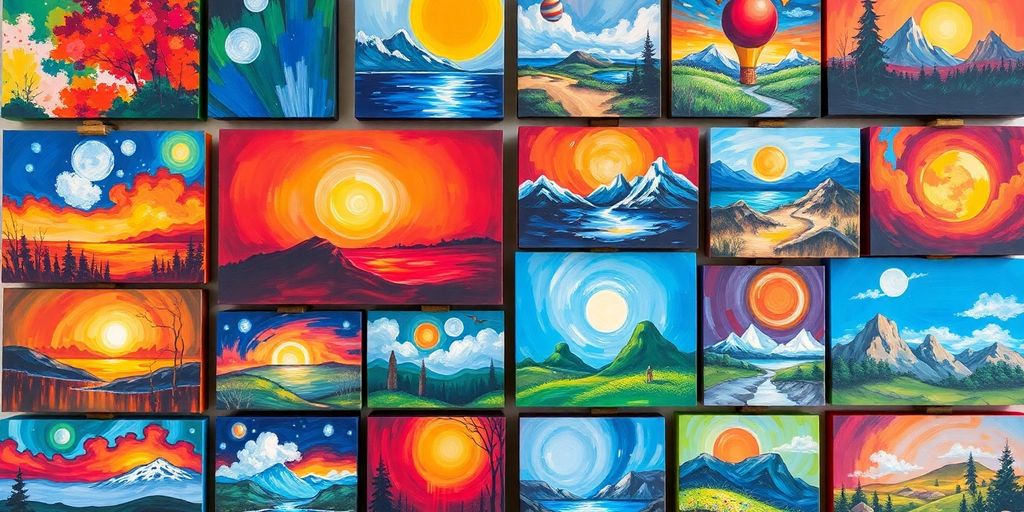
Staring at a blank canvas can be both exciting and intimidating. Whether you’re just starting out or have been painting for years, there’s always room for new ideas. This article is packed with creative painting ideas on canvases that cater to every skill level. From abstract techniques to nature-inspired scenes, minimalist designs to expressive brushwork, there’s something here for everyone. Grab your brushes and let’s dive into the colorful world of canvas painting.
Key Takeaways
- Explore abstract painting techniques to create depth and emotion.
- Nature-inspired themes can bring landscapes, florals, and animals to life.
- Minimalist art focuses on simplicity, using monochrome and negative space.
- Expressive brushwork and techniques like palette knife painting add energy.
- Incorporate typography for a unique blend of text and imagery in art.
Exploring Abstract Painting Techniques
Creating Depth with Layering
Abstract art is all about the layers. By stacking different paints, you can make your work pop. Start with a base layer and then add more on top, letting each dry a bit before the next. This gives your art a kind of 3D effect. You can use thick paint for texture or thin washes for a softer look.
- Begin with a solid base color.
- Add layers of varying thickness.
- Use both brushes and palette knives for different effects.
Using Color to Evoke Emotion
Colors can totally change how a painting feels. Bright colors can make it feel happy and energetic, while dark tones can make it feel intense or moody. Try mixing unexpected colors to see what happens. Like, mix a deep blue with a bright orange and see how it changes the vibe of your piece. Remember, abstract art is about feeling, not just looking.
Incorporating Texture for Interest
Texture is what makes abstract art fun to touch and look at. You can add texture by using different tools like brushes, sponges, or palette knives. Even household items like combs or forks can create interesting patterns. The key is to experiment and not worry too much about the rules.
Abstract art is about breaking boundaries and expressing what you feel inside. Don’t be afraid to make a mess and see where it takes you.
Nature-Inspired Canvas Creations
Capturing the Essence of Landscapes
When painting landscapes, it’s all about capturing that feeling of being in the great outdoors. Start by thinking about what draws you to a particular scene. Is it the colors, the light, or maybe the textures? Using a variety of brushstrokes can help replicate these elements on canvas. Try layering different shades to mimic the depth and richness of a real landscape. You could even use a sponge or a palette knife to add texture, making your painting feel more alive.
Floral Designs for Every Season
Flowers are a timeless subject, and each season offers its own unique palette. In spring, think pastels and soft greens. Summer might bring bold, vibrant hues, while autumn offers rich oranges and reds. For winter, consider whites and icy blues. You can create a series of floral paintings that reflect the changing seasons, or focus on a single favorite flower. Use a mix of brushes to capture the delicate details of petals and leaves.
Animal Portraits with Personality
Painting animals can be incredibly rewarding, especially when you capture their unique personalities. Start with a simple sketch to get the proportions right. Then, think about what makes the animal special. Is it the glint in their eye or the fluffiness of their fur? Use bold colors and playful brush strokes to bring these features to life. Animal portraits are a great way to practice capturing emotion and character in your art.
Nature-inspired art allows you to bring the beauty of the outdoors into your home. Whether it’s through landscapes, floral designs, or animal portraits, these creations can be a soothing escape from the hustle and bustle of everyday life. Embrace the colors and textures of nature and let them guide your artistic journey.
By exploring unique paint inspirations that connect indoor spaces to the outdoors, you can transform your home with fresh colors and nature-inspired palettes. Embrace the power of color to rejuvenate your living environment.
Mastering the Art of Minimalism
The Beauty of Simplicity
Minimalism in art is all about stripping down to the essentials. It’s the art of saying more with less. Imagine a canvas where every brushstroke counts, where the negative space speaks as loudly as the painted areas. You start with a simple idea or emotion and let it guide you. Think of minimalist art as a whisper in a world full of noise, each element carefully chosen to convey a message without clutter.
Monochromatic Magic
Working with a single color palette can be incredibly freeing. It pushes you to explore depth and contrast in new ways. By focusing on different shades and tones of one color, you can create a sense of unity and harmony in your work. It’s not just about using black and white; even a single hue can offer endless possibilities. This approach encourages you to play with light and shadow, finding new ways to express yourself within a limited spectrum.
Negative Space as a Tool
Negative space isn’t just the background; it’s an integral part of the composition. In minimalist art, the space around your subject is as important as the subject itself. It guides the viewer’s eye and creates balance. This technique can add a sense of calm and focus to your work. It’s about knowing when to stop, when to let the empty space do the talking. Embracing negative space can lead to powerful, understated pieces that resonate deeply with viewers.
Expressive Brushwork and Techniques
Dynamic Strokes for Energy
Creating movement in a painting is all about the brushwork. Use bold, sweeping strokes to suggest energy and motion. Think of a dancer twirling or waves crashing on a shore. You want your brush to mimic that motion. Looser strokes can convey a sense of fluidity and life. Try using a variety of brush sizes and shapes to see how they affect the flow of your paint. Don’t be afraid to experiment with different pressures and angles. A light touch can create a whisper of color, while a heavy hand can lay down a thick, expressive line.
Blending Colors Seamlessly
Seamless blending is key for a polished look in your paintings. Start with a wet-on-wet technique, where you apply new layers of paint while the previous ones are still wet. This allows the colors to naturally mix and flow into each other. If you’re working with oils, patience is your friend here, as they dry slowly. For acrylics, you might need a retarder to keep them workable. Remember, the goal is to create smooth transitions without harsh lines. Blend with soft, circular motions and use a clean brush or sponge to gently merge the colors.
Experimenting with Palette Knives
Palette knives aren’t just for mixing paint. They can create amazing textures and effects on the canvas. Use them to apply thick layers of paint with impasto techniques, giving your work a three-dimensional feel. This method is perfect for adding highlights or creating the illusion of depth. Experiment with different angles and pressures to see how the paint reacts. You can achieve anything from sharp, crisp lines to soft, blended areas. The beauty of palette knives is in their unpredictability—each stroke can bring a new surprise.
Incorporating Typography in Art
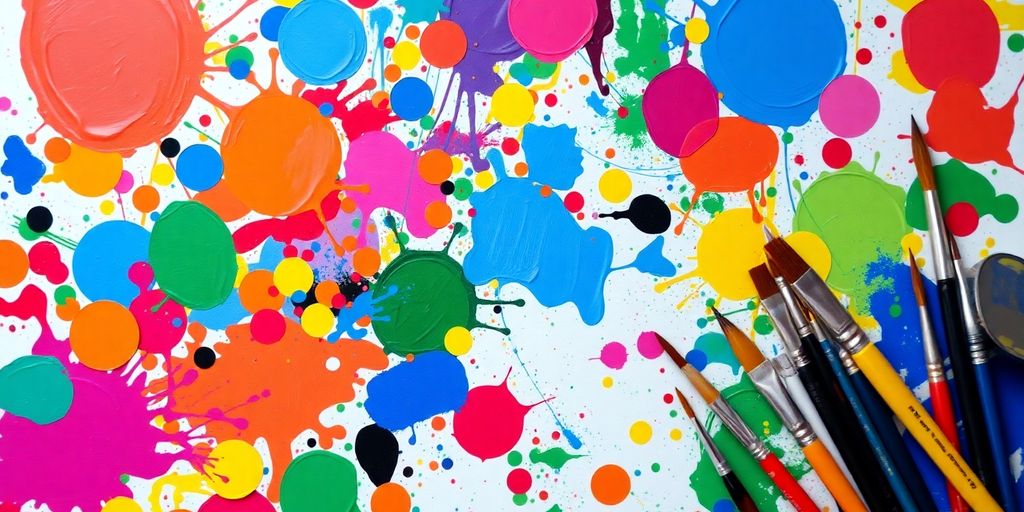
Typography in art is all about mixing text with visuals to create something eye-catching and meaningful. It’s not just about slapping some words on a canvas; it’s about making those words part of the art itself. Let’s dive into how you can do this effectively.
Choosing the Right Fonts
Picking the right font is like choosing the right brush. It sets the tone for your whole piece. Do you want something bold and modern, or something more classic and elegant? Think about what fits the message you’re trying to convey. Experiment with different styles until you find one that speaks to you. Here are a few tips:
- Consider the mood: Is it playful, serious, or inspirational?
- Match the font style with the art theme.
- Don’t overdo it with too many fonts; stick to one or two that complement each other.
Balancing Text and Imagery
Getting the balance right between text and imagery is crucial. You don’t want the text to overpower the art or vice versa. It’s about finding harmony. When you’re incorporating typography, think about:
- Placement: Where does the text naturally fit within the composition?
- Size: How large does the text need to be to be readable but not overwhelming?
- Color: Does the text color contrast enough with the background to stand out?
Creating Inspirational Quote Art
Inspirational quotes are a popular choice for typography art. They’re not just words; they’re messages that can uplift and inspire. When creating quote art:
- Choose a quote that resonates with you and your audience.
- Use decorative lettering to make the quote stand out.
- Paint around the text to make it a focal point of the piece.
Typography in art is more than just a design choice; it’s a way to communicate and connect. By carefully considering your font choices and how they interact with your imagery, you can create pieces that are both visually stunning and deeply meaningful.
For those interested in illustrative typography, it’s an exciting way to blend text and images, crafting designs that are not only striking but also tell a story.
Themed Canvas Projects for Beginners
Easy Seasonal Themes
Seasonal themes are a fantastic way to start your painting journey. They can be simple yet striking, and they change with the seasons, keeping your home decor fresh. Start with a spring blossom theme: paint soft pink and white blossoms on a light blue background to capture the essence of spring. For summer, try a sunny beach scene with bright yellows and blues. Autumn can feature warm tones of orange and red leaves, while winter could showcase a serene snowy landscape with shades of white and gray.
Simple Geometric Patterns
Geometric patterns are perfect for beginners because they rely on basic shapes and lines. Use painter’s tape to create triangles, squares, or hexagons on your canvas. Choose a color palette that matches your room’s decor and fill in the shapes with bold colors. This method ensures clean lines and allows for creativity without the pressure of freehand drawing.
Fun and Whimsical Ideas
Let your imagination run wild with fun and whimsical themes. Try painting a whimsical tree of life with colorful leaves and a twisting trunk. Or, create a starry night sky with swirling patterns and twinkling stars. These projects are not only enjoyable but also add a touch of personality to your space. They are great for experimenting with different techniques like blending and layering, making them ideal for beginners looking to explore their creative side.
Advanced Techniques for Experienced Artists
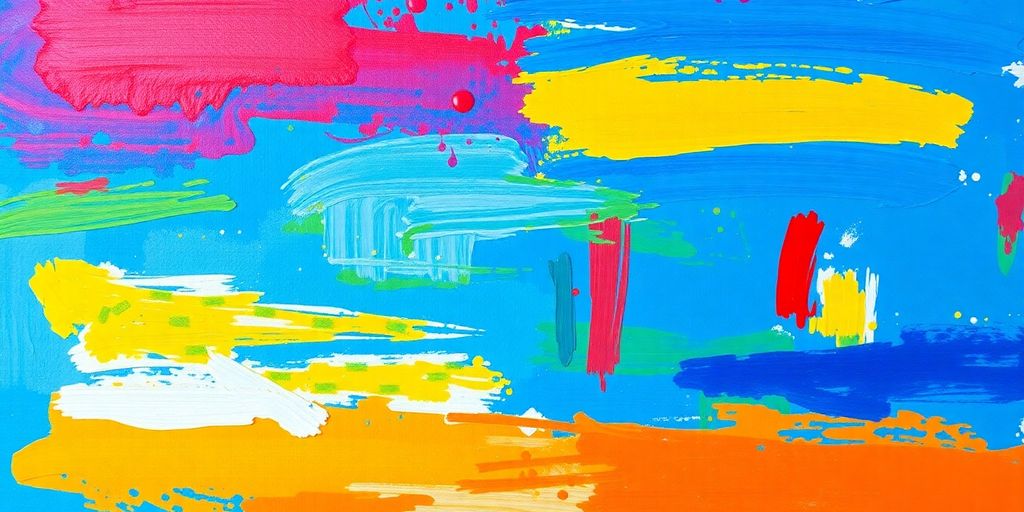
Exploring Mixed Media
For those who are ready to take their art to the next level, exploring mixed media can open up a whole new world of possibilities. Combining different materials like acrylics, oils, and even collage elements can create unique textures and effects that aren’t possible with a single medium. For instance, you might layer watercolor washes over an acrylic base or add metallic leaf to oil paintings for a touch of shine. The key is to experiment and see what combinations work best for your style.
Complex Layering and Glazing
Layering and glazing are techniques that can add incredible depth and richness to your paintings. Start with an underpainting to establish your composition and values. Then, use thin layers of translucent paint, known as glazes, to build up color and luminosity. This technique is especially effective in creating realistic skin tones or the play of light on water. Remember, patience is crucial here—each layer needs to dry completely before you add the next.
Intricate Detail Work
When it comes to intricate detail work, precision is key. Whether you’re capturing the delicate folds of fabric or the fine lines in a portrait, it’s important to use the right tools. Small, fine-tipped brushes are essential, and a steady hand is a must. You might also consider using magnifying glasses or a lightbox to help see the finer details. Don’t rush this process; taking your time will ensure that every detail is just right.
At this level, it’s all about refining your skills and pushing the boundaries of what you can achieve on canvas. Don’t be afraid to try new things and make mistakes—it’s all part of the learning process.
For more on various painting techniques, try combining traditional methods with innovative approaches to see what new paths your art can take.
Finding Inspiration and Resources
Leveraging Social Media Platforms
Social media is a treasure trove for artists seeking fresh ideas. Platforms like Instagram and Pinterest are brimming with artwork, techniques, and tutorials. Following artists whose work you admire can ignite your creativity. It’s not just about looking at pretty pictures; it’s about seeing the world through someone else’s eyes. Get involved in art challenges or join groups where people share their projects. This interaction not only keeps you motivated but also introduces you to different styles and techniques.
Exploring Art Books and Courses
Books and online courses are fantastic for diving deeper into art. Many artists have shared their insights in books that cover everything from color theory to specific painting styles. Websites like Skillshare and Udemy offer courses where you can learn at your own pace. These resources are perfect for building a solid foundation or exploring new techniques. Remember, improving your skills is a journey, not a race.
Visiting Local Art Galleries
Local galleries are amazing places to see art up close. They often showcase a wide range of styles and techniques. Plus, many galleries host workshops or classes, giving you a chance to learn something new and meet other art lovers. Being part of an art community can be incredibly inspiring. It’s about seeing how different artists express themselves and finding your unique voice.
Staying inspired in art involves maintaining a list of favorite subjects to paint, like still life sunflowers and scenic paths. This practice helps artists continuously find motivation and creativity in their work. anchor
Conclusion
Painting on canvas is such a cool way to let your creativity run wild. Whether you’re just starting out or have been at it for years, there’s always something new to try. From simple shapes to complex landscapes, each brushstroke is a step in your artistic journey. Don’t stress about making it perfect; it’s all about having fun and seeing where your imagination takes you. So grab your paints, pick an idea, and dive in. Who knows? You might just surprise yourself with what you can create. Happy painting!
Frequently Asked Questions
What kind of paint should I use on canvas?
Acrylic paint is great for beginners because it dries quickly and is easy to use. Oil paints are also popular but take longer to dry.
How do I start a painting on canvas?
Begin by sketching your design lightly with a pencil. Then, fill in with base colors before adding details.
Can I paint over an old canvas?
Yes, you can paint over an old canvas. Just make sure to cover it with a layer of gesso first to prepare the surface.
What is the best way to clean paintbrushes?
Rinse brushes in warm water immediately after use. For acrylics, soap and water work well. For oils, you might need a special cleaner.
How do I choose the right canvas size?
Start with smaller canvases if you’re new. As you gain confidence, you can experiment with larger sizes.
What are some easy painting ideas for beginners?
Try simple landscapes, abstract shapes, or a single flower. These subjects are forgiving and allow for creativity.




 PERFECT PAINTER
Leave a comment