

Painting your house can feel like a big job, but with the right approach, it can be a rewarding project. Whether you’re freshening up a single room or the entire house, there are some basic steps and techniques that can make a big difference. This guide will walk you through everything you need to know, from prepping your walls to picking the perfect color. Let’s get started on turning your house into a home you love.
Key Takeaways
- Start with a clean slate by thoroughly cleaning and repairing surfaces before painting.
- Choose the right type of paint and finish to match the needs of your space.
- Use proper techniques like cutting-in and rolling to achieve an even coat.
- Avoid common mistakes such as rushing the drying process or skipping primer.
- Regular maintenance and touch-ups will keep your paint looking fresh.
Preparing Your Home for a Successful Paint Job
Cleaning and Repairing Surfaces
Before you even think about opening that paint can, you’ve got some prep work to do. Cleaning and repairing surfaces is the foundation of a good paint job. Start by washing the walls to remove dirt, grease, and any old paint flakes. This can be done with a simple solution of soap and water or a specialized wall cleaner. Next, inspect the surfaces for any damage like cracks or holes. Patch these up with spackle or filler and sand them down to a smooth finish. If you’re dealing with mold or mildew, make sure to treat these areas with a mold-killing solution to prevent future problems.
Priming for Better Adhesion
Priming might seem like an unnecessary step, but trust me, it’s worth it. A good primer helps the paint adhere better and can even make your paint color pop. If you’re painting over a dark color, raw wood, or new drywall, priming is essential. Choose a primer that suits the surface you’re working on. For instance, oil-based primers work well on wood, while water-based primers are great for drywall. Applying primer is straightforward—just use a brush for the edges and a roller for larger areas.
Gathering Essential Tools
Having the right tools on hand can make a huge difference. Here’s a quick checklist of what you’ll need:
- High-quality brushes and rollers
- Paint trays and liners
- Painter’s tape
- Drop cloths or plastic sheeting
- A sturdy ladder
Investing in good brushes and rollers can significantly affect the outcome of your paint job. Also, consider the type of paint you’re using, as oil-based paints require different cleaning methods than water-based ones. With your tools ready, you’re all set to tackle your painting project with confidence.
Choosing the Right Paint and Colors for Your House
Understanding Paint Types and Finishes
Picking the right paint isn’t just about color; it’s about choosing the right type and finish for your needs. For inside spaces, you might want something that’s easy to clean, like a washable or moisture-resistant paint. If you’re painting outside, go for something that can stand up to the weather. Paint finishes matter too—matte gives a soft look, glossy is shiny and reflects light, while satin is somewhere in between. Knowing these options can help you pick what’s best for your project.
Selecting Colors That Complement Your Space
Color can totally change how a room feels. Think about the light in the room, the colors of your furniture, and the vibe you want to create. Here’s a quick way to choose:
- Lighting: Natural light shows true colors, while artificial lighting can change them.
- Existing Elements: Consider how colors will look with your furniture and floors.
- Room Purpose: Calming colors for bedrooms, vibrant ones for social areas.
Don’t forget to test out paint samples. Painting small sections can help you see how the color looks at different times of the day.
Testing Paint Samples Effectively
Before you commit, it’s smart to try out paint samples. Paint a small area on your wall to see how the color looks. Check it out in the morning, afternoon, and night because lighting changes can make the color look different. This step can save you from a color disaster later on. It’s all about making sure you’re happy with your choice before you go all in.
Taking the time to understand your paint options and test colors can make a huge difference in how satisfied you’ll be with the end result. A bit of planning goes a long way in making your home look just right.
Mastering Painting Techniques for a Professional Finish
Cutting-In and Edging Like a Pro
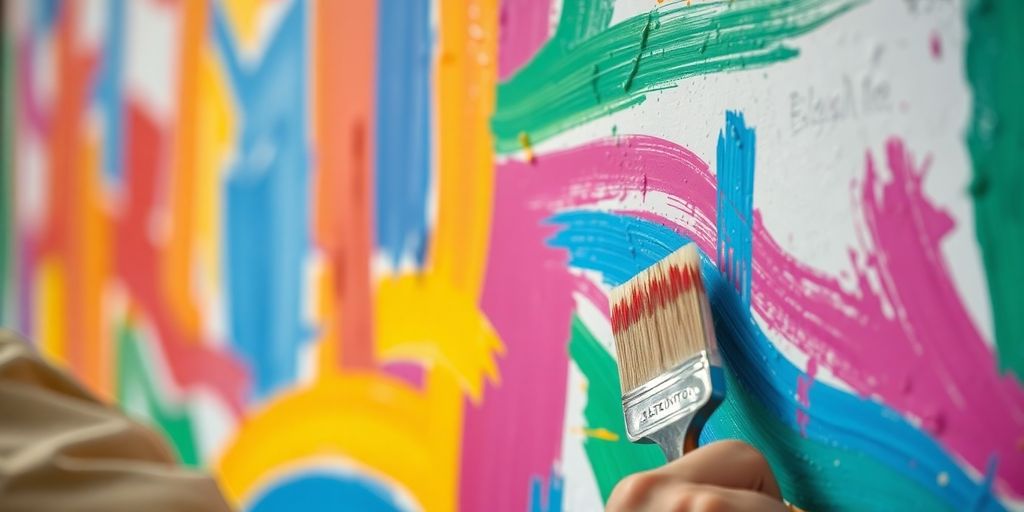
Let’s talk about cutting-in. It’s all about getting those edges neat before you roll the rest of the wall. Start by using a high-quality angled brush. It gives you control and precision. Dip the brush lightly into the paint, tap off the extra, and then carefully draw a line along the edges where the walls meet the ceiling or trim. Cutting-in is where you define the boundaries, so take your time to get it right.
Rolling Techniques for Even Coverage
Rolling paint is an art in itself. First, load your roller evenly by rolling it in the tray until it’s fully covered but not dripping. Apply the paint in a ‘W’ pattern, filling in the gaps without lifting the roller. This helps distribute the paint evenly. Overlap each stroke slightly to avoid streaks. Remember, it’s better to do multiple thin coats than one thick coat. This not only prevents drips but also ensures a smooth finish.
Layering Multiple Coats for Durability
For a paint job that lasts, layering is key. After your first coat, wait for it to dry completely. Check the paint can for exact drying times. Once dry, lightly sand any rough patches before applying the next coat. This helps the new layer adhere better. Repeat this process for at least two coats. More layers might be needed for darker colors or high-traffic areas. This technique not only enhances durability but also gives your walls a rich, vibrant look.
Painting your house isn’t just about slapping on a coat of paint. It’s about taking the time to do it right, understanding each step, and knowing that each layer adds to the beauty and longevity of your home. With a bit of patience and practice, you can achieve a finish that looks like the pros did it.
Avoiding Common Painting Mistakes
Preventing Drips and Uneven Coats
When you’re painting, it’s easy to end up with drips and uneven coats if you’re not careful. The key is to apply thin layers of paint. Don’t rush it. Start with a light coat and let it dry before adding another. Using a high-quality brush or roller can make a huge difference, as they hold paint better and distribute it more evenly. Also, keep an eye on your technique—rolling in a ‘W’ pattern, for instance, can help spread paint more uniformly.
Ensuring Proper Drying Times
Patience is crucial when it comes to drying times. Rushing this step can lead to smudges or peeling later on. Always follow the manufacturer’s instructions on the paint can, which often recommend waiting at least 2-4 hours between coats. Factors like humidity and temperature can affect drying times, so adjust accordingly. If possible, paint in a well-ventilated area to speed up the drying process.
Correcting Mistakes Efficiently
Mistakes happen, but correcting them doesn’t have to be stressful. If you notice a drip or an uneven spot, wait for it to dry completely before sanding it down lightly. Then, repaint the area with a small brush for precision. For larger errors, you might need to repaint the whole section. It’s always a good idea to keep extra paint on hand for touch-ups. Remember, avoiding common painting mistakes like these can save you time and effort in the long run.
Finishing Touches and Maintenance
Inspecting and Touching Up
Once the paint dries, it’s time to check your work. Look for any spots that might have been missed or areas that need a bit more attention. Sometimes, drips or uneven spots can sneak past you while you’re painting. A careful touch-up here and there can turn a good paint job into a great one.
Cleaning and Storing Tools
After you’ve finished painting, cleaning your brushes and rollers is next. Use the right cleaner for your paint type—water for latex and mineral spirits for oil-based paints. Properly cleaning and storing your tools will keep them in good shape for your next project. Plus, you’ll want to tuck away any leftover paint for future touch-ups.
Maintaining Your Painted Surfaces
Keeping your newly painted surfaces looking fresh isn’t hard. Regularly check for any chips or wear and take care of them quickly. A gentle cleaning with mild soap and water can help keep the colors bright and the finish smooth. Remember, maintaining your painted surfaces is key to keeping that fresh look for years to come.
Budget-Friendly Tips for Painting Your House
Choosing Cost-Effective Materials
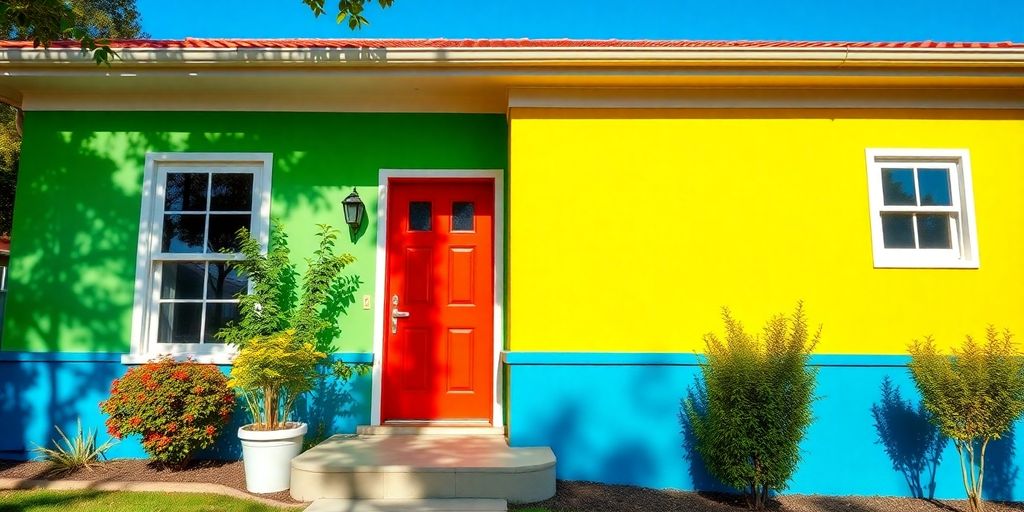
Painting your house doesn’t have to break the bank. One way to save money is by selecting cost-effective materials. Look for sales or discounts on paint and supplies at your local hardware store. Often, stores will have clearance sales where you can find quality paint at a fraction of the price. Additionally, consider using a tinted primer instead of multiple coats of paint. This can help you achieve the desired color with less paint, saving both time and money.
DIY vs. Hiring Professionals
Deciding whether to paint your house yourself or hire professionals can be a tough call. If you’re handy and have the time, doing it yourself can save a lot of money. But remember, professionals have the experience and tools to get the job done quickly and efficiently. Weigh the pros and cons: DIY can be cheaper, but it requires more effort and time. On the other hand, hiring professionals might cost more upfront, but it can save you from potential mistakes and the hassle of doing it yourself.
Maximizing Paint Longevity
Getting the most out of your paint is about more than just the initial application. To make your paint job last, invest in quality paint and take the time to prepare surfaces properly. Clean and repair surfaces before painting to ensure the paint adheres well. Also, consider the climate and choose paint that can withstand local weather conditions. Regular maintenance, like cleaning the surfaces and touching up any chips or cracks, can also extend the life of your paint job.
Painting your house is an investment in your home’s appearance and value. With a bit of planning and smart choices, you can achieve a beautiful finish without overspending.
Safety and Environmental Considerations
Choosing the right paint goes beyond just picking a color. Eco-friendly paints are a great option for those looking to reduce their environmental footprint. These paints typically have low or no volatile organic compounds (VOCs), which means they emit fewer harmful chemicals into the air. This is not only better for the environment but also for your health, especially in enclosed spaces.
- Opt for paints labeled as "low-VOC" or "zero-VOC."
- Consider water-based paints, which generally have fewer emissions than oil-based options.
- Look for certifications from organizations like Green Seal or the U.S. Environmental Protection Agency.
Proper disposal of paint waste is crucial to prevent environmental contamination. Never pour leftover paint down the drain or throw it in the regular trash. Instead, follow these steps:
- Check with local waste management facilities for paint recycling programs.
- Use up leftover paint for touch-ups or donate it to community projects.
- Allow small amounts of paint to dry out completely before disposal, as many landfills accept dried paint.
Good ventilation is key when painting indoors to avoid inhaling fumes. Here’s how to keep your workspace safe:
- Open windows and doors to create cross-ventilation.
- Use fans to help circulate the air and push fumes outside.
- Take regular breaks to get fresh air, especially if you’re working in a small room.
Painting can be a rewarding DIY project, but it’s important to keep safety and the environment in mind. By choosing eco-friendly materials, disposing of waste properly, and ensuring good ventilation, you can achieve a beautiful paint job without compromising on health or sustainability.
For a professional exterior paint job, preparation and safety should always be prioritized to ensure both quality results and a safe environment.
Conclusion
So there you have it, folks! Painting your house doesn’t have to be a daunting task. With a bit of prep work, the right tools, and some patience, you can achieve a finish that looks like it was done by a pro. Remember, it’s all about taking your time and not rushing through the steps. Whether you’re a first-timer or a seasoned DIYer, these tips should help you get the job done right. So go ahead, grab that brush, and start transforming your space. Happy painting!
Frequently Asked Questions
What should I do to prepare my house before painting?
Start by cleaning the walls to remove dirt and dust. Fix any cracks or holes, and apply primer to help the paint stick better.
How do I choose the right paint color for my home?
Think about the mood you want in the room and how the color will look with your furniture and lighting. Try a few samples on the wall to see how they look at different times of the day.
What’s the best way to apply paint for a smooth finish?
Use a brush to paint the edges first, then use a roller for larger areas. Apply several thin coats instead of one thick coat to avoid drips.
How can I avoid common painting mistakes?
Make sure you let each coat dry completely before adding another. Use the right tools and take your time to avoid drips and uneven layers.
What should I do after finishing the painting?
Inspect your work for any missed spots or drips and touch them up. Clean your brushes and rollers properly so you can use them again.
How do I maintain my painted walls?
Wipe your walls gently with a damp cloth to keep them clean. Be careful not to scrub too hard, as this can damage the paint.





 PERFECT PAINTER
Leave a comment