

Thinking about giving your home a fresh coat of paint? It’s amazing how a new color can change everything. Whether you’re looking to bring a bit of nature inside, add a vintage vibe, or try something totally new, there’s a world of paint inspiration out there. It’s not just about picking a color; it’s about finding the right one that speaks to you and your space.
Key Takeaways
- Nature-inspired colors can make your home feel more connected to the outside world.
- Vintage color schemes bring a sense of nostalgia and charm to any room.
- Monochromatic palettes can create a calm and elegant atmosphere.
- Artistic techniques like ombre and stenciling add unique touches to your walls.
- Accent colors can highlight features and create focal points in your home.
Exploring Nature-Inspired Palettes
Bringing the Outdoors In
Imagine walking into a room that feels like a breath of fresh air. Nature-inspired palettes are all about capturing the essence of the outdoors and bringing it inside. Think lush greens, ocean blues, and earthy browns. These colors not only create a calming atmosphere but also connect your indoor spaces with the natural world. Try using a combination of these hues to craft a serene environment that feels both refreshing and grounding.
- Use soft greens to mimic the tranquility of a forest.
- Incorporate blues that remind you of the sea or sky.
- Add earthy tones like browns and terracottas for warmth.
Earthy Tones for a Cozy Atmosphere
Earthy tones are perfect for creating a warm and inviting space. These colors, like deep ochres, rich browns, and soft taupes, evoke a sense of comfort and coziness. They’re great for living rooms or bedrooms where you want to relax and unwind. Pair these shades with natural materials like wood or stone to enhance the cozy vibe.
There’s something inherently comforting about being surrounded by colors that remind us of the earth. It grounds us and makes us feel at home.
Floral Hues for a Fresh Look
Floral hues bring a touch of freshness and vibrancy to any room. Inspired by blooming flowers, these colors can range from soft pastels to bold pinks and purples. They’re perfect for spaces where you want to add a pop of color and energy. Consider using floral hues as accent walls or in decor items to keep the look balanced.
- Light pastels for a gentle, airy feel.
- Bold florals for a striking statement.
- Mix and match for a playful yet harmonious look.
By exploring nature-inspired color palettes, you can transform your home into a sanctuary that reflects the beauty of the great outdoors. Whether you lean towards earthy tones or vibrant florals, there’s a palette waiting to bring your vision to life.
Reviving Vintage Charm with Color
Retro Shades for a Nostalgic Feel
There’s something special about turning back the clock with color. Retro shades like mustard yellow, avocado green, and burnt orange can instantly bring a sense of nostalgia to any room. These colors remind us of simpler times, infusing spaces with warmth and character. Consider using these shades in unexpected places, like a tiled backsplash in the kitchen or a feature wall in the living room. To achieve a balanced look, pair these bold colors with neutral tones like cream or beige.
Incorporating Antique Whites
Antique whites are not just about adding a touch of elegance; they’re about creating a timeless look that never goes out of style. These whites have a slightly muted, warm undertone that can soften a room and make it feel more inviting. Use antique whites on walls or trim to complement vintage furniture and decor. They work well in both traditional and modern settings, offering a versatile backdrop that allows other colors and textures to shine.
Bold Colors for a Mid-Century Modern Twist
Mid-century modern design is all about clean lines and bold colors. Think teal, mustard, and even pink. These colors can add a playful yet sophisticated twist to any room. When using bold colors, it’s important to balance them with more subdued elements. This could mean pairing a vibrant teal wall with wooden furniture or using a bold pink in accessories like cushions or artwork. The key is to not overwhelm the space but to create a harmonious blend that feels both fresh and nostalgic.
Embracing vintage colors doesn’t mean your home has to look outdated. It’s about incorporating retro colors and patterns in a way that enhances your space, creating a nostalgic yet contemporary atmosphere.
Creating Mood with Monochromatic Schemes
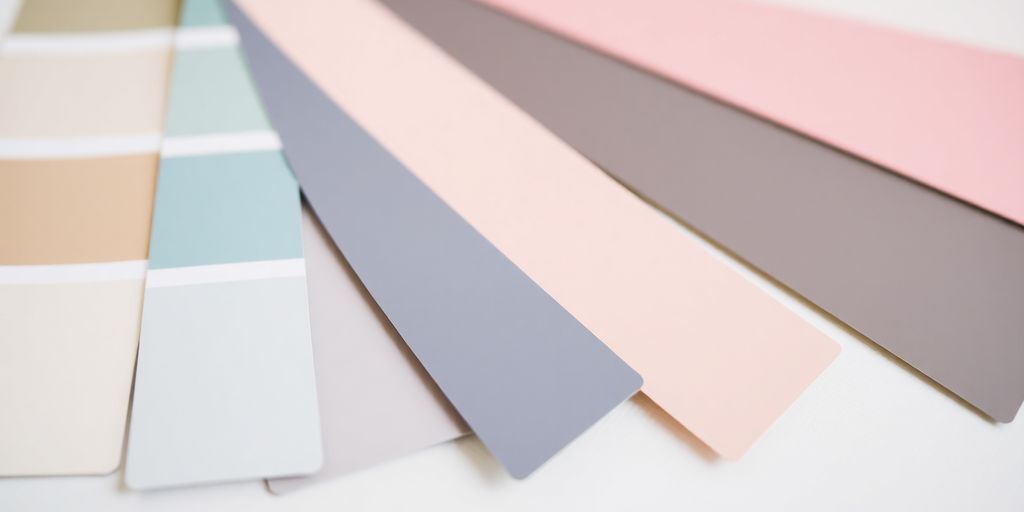
The Power of a Single Hue
Imagine walking into a room where everything flows seamlessly because it’s all based on one color. That’s the magic of a monochromatic scheme. Using just one color can create a harmonious and calming atmosphere. It’s like giving your room a soothing hug. You don’t have to worry about clashing colors or overwhelming patterns. Instead, you get a space that feels balanced and peaceful.
Layering Shades for Depth
Just because you’re sticking to one color doesn’t mean your room has to be boring. By layering different shades of the same color, you can add depth and interest. Think of it like adding layers to a cake. You can use lighter shades for the walls, medium tones for the furniture, and darker accents for the decor. This technique not only adds dimension but also keeps the space from feeling flat.
Achieving Elegance with Simplicity
There’s something incredibly elegant about simplicity. When you use a monochromatic scheme, you’re stripping away the noise and focusing on what really matters. It’s about creating a clean, sophisticated look that feels timeless. With the right balance, your room can feel both luxurious and inviting. This approach is perfect for those who appreciate understated beauty and want their space to feel effortlessly chic.
Monochromatic schemes are all about balance and harmony. They allow you to play with textures and materials without the distraction of multiple colors. Whether you’re going for a minimalist look or something more elaborate, sticking to one color family can make your space feel cohesive and well-thought-out.
For more innovative paint ideas for 2024 that can refresh your living spaces, consider embracing these monochromatic schemes. They offer elegance with depth through varied shades, allowing for unique expression in your home decor.
Artistic Techniques for Unique Walls
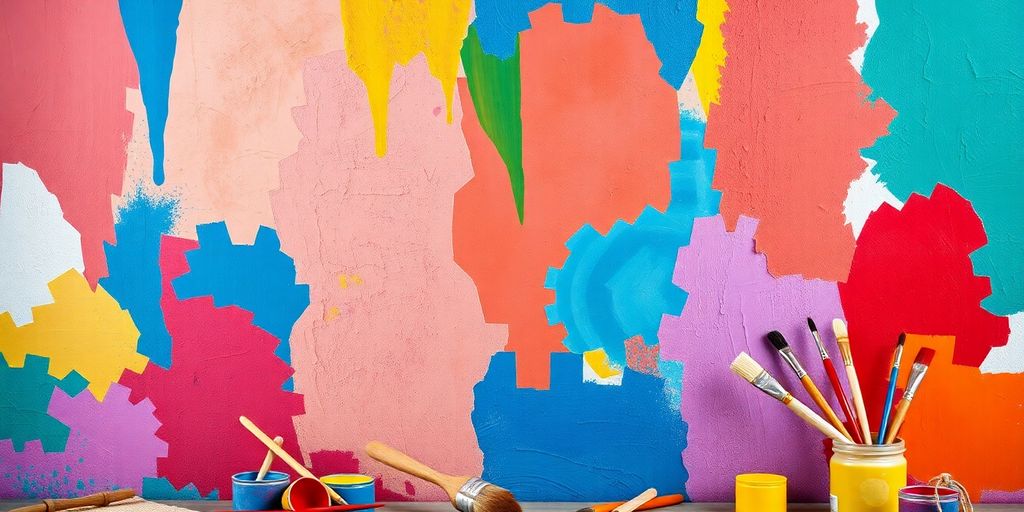
The Magic of Ombre Effects
Ombre walls are a fantastic way to add a bit of drama and flair to any room. This technique involves blending colors seamlessly from light to dark, creating a gradient effect. It’s like watching the sunset right in your living room. To get started, pick three shades of the same color family. You’ll need a base coat, a middle tone, and a darker shade. Here’s a simple step-by-step guide:
- Apply the base coat and let it dry completely.
- Using a sponge or a large brush, blend the middle tone into the base, working your way up or down the wall.
- Finally, add the darkest shade and blend it into the middle tone, ensuring a smooth transition.
Textured Finishes for Added Dimension
Textured finishes can turn a plain wall into a conversation piece. You can achieve various textures using tools like sponges, brushes, or even crumpled paper. Try these ideas for a start:
- Sponge Painting: Dip a sponge in paint and dab it on the wall for a mottled look.
- Rag Rolling: Roll a rag in paint and then on the wall to create a soft, marbled effect.
- Trowel Techniques: Use a trowel to apply plaster or thick paint for a rustic, old-world charm.
Stenciling for Personalized Touches
Stenciling is a fun way to add personal flair to your walls. Whether you want intricate designs or simple patterns, stencils make it easy to get professional-looking results. Here’s how to get started:
- Choose your stencil design and secure it to the wall with painter’s tape.
- Use a stencil brush or roller to apply paint over the stencil.
- Carefully remove the stencil and let the paint dry.
Personalizing your walls with stencils is not only easy but also a great way to reflect your unique style.
These innovative painting techniques can transform your walls into stunning masterpieces, making your home truly one-of-a-kind.
Cultural Influences in Color Choices
Mediterranean Blues and Whites
Imagine stepping into a room and feeling like you’re on a Greek island. That’s the magic of Mediterranean blues and whites. These colors are not just about aesthetics; they evoke a sense of calmness and serenity. Blues remind us of the sea and sky, while whites bring in a fresh, airy feel. Together, they create a space that feels open and inviting. If you’re looking to bring a piece of the Mediterranean into your home, consider using these colors in your living room or bathroom.
Asian-Inspired Tranquil Greens
Green is a color that symbolizes growth and harmony. In many Asian cultures, green is associated with nature, tranquility, and balance. It’s perfect for creating a peaceful environment in your home. You can use different shades of green to add depth and interest to a room. From soft sage to deep emerald, these tones can transform any space into a haven of relaxation. Consider using them in your bedroom or meditation space for a calming effect.
African Earth Tones for Warmth
Earth tones are versatile and can add a sense of warmth and comfort to any room. Inspired by the rich landscapes of Africa, these colors range from deep browns to warm ochres and burnt siennas. They are perfect for creating a cozy atmosphere in your home. Use these tones in your living room or kitchen to make the space feel welcoming and grounded.
By incorporating various cultural aesthetics, you can create a home that not only looks beautiful but also tells a story. Each color choice reflects a different part of the world, bringing a unique touch to your space.
Innovative Uses of Accent Colors
Highlighting Architectural Features
Accent colors can do wonders when you want to play up certain architectural elements in your home. Think about a bold shade to draw attention to a stunning fireplace or an intricate molding. Choosing the right accent color can make these features pop and add character to your space. You can paint the inside of a bookshelf a contrasting color to the walls, creating a striking visual that catches the eye.
Creating Focal Points with Bold Hues
Using bold hues as focal points is a great way to add interest to a room without overwhelming it. A bright red wall in an otherwise neutral room can create a sense of drama and excitement. Consider painting a single wall in a vibrant color or using a bold shade for your kitchen island to make it stand out.
- Choose a color that complements your existing palette.
- Think about the mood you want to create in the room.
- Use bold colors sparingly to maintain balance.
Balancing Neutrals with Vibrant Accents
Neutrals are timeless, but sometimes they need a little lift. Adding vibrant accents can bring a room to life. Use colorful cushions, rugs, or art pieces to add splashes of color. You can also paint a door or a window frame in a bright hue to break up the monotony of neutral shades.
Sometimes, a small pop of color is all you need to transform a space. It’s amazing how a simple change can make a room feel fresh and new.
Sustainable and Eco-Friendly Paint Options
Choosing Low-VOC Paints
When you’re thinking about giving your walls a fresh coat of paint, consider opting for low-VOC paints. VOCs, or volatile organic compounds, are chemicals that can easily evaporate into the air and contribute to indoor air pollution. Low-VOC paints help reduce this effect, making your home environment healthier. These paints are a smart choice for anyone looking to improve air quality while still achieving beautiful results. Plus, they come in a variety of colors and finishes, so you don’t have to sacrifice style for sustainability.
Recycled Materials for a Green Home
Using paints made from recycled materials is another fantastic way to embrace sustainability in your home projects. These paints are crafted by reprocessing leftover paints, which helps minimize waste and reduce the demand for new raw materials. Here are a few benefits of using recycled paints:
- Environmentally friendly: Reduces landfill waste.
- Cost-effective: Often cheaper than new paints.
- Quality assured: Meets standard performance criteria.
By choosing recycled paints, you’re not only cutting down on waste but also supporting a more sustainable paint industry.
Natural Pigments for a Healthier Space
Natural pigments are derived from minerals, plants, and other natural sources. These pigments are free from synthetic additives and provide a more organic look to your walls. They are perfect for those who want a more natural and earthy feel in their living spaces. Some benefits include:
- Non-toxic: Safe for children and pets.
- Biodegradable: Breaks down naturally without harming the environment.
- Unique colors: Offers a range of earthy and muted tones.
Choosing paints with natural pigments can transform your home into a serene and toxin-free environment, making it a perfect sanctuary for relaxation.
Incorporating eco-friendly paints and other sustainable materials into your home not only benefits the planet but also creates a healthier living space for you and your loved ones.
Wrapping It Up
So, there you have it. Painting your home doesn’t have to be the same old boring task. With a little creativity, you can turn it into something fun and unique. Whether you’re trying out a bold new color or experimenting with patterns, the key is to let your imagination run wild. Don’t be afraid to make mistakes; sometimes, the best ideas come from a little trial and error. And remember, it’s your space, so make it reflect who you are. Happy painting!
Frequently Asked Questions
How can I choose a nature-inspired color palette for my home?
To pick a nature-inspired color palette, think about the colors you love in nature, like greens from leaves or blues from the sky. Use these shades to bring a bit of the outdoors inside your home.
What are some popular retro colors for a vintage look?
Retro colors often include shades like mustard yellow, avocado green, and burnt orange. These colors can give your space a nostalgic feel, reminding you of styles from the past.
How do monochromatic color schemes create mood?
Monochromatic color schemes use different shades of the same color. This can make a room feel calm and put together, as all the colors match and flow well together.
What are some artistic techniques for painting walls?
Some artistic techniques include ombre effects, where colors blend into each other, and textured finishes that add depth. Stenciling can also add a personal touch to your walls.
How can I use accent colors effectively in my home?
Accent colors are great for highlighting features in your home, like a fireplace or an archway. You can also use them to create focal points or to add a pop of color to a neutral room.
What should I consider when choosing eco-friendly paint?
When picking eco-friendly paint, look for low-VOC options that are better for the environment and your health. You can also choose paints made from natural pigments or recycled materials.





 PERFECT PAINTER
Leave a comment