

Ever thought about how a splash of paint can totally change a room? Yeah, it’s that powerful. Whether you’re going bold or keeping it chill, the right paint can make a room pop or calm it down. From eye-catching ceilings to artsy floors, there are so many ways to play with color. Let’s dive into some cool room ideas for painting that’ll make your space feel brand new.
Key Takeaways
- Color blocking is a fun way to add personality to any room.
- Accent walls can highlight unique architectural features.
- Ceiling paint can create a whole new vibe in a space.
- Floor painting offers a creative way to enhance your room’s design.
- Using paint cleverly can make small spaces feel larger.
Creative Color Blocking Techniques
Using Bold Colors for Impact
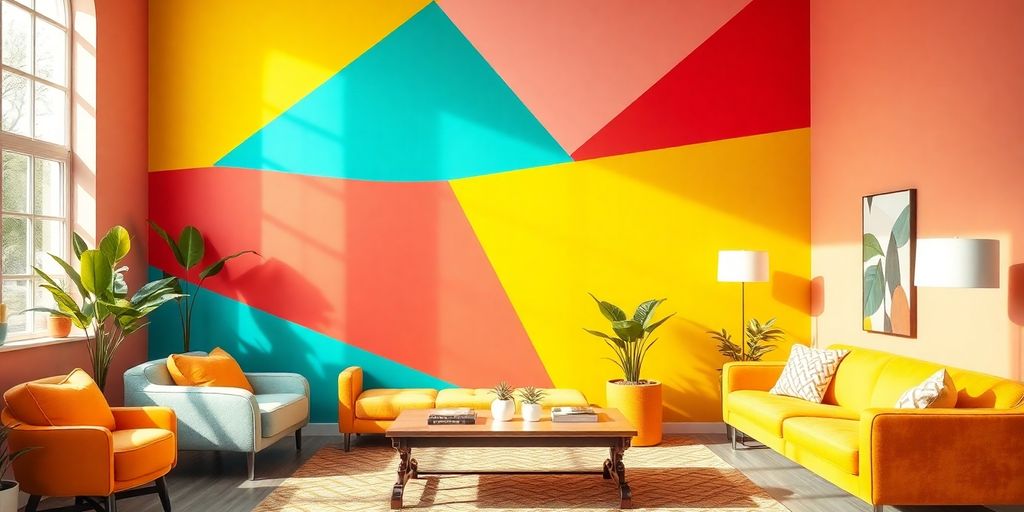
Color blocking is all about creating strong visual statements. Bold colors can transform a room from dull to dynamic. Imagine a living room where one wall is painted in deep teal while the rest remain a soft white. This contrast not only draws the eye but also defines the space in a unique way. Try pairing unexpected color combinations like a vibrant yellow with a rich navy blue for a modern twist. Here’s a simple guide to get started:
- Choose a focal wall or area you want to highlight.
- Select two or three bold colors that complement each other.
- Use painter’s tape to mark off sections and ensure clean lines.
Subtle Tones for a Calming Effect
Not every room needs to shout. Sometimes, a whisper of color can be just as powerful. Subtle tones, like soft grays and muted pastels, can create a serene and calming atmosphere. These colors work well in bedrooms or any space where relaxation is key. To achieve this effect:
- Opt for colors with similar undertones to maintain harmony.
- Consider a gradient or ombre effect for a gentle transition between shades.
- Use soft lighting to enhance the calming ambiance.
Combining Patterns and Colors
Mixing patterns with color blocking can add depth and interest to your walls. Geometric patterns, like triangles or chevrons, can be painted in contrasting colors to create a playful yet sophisticated look. Here’s how you can do it:
- Select a pattern that complements your room’s style.
- Use a stencil or painter’s tape to outline the pattern on your wall.
- Fill in the sections with your chosen colors, ensuring you alternate for maximum impact.
Experimenting with color blocking can be a fun way to express your personality through your home décor. Whether you choose bold or subtle tones, the key is to create a balance that feels right for you. Don’t be afraid to mix and match until you find the perfect combination. For more innovative paint ideas, explore how different techniques can refresh your living spaces.
Transformative Accent Walls
Choosing the Right Wall for Accents
Picking the perfect wall to turn into an accent wall is all about balance. You want to highlight a wall that naturally draws the eye without overwhelming the space. Consider walls that already have unique features, like a fireplace or built-in shelves. If your room is more open, look for a wall that can serve as a natural focal point. Accent walls work best when they enhance existing architectural elements.
Incorporating Textures and Patterns
Textures and patterns can add depth and interest to your accent wall. Techniques like sponging, ragging, or stippling can create a textured look that hides imperfections and adds character. Patterns, whether geometric or organic, can turn a plain wall into a work of art. Try using stencils or tape to create sharp lines and intricate designs. Don’t be afraid to mix textures and patterns for a truly unique look.
Using Color to Highlight Architectural Features
Color is a powerful tool for highlighting architectural features in your home. A well-chosen color can make moldings pop or emphasize the height of a ceiling. When selecting a color, think about the mood you want to create. Bold colors can energize a space, while softer hues can make it feel calm and inviting. Remember, the goal is to use color to draw attention to the features you love most about your room.
Transform your space with creative wall paint designs, including bold murals, calming ombre effects, and functional chalkboard paint. Accent walls can highlight key areas with vibrant colors and patterns, while innovative ceiling paint ideas extend designs upward for a cohesive look. Murals serve as stunning focal points, adding personality, while textures and patterns enhance visual interest. Experimenting with color and decor can dynamically change the perception of a room, allowing for personal expression and style. Learn more about creative wall paint designs.
Innovative Ceiling Painting Ideas
Creating a Sky Effect with Paint
Imagine lying under a sky, right in your own room. Using paint to create a sky effect can transform any space into a dreamy oasis. Soft blues and wispy white clouds can make the ceiling feel endless, adding a touch of tranquility. This technique works wonders in bedrooms and kids’ rooms, offering a calming ambiance. Try incorporating subtle gradients to mimic the natural sky, from sunrise hues to deep twilight tones. For an added touch, consider glow-in-the-dark stars or moon details to bring the night sky indoors.
Using Geometric Patterns on Ceilings
Geometric patterns are a fantastic way to add visual interest to your ceiling. Whether you go for bold triangles, intricate hexagons, or classic stripes, these designs can add depth and dimension to a room. Here’s how you can get started:
- Choose Your Pattern: Decide on a pattern that complements your room’s style. Bold shapes can make a statement, while softer patterns offer a subtle touch.
- Select Your Colors: Opt for contrasting colors for a striking effect or keep it monochromatic for a more unified look.
- Plan and Execute: Use painter’s tape to outline your design, ensuring clean lines. Carefully paint within the lines, and voila, a masterpiece above!
Incorporating Metallic Finishes
Adding metallic finishes to your ceiling can bring a touch of elegance and sophistication. Whether it’s a shimmering gold, sleek silver, or a modern copper, metallic paints catch the light beautifully, creating a dynamic effect. Consider using metallic finishes in:
- Formal Dining Rooms: To add a luxurious feel.
- Living Areas: To create a focal point that draws the eye upward.
- Entryways: For a grand entrance that sets the tone for the rest of the home.
A metallic ceiling can serve as a statement piece, reflecting light and adding a sense of grandeur to any space. It’s like having a piece of art right above you.
Explore bold ceiling paint colors that go beyond neutral tones, featuring dramatic hues and vibrant pops of color.
Unique Floor Painting Designs
Stenciled Patterns for Floors
Stenciling is a fantastic way to add flair and personality to your floors. Imagine stepping into a room and being greeted by intricate patterns that catch the eye and invite conversation. Whether you’re going for a classic look or something more modern, stencils offer endless possibilities. You can use them to create geometric shapes, floral designs, or even words that hold personal meaning. Here’s how you can get started:
- Choose a stencil design that complements your room’s decor.
- Select paint colors that either contrast or harmonize with your existing color scheme.
- Carefully apply the stencil to ensure clean lines and a professional finish.
Faux Finishes to Mimic Natural Materials
Why spend a fortune on natural stone or wood when you can replicate the look with paint? Faux finishes are an economical way to achieve the appearance of high-end materials. With a bit of creativity, you can mimic the look of marble, granite, or aged wood. Consider these tips:
- Use sponges and brushes to create texture and depth.
- Layer different shades of paint to achieve a realistic effect.
- Seal the finish with a protective coat to enhance durability.
Bold Colors for a Dramatic Look
If you’re looking to make a statement, bold colors are your best friend. Imagine a vibrant red or deep blue floor that instantly transforms the mood of a room. Bold colors can work wonders in large spaces, adding warmth and energy. Here’s how to use them effectively:
- Choose a color that complements your furniture and decor.
- Consider the room’s lighting; natural light can enhance bold hues.
- Balance bold floors with neutral walls to avoid overwhelming the space.
Painting your floors opens up a world of creative possibilities. Whether you choose stencils, faux finishes, or bold colors, the right design can enhance your space and reflect your unique style.
Artistic Wall Painting Techniques
Using Stencils for Custom Designs
Stencils are a fantastic way to add intricate designs to your walls without needing a professional artist. You can find stencils in various patterns, from florals to geometric shapes, making it easy to personalize your space. The trick is in the application: use a roller or sponge to apply paint evenly over the stencil, ensuring crisp lines and a professional finish. Consider layering different stencil patterns for a more complex design or using metallic paints for an added touch of elegance.
Incorporating Murals for a Personal Touch
Murals can transform a room into a work of art, offering a unique and personal touch to any space. Whether you choose a nature-inspired mural with serene landscapes or an abstract design that reflects your style, murals are about making a statement. You can hire a professional artist or try your hand at creating your own masterpiece. Remember, the key to a successful mural is planning: sketch your design first, select a color palette, and take your time with the painting process.
Creating Ombre Effects with Paint
Ombre painting involves blending one color into another, creating a gradient effect that’s both subtle and eye-catching. This technique can be used on a single wall or throughout a room to add depth and interest. Start with a base color at the top and gradually blend in a second color as you move down the wall. Use a large brush or sponge to soften the transition between colors, and don’t be afraid to experiment with different shades to achieve the desired effect. Ombre walls can evoke a calming atmosphere, perfect for bedrooms or relaxation spaces.
Artistic wall painting is all about expressing your personality through color and design. Whether you opt for stencils, murals, or ombre effects, the key is to let your creativity flow and enjoy the process of transforming your space.
Functional Paint Ideas for Small Spaces
Using Paint to Define Zones
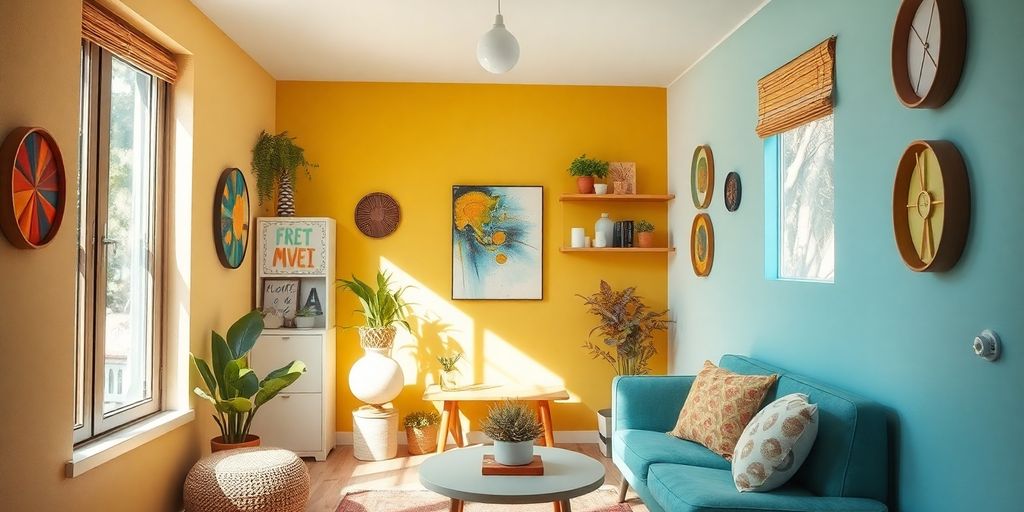
Creating separate zones in a small space can be a game-changer. Paint can help you achieve this by creating visual boundaries without the need for physical dividers. Imagine a studio apartment where the living area seamlessly transitions into the dining space. By painting one wall a bold color, you can define the dining area and make it feel distinct. This technique works wonders in multi-use spaces, like combining a home office with a living area. Try using different shades to mark different zones, making each area feel unique and purposeful.
Concealing Imperfections with Color
Small spaces often have their quirks, like uneven walls or awkward corners. Instead of trying to hide these imperfections with furniture, use paint to your advantage. A darker shade can help mask bumps or dents, while lighter colors can draw attention away from less-than-perfect areas. You can also incorporate patterns or textures to distract the eye from flaws. For instance, a subtle geometric pattern can add depth and interest, making any imperfection less noticeable.
Maximizing Light with Bright Colors
In small spaces, light is your best friend. Bright colors can amplify natural light, making a cramped room feel open and airy. Opt for whites, pastels, or light neutrals to reflect light and create a sense of space. If you’re feeling adventurous, a soft yellow or pale blue can add a touch of personality while still keeping the room bright. Pair these colors with mirrors or metallic accents to enhance the effect. Remember, the goal is to make the space feel as expansive as possible, and the right color choice can do just that.
Paint isn’t just about aesthetics; it’s a tool to redefine and enhance your living space. Whether you’re exploring expert advice and paint color recommendations for small rooms or simply experimenting with different shades, the right color can transform how you experience your home.
Playful Kids’ Room Painting Ideas
Incorporating Fun Themes and Characters
Creating a playful atmosphere in a kid’s room often starts with a theme. Think about your child’s favorite characters or stories. Imagine walls painted in vibrant hues that reflect an enchanted forest or a whimsical underwater world. Using decals or stencils can bring these themes to life without requiring artistic skills. Consider a mural featuring a friendly dragon or a serene mermaid scene. The key is to make the room a place where imagination can roam free.
Using Chalkboard Paint for Creativity
Chalkboard paint is a fantastic way to encourage creativity and play. Apply it to one section of a wall or even the entire room. Kids can draw, write, and erase to their heart’s content. This transforms the space into a dynamic canvas for their ever-changing ideas. Plus, it’s practical for jotting down reminders or showcasing their latest artwork. A chalkboard wall can become a central feature of the room, fostering creativity and learning.
Creating Interactive Wall Designs
Interactive walls can be both fun and educational. Think magnetic paint, which allows kids to stick magnets and rearrange them as they wish. Or try a pegboard wall where they can hang art supplies, toys, or even small plants. These elements not only make the room more engaging but also help in organizing their space. It’s about combining play with functionality, making the room both enjoyable and practical.
Designing a kid’s room is more than just picking colors; it’s about creating a world where they feel inspired and happy. With a bit of creativity, you can transform a simple room into a playground for the imagination.
Conclusion
So, there you have it! A splash of paint can really do wonders for your space. Whether you’re going for bold stripes, cozy corners, or just a fresh coat to brighten things up, the possibilities are endless. Don’t be afraid to experiment with colors and patterns that speak to you. Your home should reflect your personality, after all. And if you’re feeling stuck, remember that a little creativity goes a long way. Happy painting!
Frequently Asked Questions
How can I choose the best colors for my room?
Start by thinking about the mood you want to create. Bright colors can make a room feel lively, while soft colors can make it feel calm. Consider using a color wheel to find colors that go well together.
What is color blocking in painting?
Color blocking is a technique where you paint large blocks of color on your walls. It can be used to create interesting patterns and designs, making your room look unique.
How do I make a small room look bigger with paint?
Use light colors to make a room feel larger and brighter. Painting stripes on the walls can also give the illusion of more space.
What are some fun painting ideas for kids’ rooms?
You can use bright colors and include fun themes like animals or space. Chalkboard paint is also great for kids to draw and write on the walls.
How do I paint an accent wall?
Choose a wall that you want to highlight and pick a color that stands out from the rest of the room. You can also add patterns or textures to make it more interesting.
Can I paint my floor, and if so, how?
Yes, you can paint your floor! Use special floor paint and consider using stencils for patterns. Make sure to clean the floor well before starting.





 PERFECT PAINTER
Leave a comment