

Ever wondered what it takes to become the perfect painter? It’s not just about having a steady hand or a keen eye for color. It’s a mix of passion, practice, and persistence. Whether you’re just starting out or looking to refine your skills, the journey to becoming a great painter is filled with learning and growth. Let’s dive into what makes a painter truly perfect.
Key Takeaways
- Practice is key. Keep painting to improve your skills.
- Study other artists to find inspiration and learn new techniques.
- Experiment with different mediums to discover your unique style.
- Don’t fear mistakes—they’re opportunities to learn and grow.
- Balance your passion for art with the business side of being a painter.
Understanding the Journey of The Perfect Painter
Embracing the Learning Curve
Painting is a journey, not a destination. Every artist starts somewhere, often with a blank canvas and a head full of ideas. The learning curve can be steep, but it’s also where the magic happens. Mistakes are not failures; they’re stepping stones to improvement. Each brushstroke teaches something new, each color mixed brings a new understanding. It’s about enjoying the process as much as the finished piece.
The Role of Persistence in Painting
Being persistent is key. Painting is not just about creating beautiful art; it’s about sticking with it even when the going gets tough. Many artists find themselves asking why their work isn’t turning out as expected. The answer often lies in persistence. Keep painting, keep experimenting, and over time, you’ll see improvement. Remember, every artist was once a beginner. It’s about showing up again and again, learning from each experience.
Balancing Passion and Skill
Passion fuels the desire to paint, but skill is what shapes that passion into art. Balancing these two elements is crucial. Passion keeps you motivated during the tough times, while skill ensures your work progresses. It’s important to practice regularly, honing your skills while keeping the passion alive. This balance is what transforms a hobby into a lifelong journey of artistic expression.
Painting is like a mirror, reflecting our inner thoughts and emotions. As we create, we often uncover hidden feelings and insights, making the journey as rewarding as the destination. Art serves as a mirror, reflecting our thoughts and emotions, often revealing hidden feelings and insights.
Mastering the Basics for The Perfect Painter
Importance of Design and Composition
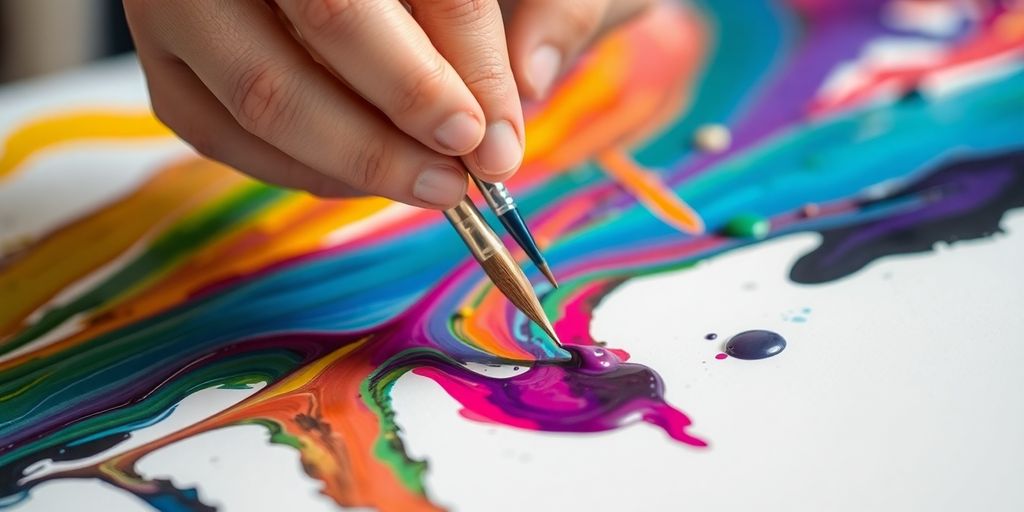
Learning the basics of design and composition is like building the foundation of a house. Without a solid foundation, everything else crumbles. As a painter, you need to understand how to arrange elements within your artwork to create harmony and balance. This involves considering aspects like focal points, symmetry, and the rule of thirds. A well-composed piece not only catches the eye but also communicates your message more effectively.
- Identify the main subject of your painting.
- Use lines and shapes to guide the viewer’s eye.
- Balance different elements to maintain visual interest.
When you master composition, you gain the ability to lead your audience through your artwork, making their journey both engaging and meaningful.
Exploring the Color Wheel
The color wheel is a painter’s best friend. It’s a simple tool that shows how colors relate to each other. Understanding the color wheel helps you make informed decisions about color combinations, which can drastically affect the mood and impact of your artwork. Experiment with complementary, analogous, and triadic color schemes to see how they transform your paintings.
- Complementary Colors: Colors opposite each other on the wheel, like blue and orange, create vibrant contrasts.
- Analogous Colors: Colors next to each other, such as blue and green, offer a more harmonious look.
- Triadic Colors: Three evenly spaced colors, like red, yellow, and blue, provide a balanced yet dynamic palette.
Techniques for Mixing Colors
Mixing colors is an art in itself. It’s not just about creating new shades but understanding how colors interact. Start by mixing primary colors to create secondary colors, then explore further by adding white, black, or gray to alter the tone and shade. Keep a color chart to track your mixes and use it as a reference for future paintings.
- Begin with small amounts of paint to avoid waste.
- Record your mixtures and results for consistency.
- Don’t be afraid to experiment; sometimes the best colors are discovered by accident.
Mixing colors is where science meets creativity. Each blend is a step closer to finding your unique artistic voice.
Developing a Unique Style as The Perfect Painter
Experimenting with Different Mediums
Every artist has a journey, and part of that journey is experimenting with various mediums. Whether it’s oils, acrylics, watercolors, or digital, each medium brings its own set of challenges and joys. Trying out different mediums isn’t just about finding what you like—it’s about discovering what expresses your vision best. It’s a bit like trying on clothes; you won’t know what fits until you give it a shot.
Finding Inspiration in Other Artists
Artists often find inspiration in the works of others. Visiting galleries, browsing online collections, or even flipping through art books can spark new ideas. It’s not about copying but about understanding how others have tackled similar themes or techniques. This exploration can help you cultivate your unique style by piecing together what resonates with you.
Creating a Cohesive Artistic Voice
Once you’ve dabbled in different styles and found inspiration, it’s time to create a cohesive artistic voice. This is about consistency in your work—using similar themes, colors, or techniques that make your art recognizable. Think of your art as a conversation with the viewer. What do you want to say? How do you want to say it? Developing this voice takes time, but it’s essential for standing out as an artist.
Developing a unique style is not a race. It’s a slow, ongoing process that evolves with every piece you create. Embrace the changes and let your style grow naturally.
The Importance of Practice for The Perfect Painter
Setting Up a Regular Painting Routine
Building a regular painting routine is like setting the stage for your creativity to flourish. Consistency is key. You don’t need to paint for hours on end every day, but finding a rhythm that suits your lifestyle can make a huge difference. Some folks find that setting aside even 30 minutes a day can lead to significant improvements over time. Consider creating a dedicated space for your art, free from distractions, where you can easily pick up where you left off. The goal is to make painting a habit, something you look forward to, not a chore.
Overcoming Painter’s Block
Painter’s block can feel like a giant wall standing between you and your creativity. But don’t worry, there are ways to climb over it. Start by stepping away from the canvas for a bit. Sometimes, a change of scenery or engaging in another creative activity can spark inspiration. It might also help to look at art that inspires you or try a new painting technique you haven’t explored before. Remember, it’s okay to produce work that isn’t perfect. Each piece is a stepping stone in your artistic journey.
Utilizing Feedback for Improvement
Feedback is like a mirror reflecting your progress and areas for growth. It can be incredibly valuable, but it’s important to seek it from the right sources. Consider joining an art group or finding a mentor who understands your style and goals. Be open to constructive criticism, as it can provide insights you might not have considered. However, remember to filter feedback; not all of it will be applicable or helpful. The key is to use feedback as a tool to refine your skills and grow your confidence as an artist.
Practice is more than repetition; it’s about learning and evolving. Each brushstroke teaches you something new, and every painting is a step closer to becoming the painter you aspire to be.
Building a Career as The Perfect Painter
Navigating the Art World
Starting a career in art requires a mix of boldness and humility. You need the courage to create even when you feel lost, and the humility to learn continuously. The art world is vast and sometimes overwhelming, but don’t let that stop you. Dive into the unknown with a brave heart. It’s important to be teachable and open to new ideas. Understanding your limitations and seeking knowledge, whether through formal education or self-study, can make a huge difference. Remember, while some artists thrive on self-teaching, structured learning can accelerate your progress by providing a clear path forward.
Marketing Your Art Effectively
Selling art isn’t just about talent; it’s about visibility. You need to market yourself and your work to reach potential buyers. Start by building a strong portfolio that showcases your best pieces. Use social media platforms to share your journey and connect with art lovers. Networking is key, so attend gallery openings, join art groups, and participate in exhibitions. Consider creating a personal website to display your work and make it easy for people to find you. Remember, marketing is about telling your story and making connections, not just selling a product.
Balancing Creativity and Business
Being a successful painter means juggling creativity with business savvy. While your art is a passion, it’s also a product that needs to be managed. Set realistic goals for your art career, and plan how you’ll achieve them. This might involve budgeting for supplies, setting prices for your work, or managing your time effectively. Keep track of your expenses and earnings to ensure that your art is sustainable. It’s also important to stay inspired and continue developing your skills. Finding a balance between creating and managing your art business is crucial for long-term success.
Building a career as a painter requires persistence, passion, and a willingness to learn. It’s a journey filled with challenges and rewards, and every step you take brings you closer to your dreams.
The Mindset of The Perfect Painter
Embracing Mistakes as Learning Opportunities
Mistakes are not the enemy; they are stepping stones on the path to becoming a better painter. Every brushstroke, whether right or wrong, teaches us something valuable. Instead of fearing errors, see them as a chance to explore new techniques and ideas. Many great artists have learned more from their failures than their successes, using each misstep as a learning opportunity. Remember, a painting doesn’t have to be perfect to be meaningful.
Staying Motivated Through Challenges
Painting isn’t always easy. There will be days when you feel stuck or uninspired. The key is to keep going, even when the going gets tough. Set small goals and celebrate your achievements, no matter how minor they seem. Surround yourself with inspiring works and people who encourage your creativity. Staying motivated is about finding joy in the process, not just the outcome.
Cultivating a Growth Mindset
Adopting a growth mindset means believing that your abilities can improve with effort and practice. It’s about being open to new experiences and willing to learn from others. Engage with other artists, attend workshops, and never stop asking questions. A growth mindset transforms challenges into opportunities for development. Embrace the journey, knowing that each painting brings you closer to your potential as an artist.
The Role of Education in Becoming The Perfect Painter
Formal Art Education vs. Self-Teaching
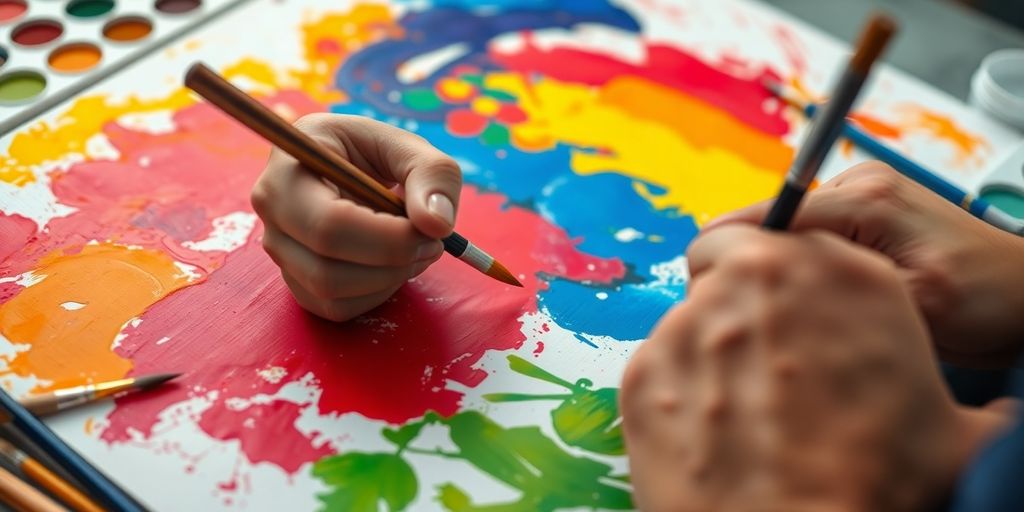
When it comes to becoming a painter, education can take many forms. Some folks swear by formal art education, attending universities or art schools. These places offer structured courses, experienced instructors, and a community of peers to learn from. On the flip side, there’s self-teaching. Many artists find their own path, learning through trial and error. Books, online tutorials, and just plain practice become their teachers. Each path has its pros and cons, but the key is finding what works for you. Whether you’re in a classroom or your living room, the important thing is to keep painting.
Learning from Workshops and Courses
Workshops and courses are a great way to sharpen your skills. They’re often shorter and more focused than formal education, letting you dive deep into specific techniques or styles. Plus, they’re a chance to learn from experienced painters who can share their insights and tips. These learning opportunities can be a game-changer, offering new perspectives and pushing you to try things you might not have on your own.
The Value of Continuous Learning
In the world of painting, learning never stops. The more you paint, the more you realize there’s always something new to discover. Whether it’s a new medium, a different technique, or a fresh approach to color, staying curious is crucial. Continuous learning keeps your work evolving and helps you avoid getting stuck in a rut. It’s about keeping your mind open and being willing to embrace change. After all, the journey of a painter is never really over—there’s always another canvas waiting.
Conclusion
So, what does it take to be the perfect painter? Well, it’s not about being perfect at all. It’s about showing up, putting in the time, and letting yourself make a mess. Every brushstroke is a step forward, even if it doesn’t feel like it at the time. You gotta love the process, not just the end result. Remember, every artist started somewhere, and the journey is what shapes you. So, grab your brushes, embrace the chaos, and keep painting. Who knows? You might just surprise yourself with what you create. Keep at it, and most importantly, enjoy the ride!
Frequently Asked Questions
How can I become a better painter?
Becoming a better painter takes practice and learning the basics. Focus on design, composition, and color. Keep painting, and don’t be afraid to make mistakes.
Why do my colors look muddy?
To avoid muddy colors, spend time experimenting with color mixing. Understand the color wheel and practice mixing different colors to see what works best.
How important is practice in painting?
Practice is very important in painting. Regular practice helps you develop your style and improve your skills. Try setting up a routine to paint often.
Should I seek feedback on my paintings?
Yes, feedback can help you see your work from a different perspective. It can show you your strengths and areas to improve. Just make sure to seek feedback from the right sources.
Is formal education necessary to be a good painter?
Formal education can help, but it’s not the only way. Many artists learn through self-teaching or workshops. Continuous learning is key, no matter the method.
How do I find my unique painting style?
Finding your style takes time and experimentation. Try different mediums and get inspiration from other artists. Over time, you’ll develop a style that’s uniquely yours.





 PERFECT PAINTER
Leave a comment